
OCTOBER 15, 2026
Natural Gas Energy Market Watches Appalachia Pipeline Squeeze as Henry Hub Tests Storage DataNatural gas traders track Appalachia pipeline curbs, Henry Hub pressure and fresh storage data as energy market volatility stays elevated.

© 1box.site 2026

SEPTEMBER 2, 2026
Natural gas moved back to the center of the energy market on Wednesday as European benchmark prices extended their sharp advance, with traders pricing in a higher risk premium for liquefied natural gas cargoes moving through the Gulf region. The front-month Dutch gas contract traded above €73 per megawatt-hour in early European dealings, after settling above €72 on Tuesday and climbing past €69 at the start of the week.
The move marks one of the strongest fresh news signals across the major market sections because it links geopolitics, winter fuel security, inflation expectations and cross-basin LNG competition. While crude oil remains elevated, the natural gas story is becoming more acute for Europe because storage levels are below comfortable seasonal norms and the region has less flexibility if LNG flows remain disrupted into the heating season.
European gas inventories were reported at roughly 65% full, leaving the market more exposed than usual to any prolonged interruption in flexible LNG supply. Traders are especially focused on whether buyers in Europe and Asia will need to compete more aggressively for alternative cargoes if Gulf shipments remain constrained. That competition can lift delivered LNG prices even when domestic gas fundamentals in other regions look more balanced.
The rally also reflects the market’s memory of the 2022-2023 energy crisis. Prices are far below the extreme peaks of that period, but the latest advance has pushed the benchmark to levels not seen since early 2023. That matters for utilities, industrial consumers and policymakers because higher forward prices can feed into hedging costs well before winter demand actually arrives.
The U.S. natural gas market is sending a different signal. Domestic futures have been capped by record production, softer near-term weather demand and ample storage expectations. Recent market data showed Lower 48 output near record levels above 111 billion cubic feet per day, while the October Henry Hub contract traded below $3 per million British thermal units after a brief push to its highest level since July.
That divergence between Europe and the U.S. is important for energy investors. High European and Asian LNG prices can strengthen the long-term case for U.S. export capacity, but near-term Henry Hub pricing still depends on local production, storage and feedgas demand. If storms, maintenance or shipping bottlenecks reduce LNG plant intake, U.S. prices can remain under pressure even while overseas benchmarks climb.
The natural gas surge adds another inflation-sensitive layer to global markets. Higher gas prices can raise electricity costs, squeeze energy-intensive manufacturers and complicate central bank policy if fuel costs remain elevated. For now, the key trading question is whether the LNG disruption premium fades quickly or becomes embedded in winter contracts.
A sustained break above recent highs would likely keep the energy market focused on storage injections, LNG vessel movements and weather forecasts. Conversely, any sign of easing Gulf supply risk or stronger European stockbuilding could trigger a fast pullback, especially after such a rapid repricing. Until then, natural gas is likely to remain one of the most active stories in the energy market.
OCTOBER 15, 2026
Natural Gas Energy Market Watches Appalachia Pipeline Squeeze as Henry Hub Tests Storage Data
OCTOBER 11, 2026
LNG Fuel Market Cools as Winter Energy Risk Keeps Buyers on Alert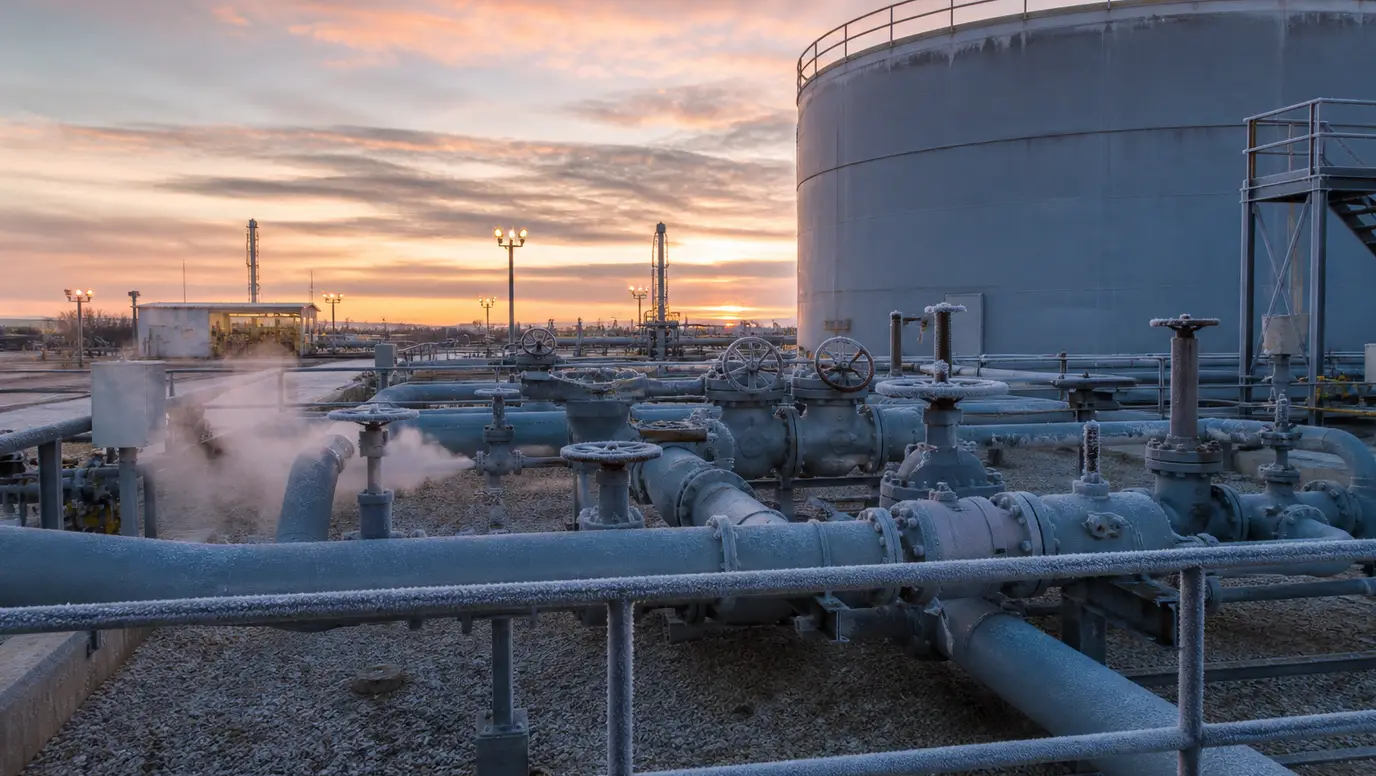
OCTOBER 10, 2026
Natural Gas Futures Rise as Storage Surplus Narrows and Henry Hub Tests Winter Risk
OCTOBER 5, 2026
Henry Hub Natural Gas Holds Near $3 as LNG Demand Tightens Energy Market
SEPTEMBER 29, 2026
U.S. Natural Gas Holds Near $3 as LNG Demand and Storage Risk Split Energy Market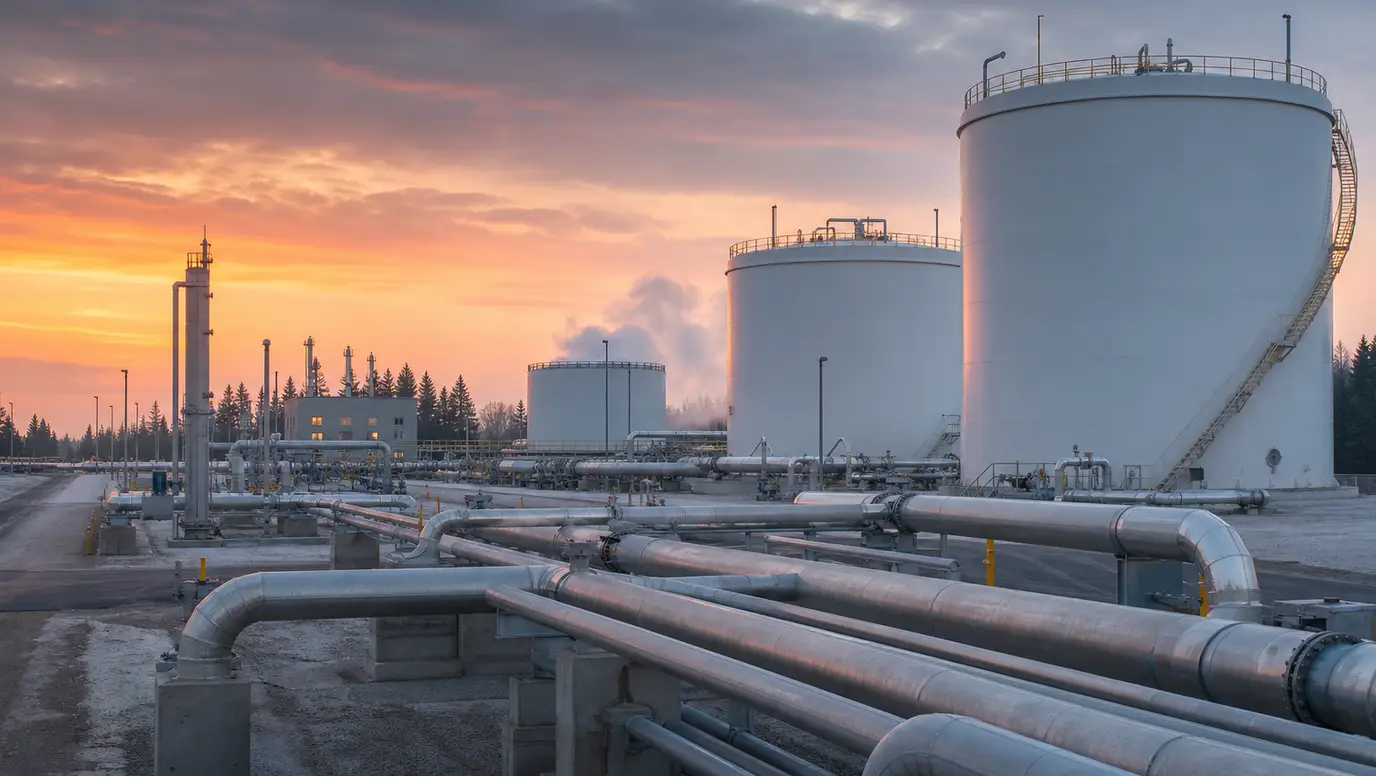
SEPTEMBER 25, 2026
Henry Hub Natural Gas Futures Slip as Storage Build Caps Energy Market Rally
SEPTEMBER 21, 2026
LNG Gas Prices Hit 45-Month High as Hormuz Risk Tightens Winter Supply
SEPTEMBER 18, 2026
Natural Gas Futures Fade as LNG Feedgas Drop Offsets Lean Storage Build
SEPTEMBER 13, 2026
Henry Hub Slips as Gas Storage Cushion Offsets Winter Demand Risk
SEPTEMBER 8, 2026
Natural Gas Climbs as LNG Bidding Puts Energy Market on Winter Storage Watch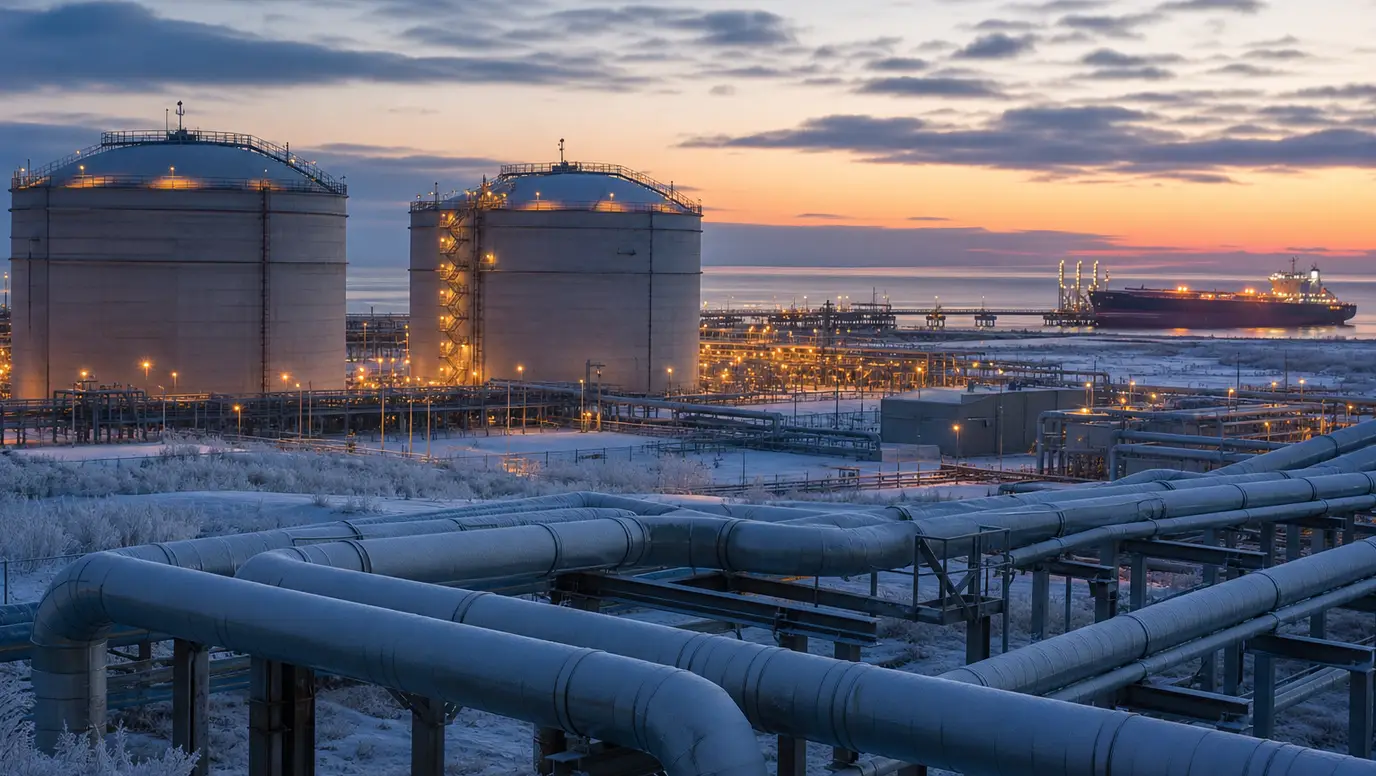
AUGUST 28, 2026
Natural Gas Storage Build Puts Henry Hub on LNG Supply Watch
AUGUST 22, 2026
Natural Gas Storage Cushion Puts Energy Commodities on LNG Supply Watch
AUGUST 16, 2026
LNG Maintenance Puts Natural Gas and Henry Hub on Storage Watch
AUGUST 12, 2026
Texas Power Demand Reset Cools Energy Market as Natural Gas and Solar Lead Supply Growth
AUGUST 8, 2026
Natural Gas Storage Cushion Keeps Henry Hub Under LNG Maintenance Pressure
AUGUST 3, 2026
LNG Exports Surge Tests Natural Gas Commodities as Supply Risk Lingers
AUGUST 1, 2026
Natural Gas Storage Surplus Tests Henry Hub Rally as Power Demand Climbs
JULY 26, 2026
LNG Squeeze Pulls Energy Commodities Into Winter Risk Trade
JULY 23, 2026
Natural Gas Rally Faces Storage Test as Cooling Demand Tightens Energy Market
JULY 21, 2026
LNG Supply Race Overtakes Oil as Gas Prices Jump on Hormuz Disruption
JULY 16, 2026
LNG and Gas Prices Keep Energy Market on Edge as US Dollar Weakens
JULY 7, 2026
LNG Tightness Puts Energy Market on Storage Watch as European Gas Jumps
JUNE 30, 2026
Natural Gas Rally Outruns Softer Oil as Heat and LNG Demand Split Energy Market
JUNE 26, 2026
LNG Demand Puts U.S. Gas Market on Alert as Crude Oil Premium Fades
JUNE 13, 2026
Natural Gas Rally Stalls as Storage Build Offsets LNG Demand Hopes
JUNE 5, 2026
LNG Demand and Summer Power Burn Put Natural Gas Back at the Center of Energy Market Trade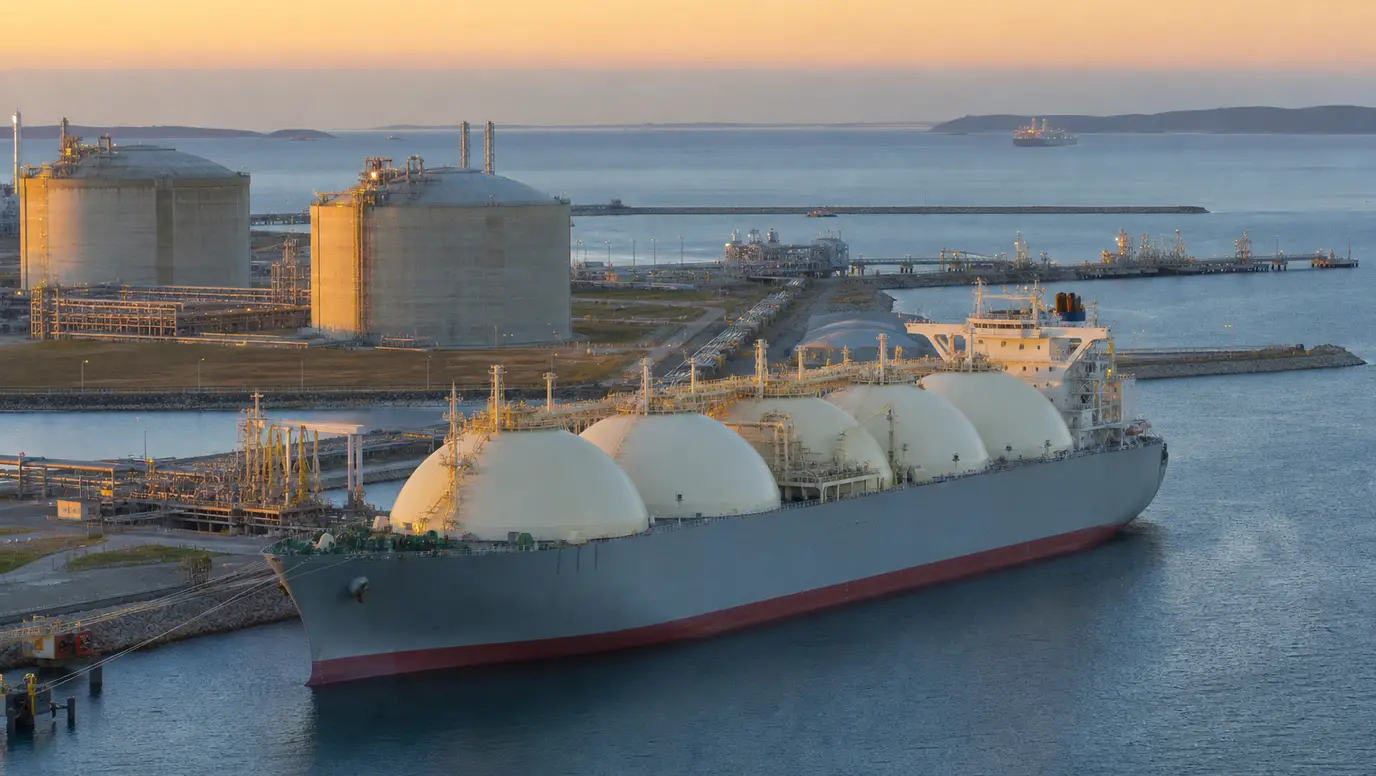
MAY 30, 2026
LNG Squeeze Keeps Energy Market on Edge as Summer Demand Nears
MAY 22, 2026
Natural Gas Slips as Larger Storage Build Cools Summer Demand Bets