
OCTOBER 11, 2026
LNG Fuel Market Cools as Winter Energy Risk Keeps Buyers on AlertLNG prices ease after a sharp rally, but low European storage and winter demand risks keep the energy market on alert.

© 1box.site 2026
OCTOBER 15, 2026
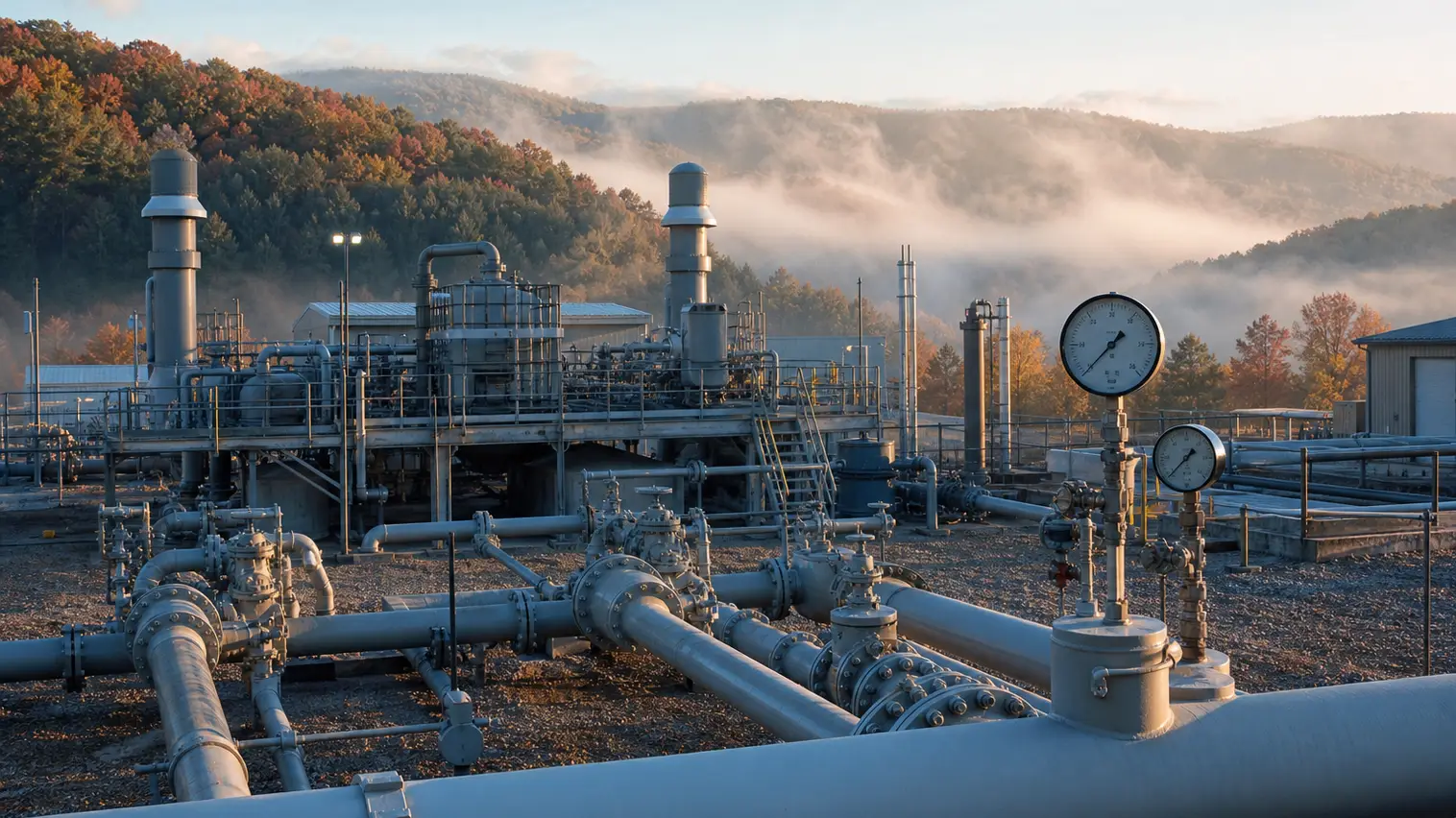
The energy market is drawing the strongest current news flow among the major market sections, with traders balancing oil-supply headlines, delayed petroleum inventory figures and a fresh natural gas pipeline constraint in Appalachia. For natural gas, the immediate focus has shifted to whether regional takeaway limits can tighten downstream balances enough to offset mild weather signals and comfortable storage levels.
Natural gas futures have struggled to sustain upside momentum in recent sessions as late-October temperature forecasts point to softer heating demand. Yet the market is not treating the setback as a simple weather trade. A reported force majeure affecting firm transport on a key Appalachia route has put basis markets back in focus, particularly for flows moving from the Marcellus and Utica production region toward downstream demand centers.
The pipeline issue matters because Appalachia remains one of the most important supply regions in the US gas market. When takeaway capacity is restricted, local spot prices can weaken as production is effectively trapped, while downstream hubs may strengthen if less supply reaches consuming regions or connecting pipeline systems. That split can make the headline Henry Hub contract look steadier than the physical market underneath it.
For traders, the key question is whether the curtailment is short-lived operational noise or a material interruption that forces producers and shippers to reroute volumes. If alternative pipeline capacity absorbs the disruption quickly, the national price impact may be limited. If capacity remains tight, the market could see sharper moves in Northeast basis and a firmer tone at downstream delivery points, even if front-month futures remain capped by weather.
The timing is sensitive. The market is approaching the end of injection season, when storage levels normally become the main buffer against winter demand shocks. A regional pipeline constraint in October can therefore have a larger psychological impact than the same event in a shoulder-season lull, because traders are already positioning for November and December risk.
Fresh weekly storage data is the next major test for the natural gas market. Recent balances have shown enough supply in storage to reduce panic buying, but the surplus has narrowed from earlier in the season. A build that is larger than expected would reinforce the bearish argument that mild weather and sufficient inventories can keep Henry Hub under pressure. A smaller build, however, would give bulls a stronger case that production disruptions, LNG demand and regional constraints are tightening the balance faster than futures prices imply.
Henry Hub is also trading against a more complicated macro backdrop. Energy prices remain sensitive to changes in Treasury yields, the US dollar and broader risk appetite, especially after renewed inflation concerns increased uncertainty around the path of interest rates. A stronger dollar can pressure dollar-priced commodities, while lower yields can improve risk sentiment and support speculative demand across energy contracts.
LNG feedgas demand remains another stabilizing factor. Export facilities have continued to absorb large volumes of US gas, creating a structural outlet for domestic supply even when weather demand is soft. That does not guarantee a rally, but it reduces the margin for error if production drops or pipeline constraints linger into colder weather.
The near-term setup is therefore balanced rather than one-sided. Bears can point to mild forecasts, still-solid storage and recent futures weakness. Bulls can point to Appalachia transport risk, resilient export demand and the possibility that winter positioning returns quickly if inventories fail to build as expected.
For now, the most important signal may come from the duration of the pipeline squeeze. A quick restoration would likely shift attention back to weather models and storage math. A prolonged restriction would keep basis volatility elevated and could make natural gas one of the more active contracts in the energy complex, even if crude oil remains the broader macro headline.
Until there is more clarity, traders may treat dips in Henry Hub with caution while also avoiding aggressive upside bets before storage confirmation. That leaves the natural gas energy market in a narrow but unstable range, where a single operational update or inventory surprise could decide the next directional move.
OCTOBER 11, 2026
LNG Fuel Market Cools as Winter Energy Risk Keeps Buyers on Alert
OCTOBER 10, 2026
Natural Gas Futures Rise as Storage Surplus Narrows and Henry Hub Tests Winter Risk
OCTOBER 5, 2026
Henry Hub Natural Gas Holds Near $3 as LNG Demand Tightens Energy Market
SEPTEMBER 29, 2026
U.S. Natural Gas Holds Near $3 as LNG Demand and Storage Risk Split Energy Market
SEPTEMBER 25, 2026
Henry Hub Natural Gas Futures Slip as Storage Build Caps Energy Market Rally
SEPTEMBER 21, 2026
LNG Gas Prices Hit 45-Month High as Hormuz Risk Tightens Winter Supply
SEPTEMBER 18, 2026
Natural Gas Futures Fade as LNG Feedgas Drop Offsets Lean Storage Build
SEPTEMBER 13, 2026
Henry Hub Slips as Gas Storage Cushion Offsets Winter Demand Risk
SEPTEMBER 8, 2026
Natural Gas Climbs as LNG Bidding Puts Energy Market on Winter Storage Watch
SEPTEMBER 2, 2026
Natural Gas Surge Lifts Energies as LNG Supply Fears Return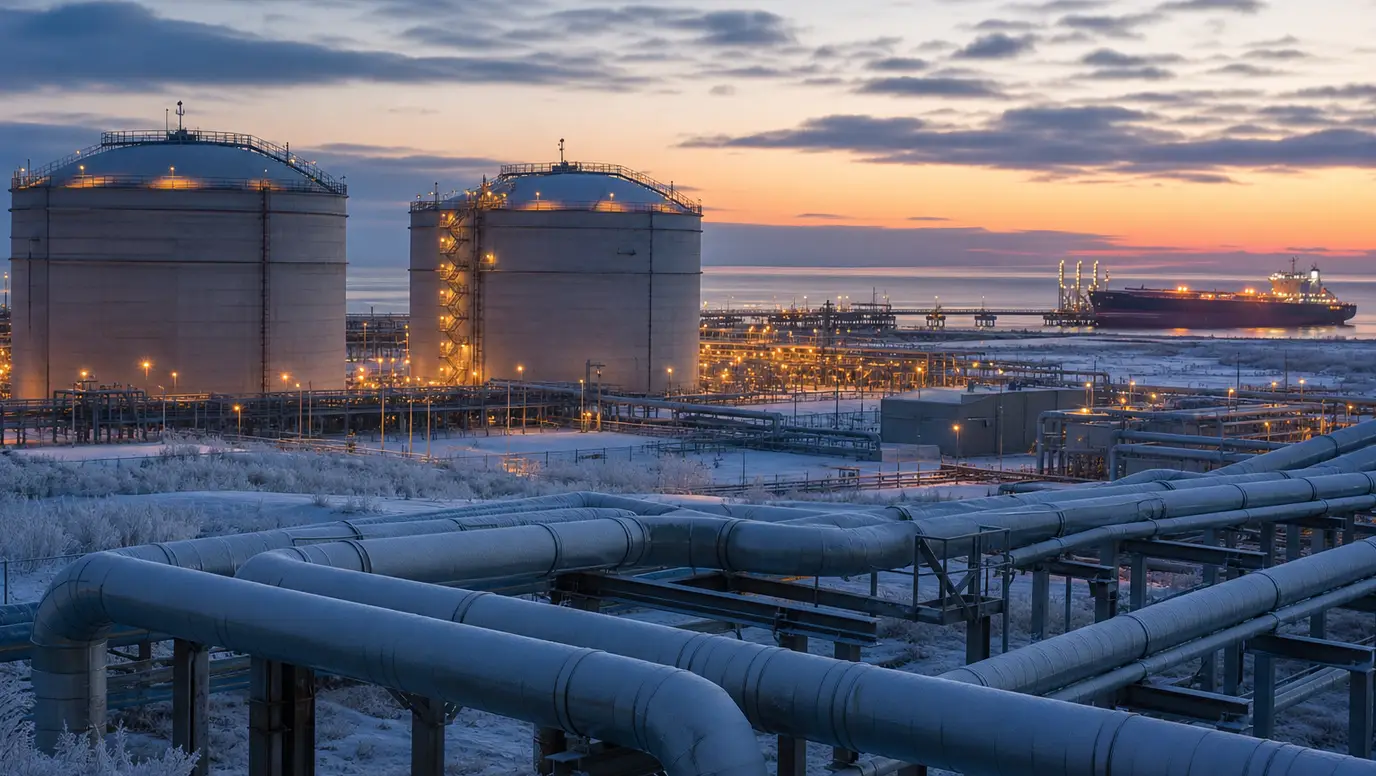
AUGUST 28, 2026
Natural Gas Storage Build Puts Henry Hub on LNG Supply Watch
AUGUST 22, 2026
Natural Gas Storage Cushion Puts Energy Commodities on LNG Supply Watch
AUGUST 16, 2026
LNG Maintenance Puts Natural Gas and Henry Hub on Storage Watch
AUGUST 12, 2026
Texas Power Demand Reset Cools Energy Market as Natural Gas and Solar Lead Supply Growth
AUGUST 8, 2026
Natural Gas Storage Cushion Keeps Henry Hub Under LNG Maintenance Pressure
AUGUST 3, 2026
LNG Exports Surge Tests Natural Gas Commodities as Supply Risk Lingers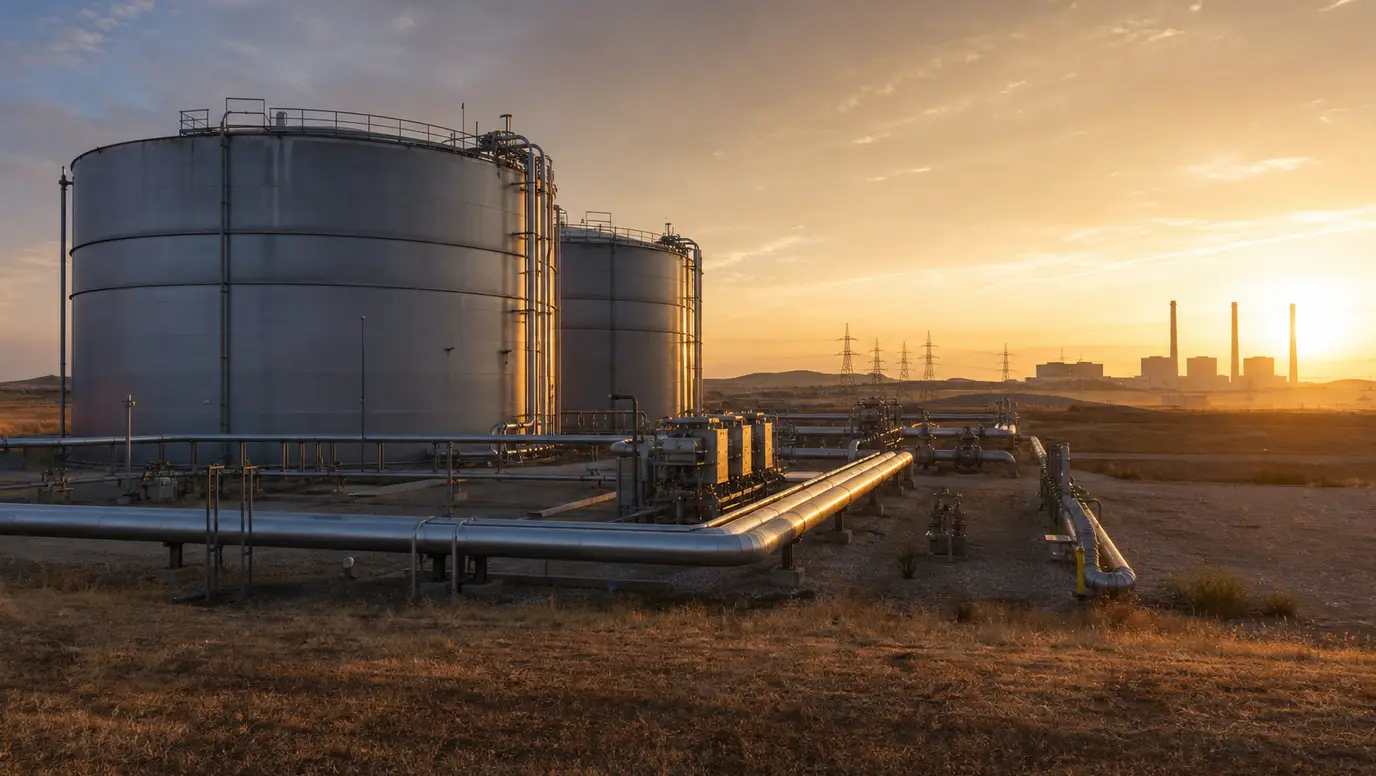
AUGUST 1, 2026
Natural Gas Storage Surplus Tests Henry Hub Rally as Power Demand Climbs
JULY 26, 2026
LNG Squeeze Pulls Energy Commodities Into Winter Risk Trade
JULY 23, 2026
Natural Gas Rally Faces Storage Test as Cooling Demand Tightens Energy Market
JULY 21, 2026
LNG Supply Race Overtakes Oil as Gas Prices Jump on Hormuz Disruption
JULY 16, 2026
LNG and Gas Prices Keep Energy Market on Edge as US Dollar Weakens
JULY 7, 2026
LNG Tightness Puts Energy Market on Storage Watch as European Gas Jumps
JUNE 30, 2026
Natural Gas Rally Outruns Softer Oil as Heat and LNG Demand Split Energy Market
JUNE 26, 2026
LNG Demand Puts U.S. Gas Market on Alert as Crude Oil Premium Fades
JUNE 13, 2026
Natural Gas Rally Stalls as Storage Build Offsets LNG Demand Hopes
JUNE 5, 2026
LNG Demand and Summer Power Burn Put Natural Gas Back at the Center of Energy Market Trade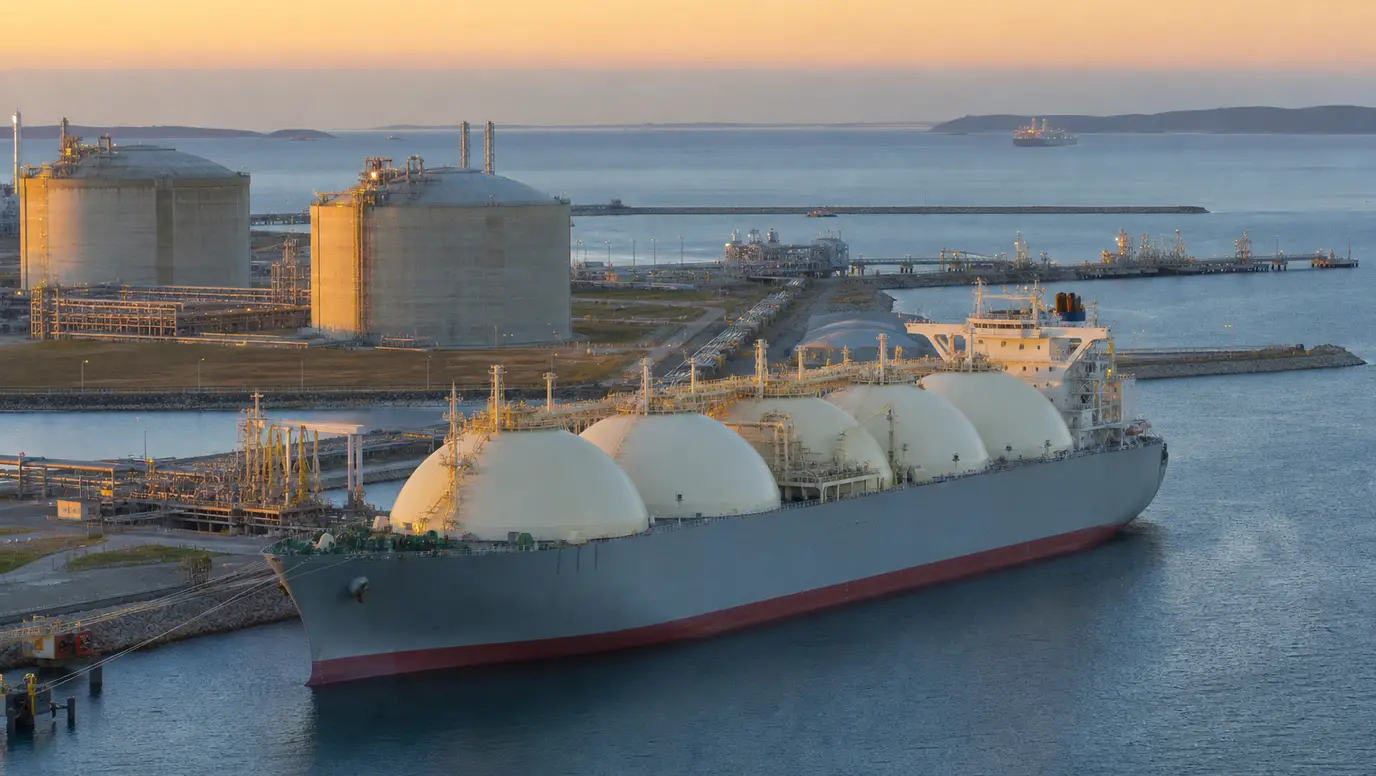
MAY 30, 2026
LNG Squeeze Keeps Energy Market on Edge as Summer Demand Nears
MAY 22, 2026
Natural Gas Slips as Larger Storage Build Cools Summer Demand Bets