NOVEMBER 2, 2026
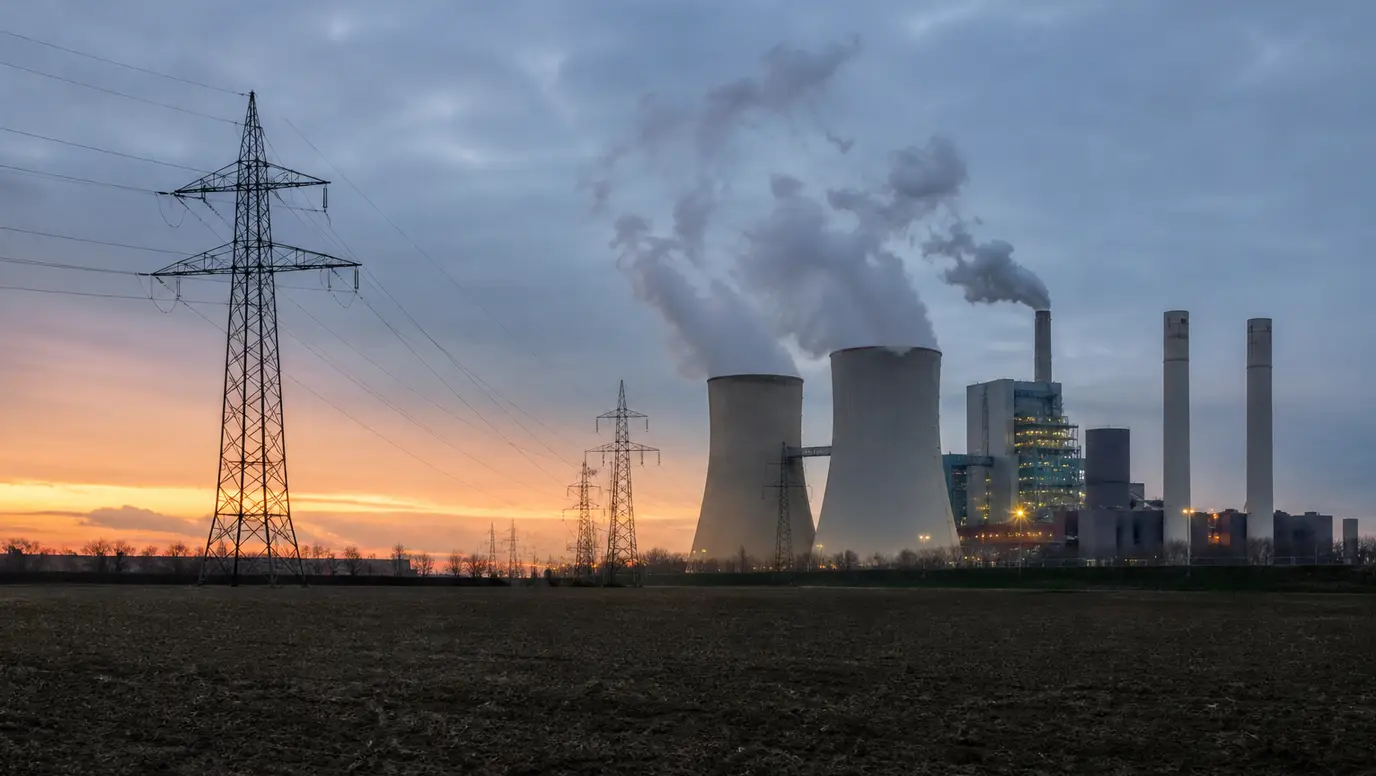
Natural Gas Energy Market Faces El Niño Grid Test as Henry Hub Holds Near $3Natural gas traders weigh mild weather, ample storage and El Niño power risks as Henry Hub stays near $3 before winter demand builds.

© 1box.site 2026

NOVEMBER 4, 2026
The LNG energy market is moving back to the center of commodity trading as low gas storage buffers and thinner flexible supply threaten to sharpen winter competition between Europe and Asia. Recent market assessments point to a tighter global balance after months of geopolitical disruption, elevated shipping risk and strong seasonal procurement from major importers.
The fresh catalyst is not a single price spike, but a change in the balance of risk. Europe is entering the colder part of the year with less storage comfort than traders would normally prefer, while several Asian buyers are still active in the spot market. That combination leaves LNG cargoes more sensitive to weather forecasts, outages and shipping delays than they were during the summer.
Gas storage is now the key number for LNG traders because it determines how aggressively Europe must compete for marginal cargoes. When storage cover is thin, even a modest cold spell can force utilities to pay up for deliveries, particularly if pipeline flows, renewable output or domestic production disappoint at the same time.
The supply side is also less forgiving. Global LNG availability is expected to remain constrained in the near term, and flexible cargoes are likely to command a premium when importers in Europe, North Asia and South Asia bid at the same time. That keeps the market vulnerable to sudden price moves even if benchmark crude oil prices stabilize.
Asian spot demand has strengthened into the winter procurement season, with utilities seeking protection against colder weather and fuel-switching constraints. Elevated prices have discouraged some discretionary buying, but essential winter coverage remains difficult to postpone. This means Europe cannot assume that Atlantic-basin cargoes will arrive without a competitive bid.
For traders, the LNG curve is likely to remain weather-led. A mild November and December could ease near-term pressure, especially if storage withdrawals stay moderate. A colder pattern, however, would quickly revive concerns about late-winter inventories and could pull both European gas contracts and Asian LNG markers higher.
The LNG squeeze matters beyond the gas market because expensive imported fuel can influence power prices, industrial margins and inflation expectations. In Europe, gas-fired generation still sets marginal electricity prices during periods of weak wind or high demand. In Asia, higher LNG costs can pressure utilities and heavy industry, especially where fuel alternatives are limited.
The immediate market takeaway is defensive rather than panic-driven. LNG prices do not need a severe supply shock to stay firm; they only need storage to remain low, flexible cargoes to stay scarce and winter demand to arrive on schedule. Until one of those conditions improves, the energy market is likely to treat LNG as one of its most important volatility gauges.
NOVEMBER 2, 2026
Natural Gas Energy Market Faces El Niño Grid Test as Henry Hub Holds Near $3
OCTOBER 28, 2026
LNG Energy Market Holds Near Four-Year High as Hormuz Risk and Asia Gas Buying Collide
OCTOBER 27, 2026
Natural Gas Energy Market Slides as Warm Forecasts and EQT-Range Deal Reset Henry Hub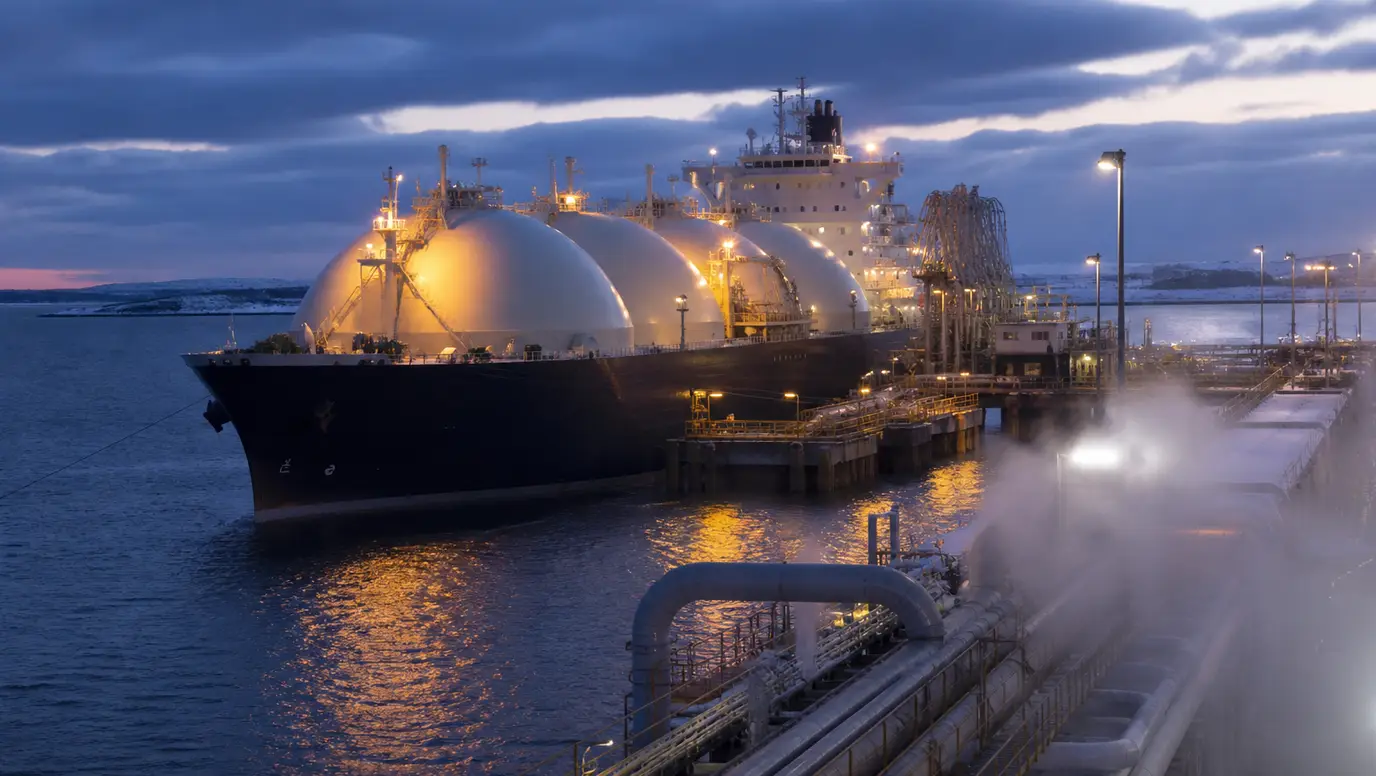
OCTOBER 22, 2026
LNG Spot Prices Climb as Asia-Europe Winter Bidding War Reprices Energy Market Risk
OCTOBER 21, 2026
Natural Gas Breaks Below $3 as Mild Weather Tests Henry Hub Energy Market Bulls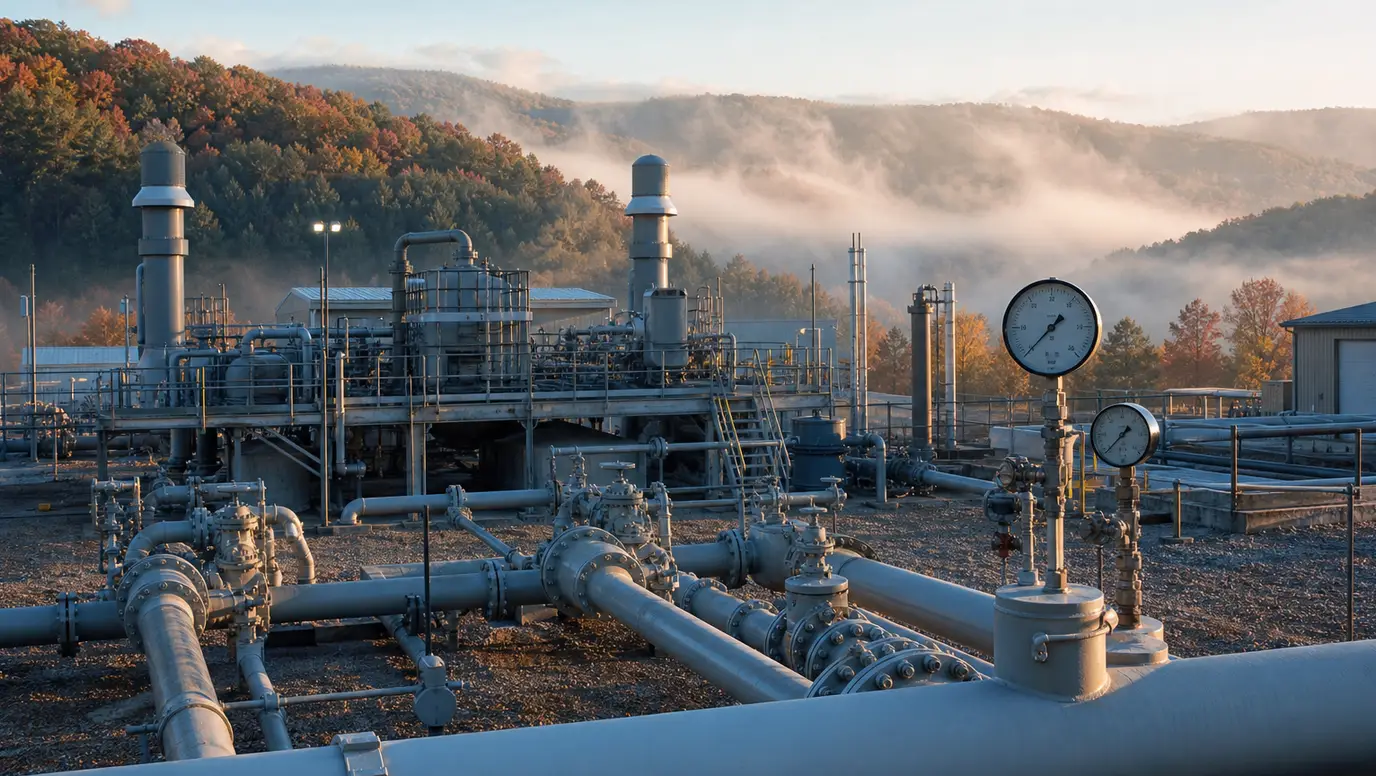
OCTOBER 15, 2026
Natural Gas Energy Market Watches Appalachia Pipeline Squeeze as Henry Hub Tests Storage Data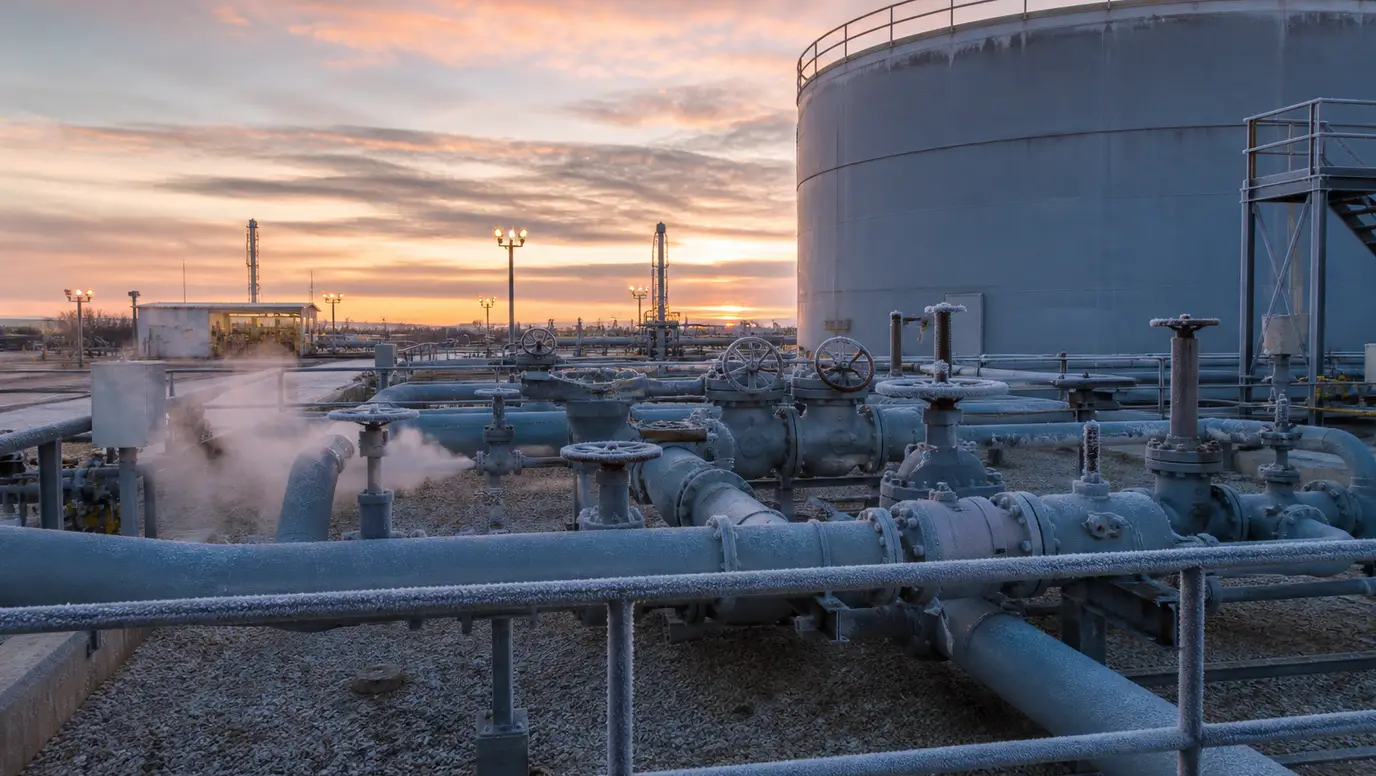
OCTOBER 10, 2026
Natural Gas Futures Rise as Storage Surplus Narrows and Henry Hub Tests Winter Risk
OCTOBER 5, 2026
Henry Hub Natural Gas Holds Near $3 as LNG Demand Tightens Energy Market
SEPTEMBER 29, 2026
U.S. Natural Gas Holds Near $3 as LNG Demand and Storage Risk Split Energy Market
SEPTEMBER 25, 2026
Henry Hub Natural Gas Futures Slip as Storage Build Caps Energy Market Rally
SEPTEMBER 21, 2026
LNG Gas Prices Hit 45-Month High as Hormuz Risk Tightens Winter Supply
SEPTEMBER 18, 2026
Natural Gas Futures Fade as LNG Feedgas Drop Offsets Lean Storage Build
SEPTEMBER 13, 2026
Henry Hub Slips as Gas Storage Cushion Offsets Winter Demand Risk
SEPTEMBER 8, 2026
Natural Gas Climbs as LNG Bidding Puts Energy Market on Winter Storage Watch