NOVEMBER 8, 2026
Natural Gas Near $3 as Record LNG Flows Challenge Energy Market BearsNatural gas futures hover near $3 as record LNG feedgas offsets soft storage and mild weather signals before winter demand begins.

© 1box.site 2026

NOVEMBER 13, 2026
Natural gas moved to the front of the energy market on Friday as traders weighed resilient LNG demand against a softer winter storage outlook. Front-month U.S. gas prices slipped toward the low-$3 area per million British thermal units, cooling after a sharp early-November rebound that had been fueled by colder-weather speculation and stronger export feedgas expectations.
The move left gas in a different position from crude oil, where geopolitical headlines and shipping risks continue to dominate intraday volatility. For natural gas, the immediate debate is more domestic: whether mild November temperatures and high production are enough to offset the structural pull from LNG terminals, power demand and industrial consumption.
The key pressure point for the natural gas market is storage. Recent market updates have pointed to inventories near comfortable levels for the start of the heating season, while warmer-than-normal forecasts have reduced the urgency for utilities to draw aggressively from underground stocks. That has made it harder for gas bulls to defend a sustained weather premium unless colder models arrive for late November and December.
Traders are also watching the delayed weekly U.S. storage update for confirmation of whether injections are ending more slowly than usual or whether the market is moving cleanly into withdrawal season. A smaller-than-expected build or an early draw could revive upside momentum, but a larger cushion would reinforce the view that winter supply risk is contained for now.
The latest government outlook before Friday reduced price expectations for the winter strip, reflecting assumptions of milder heating demand and continued production growth. That adjustment matters because it reframes the market: instead of asking whether inventories are adequate, traders are asking how much upside is justified when supply remains strong and household heating demand has not yet accelerated.
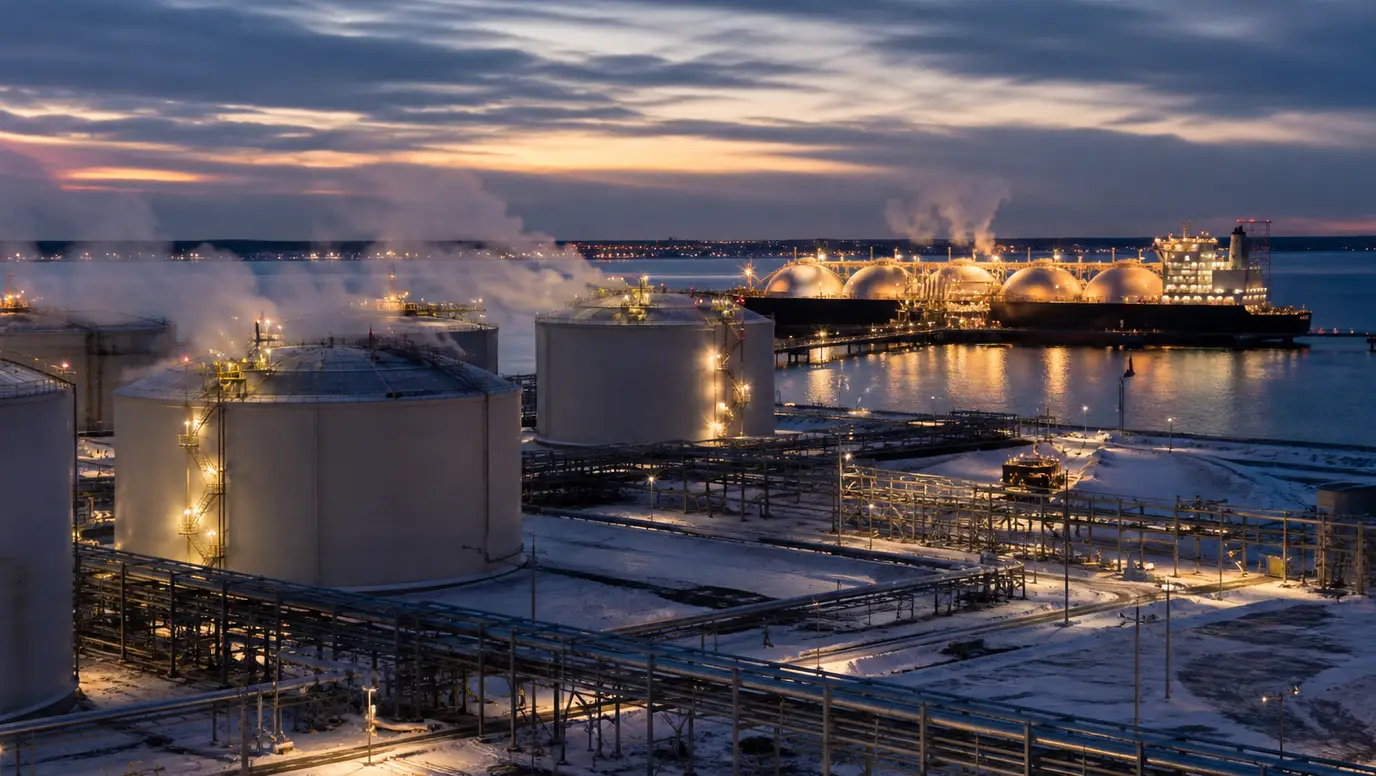
The bearish storage story is not one-sided. LNG demand continues to provide a floor for the market, especially as U.S. export facilities run at high utilization and global buyers remain sensitive to disruptions in competing supply regions. Even when domestic weather is mild, strong feedgas flows can tighten the balance and limit downside in Henry Hub-linked contracts.
This is why the market reaction has been measured rather than disorderly. Prices have eased, but they have not broken down in a way that would suggest traders are abandoning the winter-risk trade altogether. The export channel has changed the structure of the U.S. gas market, making domestic storage less isolated from international fuel security and global power-sector demand.
Industrial demand is another stabilizer. Data centers, petrochemical plants and power generators continue to compete for reliable energy supply, and gas remains a key balancing fuel when renewables output fluctuates. That demand does not eliminate weather-driven volatility, but it makes the downside more complicated than a simple mild-winter narrative would imply.
The next catalyst is likely to come from weather model revisions and production data. If forecasts stay warm, natural gas could remain capped near recent resistance as traders price in slower withdrawals and a comfortable inventory runway. If colder air develops across the Midwest or Northeast, the market could quickly rebuild a premium because positioning has become more cautious after the latest pullback.
Macro conditions are also feeding into the trade. A firm U.S. dollar and renewed concern over inflation have kept commodity investors selective, reducing the appetite for broad energy exposure. Natural gas is still more weather-sensitive than most major commodities, but higher interest-rate expectations can pressure speculative flows and raise the hurdle for a lasting rally.
For now, the natural gas market is caught between two strong but opposing forces. Ample storage and mild weather forecasts argue for restraint, while LNG demand and power-sector needs keep the market from becoming decisively bearish. Until one side gains clearer evidence, prices may continue to trade in a choppy range, with the weekly storage data and late-November weather shifts setting the tone for the next breakout.
NOVEMBER 8, 2026
Natural Gas Near $3 as Record LNG Flows Challenge Energy Market Bears
NOVEMBER 4, 2026
LNG Energy Market Tightens as Low Gas Storage Raises Winter Price Risk
NOVEMBER 2, 2026
Natural Gas Energy Market Faces El Niño Grid Test as Henry Hub Holds Near $3
OCTOBER 28, 2026
LNG Energy Market Holds Near Four-Year High as Hormuz Risk and Asia Gas Buying Collide
OCTOBER 27, 2026
Natural Gas Energy Market Slides as Warm Forecasts and EQT-Range Deal Reset Henry Hub
OCTOBER 22, 2026
LNG Spot Prices Climb as Asia-Europe Winter Bidding War Reprices Energy Market Risk
OCTOBER 21, 2026
Natural Gas Breaks Below $3 as Mild Weather Tests Henry Hub Energy Market Bulls
OCTOBER 15, 2026
Natural Gas Energy Market Watches Appalachia Pipeline Squeeze as Henry Hub Tests Storage Data
OCTOBER 10, 2026
Natural Gas Futures Rise as Storage Surplus Narrows and Henry Hub Tests Winter Risk
OCTOBER 5, 2026
Henry Hub Natural Gas Holds Near $3 as LNG Demand Tightens Energy Market
SEPTEMBER 29, 2026
U.S. Natural Gas Holds Near $3 as LNG Demand and Storage Risk Split Energy Market
SEPTEMBER 25, 2026
Henry Hub Natural Gas Futures Slip as Storage Build Caps Energy Market Rally
SEPTEMBER 21, 2026
LNG Gas Prices Hit 45-Month High as Hormuz Risk Tightens Winter Supply
SEPTEMBER 18, 2026
Natural Gas Futures Fade as LNG Feedgas Drop Offsets Lean Storage Build
SEPTEMBER 13, 2026
Henry Hub Slips as Gas Storage Cushion Offsets Winter Demand Risk
SEPTEMBER 8, 2026
Natural Gas Climbs as LNG Bidding Puts Energy Market on Winter Storage Watch