
OCTOBER 5, 2026
Henry Hub Natural Gas Holds Near $3 as LNG Demand Tightens Energy MarketNatural gas steadies near $3 as LNG feedgas demand, cooler forecasts and a smaller storage surplus reshape the energy market outlook.

© 1box.site 2026

OCTOBER 10, 2026
Natural gas moved back to the center of the energy market after the latest weekly storage figures showed a larger-than-expected injection but a narrower cushion against normal seasonal levels. The headline build was bearish at first glance, yet traders focused on the fact that inventories remain below last year and that the surplus over the five-year average has continued to shrink before the winter withdrawal season.
Front-month Henry Hub futures ended the week near $3.28 per million British thermal units, recovering from earlier pressure as the market balanced mild near-term weather against tighter regional supply signals, LNG feedgas demand, and uncertainty around Gulf Coast infrastructure. The move puts natural gas back on watch after several recent energy headlines were dominated by crude oil, refined fuels, and shipping risk.
Working gas in Lower 48 underground storage rose by 85 billion cubic feet for the week ended October 2, lifting total inventories to 3,500 billion cubic feet. The build exceeded market expectations, but it was below the comparable five-year average injection for the week. That combination limited the downside reaction because the report did not meaningfully rebuild the seasonal buffer.
Total storage is now roughly 2% above the five-year average, while inventories are about 130 billion cubic feet below the same period last year. For gas traders, that spread matters more as the market moves closer to November, when heating demand can begin to drive larger weekly withdrawals. A comfortable national inventory picture can quickly become more complicated if early cold weather appears in the Midwest, Northeast, or key consuming regions.
The latest monthly outlook also points to above-average inventories at the start of the heating season, with end-October storage expected to remain near 2% above normal. That should cap extreme upside unless weather turns sharply colder, but it does not remove volatility risk. The market is entering winter with ample gas in aggregate, yet regional deliverability, pipeline constraints, and LNG demand can still produce sharp basis moves.
Weather remains the immediate driver for Henry Hub. Mild conditions across much of the United States are expected to keep demand light in the short run, but forecast models have shown some cooler trends for the second half of October. Even a modest increase in heating degree days can change sentiment when speculative positioning is light and storage surpluses are narrowing.
LNG demand is another source of support. U.S. export capacity has expanded through 2026, keeping feedgas consumption elevated and making the domestic balance more sensitive to terminal maintenance, shipping disruptions, and global gas prices. When LNG flows are strong, more U.S. production is pulled toward export facilities, tightening the link between Henry Hub and international gas markets.
Gulf Coast weather risk also remains on traders’ radar. Tropical systems can disrupt offshore production, pipeline operations, or LNG terminal activity, creating two-sided price risk. A storm that cuts production may support futures, while a storm that reduces feedgas demand can pressure prices. That uncertainty has helped keep volatility elevated even as national storage remains above average.
The near-term setup for natural gas is constructive but not decisively bullish. A sustained rally would likely require colder weather forecasts, a smaller-than-normal storage build in the next report, or evidence that production is slipping while LNG exports remain strong. Without those catalysts, above-average inventories could continue to limit follow-through buying near resistance levels.
For energy investors, the key question is whether Henry Hub can hold its recovery while the market transitions from injection season to withdrawal season. Prices above the low-$3 range suggest traders are already assigning value to winter risk, but the storage backdrop argues against chasing momentum without confirmation from weather and demand data.
Natural gas therefore enters the coming week as one of the most active energy contracts to watch. Storage is still adequate, but the cushion is narrowing; weather is still mild, but forecasts are shifting; and LNG demand remains structurally stronger than in prior years. That mix leaves Henry Hub vulnerable to sharp repricing if the first meaningful cold spell arrives earlier than expected.
OCTOBER 5, 2026
Henry Hub Natural Gas Holds Near $3 as LNG Demand Tightens Energy Market
SEPTEMBER 29, 2026
U.S. Natural Gas Holds Near $3 as LNG Demand and Storage Risk Split Energy Market
SEPTEMBER 25, 2026
Henry Hub Natural Gas Futures Slip as Storage Build Caps Energy Market Rally
SEPTEMBER 21, 2026
LNG Gas Prices Hit 45-Month High as Hormuz Risk Tightens Winter Supply
SEPTEMBER 18, 2026
Natural Gas Futures Fade as LNG Feedgas Drop Offsets Lean Storage Build
SEPTEMBER 13, 2026
Henry Hub Slips as Gas Storage Cushion Offsets Winter Demand Risk
SEPTEMBER 8, 2026
Natural Gas Climbs as LNG Bidding Puts Energy Market on Winter Storage Watch
SEPTEMBER 2, 2026
Natural Gas Surge Lifts Energies as LNG Supply Fears Return
AUGUST 28, 2026
Natural Gas Storage Build Puts Henry Hub on LNG Supply Watch
AUGUST 22, 2026
Natural Gas Storage Cushion Puts Energy Commodities on LNG Supply Watch
AUGUST 16, 2026
LNG Maintenance Puts Natural Gas and Henry Hub on Storage Watch
AUGUST 12, 2026
Texas Power Demand Reset Cools Energy Market as Natural Gas and Solar Lead Supply Growth
AUGUST 8, 2026
Natural Gas Storage Cushion Keeps Henry Hub Under LNG Maintenance Pressure
AUGUST 3, 2026
LNG Exports Surge Tests Natural Gas Commodities as Supply Risk Lingers
AUGUST 1, 2026
Natural Gas Storage Surplus Tests Henry Hub Rally as Power Demand Climbs
JULY 26, 2026
LNG Squeeze Pulls Energy Commodities Into Winter Risk Trade
JULY 23, 2026
Natural Gas Rally Faces Storage Test as Cooling Demand Tightens Energy Market
JULY 21, 2026
LNG Supply Race Overtakes Oil as Gas Prices Jump on Hormuz Disruption
JULY 16, 2026
LNG and Gas Prices Keep Energy Market on Edge as US Dollar Weakens
JULY 7, 2026
LNG Tightness Puts Energy Market on Storage Watch as European Gas Jumps
JUNE 30, 2026
Natural Gas Rally Outruns Softer Oil as Heat and LNG Demand Split Energy Market
JUNE 26, 2026
LNG Demand Puts U.S. Gas Market on Alert as Crude Oil Premium Fades
JUNE 13, 2026
Natural Gas Rally Stalls as Storage Build Offsets LNG Demand Hopes
JUNE 5, 2026
LNG Demand and Summer Power Burn Put Natural Gas Back at the Center of Energy Market Trade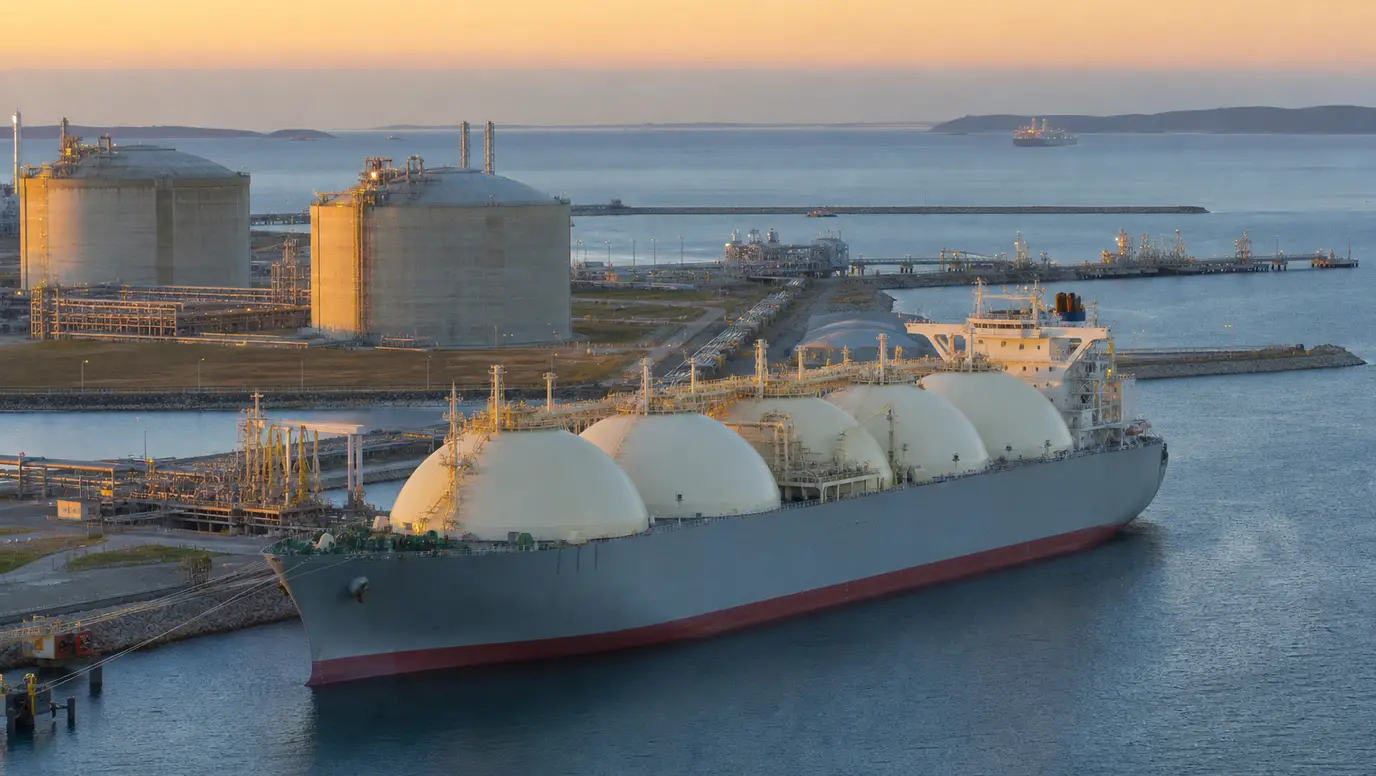
MAY 30, 2026
LNG Squeeze Keeps Energy Market on Edge as Summer Demand Nears
MAY 22, 2026
Natural Gas Slips as Larger Storage Build Cools Summer Demand Bets