AUGUST 22, 2026
Natural Gas Storage Cushion Puts Energy Commodities on LNG Supply WatchNatural gas traders weigh a U.S. storage cushion against LNG disruption risks, weather demand and volatile global energy flows.

© 1box.site 2026

AUGUST 3, 2026
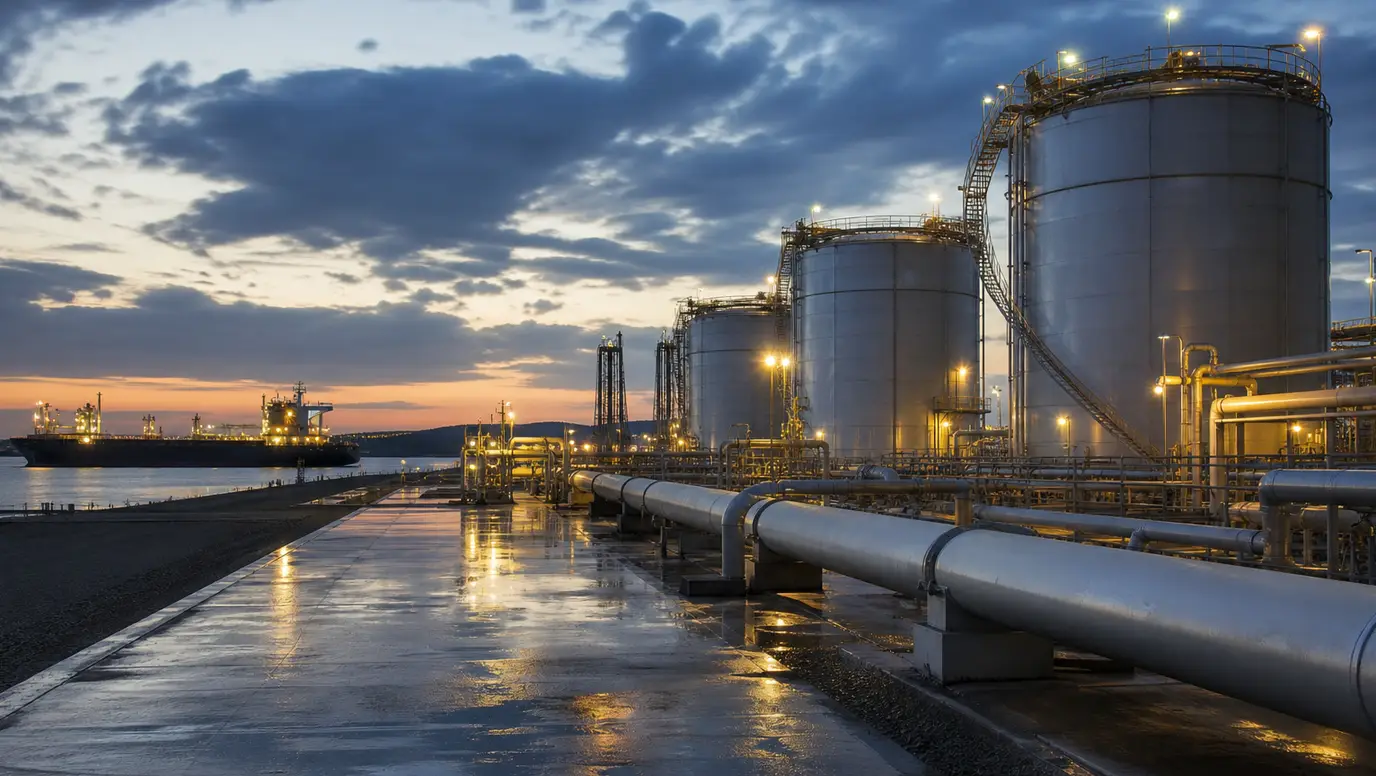
LNG has moved back to the center of the energy market as traders weigh stronger U.S. export flows against a still-fragile global supply chain. The latest market signals point to a natural gas market that is no longer trading only on weather and storage, but also on shipping reliability, Asian procurement patterns and the pace at which new liquefaction capacity can reach full output.
The immediate focus is the export side of the balance sheet. U.S. LNG shipments are running at historically elevated levels, supported by new capacity and high utilization at existing terminals. That is helping offset disruptions elsewhere, but it is also linking domestic natural gas pricing more closely to global fuel stress at a time when inventories, power demand and summer heat remain important local drivers.
Forecasts for 2026 show U.S. LNG exports holding above the previous annual record, with further growth expected into 2027 as additional projects ramp up. That expansion gives global buyers more flexible supply, but it also reduces the cushion available to the domestic market when power-sector demand rises or production growth disappoints.
For natural gas traders, the result is a more complicated price map. Strong exports can support Henry Hub during periods of mild domestic demand, while any outage at a terminal can quickly loosen the U.S. balance. This makes feedgas flows, maintenance schedules and shipping nominations as important as weekly storage data for short-term positioning.
The international backdrop is still defensive. Global LNG trade is expected to be broadly flat this year, and a delayed recovery in key Gulf export flows could push annual supply into its first decline in more than a decade. That risk has kept buyers cautious even as some spot prices have eased from earlier stress levels.
Asia remains the swing region. Higher LNG prices have encouraged some fuel switching in power generation and reduced demand from energy-intensive industries, but buyers still need reliable cargoes ahead of seasonal demand peaks. Europe is also competing for flexible supply as storage decisions become more sensitive to geopolitical and shipping risk.
The next catalyst for natural gas commodities is likely to come from the interaction between U.S. export utilization and summer power burn. If hot weather lifts cooling demand while LNG terminals continue to pull large volumes, the market may price in a tighter late-summer balance. If temperatures moderate or export maintenance increases, rallies could face resistance.
Shipping developments remain the larger wildcard. Any improvement in Gulf transit reliability would ease pressure on global LNG buyers and reduce the premium attached to Atlantic Basin cargoes. A slower normalization, however, would keep U.S. exporters in a stronger bargaining position and could sustain volatility across the wider energy market.
For now, LNG is acting as both a relief valve and a source of risk. Additional U.S. supply is helping stabilize global fuel flows, but the same export strength is making natural gas commodities more sensitive to international disruptions. That leaves traders focused on capacity ramp-ups, vessel movements and weather forecasts as the market searches for a clearer supply cushion.
AUGUST 22, 2026
Natural Gas Storage Cushion Puts Energy Commodities on LNG Supply Watch
JULY 26, 2026
LNG Squeeze Pulls Energy Commodities Into Winter Risk Trade
JULY 23, 2026
Natural Gas Rally Faces Storage Test as Cooling Demand Tightens Energy Market
JULY 21, 2026
LNG Supply Race Overtakes Oil as Gas Prices Jump on Hormuz Disruption
JULY 16, 2026
LNG and Gas Prices Keep Energy Market on Edge as US Dollar Weakens
JULY 7, 2026
LNG Tightness Puts Energy Market on Storage Watch as European Gas Jumps