AUGUST 22, 2026
Natural Gas Storage Cushion Puts Energy Commodities on LNG Supply WatchNatural gas traders weigh a U.S. storage cushion against LNG disruption risks, weather demand and volatile global energy flows.

© 1box.site 2026
JULY 26, 2026
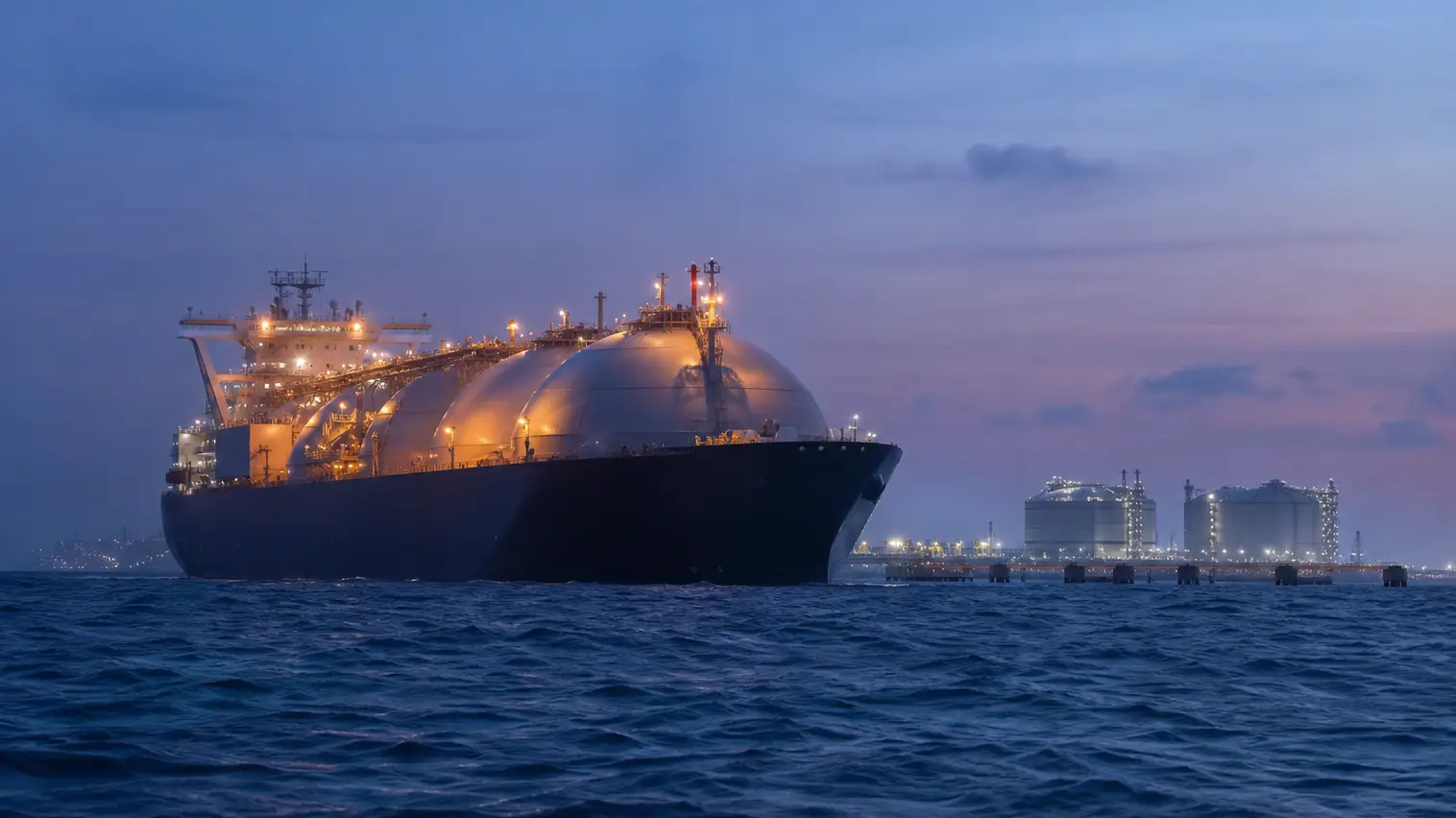
Liquefied natural gas has become the sharpest stress point in the energy market as traders look beyond headline oil volatility and begin pricing a longer winter squeeze in fuel supply. The immediate issue is not only the availability of cargoes, but also the cost of moving them, the competition between Asia and Europe, and the amount of demand that may need to be curtailed if Gulf flows remain constrained.
The market is still absorbing the impact of disrupted LNG traffic through the Strait of Hormuz, a route that previously handled close to one-fifth of global LNG supply. Unlike crude oil, where some producers can shift barrels through pipelines or alternative ports, LNG remains heavily dependent on specialized vessels and export terminals. That makes the gas market less flexible when maritime risk rises.
The result is a more defensive energy trade. Buyers are trying to secure optional supply before the northern hemisphere heating season, while utilities and industrial users are watching whether elevated prices force more fuel switching, lower operating rates or conservation measures. For investors, the LNG story is no longer a regional shipping disruption; it is a global pricing signal for energy commodities.
The latest global gas outlook points to a rare annual contraction in demand during 2026, with consumption expected to decline by about 0.5%, or roughly 20 billion cubic meters. That would make demand destruction, rather than only new supply, a key mechanism for balancing the market.
Asia is central to that adjustment. Higher LNG prices have encouraged gas-to-coal switching in power generation and reduced activity in some gas-intensive industries. The region’s gas demand is expected to slip this year, while China’s spring and early-summer consumption weakened as domestic production and lower LNG imports helped cushion the global market.
Europe faces a different but related problem. Its shift away from Russian pipeline gas has increased the strategic role of LNG, improving diversification but also exposing the region more directly to global spot-market volatility. Record LNG imports in 2025 left Europe better connected to seaborne supply, yet also more sensitive to any shock that redirects cargoes toward higher-paying Asian buyers.
That leaves winter storage and demand flexibility as critical variables. If prices stay elevated, industrial curtailment, fuel switching and efficiency measures could do more of the balancing work. If prices ease too quickly, buyers may rebuild inventories more aggressively, tightening the spot market again.
Additional LNG output from North America, Africa and Australia is helping offset the loss of Gulf volumes. New projects and stronger feedgas availability are expected to add substantial supply this year, keeping global LNG trade broadly flat under baseline assumptions. However, the margin for error is narrow.
The risk for traders is that delayed Gulf recovery could turn a flat market into the first annual decline in global LNG supply in more than a decade. That possibility explains why gas prices can remain volatile even when crude inventories or refined product stocks show short-term relief. LNG is responding to a different set of constraints: vessel availability, terminal operations, war-risk premiums and seasonal purchasing behavior.
There is also a knock-on effect for wider commodities. Natural gas is a feedstock for fertilizer production, and higher gas costs can pressure ammonia and urea output in import-dependent regions. That links the LNG squeeze to agriculture, industrial margins and inflation expectations, widening its relevance beyond power and heating markets.
The next phase of the trade will likely depend on whether Asian buyers continue to bid aggressively for replacement cargoes and whether Europe can rebuild storage without pushing prices sharply higher. A colder-than-normal start to winter would raise the probability of another price spike, while mild weather and stronger non-Gulf supply would reduce the need for emergency demand cuts.
Oil markets remain important, but LNG is now carrying a larger share of the geopolitical risk premium inside energy commodities. Pipelines can reduce some crude exposure to chokepoints, yet they do little for liquefied gas. That distinction is why LNG deserves a separate risk premium heading into the final quarter of the year.
For now, the market is not trading a simple shortage story. It is trading uncertainty over timing. If disrupted flows normalize before winter demand accelerates, prices could stabilize. If cargo availability remains uneven into autumn, energy commodities may stay anchored to LNG stress, with gas-sensitive industries and import-heavy economies facing the greatest pressure.
AUGUST 22, 2026
Natural Gas Storage Cushion Puts Energy Commodities on LNG Supply Watch
AUGUST 3, 2026
LNG Exports Surge Tests Natural Gas Commodities as Supply Risk Lingers
JULY 23, 2026
Natural Gas Rally Faces Storage Test as Cooling Demand Tightens Energy Market
JULY 21, 2026
LNG Supply Race Overtakes Oil as Gas Prices Jump on Hormuz Disruption
JULY 16, 2026
LNG and Gas Prices Keep Energy Market on Edge as US Dollar Weakens
JULY 7, 2026
LNG Tightness Puts Energy Market on Storage Watch as European Gas Jumps