OCTOBER 22, 2026
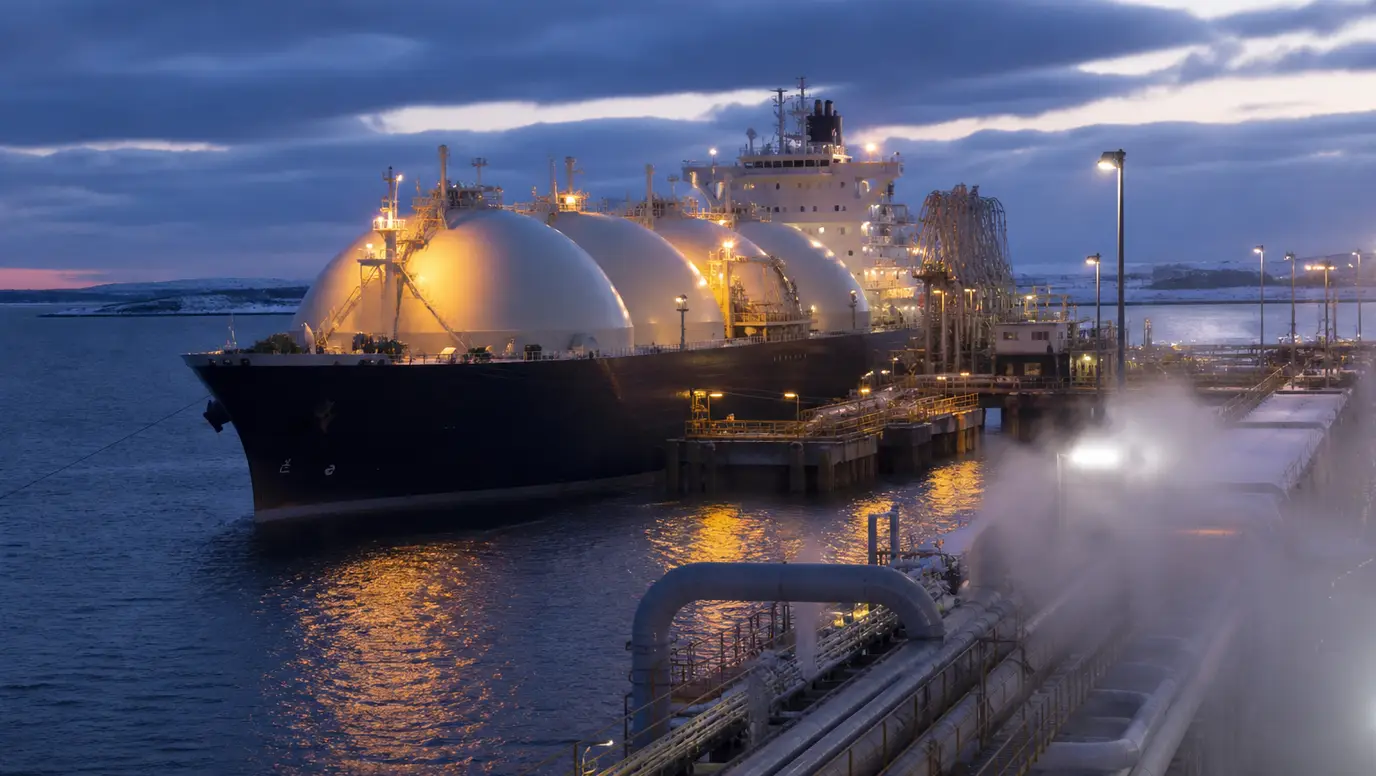
LNG Spot Prices Climb as Asia-Europe Winter Bidding War Reprices Energy Market RiskLNG spot prices stay elevated as Asia and Europe compete for winter cargoes, lifting risk premiums across the energy market.

© 1box.site 2026

JULY 23, 2026
Natural gas returned to the center of the energy market on Thursday as traders weighed a late-July demand rebound against still-comfortable U.S. inventories. The near-term tone has improved after hotter weather forecasts lifted expectations for air-conditioning load, especially across power-hungry southern states where gas-fired generation remains a key source of grid flexibility.
The move marks a shift from the defensive trade seen earlier in the week, when robust production and a large storage cushion kept Henry Hub prices under pressure. Instead of chasing the broader oil risk premium, gas traders are now focused on whether summer heat can slow injections enough to make the end-of-season inventory outlook less bearish.
Power-sector consumption is the main variable for the next phase of the natural gas trade. Hotter late-July conditions can quickly raise daily gas burn as utilities call on flexible generation to meet peak demand. That matters because the market entered summer with enough supply to absorb ordinary heat, but less room for a sustained run of above-normal temperatures in the largest consuming regions.
Texas remains an important watchpoint because record or near-record electricity demand can tighten regional balances even when national supply looks adequate. If high temperatures persist into early August, the market may begin to price a smaller storage surplus and a firmer floor under front-month futures.
The next weekly storage reading is likely to decide whether the rally has staying power. A smaller-than-expected injection would support the view that cooling demand is finally eroding the surplus, while a larger build would reinforce the argument that production remains strong enough to cap price spikes.
Traders are also watching LNG feedgas demand, which can amplify domestic price moves when export flows remain steady during periods of high U.S. power burn. For now, the market is treating LNG as a supportive background factor rather than the main driver, with weather and storage carrying more influence over short-term direction.
Despite the rebound, the upside case remains conditional. U.S. output has stayed resilient, and earlier summer storage levels gave the market a buffer against temporary heat waves. That means natural gas may need a combination of persistent cooling demand, stable LNG flows and below-normal injections to break decisively higher.
For energy investors, the key signal is whether the market starts shifting from a surplus narrative to a late-summer tightening narrative. Until that happens, price rallies may remain vulnerable to selling when weather models cool or storage data confirms that inventories are still rebuilding at a healthy pace.
OCTOBER 22, 2026
LNG Spot Prices Climb as Asia-Europe Winter Bidding War Reprices Energy Market Risk
OCTOBER 11, 2026
LNG Fuel Market Cools as Winter Energy Risk Keeps Buyers on Alert
OCTOBER 6, 2026
Distillate Fuel Squeeze Keeps Energy Market Alert as Diesel Margins Stay Elevated
SEPTEMBER 21, 2026
LNG Gas Prices Hit 45-Month High as Hormuz Risk Tightens Winter Supply
SEPTEMBER 13, 2026
Henry Hub Slips as Gas Storage Cushion Offsets Winter Demand Risk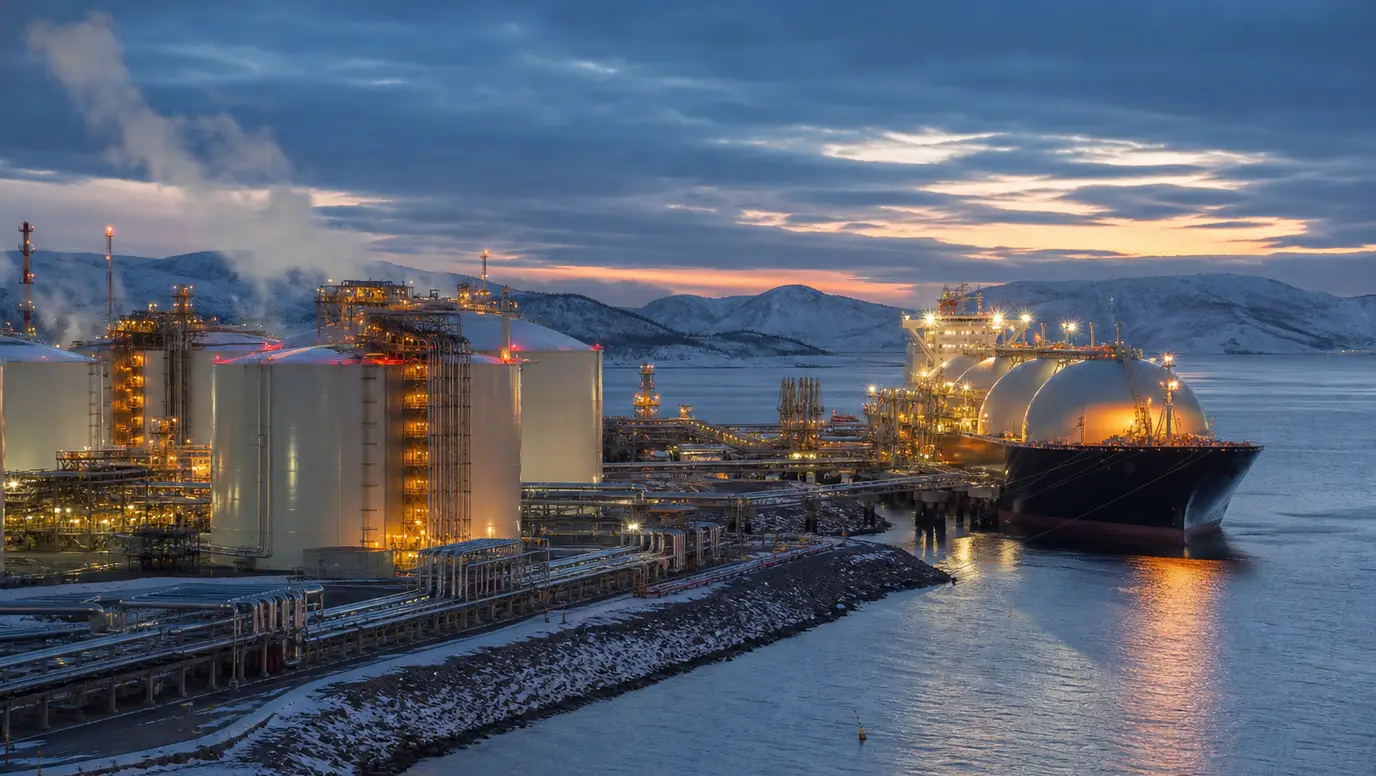
SEPTEMBER 8, 2026
Natural Gas Climbs as LNG Bidding Puts Energy Market on Winter Storage Watch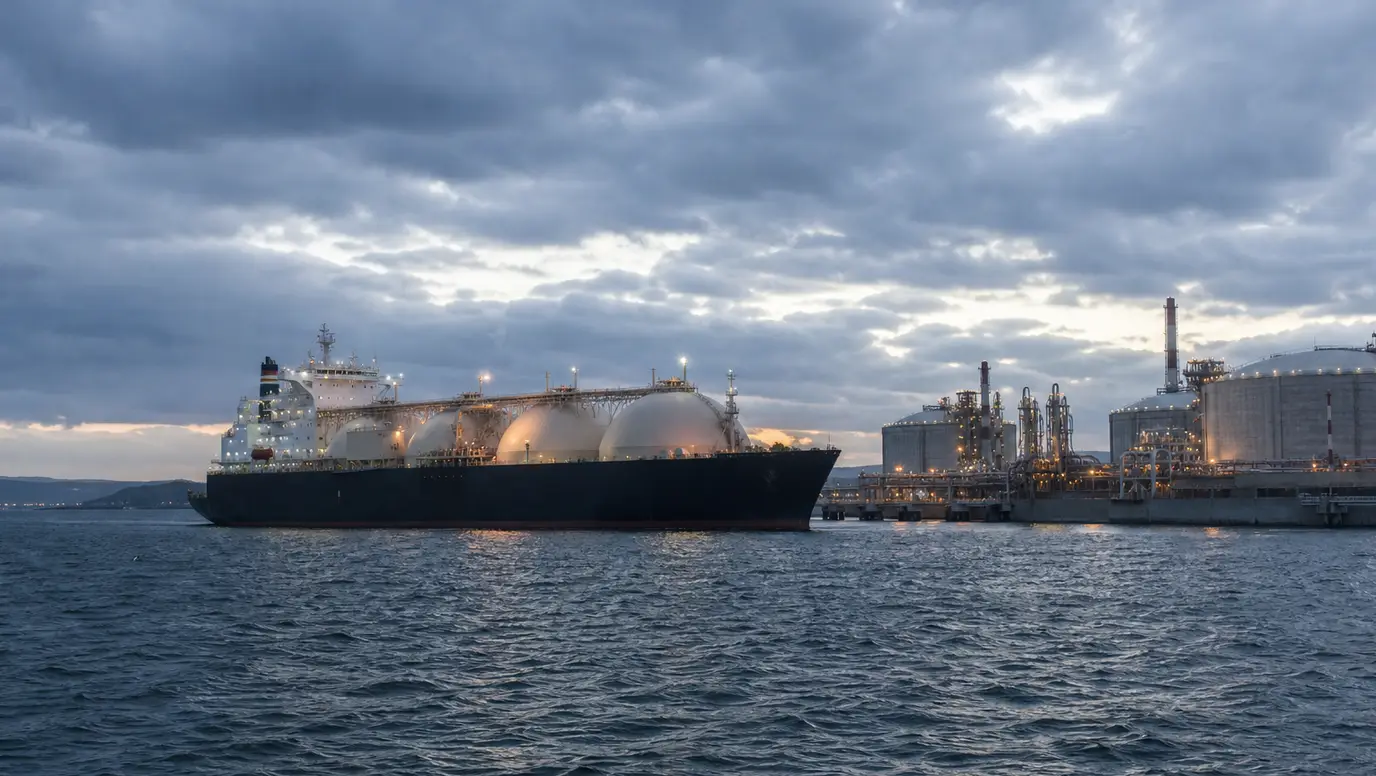
SEPTEMBER 2, 2026
Natural Gas Surge Lifts Energies as LNG Supply Fears Return
AUGUST 22, 2026
Natural Gas Storage Cushion Puts Energy Commodities on LNG Supply Watch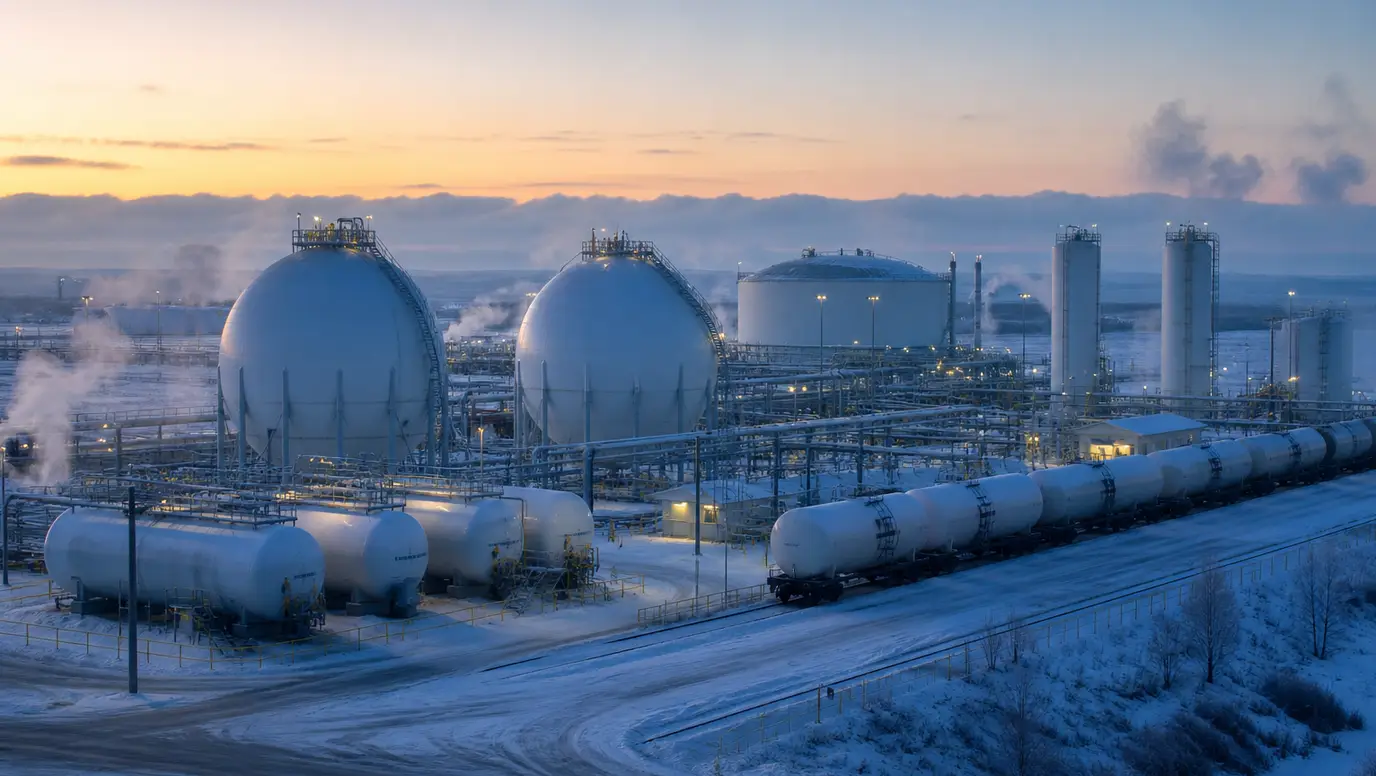
AUGUST 5, 2026
Propane Build Puts Energy Commodities on Winter Demand Watch
AUGUST 3, 2026
LNG Exports Surge Tests Natural Gas Commodities as Supply Risk Lingers
JULY 26, 2026
LNG Squeeze Pulls Energy Commodities Into Winter Risk Trade
JULY 25, 2026
Propane Build Puts Energies and Commodities on Summer Storage Watch
JULY 24, 2026
Brent Holds Above $100 as Red Sea Tanker Risk Resets Energy Market Outlook
JULY 21, 2026
LNG Supply Race Overtakes Oil as Gas Prices Jump on Hormuz Disruption
JULY 18, 2026
Brent Crude and WTI Crude Prices Near Weekend Gap Risk as Energy Market Reprices Supply Threat
JULY 16, 2026
LNG and Gas Prices Keep Energy Market on Edge as US Dollar Weakens
JULY 14, 2026
Oil Market Shifts to Bypass Routes as Hormuz Risk Keeps Brent Premium Elevated
JULY 12, 2026
Crude Oil Faces China Demand Test as Floating Iranian Supply Builds
JULY 11, 2026
Energy Market Watches Tanker Risk as Crude Oil Rally Meets Demand Doubts
JULY 10, 2026
Crude Oil Turns to Glut Risk as OPEC+ Adds August Supply
JULY 9, 2026
Brent Nears $79 as Renewed Gulf Risk Rebuilds Crude Oil Premium
JULY 8, 2026
Crude Oil Faces Mixed Signal as U.S. Stock Build Collides With Fuel Draws
JULY 7, 2026
LNG Tightness Puts Energy Market on Storage Watch as European Gas Jumps
JULY 6, 2026
Crude Oil Slips as Hormuz Flows Normalize and Inventory Test Moves Into View
JULY 5, 2026
OPEC+ Output Hike Turns Energy Market Focus to Real Barrels as Brent Holds Near $72
JULY 4, 2026
Brent Holds Near $72 as OPEC+ August Supply Decision Tests Oil Market Floor
JULY 3, 2026
WTI Holds Near $68 as U.S. Stock Draws Challenge Oil Glut Narrative
JULY 2, 2026
Brent Slides Toward $70 as Iran Risk Premium Fades in Thin Holiday Trade
JUNE 30, 2026
Natural Gas Rally Outruns Softer Oil as Heat and LNG Demand Split Energy Market
JUNE 28, 2026
WTI Bulls Face Inventory Split as Brent Loses War Premium Before Quarter-End