
OCTOBER 5, 2026
Henry Hub Natural Gas Holds Near $3 as LNG Demand Tightens Energy MarketNatural gas steadies near $3 as LNG feedgas demand, cooler forecasts and a smaller storage surplus reshape the energy market outlook.

© 1box.site 2026

MAY 22, 2026
U.S. natural gas prices came under renewed pressure as traders absorbed a larger weekly storage injection and reassessed the strength of early-summer demand. The latest inventory update showed working gas in underground storage rising by 101 billion cubic feet for the week ended May 15, lifting total stocks to 2,391 billion cubic feet.
The build reinforced the view that the domestic gas market remains comfortably supplied heading into the Memorial Day period. Inventories stood 33 billion cubic feet above the same week last year and 149 billion cubic feet above the five-year average, leaving traders with less urgency to price in a near-term shortage despite the approach of peak cooling demand.
The move contrasted with the broader volatility across energy markets, where crude oil continued to react sharply to Middle East diplomacy and supply-risk headlines. In gas, however, the day’s focus was more local: storage levels, weather forecasts and liquefied natural gas feedgas flows.
The size of the injection mattered because it arrived after several weeks in which bulls had expected stronger power-sector demand and export flows to tighten the balance. Instead, the latest data suggested that production and mild shoulder-season consumption are still allowing storage operators to rebuild inventories at a healthy pace.
Regional figures also pointed to broad-based additions. Storage rose in the East, Midwest and South Central regions, while western inventories remained notably above normal in percentage terms. That distribution reduces the risk of an immediate regional squeeze and gives utilities a more comfortable cushion before hotter summer weather becomes persistent.
For futures traders, the surplus changes the burden of proof. A brief heat wave may no longer be enough to sustain a rally unless it is accompanied by stronger LNG demand or a clear slowdown in domestic output. Without that combination, rallies are likely to face selling from producers, utilities and short-term traders who see above-average inventories as a buffer against supply stress.
Export demand remains an important bullish argument for the U.S. gas market, but recent maintenance at major liquefaction facilities has reduced some of that support. Feedgas flows have been softer than the record levels seen earlier in the spring, limiting the amount of gas pulled away from the domestic system.
That matters because LNG exports have become one of the main swing factors for U.S. gas pricing. When export terminals run near capacity, they can tighten the domestic balance quickly. When maintenance or operational ramp-ups slow flows, more supply remains available for storage, especially during periods of mild weather.
Traders are watching whether export demand recovers as maintenance winds down and new capacity continues to ramp. A sustained rebound in feedgas nominations would make the storage surplus less comfortable, particularly if hotter forecasts lift power burns across Texas, the Southeast and the Mid-Atlantic.
The next test for the market is weather. Forecasts calling for cooler or moderate temperatures through parts of the holiday weekend reduce immediate air-conditioning demand, but any shift toward widespread heat could quickly revive buying interest. Power-sector consumption typically becomes more decisive in June, when cooling loads begin to compete with ongoing storage injections.
Still, the current setup leaves natural gas in a cautious range. Bulls can point to export growth, resilient industrial demand and the possibility of hotter weather. Bears can counter with strong inventories, recovering production and evidence that the market is still injecting gas faster than normal for this stage of the season.
Until one side gains a clearer advantage, price action is likely to remain sensitive to weekly storage surprises. Another triple-digit injection would strengthen the bearish case, while a smaller-than-expected build could suggest that summer demand is finally starting to absorb excess supply.
OCTOBER 5, 2026
Henry Hub Natural Gas Holds Near $3 as LNG Demand Tightens Energy Market
SEPTEMBER 29, 2026
U.S. Natural Gas Holds Near $3 as LNG Demand and Storage Risk Split Energy Market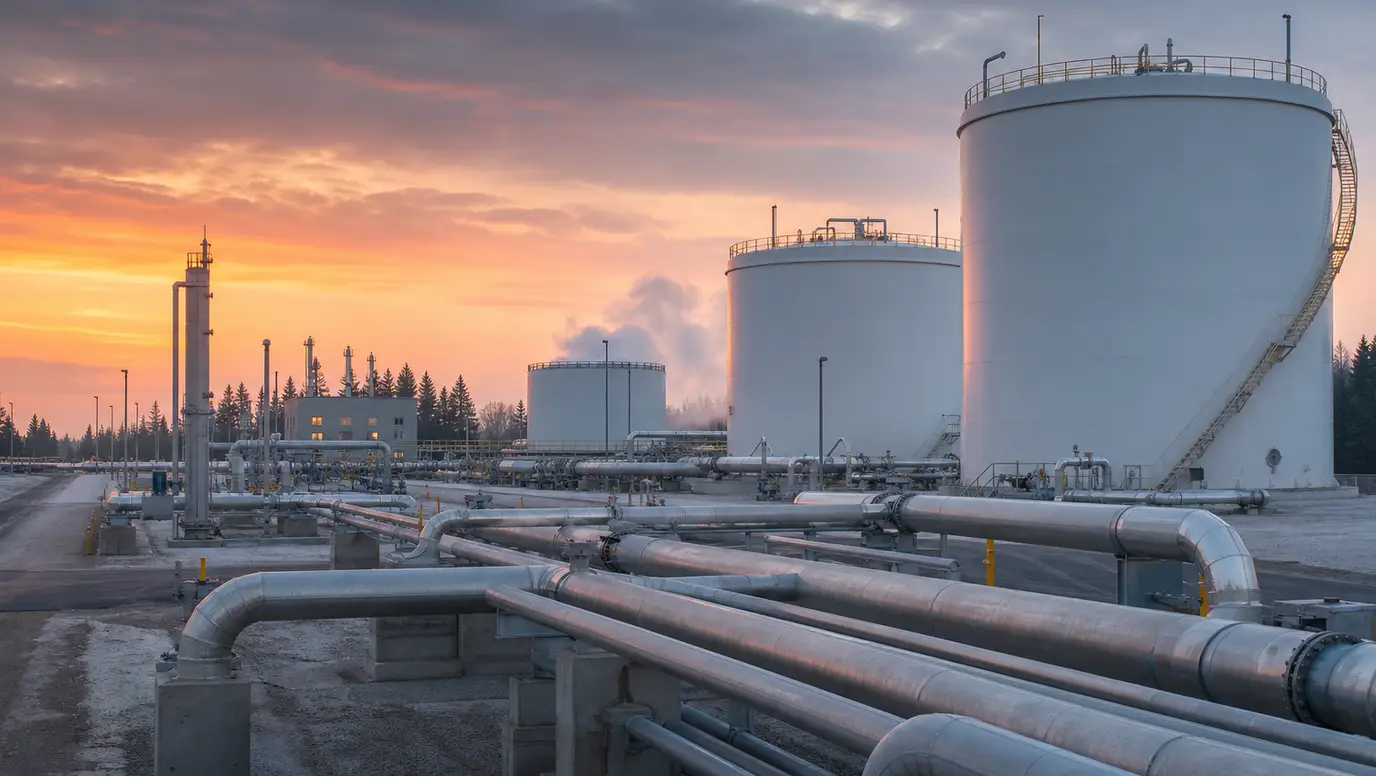
SEPTEMBER 25, 2026
Henry Hub Natural Gas Futures Slip as Storage Build Caps Energy Market Rally
SEPTEMBER 21, 2026
LNG Gas Prices Hit 45-Month High as Hormuz Risk Tightens Winter Supply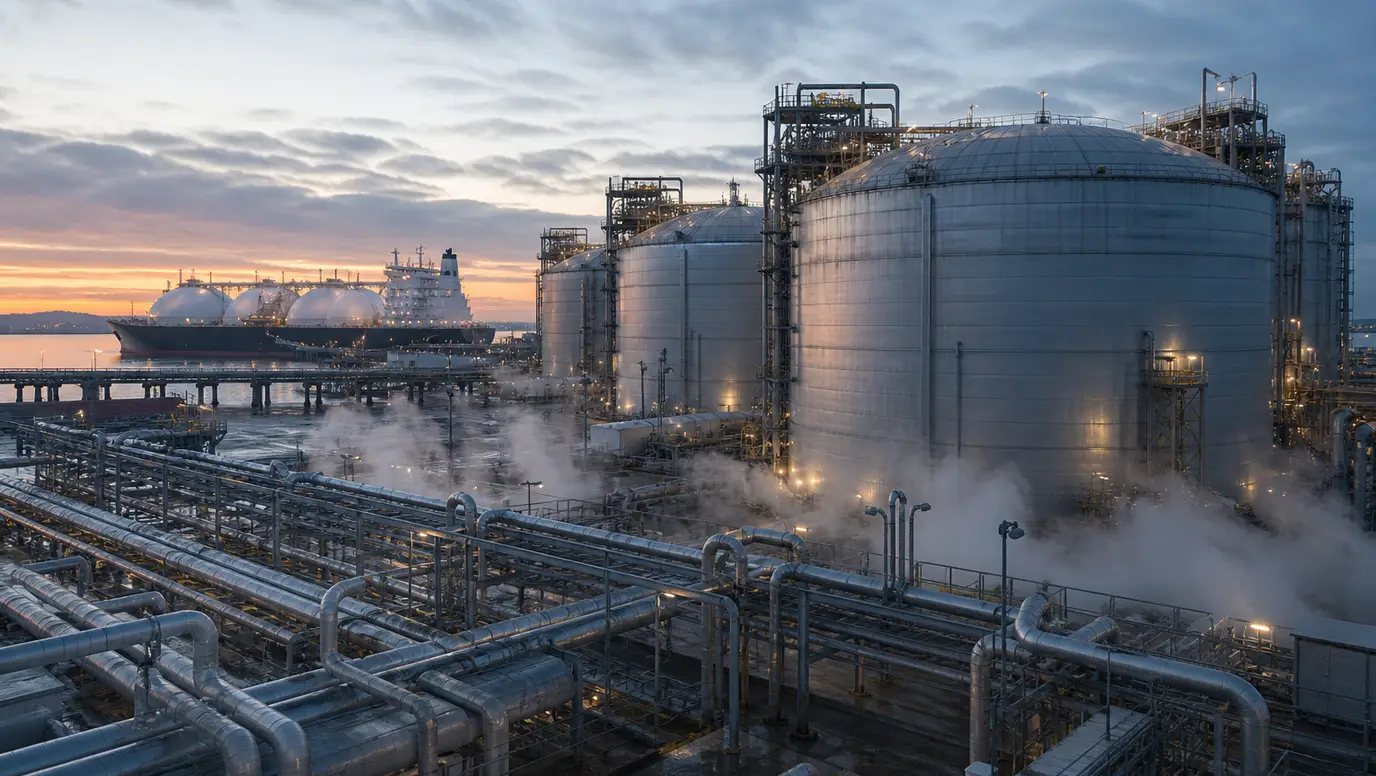
SEPTEMBER 18, 2026
Natural Gas Futures Fade as LNG Feedgas Drop Offsets Lean Storage Build
SEPTEMBER 13, 2026
Henry Hub Slips as Gas Storage Cushion Offsets Winter Demand Risk
SEPTEMBER 8, 2026
Natural Gas Climbs as LNG Bidding Puts Energy Market on Winter Storage Watch
SEPTEMBER 2, 2026
Natural Gas Surge Lifts Energies as LNG Supply Fears Return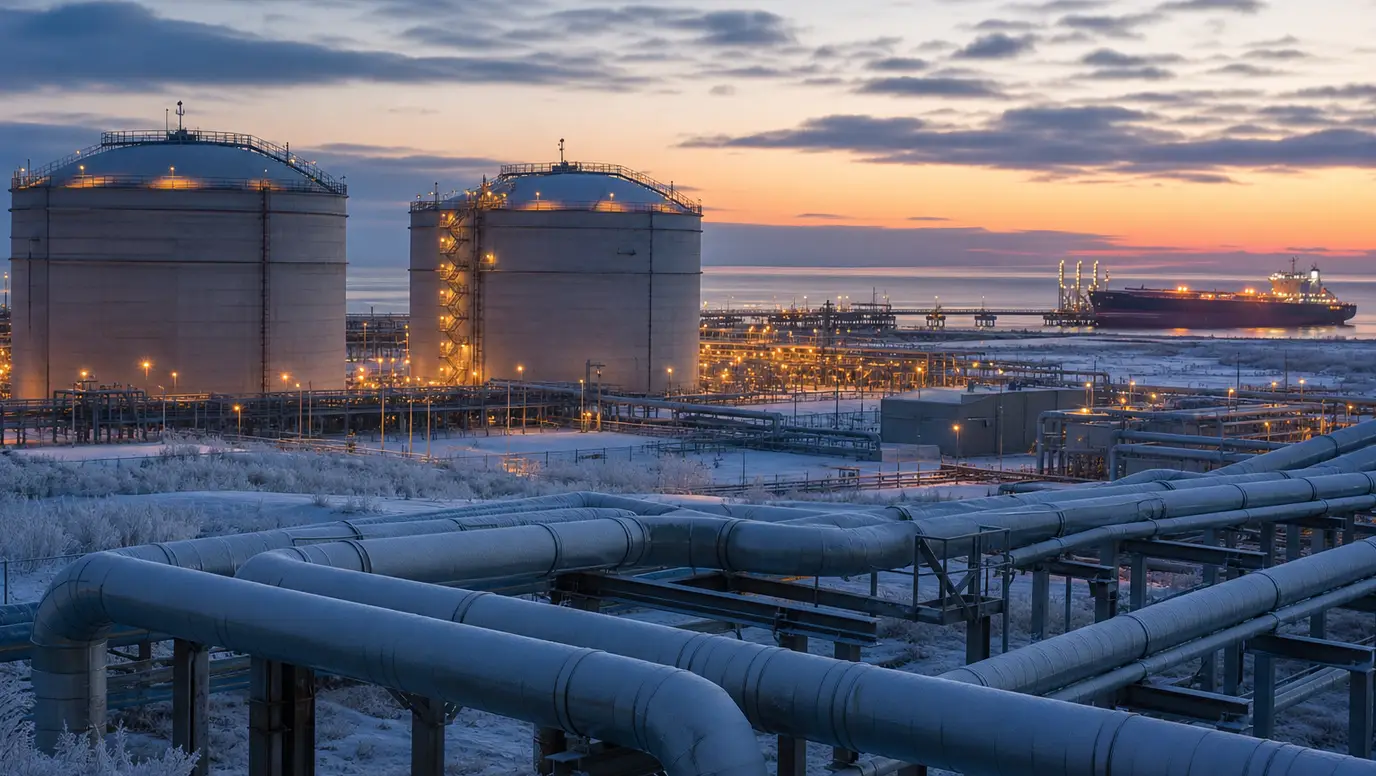
AUGUST 28, 2026
Natural Gas Storage Build Puts Henry Hub on LNG Supply Watch
AUGUST 22, 2026
Natural Gas Storage Cushion Puts Energy Commodities on LNG Supply Watch
AUGUST 16, 2026
LNG Maintenance Puts Natural Gas and Henry Hub on Storage Watch
AUGUST 12, 2026
Texas Power Demand Reset Cools Energy Market as Natural Gas and Solar Lead Supply Growth
AUGUST 8, 2026
Natural Gas Storage Cushion Keeps Henry Hub Under LNG Maintenance Pressure
AUGUST 3, 2026
LNG Exports Surge Tests Natural Gas Commodities as Supply Risk Lingers
AUGUST 1, 2026
Natural Gas Storage Surplus Tests Henry Hub Rally as Power Demand Climbs
JULY 26, 2026
LNG Squeeze Pulls Energy Commodities Into Winter Risk Trade
JULY 23, 2026
Natural Gas Rally Faces Storage Test as Cooling Demand Tightens Energy Market
JULY 21, 2026
LNG Supply Race Overtakes Oil as Gas Prices Jump on Hormuz Disruption
JULY 16, 2026
LNG and Gas Prices Keep Energy Market on Edge as US Dollar Weakens
JULY 7, 2026
LNG Tightness Puts Energy Market on Storage Watch as European Gas Jumps
JUNE 30, 2026
Natural Gas Rally Outruns Softer Oil as Heat and LNG Demand Split Energy Market
JUNE 26, 2026
LNG Demand Puts U.S. Gas Market on Alert as Crude Oil Premium Fades
JUNE 13, 2026
Natural Gas Rally Stalls as Storage Build Offsets LNG Demand Hopes
JUNE 5, 2026
LNG Demand and Summer Power Burn Put Natural Gas Back at the Center of Energy Market Trade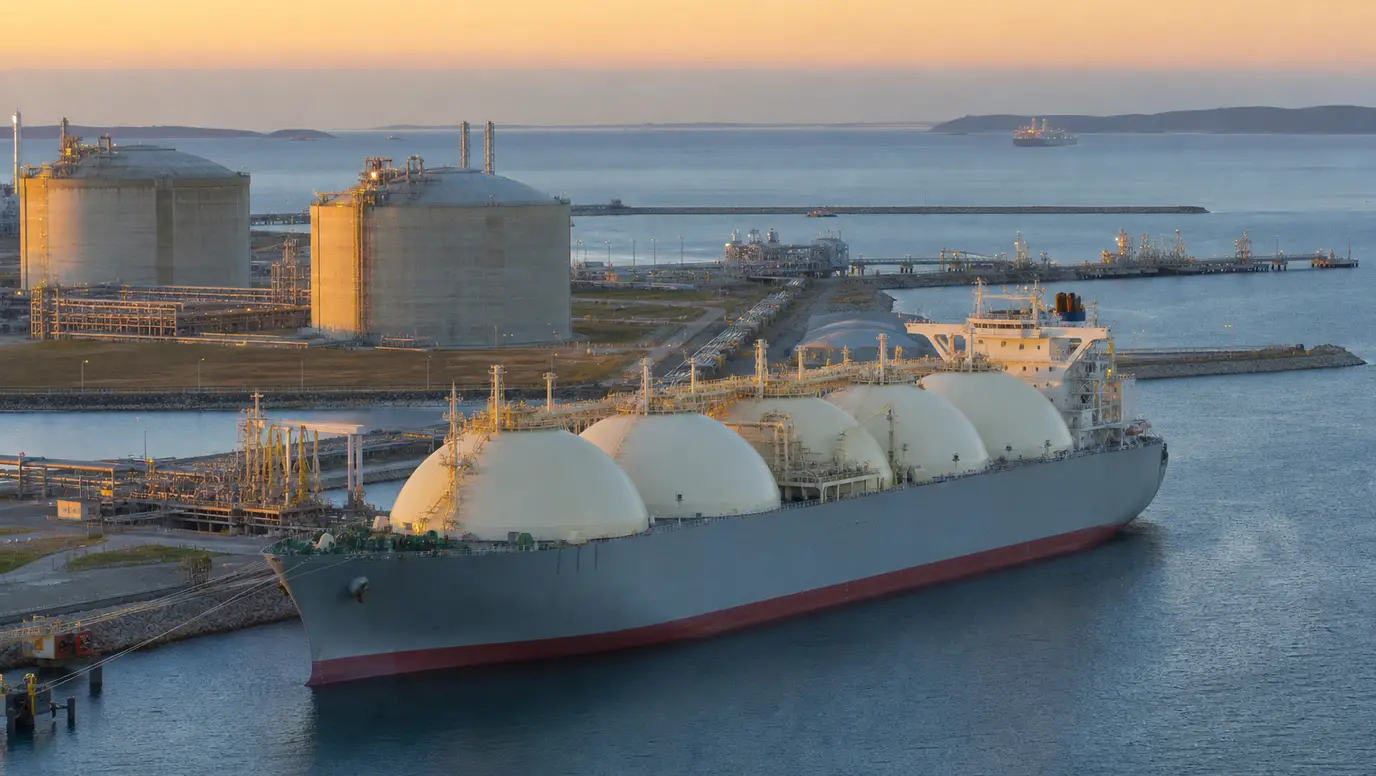
MAY 30, 2026
LNG Squeeze Keeps Energy Market on Edge as Summer Demand Nears