
OCTOBER 5, 2026
Henry Hub Natural Gas Holds Near $3 as LNG Demand Tightens Energy MarketNatural gas steadies near $3 as LNG feedgas demand, cooler forecasts and a smaller storage surplus reshape the energy market outlook.

© 1box.site 2026

JUNE 13, 2026
Natural gas has become the livelier corner of the energy market as traders look beyond the latest oil-led geopolitical swings and focus on whether summer power demand can absorb a faster U.S. storage rebuild. After a recent push toward multi-week highs, gas futures lost momentum as fresh weekly inventory data showed a larger-than-expected injection into underground storage.
The latest U.S. storage update showed inventories rising by more than market expectations for the week ended June 5. That matters because the market had been pricing in stronger cooling demand, resilient feedgas flows to export terminals, and the possibility that global LNG tightness would keep U.S. gas linked to overseas fuel risk. Instead, the bigger build reminded traders that domestic supply remains ample enough to challenge rallies when weather demand is not extreme.
The storage surprise shifted the near-term debate from scarcity toward balance. Working gas inventories remain close enough to normal seasonal levels to reduce the urgency for aggressive buying, particularly if production holds firm and injections continue at a healthy pace through the second half of June.
For bulls, the constructive argument is still visible: summer heat can lift power-sector gas burn quickly, and LNG exports continue to provide a structural demand floor. However, the market is showing less willingness to reward that story without evidence of sustained above-normal temperatures or a clearer rebound in export terminal utilization following maintenance.
For bears, the larger injection strengthens the case that U.S. supply is still responsive. Official projections continue to point to record dry gas output in 2026 and further growth in 2027, leaving the market sensitive to any sign that demand is falling short. In that environment, rallies can fade quickly when storage data shows more gas moving into caverns than expected.
LNG remains the key bridge between the domestic gas market and global energy stress. Maintenance at major export facilities has weighed on sentiment because lower feedgas demand can leave more supply inside the United States, softening the domestic balance even when international LNG prices remain supported by geopolitical and shipping risks.
The next phase of the trade will likely depend on two signals: whether LNG feedgas flows recover as maintenance winds down, and whether U.S. weather models confirm stronger cooling demand across high-consumption regions. A recovery in either factor could help stabilize prices, while continued storage builds above expectations would keep pressure on the front-month contract.
The broader energy market is also rotating as crude oil risk premium eases on hopes for diplomatic progress in the Middle East. That has reduced some of the panic bid across fuels, but it has not removed the importance of gas. Power demand, LNG flows, and storage levels are now becoming a more important test of whether energy prices can hold firm without a fresh oil shock.
For investors, the message is that natural gas is still trading as a weather-and-inventory market rather than a simple geopolitical hedge. A hotter forecast or stronger LNG pull could revive upside momentum, but the latest storage build shows that supply discipline remains the missing ingredient for a durable breakout.
OCTOBER 5, 2026
Henry Hub Natural Gas Holds Near $3 as LNG Demand Tightens Energy Market
SEPTEMBER 29, 2026
U.S. Natural Gas Holds Near $3 as LNG Demand and Storage Risk Split Energy Market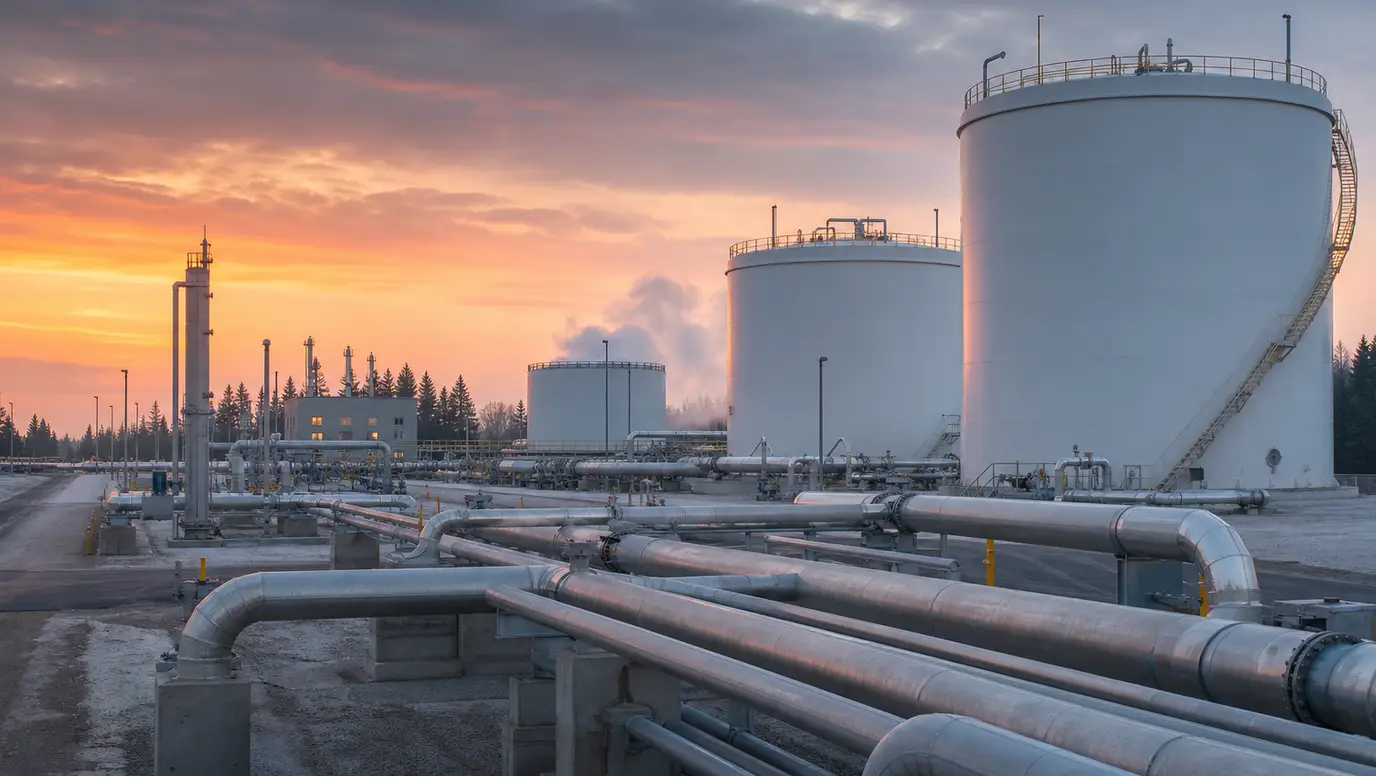
SEPTEMBER 25, 2026
Henry Hub Natural Gas Futures Slip as Storage Build Caps Energy Market Rally
SEPTEMBER 21, 2026
LNG Gas Prices Hit 45-Month High as Hormuz Risk Tightens Winter Supply
SEPTEMBER 18, 2026
Natural Gas Futures Fade as LNG Feedgas Drop Offsets Lean Storage Build
SEPTEMBER 13, 2026
Henry Hub Slips as Gas Storage Cushion Offsets Winter Demand Risk
SEPTEMBER 8, 2026
Natural Gas Climbs as LNG Bidding Puts Energy Market on Winter Storage Watch
SEPTEMBER 2, 2026
Natural Gas Surge Lifts Energies as LNG Supply Fears Return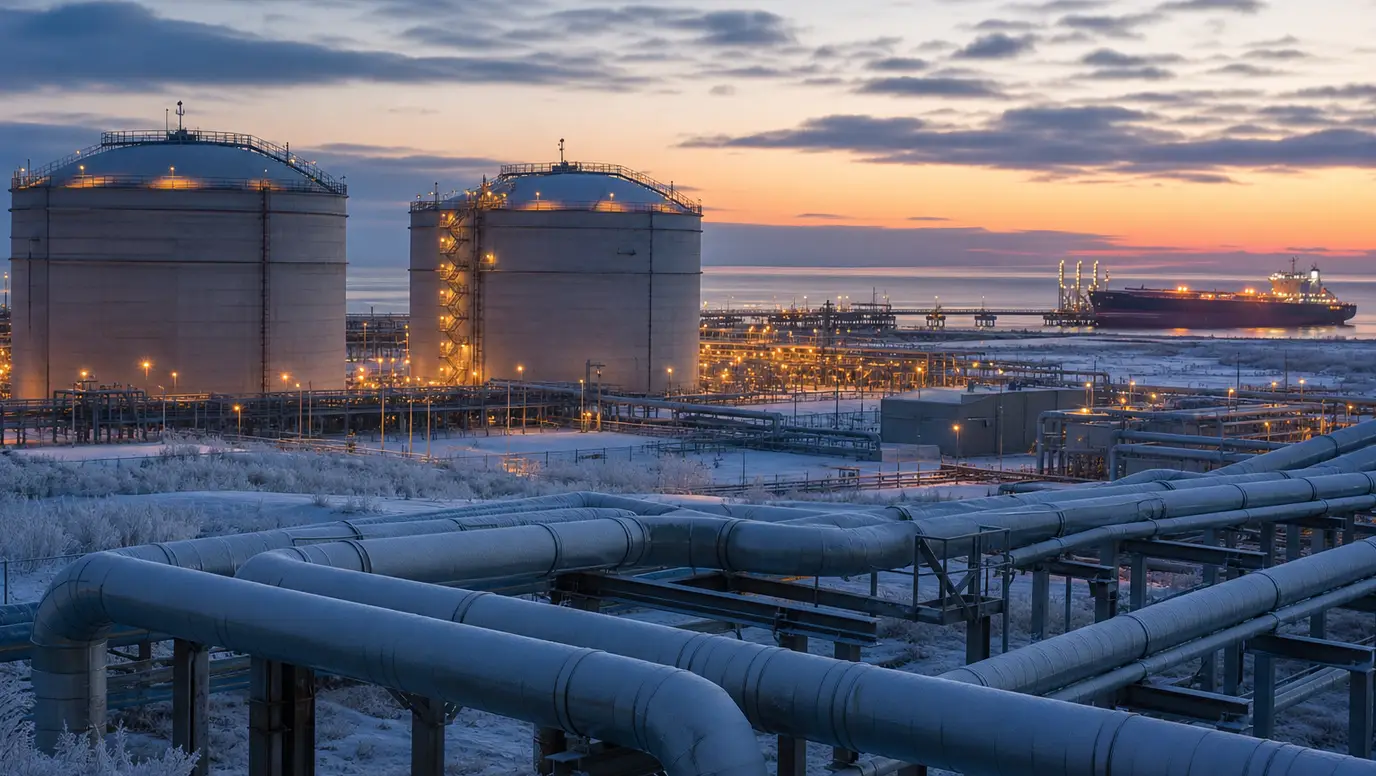
AUGUST 28, 2026
Natural Gas Storage Build Puts Henry Hub on LNG Supply Watch
AUGUST 22, 2026
Natural Gas Storage Cushion Puts Energy Commodities on LNG Supply Watch
AUGUST 16, 2026
LNG Maintenance Puts Natural Gas and Henry Hub on Storage Watch
AUGUST 12, 2026
Texas Power Demand Reset Cools Energy Market as Natural Gas and Solar Lead Supply Growth
AUGUST 8, 2026
Natural Gas Storage Cushion Keeps Henry Hub Under LNG Maintenance Pressure
AUGUST 3, 2026
LNG Exports Surge Tests Natural Gas Commodities as Supply Risk Lingers
AUGUST 1, 2026
Natural Gas Storage Surplus Tests Henry Hub Rally as Power Demand Climbs
JULY 26, 2026
LNG Squeeze Pulls Energy Commodities Into Winter Risk Trade
JULY 23, 2026
Natural Gas Rally Faces Storage Test as Cooling Demand Tightens Energy Market
JULY 21, 2026
LNG Supply Race Overtakes Oil as Gas Prices Jump on Hormuz Disruption
JULY 16, 2026
LNG and Gas Prices Keep Energy Market on Edge as US Dollar Weakens
JULY 7, 2026
LNG Tightness Puts Energy Market on Storage Watch as European Gas Jumps
JUNE 30, 2026
Natural Gas Rally Outruns Softer Oil as Heat and LNG Demand Split Energy Market
JUNE 26, 2026
LNG Demand Puts U.S. Gas Market on Alert as Crude Oil Premium Fades
JUNE 5, 2026
LNG Demand and Summer Power Burn Put Natural Gas Back at the Center of Energy Market Trade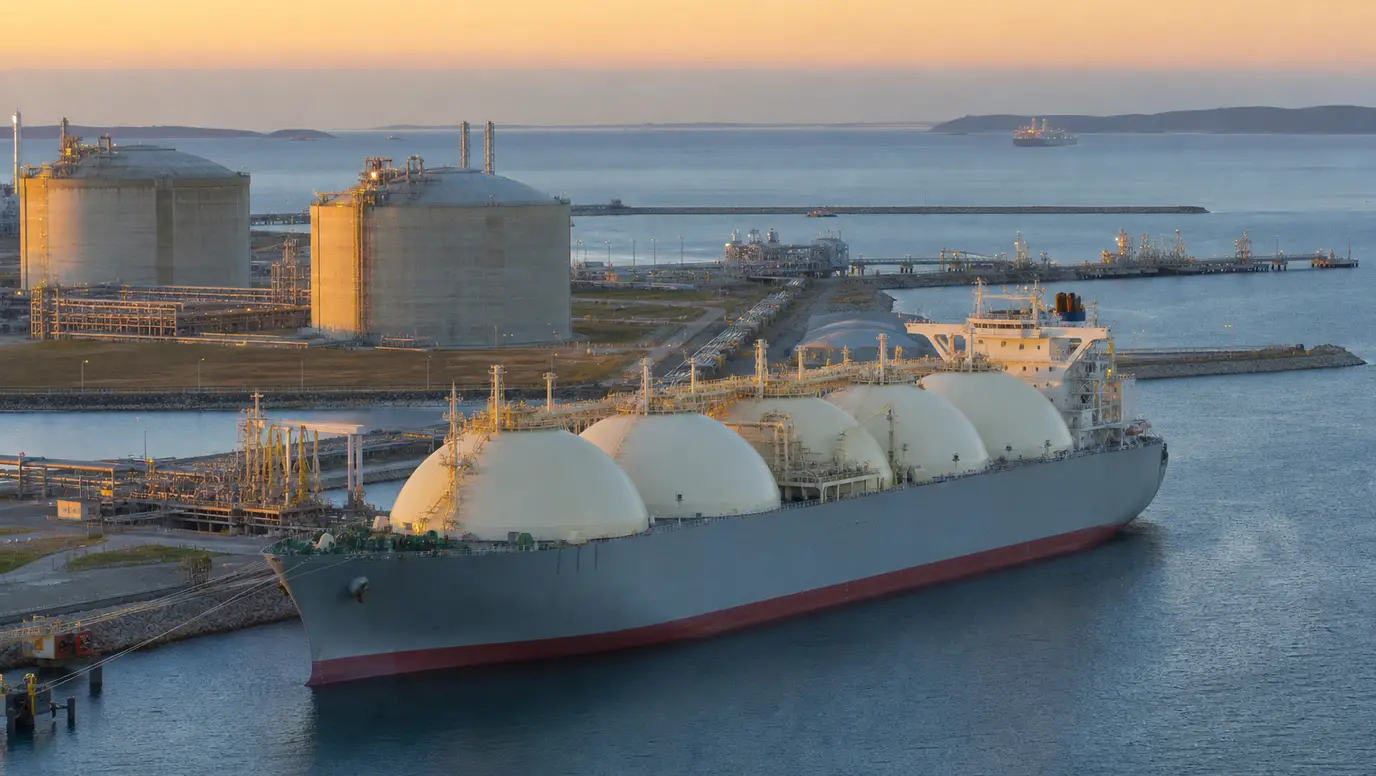
MAY 30, 2026
LNG Squeeze Keeps Energy Market on Edge as Summer Demand Nears
MAY 22, 2026
Natural Gas Slips as Larger Storage Build Cools Summer Demand Bets