
OCTOBER 5, 2026
Henry Hub Natural Gas Holds Near $3 as LNG Demand Tightens Energy MarketNatural gas steadies near $3 as LNG feedgas demand, cooler forecasts and a smaller storage surplus reshape the energy market outlook.

© 1box.site 2026

JUNE 26, 2026
Fresh energy market activity is shifting toward U.S. natural gas after the latest storage update showed inventories still comfortable but no longer loose enough to erase concern over summer demand and export flows. The result is a more balanced gas market narrative: traders are no longer looking only at above-average stockpiles, but also at the pull from LNG terminals, power-sector cooling demand and the pace of associated gas supply from oil-producing regions.
The latest weekly storage figures showed Lower 48 working gas at 2,835 billion cubic feet for the week ended June 19, up 76 billion cubic feet from the prior week. Stocks were 152 billion cubic feet above the five-year average, but 49 billion cubic feet below the same period last year. That mix leaves the market well supplied, yet less clearly bearish than earlier in the injection season.
The contrast with crude oil is important. Oil has been losing part of the geopolitical risk premium that dominated trading earlier this month, while U.S. product and crude data continue to show a complicated summer balance. Refineries ran at high utilization in the latest weekly period, crude inventories fell by 6.1 million barrels to 412.1 million barrels, and gasoline stocks rose even as implied gasoline demand softened. For gas traders, that has reinforced the idea that the strongest near-term energy story may be in demand-linked gas pricing rather than another broad oil-led rally.
Natural gas inventories remain above normal for late June, which should keep a ceiling on aggressive bullish pricing unless weather or exports surprise. The regional breakdown also matters. The South Central region, which is closely watched because of its connection to Gulf Coast demand and LNG feedgas flows, held 1,066 billion cubic feet, only slightly above its five-year average and still below last year’s level. Salt storage, often more responsive to short-term market needs, showed no net weekly build.
That detail helps explain why the market is treating the 76 billion cubic foot injection as constructive rather than purely bearish. A build of that size adds supply, but it does not remove the risk that hotter weather, steady power burn and firm LNG feedgas demand could reduce the pace of injections during July. In a market already watching export terminals closely, a few weeks of smaller-than-expected builds could quickly change sentiment.
Production trends add another layer. Growth in Permian gas output has been stronger than crude growth in recent years, helped by rising gas-to-oil ratios as mature reservoirs produce more gas per barrel of oil. That creates a structural supply source for the U.S. market, but it also links gas balances to oilfield economics, pipeline capacity and regional takeaway constraints. If crude prices soften enough to slow drilling plans, traders may begin to question whether associated gas growth can keep offsetting stronger LNG and power demand.
LNG remains the key bridge between U.S. domestic gas fundamentals and global energy stress. Export demand has been supported by strong overseas buying interest and by the continuing need for flexible supply outside disrupted trade routes. Even when domestic storage looks adequate, high utilization at liquefaction terminals can tighten the marginal balance because every additional cargo competes with power generators, industrial users and storage operators for supply.
This is why the gas market has not simply followed crude lower. Oil prices are being repriced as traders reassess transit risk, supply recovery and refinery margins. Natural gas, by contrast, is responding to a more localized combination of heat, storage levels and export infrastructure. The U.S. benchmark can remain supported even when Brent and WTI weaken, especially if LNG feedgas demand stays resilient into peak summer cooling season.
For energy investors, the next test is whether upcoming storage reports confirm that inventories can keep expanding at a comfortable pace. A string of injections near or above normal would limit upside and keep the market focused on abundant supply. Smaller builds would place LNG demand back at the center of the price debate and could force traders to reassess whether above-average storage is enough protection against a hotter July.
The broader energy market is therefore becoming less one-dimensional. Crude oil is still sensitive to geopolitical headlines, refinery runs and product demand, but gas is developing its own catalyst set. With storage above average but year-on-year supply lower, LNG flows and weather forecasts are likely to drive the next phase of trading more than the fading oil war premium.
OCTOBER 5, 2026
Henry Hub Natural Gas Holds Near $3 as LNG Demand Tightens Energy Market
SEPTEMBER 29, 2026
U.S. Natural Gas Holds Near $3 as LNG Demand and Storage Risk Split Energy Market
SEPTEMBER 25, 2026
Henry Hub Natural Gas Futures Slip as Storage Build Caps Energy Market Rally
SEPTEMBER 21, 2026
LNG Gas Prices Hit 45-Month High as Hormuz Risk Tightens Winter Supply
SEPTEMBER 18, 2026
Natural Gas Futures Fade as LNG Feedgas Drop Offsets Lean Storage Build
SEPTEMBER 13, 2026
Henry Hub Slips as Gas Storage Cushion Offsets Winter Demand Risk
SEPTEMBER 8, 2026
Natural Gas Climbs as LNG Bidding Puts Energy Market on Winter Storage Watch
SEPTEMBER 2, 2026
Natural Gas Surge Lifts Energies as LNG Supply Fears Return
AUGUST 28, 2026
Natural Gas Storage Build Puts Henry Hub on LNG Supply Watch
AUGUST 22, 2026
Natural Gas Storage Cushion Puts Energy Commodities on LNG Supply Watch
AUGUST 16, 2026
LNG Maintenance Puts Natural Gas and Henry Hub on Storage Watch
AUGUST 12, 2026
Texas Power Demand Reset Cools Energy Market as Natural Gas and Solar Lead Supply Growth
AUGUST 8, 2026
Natural Gas Storage Cushion Keeps Henry Hub Under LNG Maintenance Pressure
AUGUST 3, 2026
LNG Exports Surge Tests Natural Gas Commodities as Supply Risk Lingers
AUGUST 1, 2026
Natural Gas Storage Surplus Tests Henry Hub Rally as Power Demand Climbs
JULY 26, 2026
LNG Squeeze Pulls Energy Commodities Into Winter Risk Trade
JULY 23, 2026
Natural Gas Rally Faces Storage Test as Cooling Demand Tightens Energy Market
JULY 21, 2026
LNG Supply Race Overtakes Oil as Gas Prices Jump on Hormuz Disruption
JULY 16, 2026
LNG and Gas Prices Keep Energy Market on Edge as US Dollar Weakens
JULY 7, 2026
LNG Tightness Puts Energy Market on Storage Watch as European Gas Jumps
JUNE 30, 2026
Natural Gas Rally Outruns Softer Oil as Heat and LNG Demand Split Energy Market
JUNE 13, 2026
Natural Gas Rally Stalls as Storage Build Offsets LNG Demand Hopes
JUNE 5, 2026
LNG Demand and Summer Power Burn Put Natural Gas Back at the Center of Energy Market Trade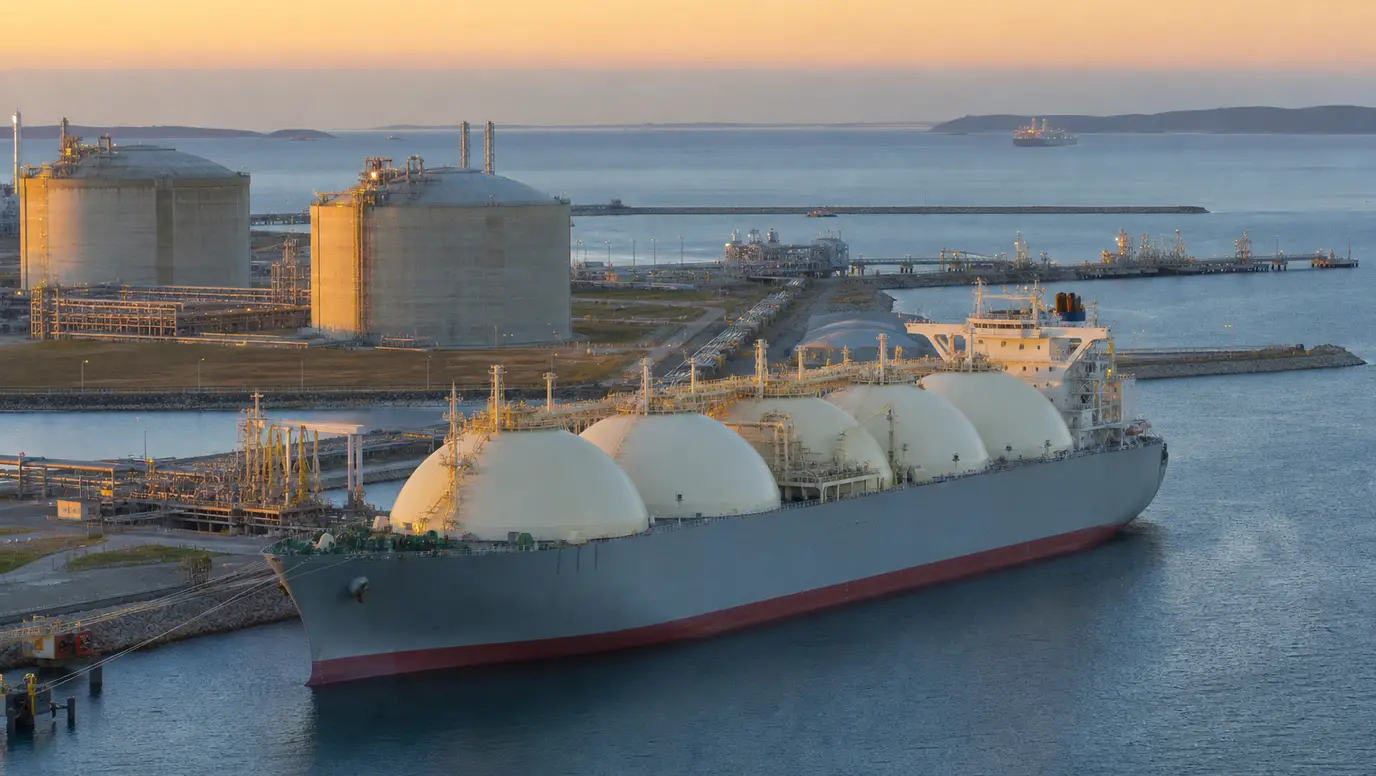
MAY 30, 2026
LNG Squeeze Keeps Energy Market on Edge as Summer Demand Nears
MAY 22, 2026
Natural Gas Slips as Larger Storage Build Cools Summer Demand Bets