
OCTOBER 27, 2026
Natural Gas Energy Market Slides as Warm Forecasts and EQT-Range Deal Reset Henry HubNatural gas futures weaken as mild U.S. weather, storage comfort and the EQT-Range deal reshape Henry Hub sentiment before expiry.

© 1box.site 2026
NOVEMBER 2, 2026
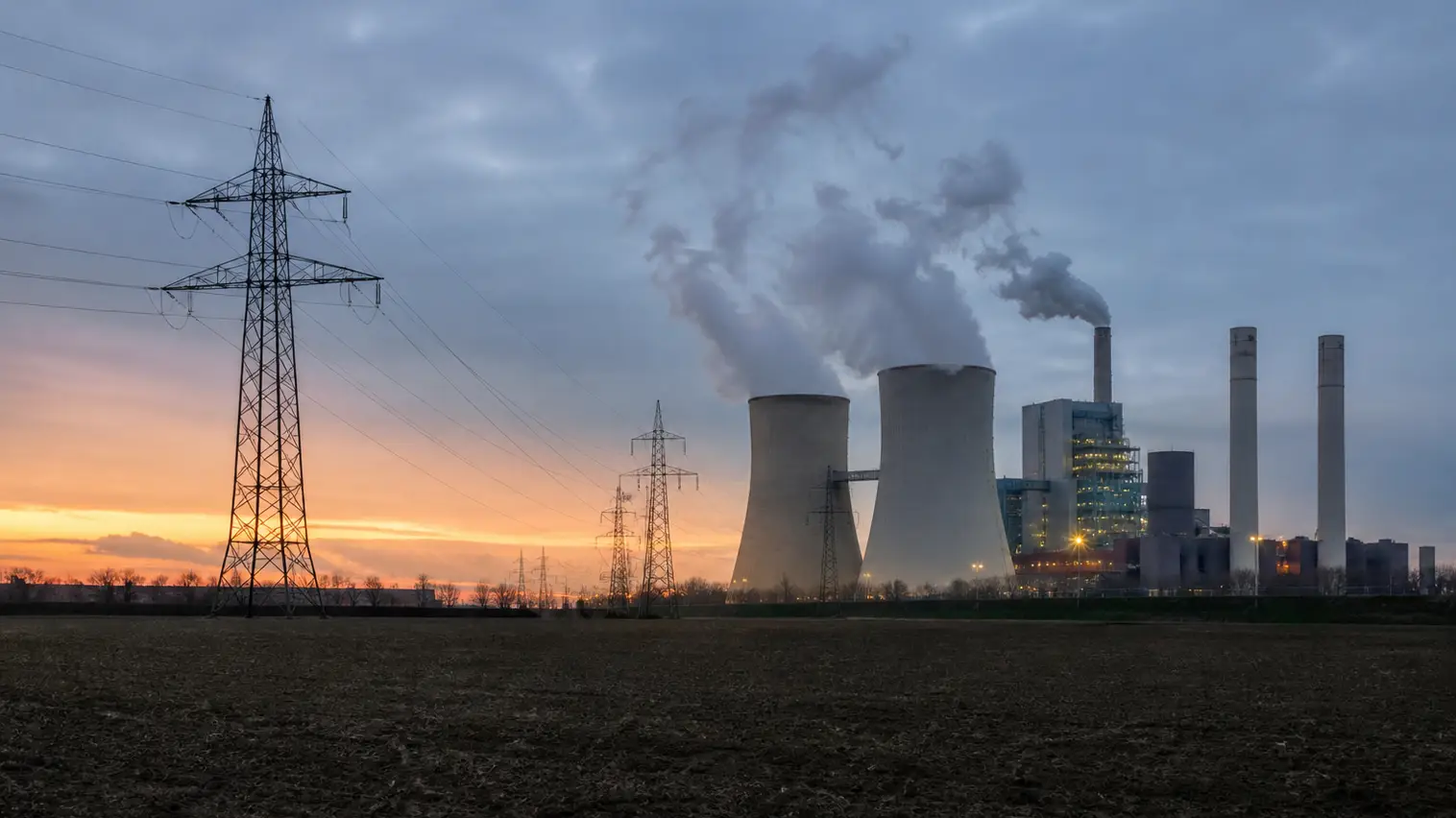
The natural gas energy market is starting November with a divided signal: near-term weather is limiting heating demand, while a strengthening El Niño pattern is raising questions about winter power reliability and backup fuel use across the U.S. grid.
Henry Hub pricing remains broadly anchored near the $3 per million British thermal units area, reflecting a market that is not short of supply at the start of the withdrawal season. Recent trading has been shaped by mild forecasts across major consuming regions, softer power burn and storage levels that appear comfortable by seasonal standards.
That calm could be tested if winter weather becomes more disruptive or if renewable generation underperforms during periods of peak load. The current El Niño setup is drawing attention because it can alter regional temperature, precipitation, hydropower and solar output patterns, potentially increasing the role of gas-fired generation as a balancing source.
Natural gas futures have struggled to build a sustained rally because inventories remain the market’s main bearish counterweight. Traders entered November focused on whether late-season injections would extend the storage cushion before colder weather begins to pull gas from underground facilities.
A storage buffer does not remove winter risk, but it gives utilities and industrial buyers more flexibility. For now, the market is treating each cold forecast revision as a test rather than a confirmed turning point. That has kept rallies vulnerable to profit-taking whenever temperature models revert toward normal or above-normal conditions.
LNG demand remains an important floor for the market, with export facilities continuing to pull U.S. supply into global trade flows. However, export demand alone has not been enough to offset the bearish impact of mild domestic weather and solid production. The balance leaves Henry Hub highly sensitive to changes in heating degree days, pipeline maintenance, and feedgas flows.
The bigger energy-market question is whether El Niño changes the power-demand profile enough to matter for natural gas. A winter with weaker hydropower in some regions, lower solar output during stormier periods, or higher grid volatility could increase the need for gas plants to respond quickly to supply gaps.
This makes the current setup different from a standard weather-driven gas market. Traders are not only watching residential and commercial heating demand; they are also assessing how the evolving electricity mix handles seasonal stress. More wind, solar and battery capacity can reduce fuel burn during favorable conditions, but gas often remains the dispatchable backup when power demand spikes or renewable output fades.
That dynamic may keep volatility elevated even if headline inventories look adequate. A warm first half of November would likely pressure prompt-month futures, while a colder turn later in the month could quickly revive upside interest, especially if power-sector demand rises at the same time as LNG flows remain firm.
For traders, the near-term natural gas outlook remains a range trade built around weather confirmation. A decisive move below the recent Henry Hub range would require continued mild forecasts, steady production and another round of comfortable storage data. A bullish breakout would likely need colder model runs, stronger power burn and evidence that winter grid conditions are tightening faster than expected.
Until then, the market is likely to price risk cautiously. Natural gas is not yet behaving like a shortage market, but it is also not ignoring winter optionality. The strongest catalyst may come from the interaction between El Niño-driven regional weather and electricity demand rather than from storage data alone.
That puts the energy market on watch for a more complex winter trade: one where gas prices respond not just to thermometers, but to how the modern power grid performs under stress.
OCTOBER 27, 2026
Natural Gas Energy Market Slides as Warm Forecasts and EQT-Range Deal Reset Henry Hub
OCTOBER 21, 2026
Natural Gas Breaks Below $3 as Mild Weather Tests Henry Hub Energy Market Bulls
OCTOBER 15, 2026
Natural Gas Energy Market Watches Appalachia Pipeline Squeeze as Henry Hub Tests Storage Data
OCTOBER 10, 2026
Natural Gas Futures Rise as Storage Surplus Narrows and Henry Hub Tests Winter Risk
OCTOBER 5, 2026
Henry Hub Natural Gas Holds Near $3 as LNG Demand Tightens Energy Market
SEPTEMBER 29, 2026
U.S. Natural Gas Holds Near $3 as LNG Demand and Storage Risk Split Energy Market
SEPTEMBER 25, 2026
Henry Hub Natural Gas Futures Slip as Storage Build Caps Energy Market Rally
SEPTEMBER 21, 2026
LNG Gas Prices Hit 45-Month High as Hormuz Risk Tightens Winter Supply
SEPTEMBER 18, 2026
Natural Gas Futures Fade as LNG Feedgas Drop Offsets Lean Storage Build
SEPTEMBER 13, 2026
Henry Hub Slips as Gas Storage Cushion Offsets Winter Demand Risk
SEPTEMBER 8, 2026
Natural Gas Climbs as LNG Bidding Puts Energy Market on Winter Storage Watch
AUGUST 28, 2026
Natural Gas Storage Build Puts Henry Hub on LNG Supply Watch
AUGUST 16, 2026
LNG Maintenance Puts Natural Gas and Henry Hub on Storage Watch
AUGUST 8, 2026
Natural Gas Storage Cushion Keeps Henry Hub Under LNG Maintenance Pressure
AUGUST 1, 2026
Natural Gas Storage Surplus Tests Henry Hub Rally as Power Demand Climbs