
Electricity Energy Market Heats Up as Data Centers and Permitting Vote Put Grid Costs in Focus
NOVEMBER 10, 2026
The electricity side of the energy market moved back into focus on Tuesday as investors weighed a fresh rise in power-related inflation, expanding data center demand and a new push in Washington to speed up energy infrastructure approvals. The shift comes as oil prices have eased from recent geopolitical highs, leaving traders to ask whether the next major inflation impulse may come from the grid rather than the pump.
Recent price data showed electricity costs rising sharply month over month, reinforcing concerns that power bills remain sticky even as gasoline and some fuel benchmarks soften. For utilities, generators and large industrial consumers, the signal is clear: electricity is becoming a more important macro variable, tied not only to household budgets but also to artificial intelligence, manufacturing and grid reliability.
Power Demand Becomes a Market Driver
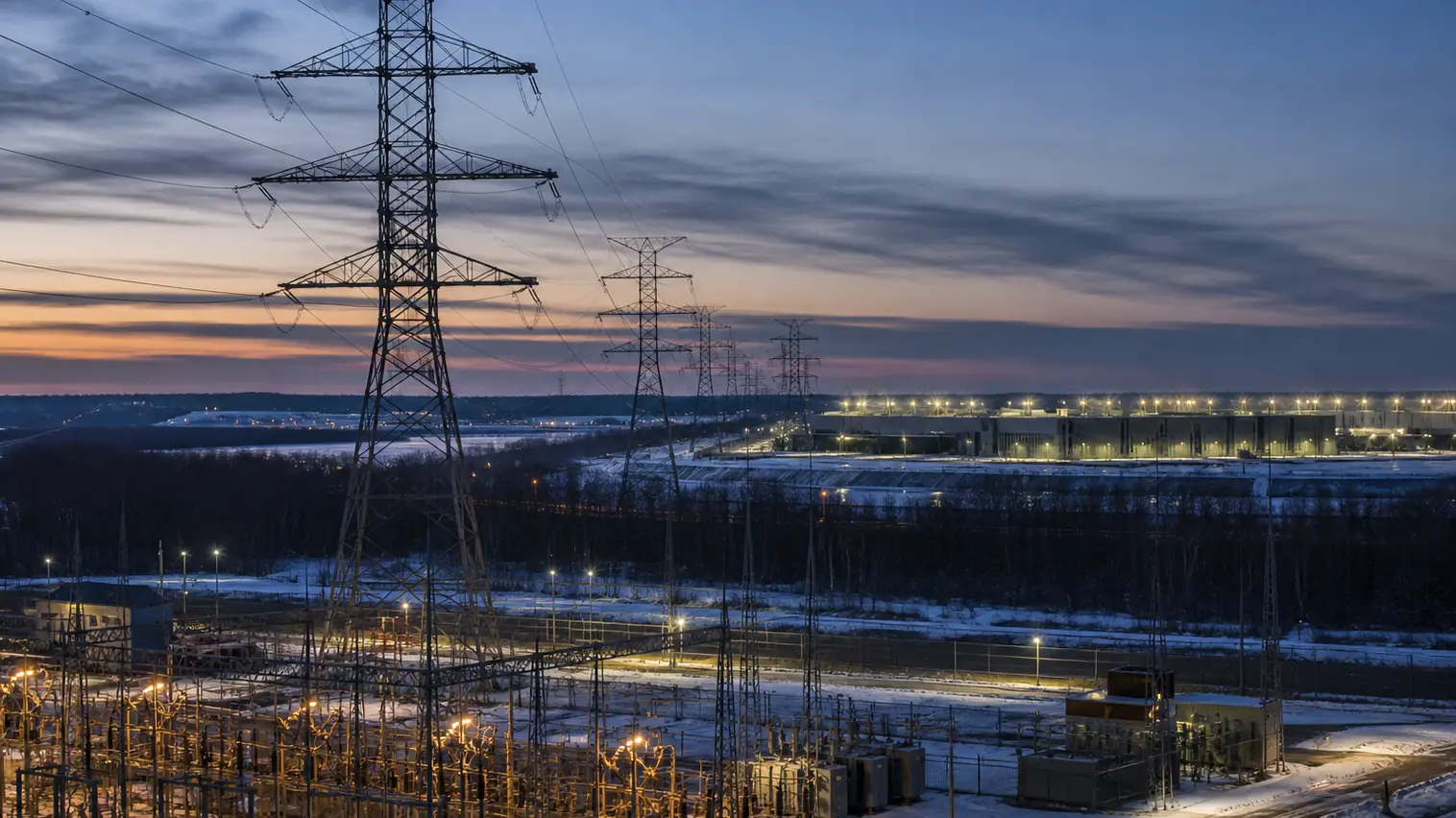
The expansion of energy-intensive data centers has changed the way traders assess U.S. power markets. Instead of viewing electricity demand as a slow-moving function of population growth and seasonal weather, markets are increasingly pricing the rapid arrival of large, always-on loads that require firm capacity and new transmission links.
That demand is arriving at a sensitive moment. Winter weather risk is building, regional grids are preparing for peak load conditions, and utilities are still managing the lag between new power demand and the slower process of building generation, storage and transmission assets. The result is a market in which wholesale power volatility can rise even when broader energy commodities are moving lower.
Natural gas remains central to the power price equation because gas-fired plants often set marginal electricity prices during periods of high demand. However, the latest electricity story is broader than gas alone. It includes transformer shortages, interconnection delays, renewable integration, battery deployment and the political pressure created by higher household utility bills.
Permitting Reform Adds Policy Risk
The Senate’s advance of broad energy permitting legislation has added a policy catalyst to the electricity trade. Faster approval timelines could help unlock transmission projects, gas pipelines, renewable developments and grid upgrades, but the market is likely to distinguish between legislation that passes and projects that can actually be financed, built and connected.
For power consumers, the timing matters. New infrastructure can reduce congestion and improve reliability over the long run, but near-term bills may remain exposed to fuel costs, capacity payments and investment spending. Utilities also face the challenge of funding grid modernization while regulators try to limit the burden on households already sensitive to inflation.
Equity investors are watching companies linked to turbines, substations, grid equipment and backup generation, while commodity traders are monitoring whether higher power burn tightens regional gas balances. In both cases, electricity has become a bridge between the energy market and the technology cycle.
Grid Inflation Replaces Fuel Relief as the Key Question
The main market question is whether softer oil and gasoline prices can offset rising electricity costs in the inflation basket. If power bills keep climbing, the disinflation benefit from lower fuel prices may look less convincing to rate-sensitive investors and policymakers.
For now, the electricity market appears supported by three forces: structural demand from data centers, policy momentum around infrastructure approvals and seasonal uncertainty heading into winter. That combination may keep grid costs in the spotlight even if crude oil continues to lose geopolitical premium.
The near-term risk for energy traders is a split market in which transportation fuels cool while electricity tightens. Such a divergence would make the energy complex harder to trade as a single inflation signal and could push more attention toward regional power prices, utility regulation and grid investment plans.