
OCTOBER 21, 2026
Natural Gas Breaks Below $3 as Mild Weather Tests Henry Hub Energy Market BullsNatural gas drops below $3 as mild U.S. weather delays heating demand, while LNG exports and storage trends keep winter risk in focus.

© 1box.site 2026
OCTOBER 22, 2026
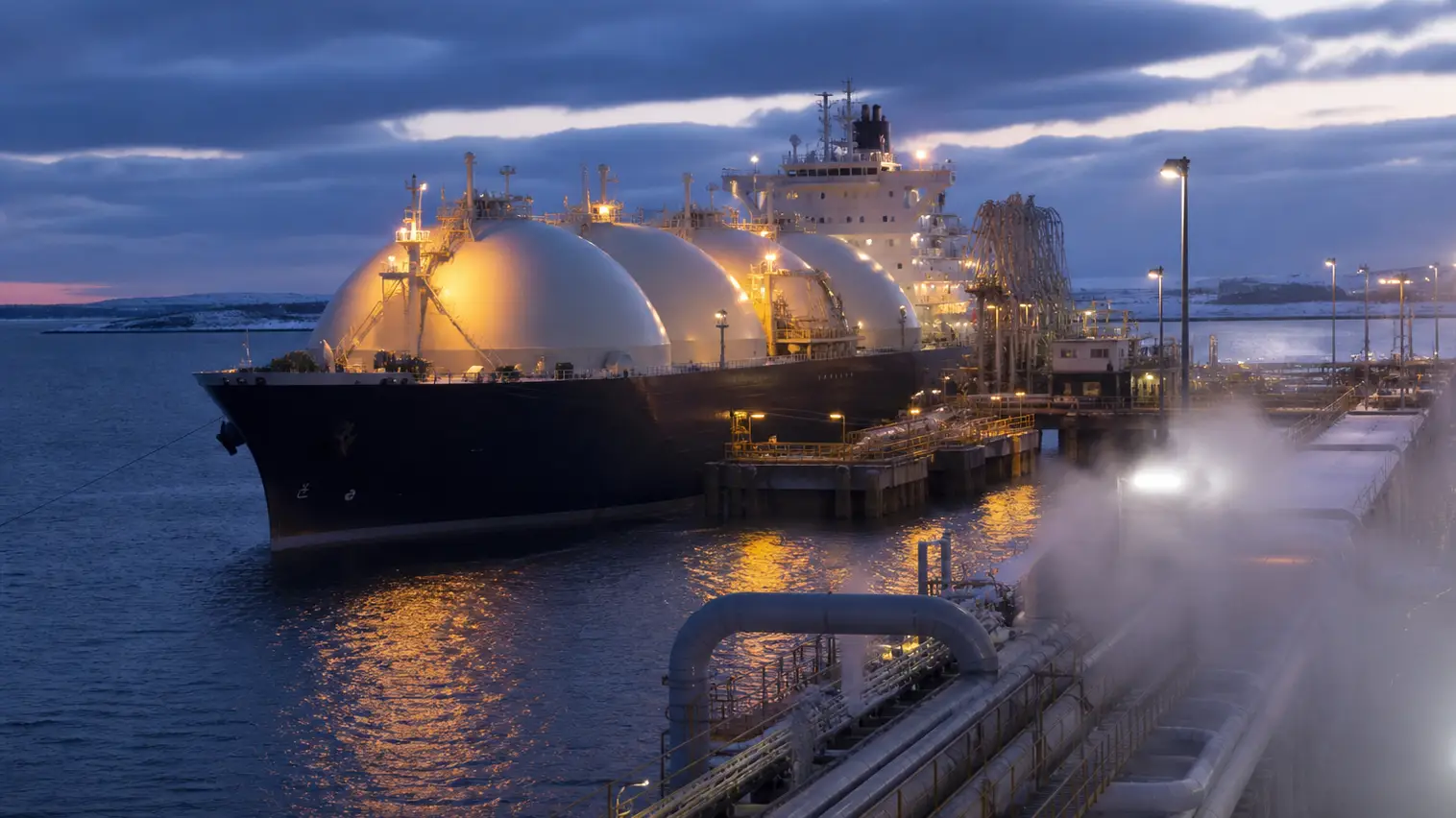
Liquefied natural gas has moved back to the center of the energy market as buyers in Asia and Europe compete for flexible winter cargoes, keeping spot prices elevated and forcing traders to reassess supply risk before the coldest part of the year. The latest price signals show the global LNG market trading at a wide premium to domestic U.S. gas, a structure that continues to reward exporters while raising cost pressure for import-dependent utilities and industrial consumers.
Asian spot LNG assessments have hovered around the $30 per million British thermal units area this week, while European gas-linked values have remained close enough to keep cargo competition intense. That spread is important because many uncommitted Atlantic Basin cargoes can still move to either region, depending on freight, terminal access, contract obligations and short-term price incentives.
The market’s focus has shifted from simple inventory levels to deliverability. Even where storage buffers exist, buyers are paying attention to whether vessels, regasification slots and upstream supply can respond quickly if temperatures fall or if shipping risk rises again. That has made LNG a marginal fuel for both physical security and price formation, especially in Europe, where the post-pipeline gas system relies heavily on seaborne supply.
Europe’s challenge is not only price. Storage levels are being watched closely because they shape how aggressively utilities must bid for late-autumn and winter cargoes. If withdrawals start early or temperatures fall below seasonal norms, the region may need to defend supply with higher bids, increasing the risk that Asian buyers face even steeper spot costs. If weather stays mild, however, some of the premium could unwind quickly because the market is already pricing in a tight winter balance.
The sharp gap between international LNG prices and U.S. feedgas costs remains one of the clearest signals in the energy market. With domestic U.S. gas still far below Asian and European delivered values, liquefaction margins remain attractive even after shipping and processing costs. That dynamic supports high utilization at U.S. export terminals and reinforces the role of American LNG as a balancing supply source for both regions.
For traders, the key question is whether the market is paying for actual shortage or for insurance against disruption. Recent price action suggests both forces are present. Strong winter procurement, sensitivity to Middle East shipping routes, uncertainty over Russian-linked supply restrictions and uneven regional demand have all encouraged buyers to secure cargoes earlier rather than wait for a potentially thinner spot market.
Elevated LNG prices can spill into power markets, fertilizer production, petrochemicals and inflation expectations. In Asia, high spot cargo costs may discourage discretionary industrial consumption and push some utilities toward alternative fuels where available. In Europe, high gas prices can lift electricity costs and complicate the policy balance between energy security, affordability and emissions targets.
The near-term outlook remains weather-driven but asymmetric. A mild start to winter could pressure spot LNG lower as storage confidence improves and buyers step back from the market. A cold spell, renewed shipping stress or an unexpected supply outage could quickly pull prices higher because flexible cargo availability is limited and buyers in both basins are competing for the same marginal molecules.
That makes LNG one of the most important benchmarks for energy investors heading into late October. While crude oil continues to dominate macro headlines, the LNG market is carrying its own risk premium, and that premium is increasingly visible across global power and fuel costs.
OCTOBER 21, 2026
Natural Gas Breaks Below $3 as Mild Weather Tests Henry Hub Energy Market Bulls
OCTOBER 15, 2026
Natural Gas Energy Market Watches Appalachia Pipeline Squeeze as Henry Hub Tests Storage Data
OCTOBER 11, 2026
LNG Fuel Market Cools as Winter Energy Risk Keeps Buyers on Alert
OCTOBER 10, 2026
Natural Gas Futures Rise as Storage Surplus Narrows and Henry Hub Tests Winter Risk
OCTOBER 5, 2026
Henry Hub Natural Gas Holds Near $3 as LNG Demand Tightens Energy Market
SEPTEMBER 29, 2026
U.S. Natural Gas Holds Near $3 as LNG Demand and Storage Risk Split Energy Market
SEPTEMBER 25, 2026
Henry Hub Natural Gas Futures Slip as Storage Build Caps Energy Market Rally
SEPTEMBER 21, 2026
LNG Gas Prices Hit 45-Month High as Hormuz Risk Tightens Winter Supply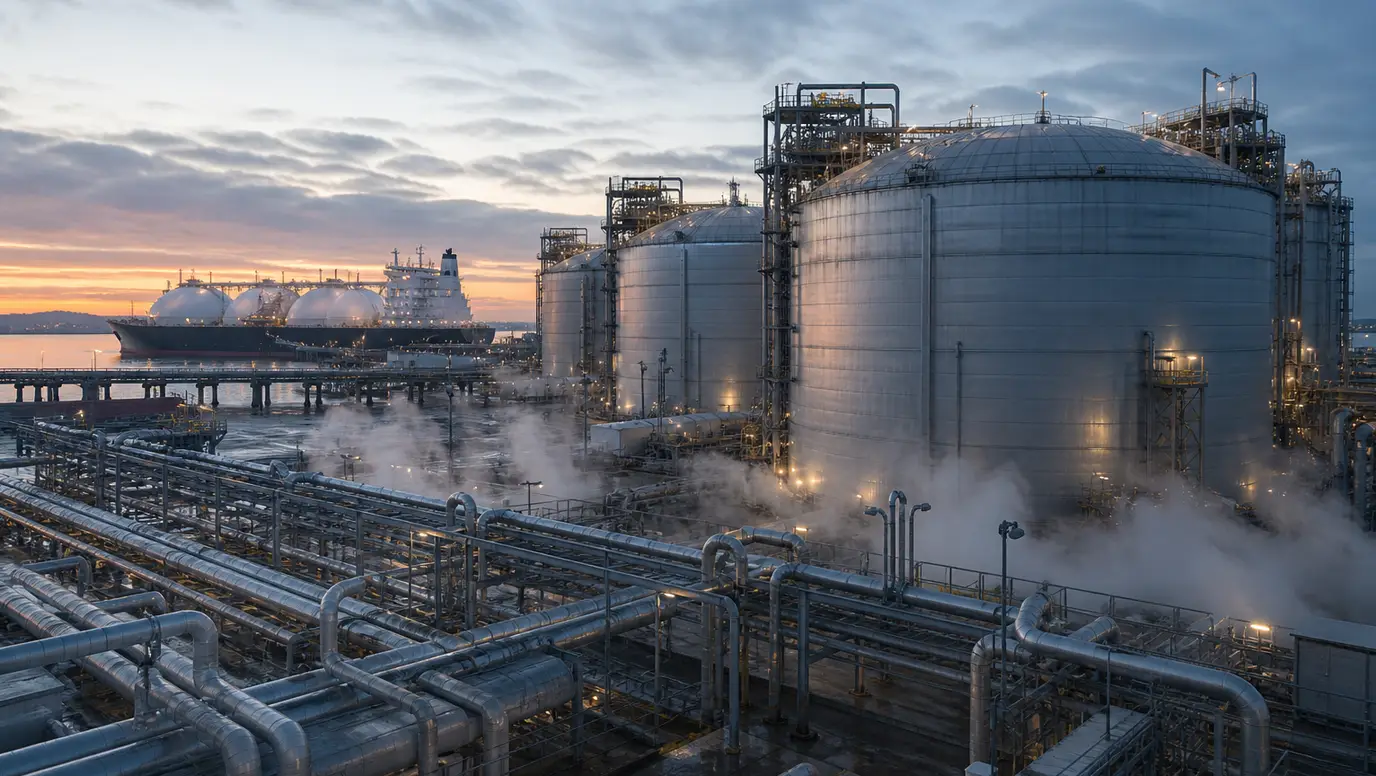
SEPTEMBER 18, 2026
Natural Gas Futures Fade as LNG Feedgas Drop Offsets Lean Storage Build
SEPTEMBER 13, 2026
Henry Hub Slips as Gas Storage Cushion Offsets Winter Demand Risk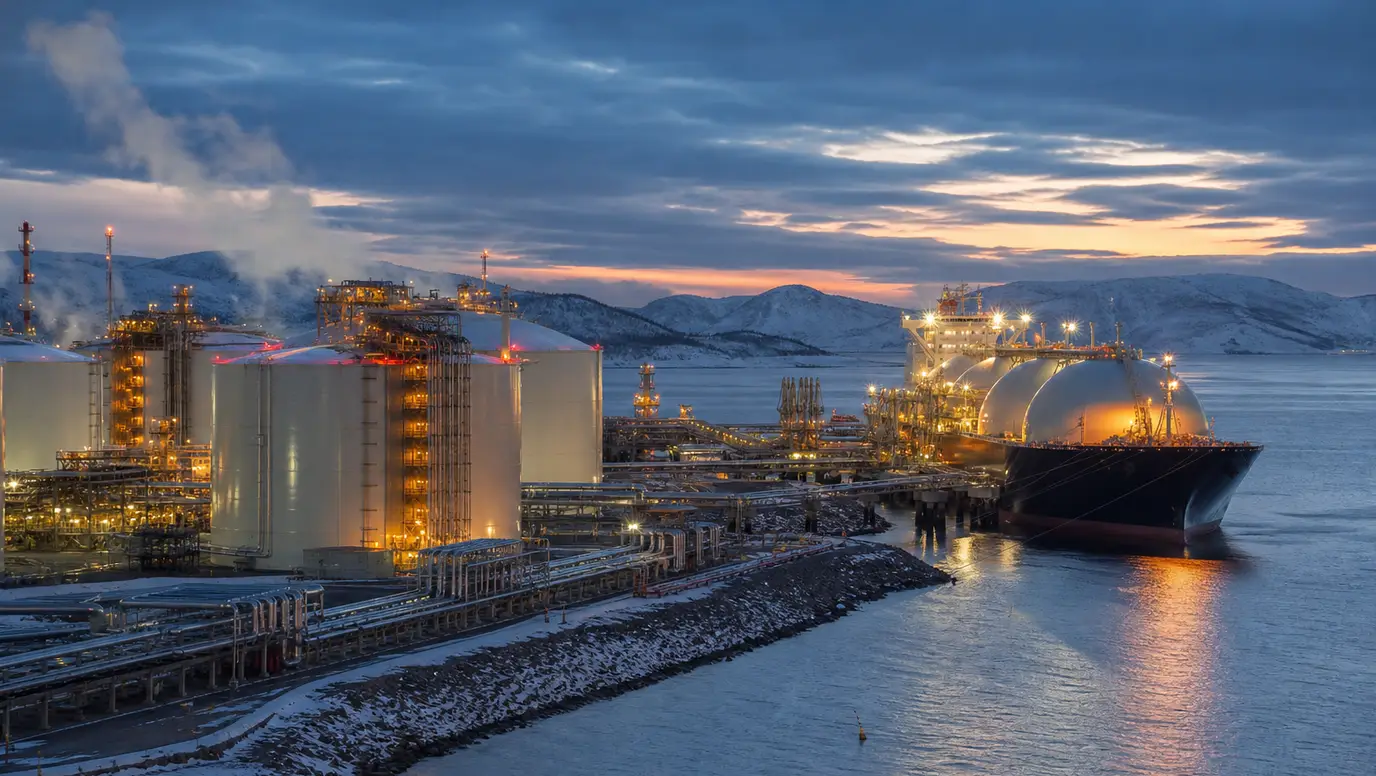
SEPTEMBER 8, 2026
Natural Gas Climbs as LNG Bidding Puts Energy Market on Winter Storage Watch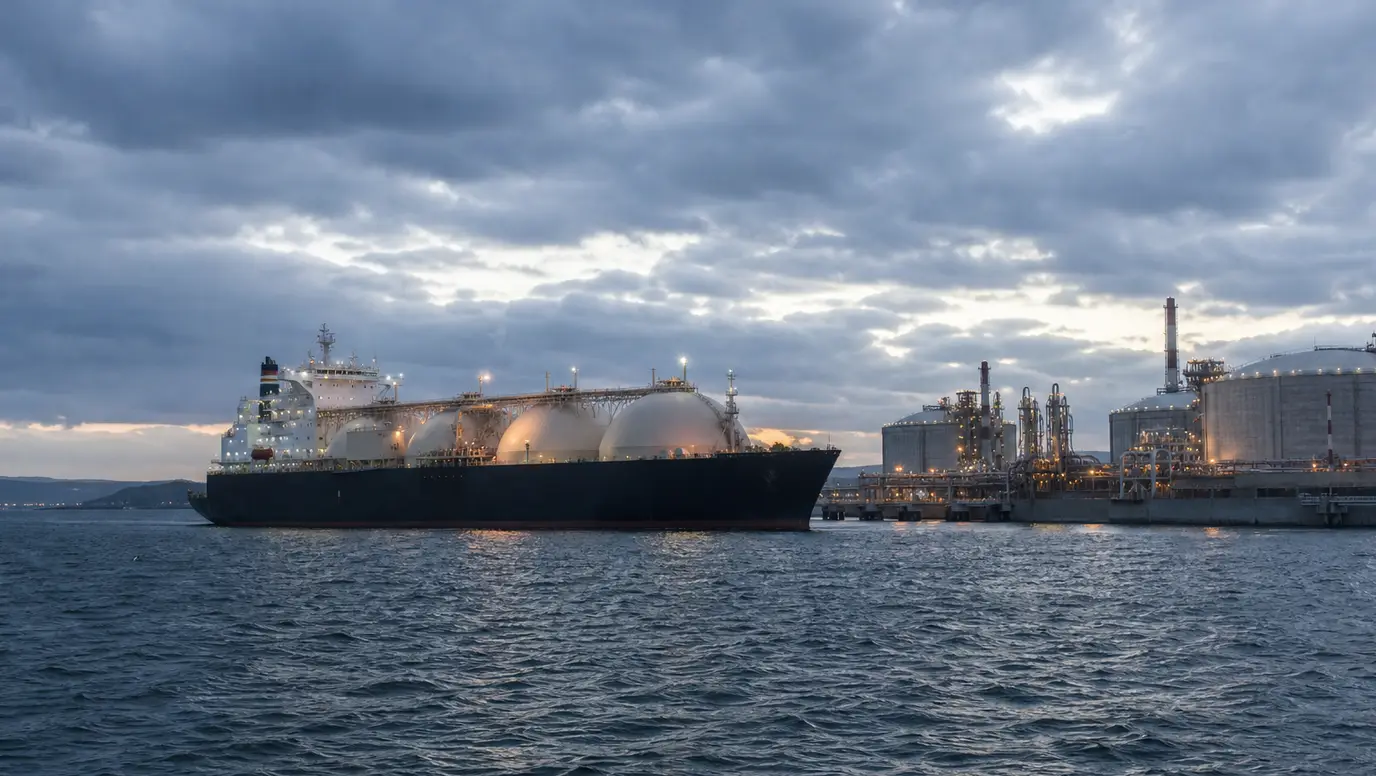
SEPTEMBER 2, 2026
Natural Gas Surge Lifts Energies as LNG Supply Fears Return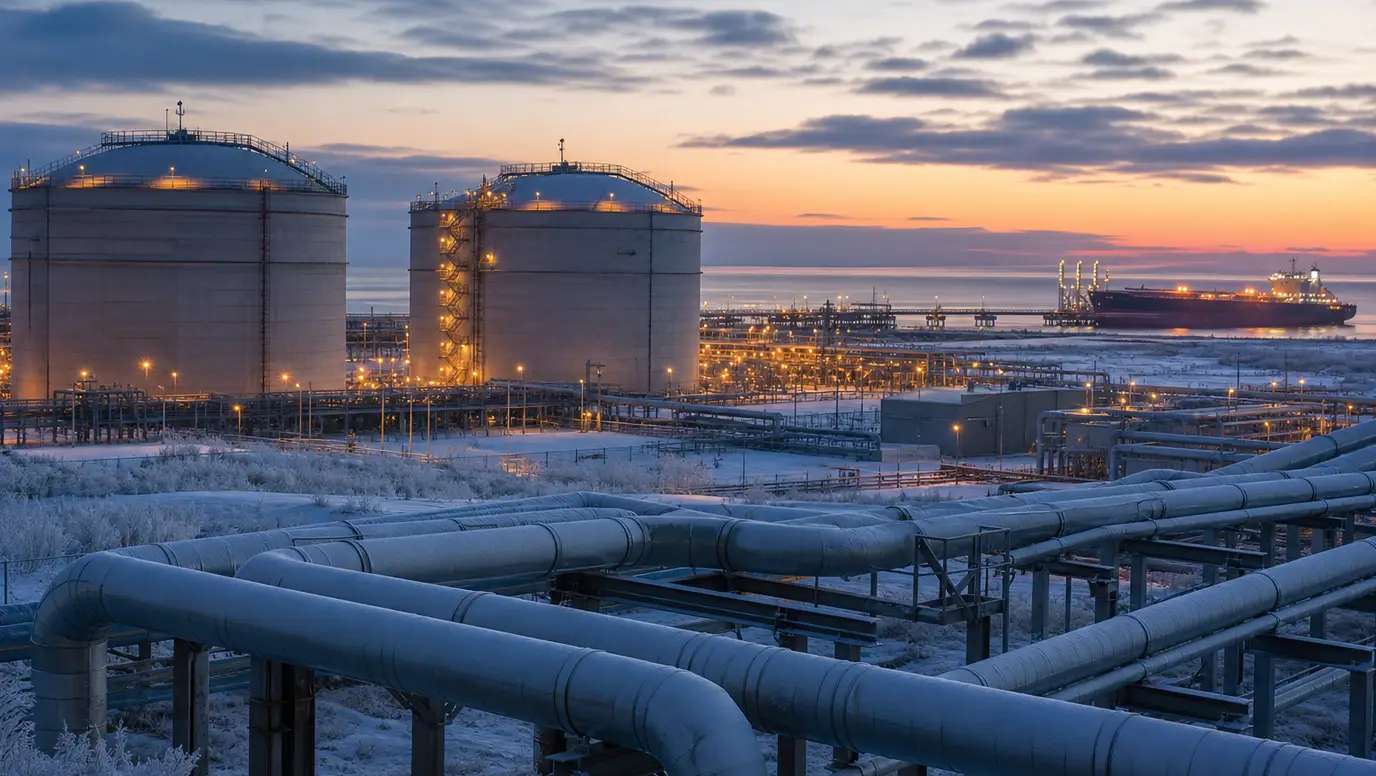
AUGUST 28, 2026
Natural Gas Storage Build Puts Henry Hub on LNG Supply Watch
AUGUST 22, 2026
Natural Gas Storage Cushion Puts Energy Commodities on LNG Supply Watch
AUGUST 16, 2026
LNG Maintenance Puts Natural Gas and Henry Hub on Storage Watch
AUGUST 12, 2026
Texas Power Demand Reset Cools Energy Market as Natural Gas and Solar Lead Supply Growth
AUGUST 8, 2026
Natural Gas Storage Cushion Keeps Henry Hub Under LNG Maintenance Pressure
AUGUST 3, 2026
LNG Exports Surge Tests Natural Gas Commodities as Supply Risk Lingers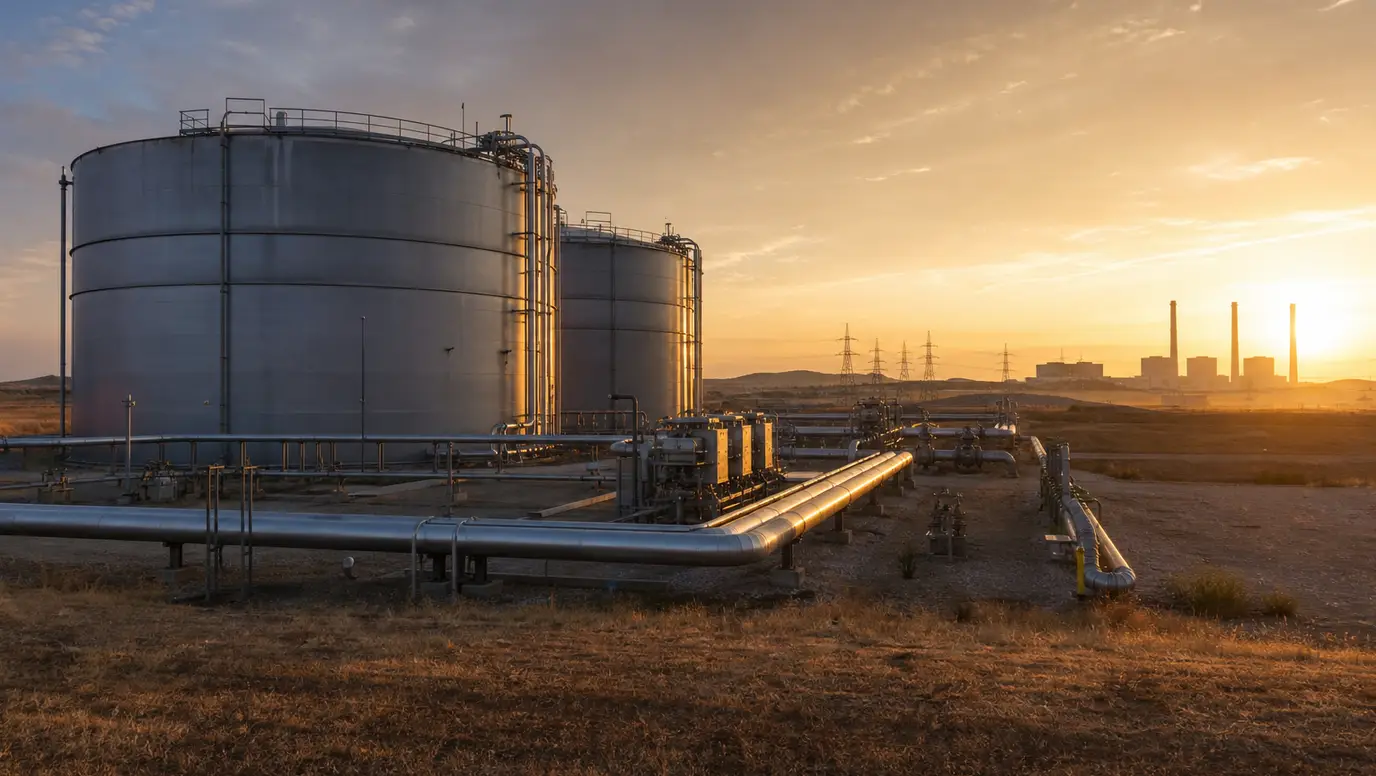
AUGUST 1, 2026
Natural Gas Storage Surplus Tests Henry Hub Rally as Power Demand Climbs
JULY 26, 2026
LNG Squeeze Pulls Energy Commodities Into Winter Risk Trade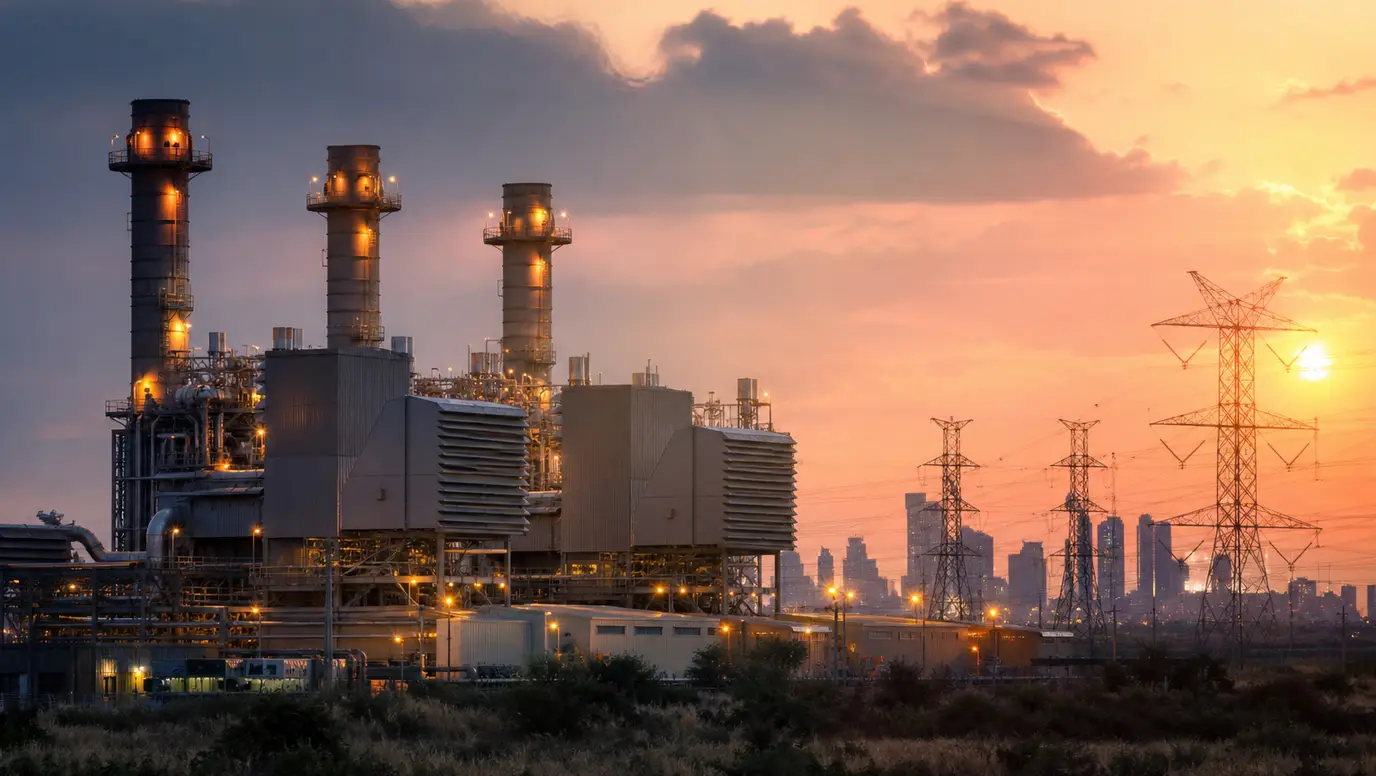
JULY 23, 2026
Natural Gas Rally Faces Storage Test as Cooling Demand Tightens Energy Market
JULY 21, 2026
LNG Supply Race Overtakes Oil as Gas Prices Jump on Hormuz Disruption
JULY 16, 2026
LNG and Gas Prices Keep Energy Market on Edge as US Dollar Weakens
JULY 7, 2026
LNG Tightness Puts Energy Market on Storage Watch as European Gas Jumps
JUNE 30, 2026
Natural Gas Rally Outruns Softer Oil as Heat and LNG Demand Split Energy Market
JUNE 26, 2026
LNG Demand Puts U.S. Gas Market on Alert as Crude Oil Premium Fades
JUNE 13, 2026
Natural Gas Rally Stalls as Storage Build Offsets LNG Demand Hopes
JUNE 5, 2026
LNG Demand and Summer Power Burn Put Natural Gas Back at the Center of Energy Market Trade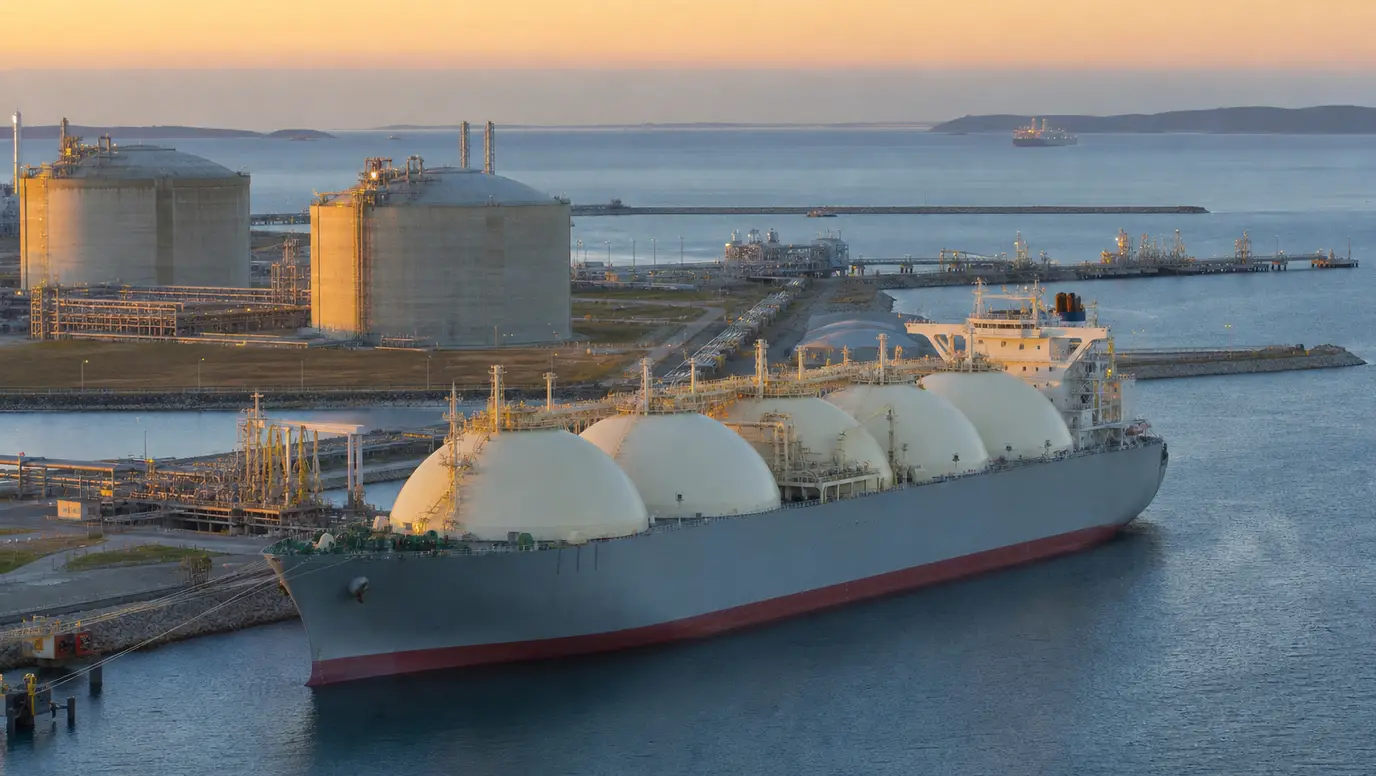
MAY 30, 2026
LNG Squeeze Keeps Energy Market on Edge as Summer Demand Nears
MAY 22, 2026
Natural Gas Slips as Larger Storage Build Cools Summer Demand Bets