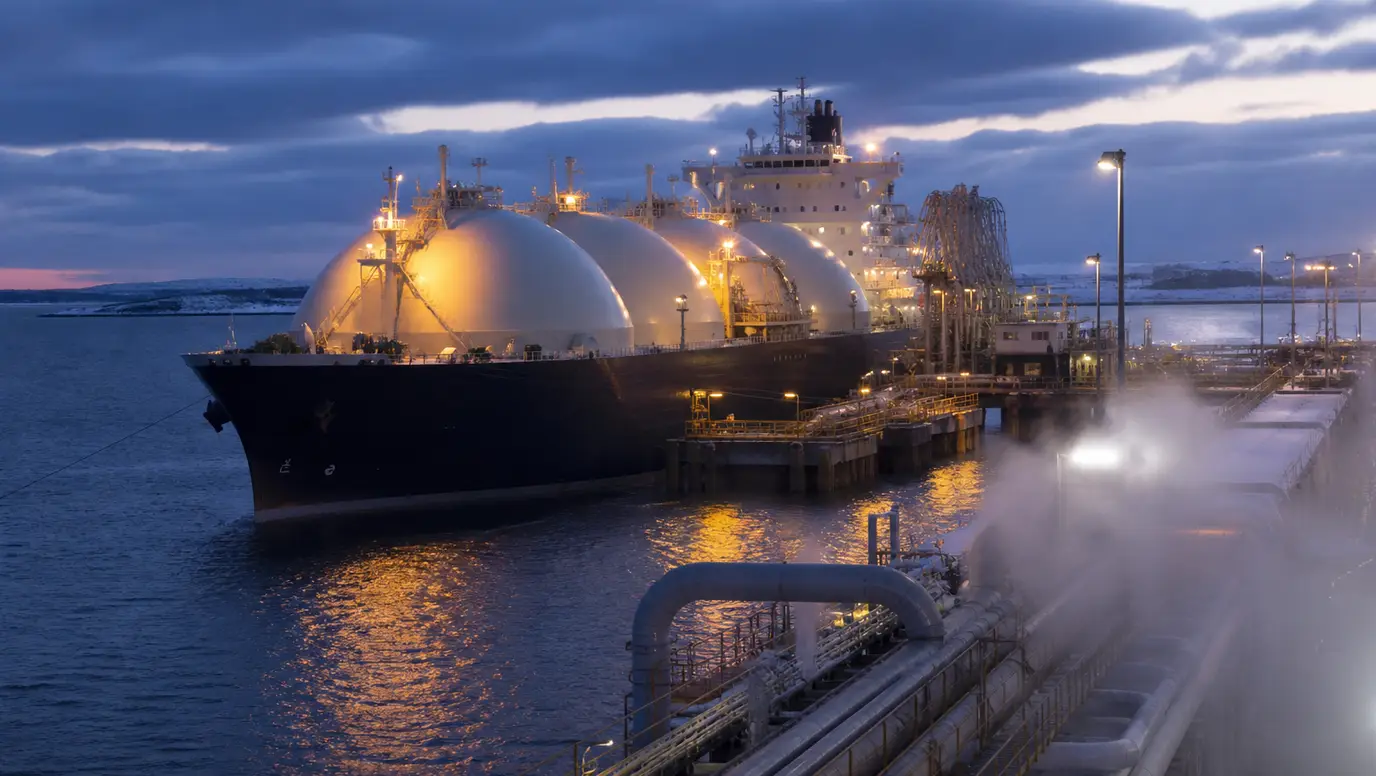
OCTOBER 22, 2026
LNG Spot Prices Climb as Asia-Europe Winter Bidding War Reprices Energy Market RiskLNG spot prices stay elevated as Asia and Europe compete for winter cargoes, lifting risk premiums across the energy market.

© 1box.site 2026
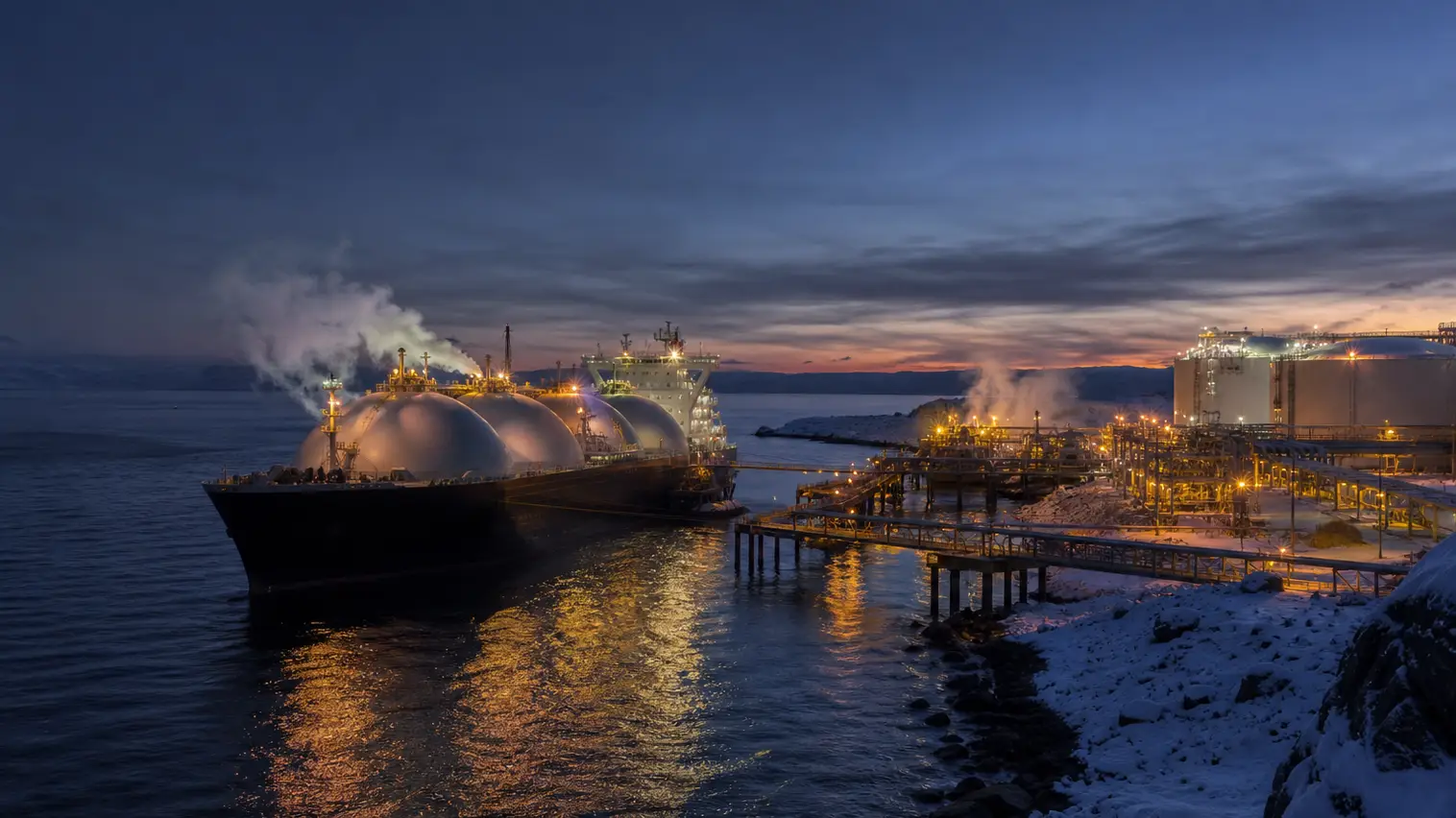
OCTOBER 28, 2026
The LNG energy market remained under acute pressure on Wednesday as winter procurement in Asia collided with fragile shipping flows and tight European gas balances, keeping spot prices near their highest levels in almost four years.
North Asian LNG assessments have recently moved around the $30 per million British thermal units area, a level not seen since the post-2022 energy crisis period. The rally has been driven by a mix of Chinese and South Korean buying, colder-weather preparation, elevated European benchmark gas prices and persistent concern over cargo availability from the Middle East.
For traders, the key change is that high prices are no longer stopping all demand. Earlier in the year, cost-sensitive buyers stepped away from spot cargoes. Now, utilities and state-backed importers are returning to secure winter supply, even as prices threaten power margins and industrial demand.
Asian LNG imports are expected to rise in October, with regional arrivals projected at their strongest level in several months. China is showing renewed spot interest after a period of restrained buying, while South Korean demand has increased as utilities prepare for peak heating-season needs.
The rebound matters because it reduces the pool of flexible cargoes available to Europe. When both Asia and Europe need incremental LNG at the same time, the market typically clears through higher prices, wider shipping premiums and stronger bids for U.S. and Atlantic Basin supply.
Japan remains a stabilizing factor because power-sector inventories are relatively comfortable, but traders are reluctant to price in lasting relief. A cold start to winter in Northeast Asia, or any further reduction in Middle Eastern loadings, could quickly pull Japan, China and South Korea into a more aggressive bidding cycle.
The Strait of Hormuz remains the central geopolitical risk for LNG. Any disruption around the waterway can affect the timing and availability of cargoes from one of the world’s most important export regions, forcing buyers to lean more heavily on U.S., Australian and other Atlantic-linked supply.
Europe is also entering the heating season with a thinner storage cushion than traders would prefer. That leaves the region exposed to weather volatility and makes it harder for European utilities to wait for cheaper cargoes. If storage withdrawals accelerate, European buyers may have to compete more directly with Asia for prompt LNG.
The result is a market that is pricing security of supply rather than simple demand growth. LNG is trading less like a routine seasonal fuel and more like a geopolitical insurance asset, with importers paying premiums to reduce the risk of being short during winter.
The near-term outlook remains tight but not one-directional. Mild weather in Europe or North Asia could cool spot demand and ease the rally, especially if power generation can rely on coal, nuclear or renewables. Conversely, a cold snap or further shipping disruption could push LNG benchmarks into another leg higher.
High prices are already pressuring industrial users and emerging-market buyers, particularly in South and Southeast Asia. That demand destruction may eventually cap the rally, but it has not yet been enough to restore market comfort ahead of winter.
For the broader energy market, LNG strength is inflation-sensitive. Expensive gas can lift power prices, raise fertilizer and industrial costs, and complicate central-bank efforts to contain energy-driven inflation. Until cargo availability improves or winter weather proves benign, LNG is likely to remain one of the most closely watched commodities in the global energy complex.
OCTOBER 22, 2026
LNG Spot Prices Climb as Asia-Europe Winter Bidding War Reprices Energy Market Risk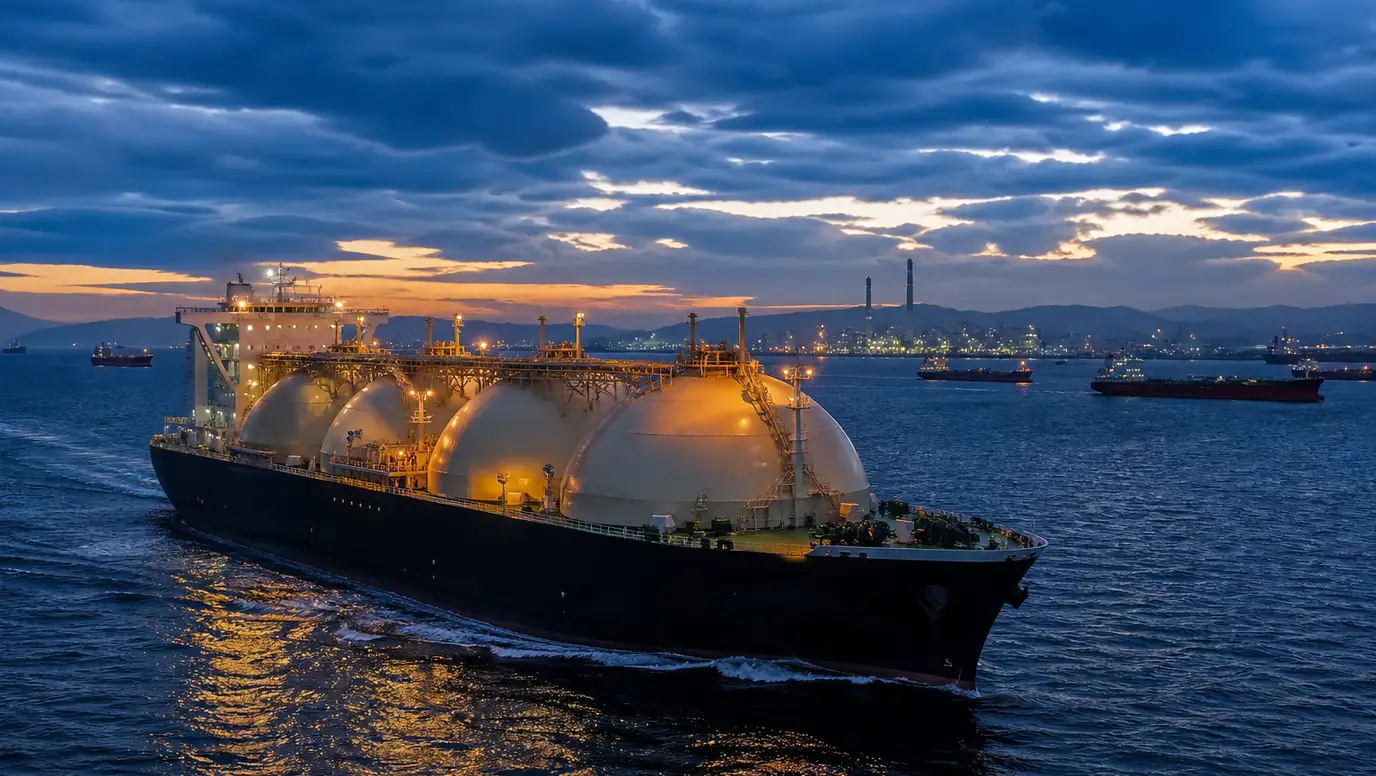
SEPTEMBER 21, 2026
LNG Gas Prices Hit 45-Month High as Hormuz Risk Tightens Winter Supply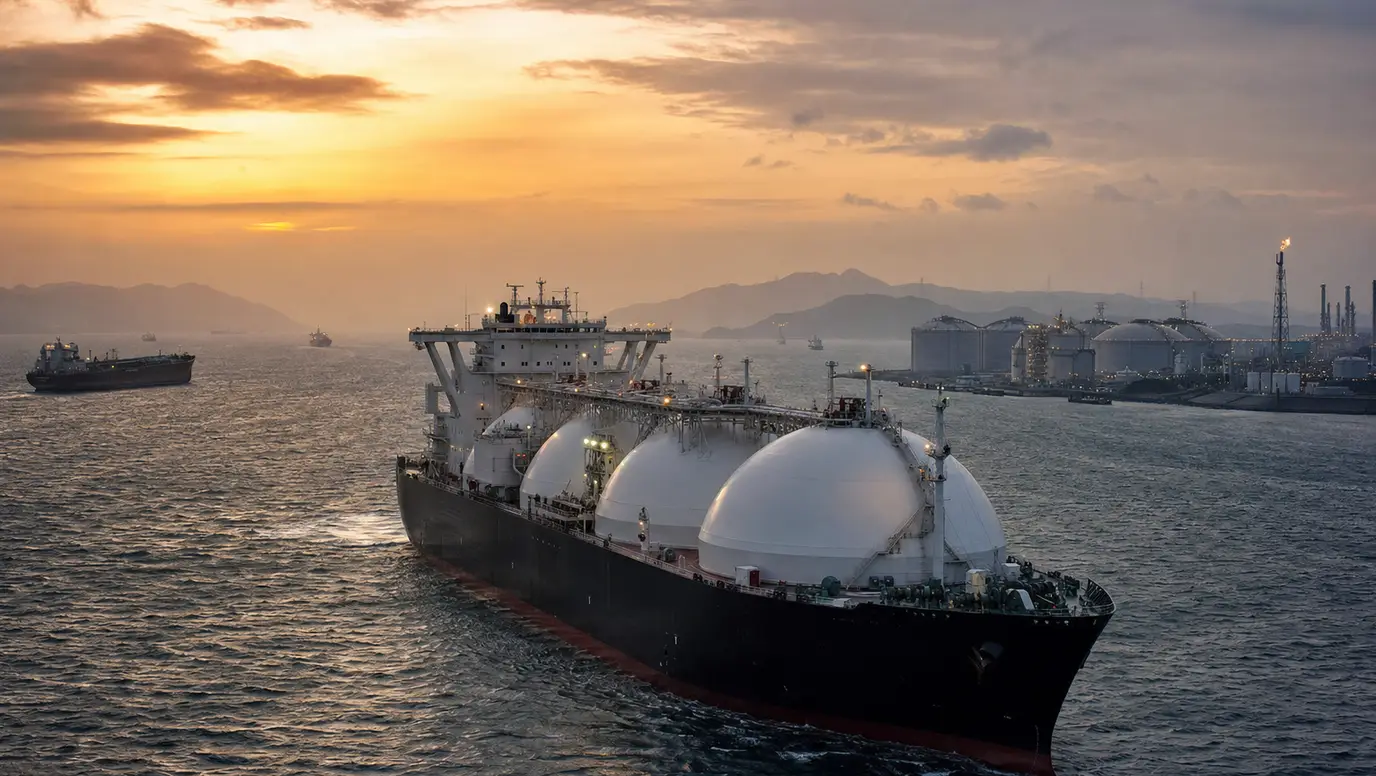
JULY 21, 2026
LNG Supply Race Overtakes Oil as Gas Prices Jump on Hormuz Disruption