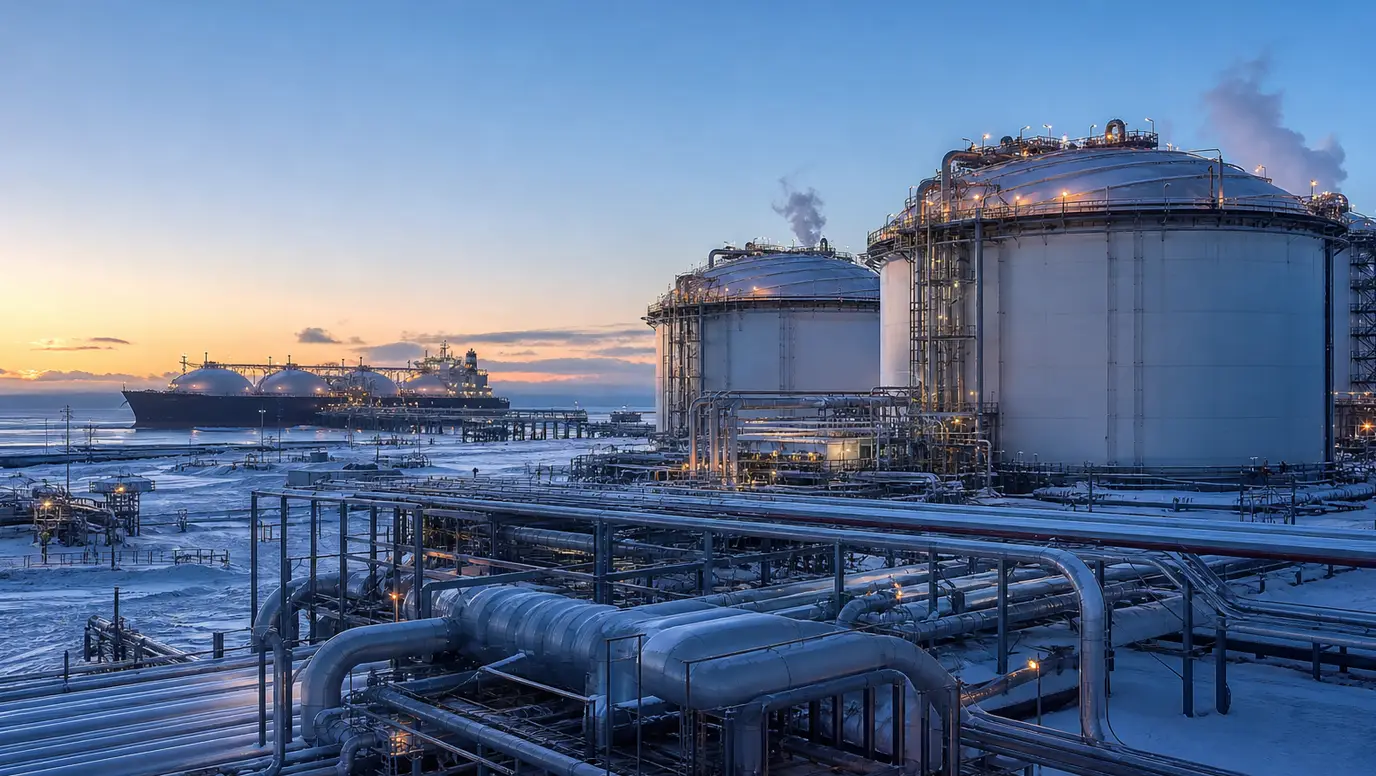
NOVEMBER 13, 2026
Natural Gas Market Slips as LNG Demand Meets Softer Winter Storage OutlookNatural gas prices ease as warm weather, ample storage and LNG demand leave energy traders balancing winter supply risks.

© 1box.site 2026
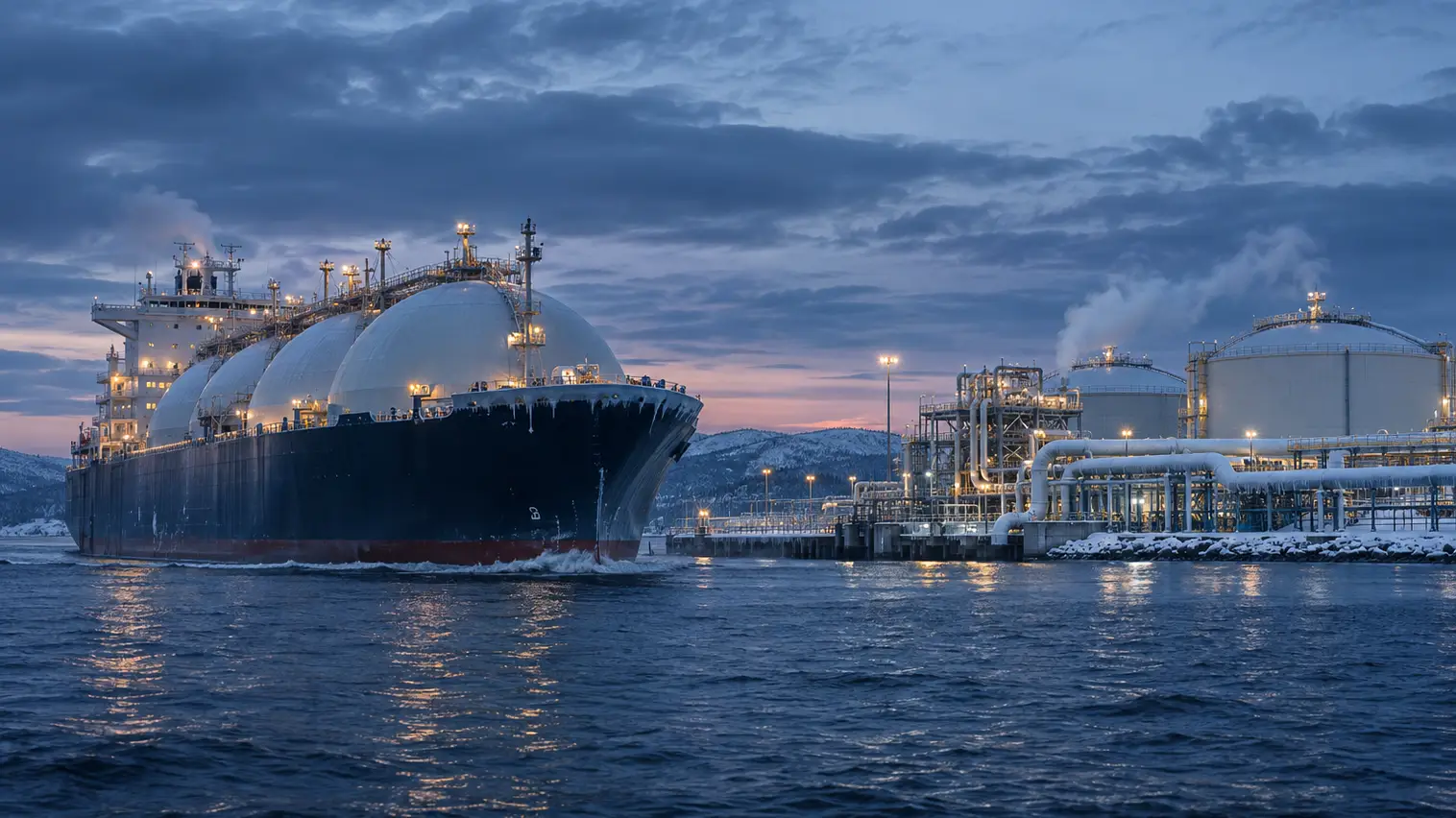
NOVEMBER 19, 2026
Liquefied natural gas and natural gas markets are heading into winter with a reduced supply cushion as Gulf shipping disruptions persist and European buyers compete with Asia for cargoes.
A global energy outlook released on November 19 estimated that the disruption had removed a cumulative 60 billion cubic meters of gas supply from the Gulf. It also warned that the eventual easing of the crisis could bring a very different market: greater supply and downward pressure on prices.
Before the crisis, almost 90% of the LNG passing through the Strait of Hormuz was destined for Asia. The disruption has left importers more reliant on alternative suppliers, including the United States, while European storage levels provide a smaller buffer against further supply interruptions.
The European benchmark Dutch Title Transfer Facility near-month futures price averaged $28.51 per million British thermal units in October, up from $11.27 in February. The comparable Japan-Korea Marker averaged $28.59 in October, up from $10.82 in February.
Those figures are monthly averages rather than current trading prices, but they show how sharply the cost of securing gas rose after the conflict began. When prices in Europe and Asia are close, buyers in both regions can compete for cargoes whose destinations are flexible.
US LNG exports are forecast to average 17.6 billion cubic feet per day in 2026 and 19.0 billion in 2027 as new capacity ramps up. Higher overseas prices support the economics of exporting US gas, although the amount that reaches buyers will depend on terminal operations, shipping availability and demand.
The longer-term outlook is less certain. A sustained easing of restrictions on Gulf flows, combined with new export capacity, could put downward pressure on natural gas prices. Restocking after the crisis could initially support demand, however, while a prolonged disruption would leave the market more exposed to supply shocks.
For the coming months, traders will be watching weather forecasts, European storage withdrawals and the pace of LNG shipments. A colder winter or an unexpected outage could intensify competition for cargoes; milder weather or stronger supply would ease some of that pressure.
NOVEMBER 13, 2026
Natural Gas Market Slips as LNG Demand Meets Softer Winter Storage Outlook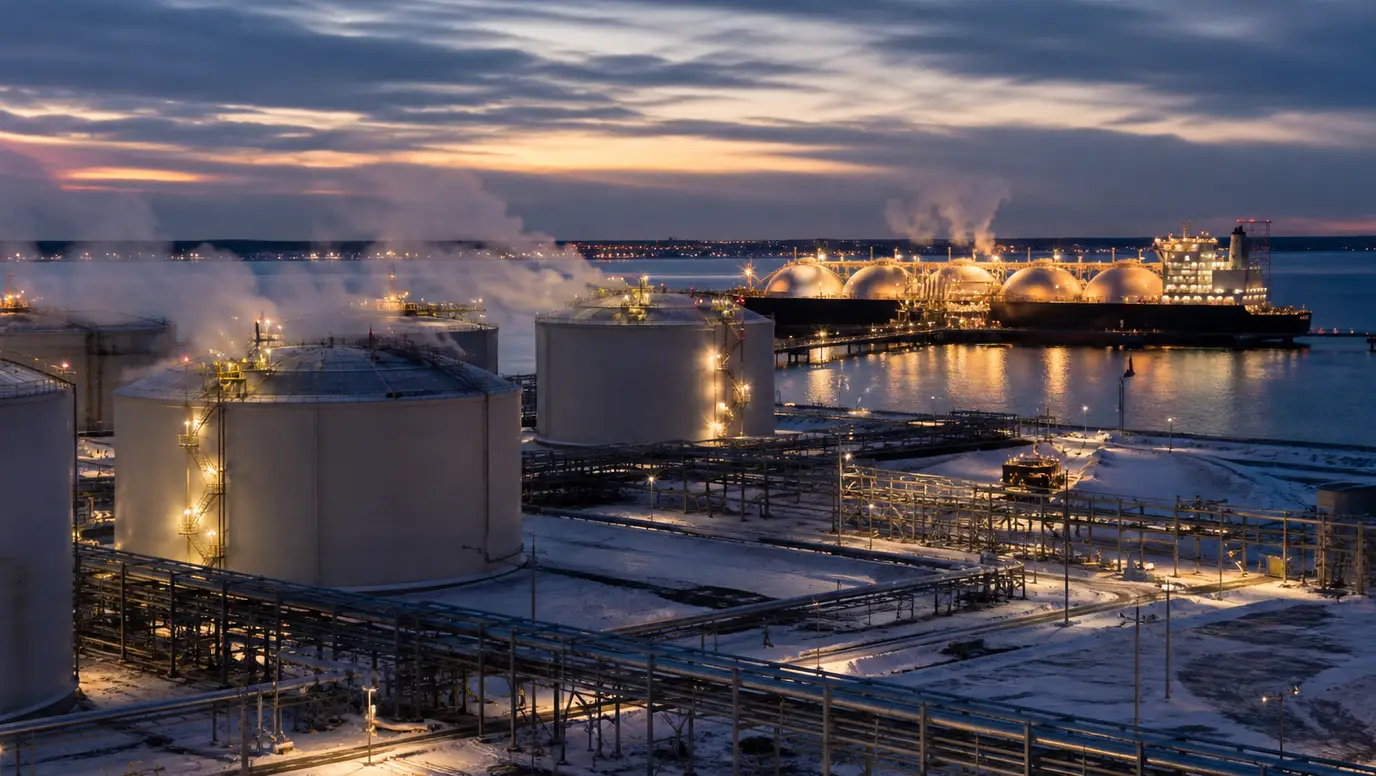
NOVEMBER 8, 2026
Natural Gas Near $3 as Record LNG Flows Challenge Energy Market Bears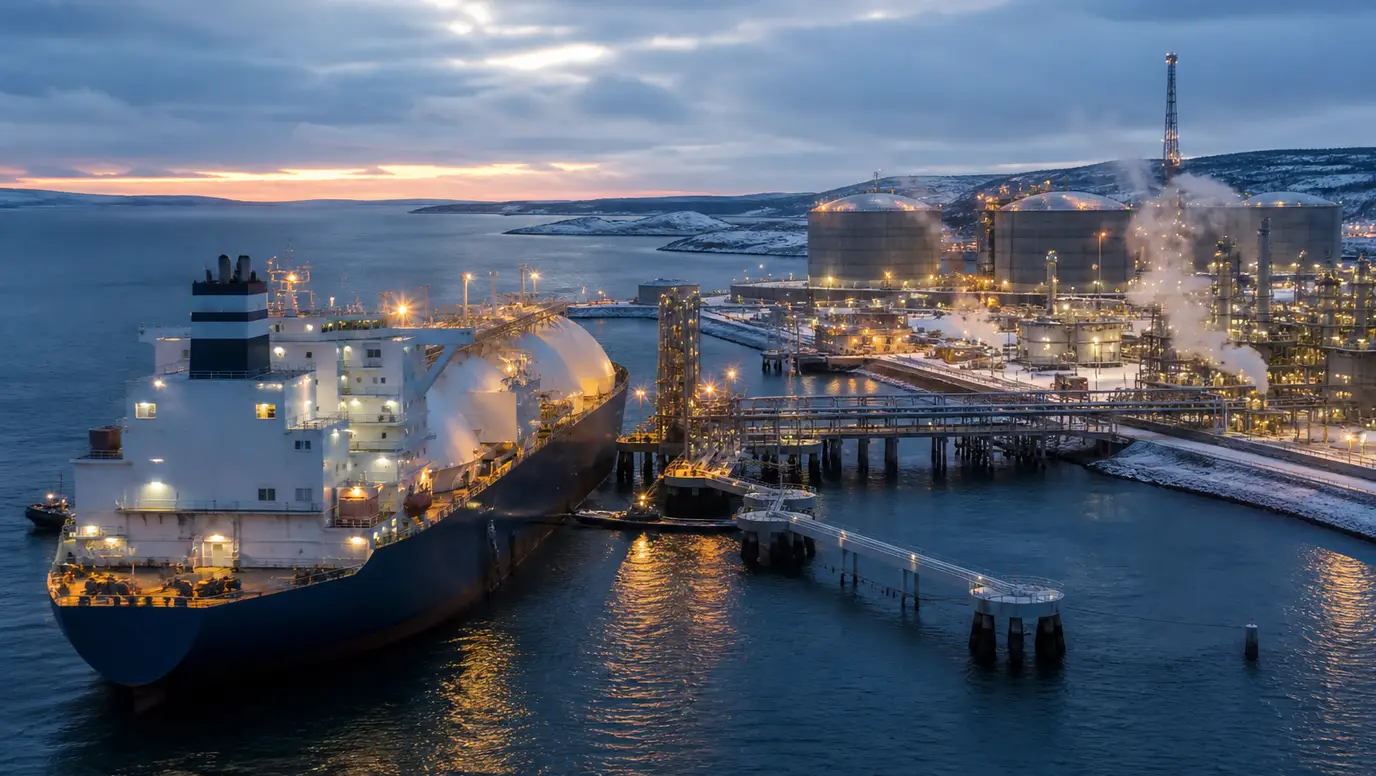
NOVEMBER 4, 2026
LNG Energy Market Tightens as Low Gas Storage Raises Winter Price Risk
OCTOBER 28, 2026
LNG Energy Market Holds Near Four-Year High as Hormuz Risk and Asia Gas Buying Collide
OCTOBER 22, 2026
LNG Spot Prices Climb as Asia-Europe Winter Bidding War Reprices Energy Market Risk