OCTOBER 10, 2026
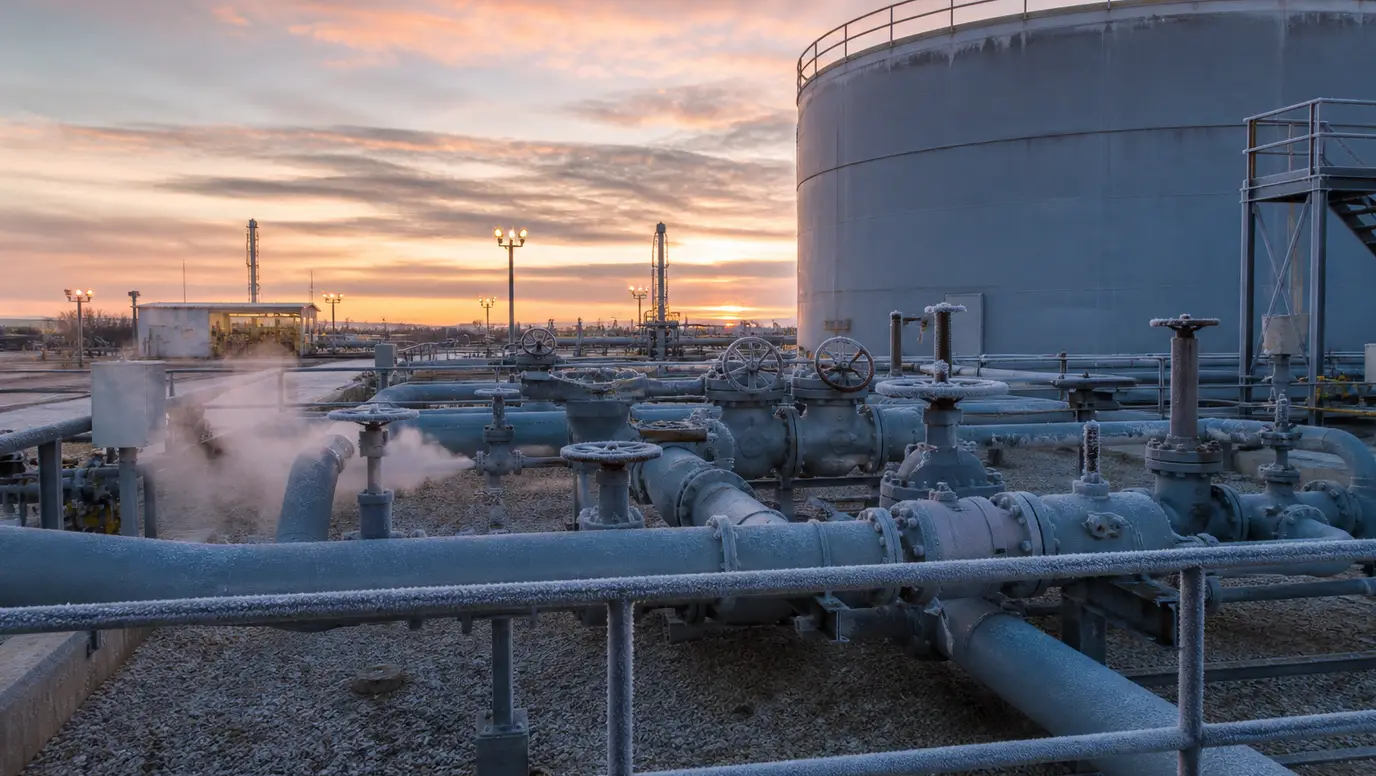
Natural Gas Futures Rise as Storage Surplus Narrows and Henry Hub Tests Winter RiskNatural gas futures firm as storage surplus narrows, Henry Hub rebounds, and traders weigh LNG demand, Gulf risks, and winter weather.

© 1box.site 2026
OCTOBER 11, 2026
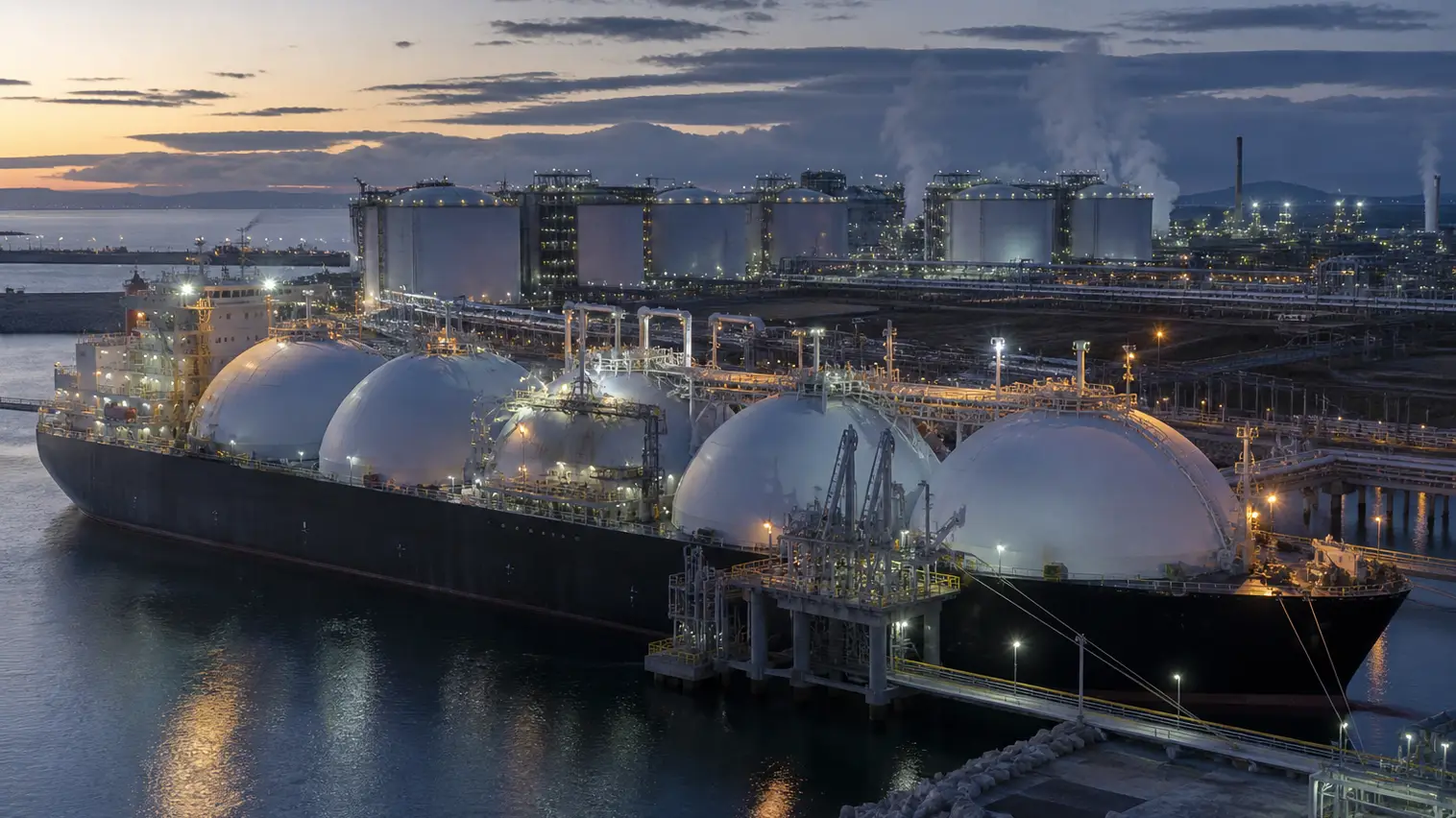
The global LNG fuel market is entering the new trading week with a more cautious tone after spot prices eased from late-September highs, but traders are not treating the pullback as a clear bearish signal. Asian LNG cargoes for near-term delivery have softened after a sharp geopolitical premium, while European gas storage remains well below last year’s levels and competition for flexible cargoes is still shaping winter pricing.
The move matters for the broader energy market because LNG has become the balancing fuel between Asia and Europe. When weather risk, shipping disruption or storage anxiety rises in one region, cargoes can be redirected quickly, forcing buyers elsewhere to raise bids. That leaves the market vulnerable to renewed volatility even after the latest decline in spot assessments.
Recent spot LNG pricing showed a modest retreat in Northeast Asia after prices had climbed to multi-year highs during the September rally. The decline suggests some buyers are resisting expensive spot cargoes, especially where inventories, contracted supplies or softer industrial demand offer room to wait. However, the drop is occurring from elevated levels, not from a position of oversupply.
European storage is the key concern. Inventories have continued to build, but the level remains meaningfully below last year and below the comfort zone usually preferred before peak heating demand. That gap means Europe may still need steady LNG arrivals through October and November, particularly if colder weather arrives early or pipeline flows disappoint.
For Asia, the question is whether lower spot activity reflects genuine demand weakness or simply a pause before winter procurement resumes. China and Japan have been less aggressive in parts of the recent spot market, but South Asian demand remains price-sensitive and can return quickly when power-sector needs rise. A renewed Asian bid would make it harder for Europe to attract Atlantic Basin cargoes without paying up.
The market is also continuing to price uncertainty around Middle East supply routes and regional LNG output. Even if immediate disruption fears have eased, traders remain alert to any development that affects cargo timing, insurance costs or tanker availability. LNG differs from pipeline gas because delays can quickly tighten regional balances when storage buffers are thin.
This is why the latest price cooling has not produced a broad risk-off move across the gas complex. Buyers appear more willing to wait, but sellers are not facing the same pressure seen in a well-supplied market. Forward prices still carry a winter premium, and that premium could widen again if weather forecasts turn colder or if shipping headlines deteriorate.
U.S. LNG flows are another swing factor. Strong export utilization can help relieve European and Asian shortages, but it can also lift feedgas demand and influence U.S. natural gas pricing. With global buyers competing for flexible supply, any outage at a major liquefaction plant would likely have an outsized impact on sentiment.
The near-term outlook is therefore balanced rather than bearish. A continuation of mild weather in Europe, steady U.S. exports and subdued Asian tenders could keep LNG prices under pressure after the recent spike. But the downside may be limited as long as storage remains below normal and geopolitical risk stays embedded in freight and delivery assumptions.
For energy investors, the LNG market is signaling that volatility may remain concentrated around weekly storage updates, weather model shifts and tender activity. The latest retreat gives buyers some relief, but it has not removed the structural winter risk premium. Until Europe builds a larger cushion or Asian demand clearly weakens, LNG is likely to remain one of the most closely watched fuel benchmarks in the energy market.
OCTOBER 10, 2026
Natural Gas Futures Rise as Storage Surplus Narrows and Henry Hub Tests Winter Risk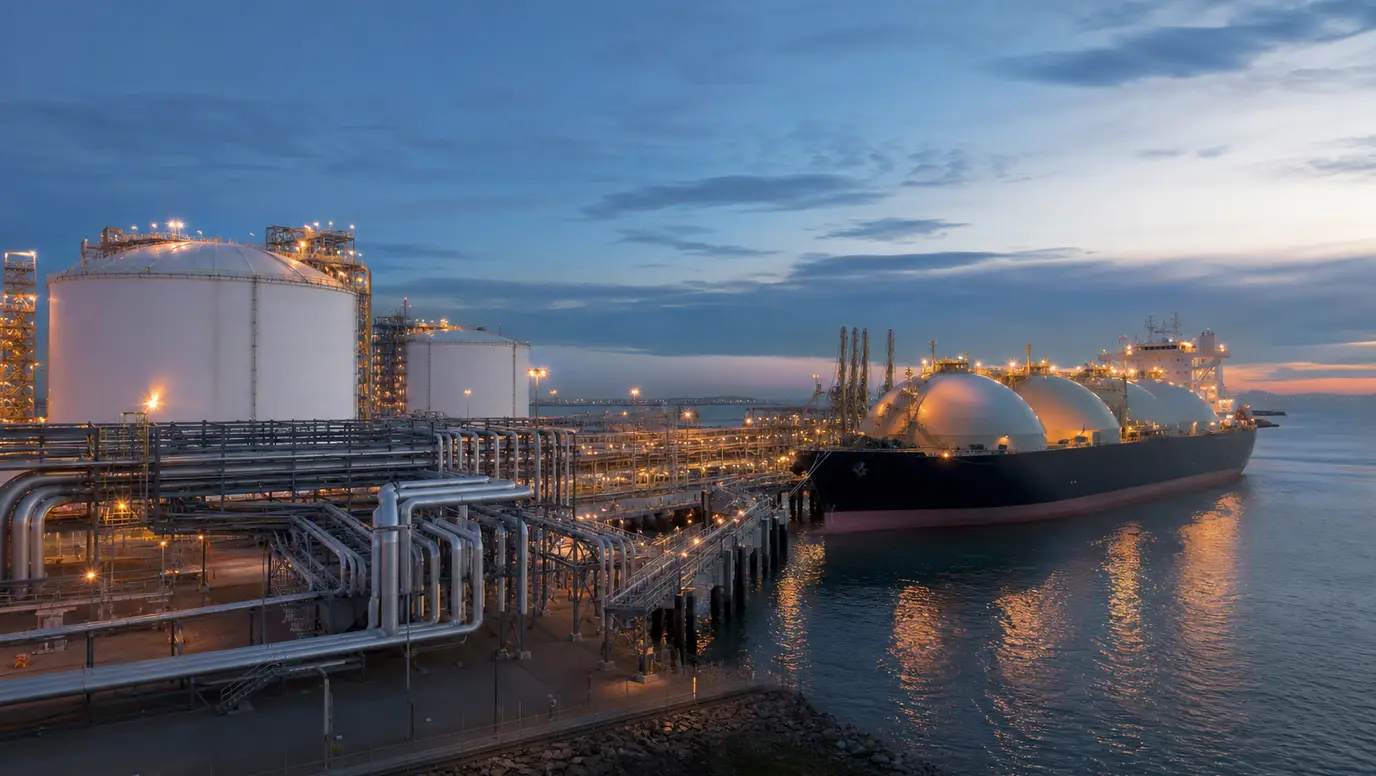
OCTOBER 5, 2026
Henry Hub Natural Gas Holds Near $3 as LNG Demand Tightens Energy Market
SEPTEMBER 29, 2026
U.S. Natural Gas Holds Near $3 as LNG Demand and Storage Risk Split Energy Market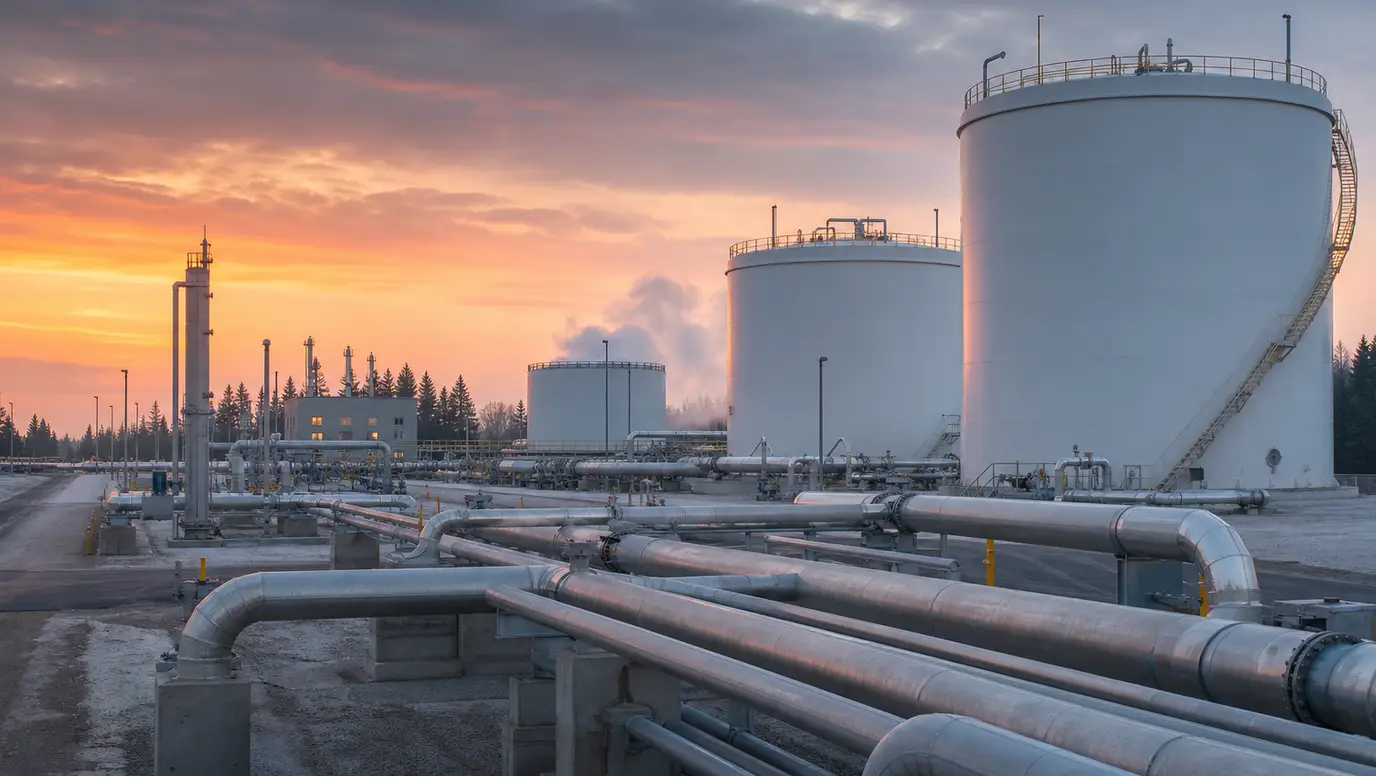
SEPTEMBER 25, 2026
Henry Hub Natural Gas Futures Slip as Storage Build Caps Energy Market Rally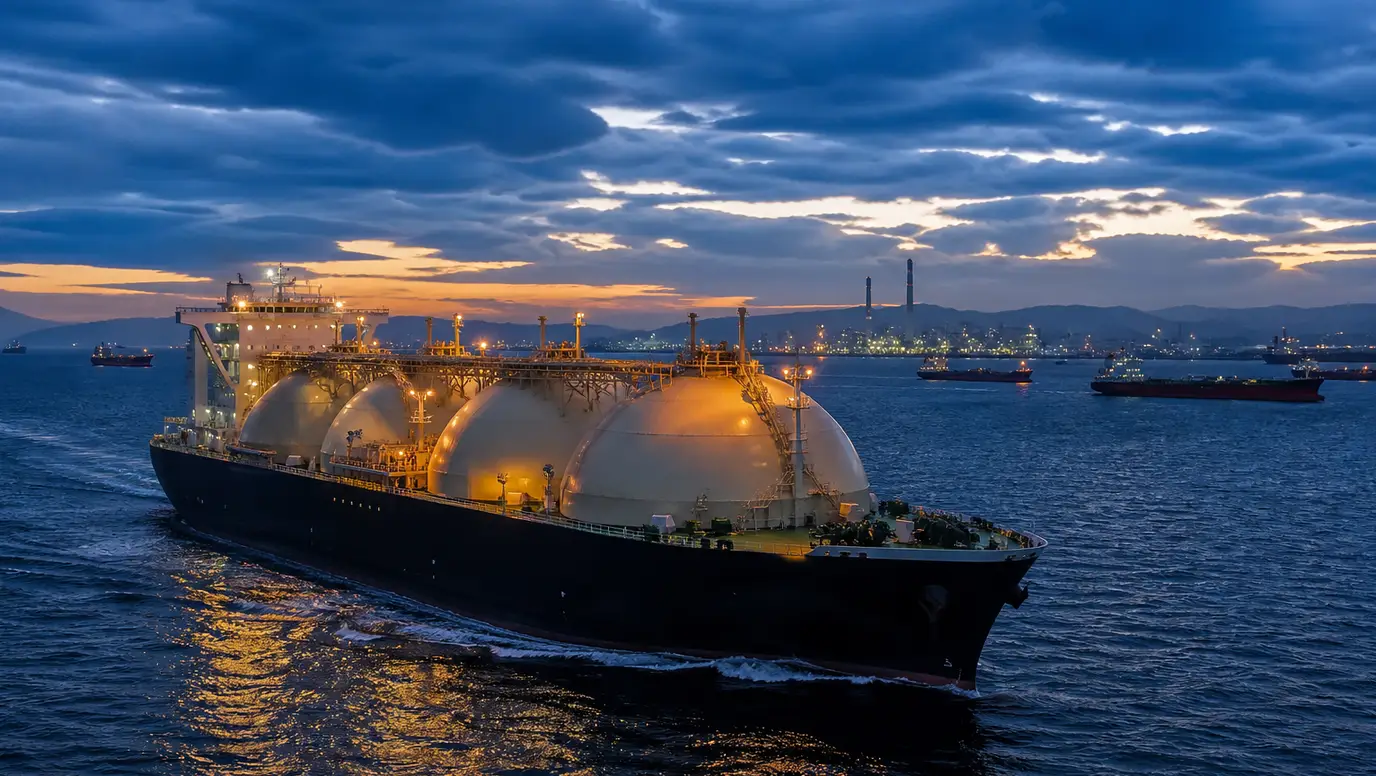
SEPTEMBER 21, 2026
LNG Gas Prices Hit 45-Month High as Hormuz Risk Tightens Winter Supply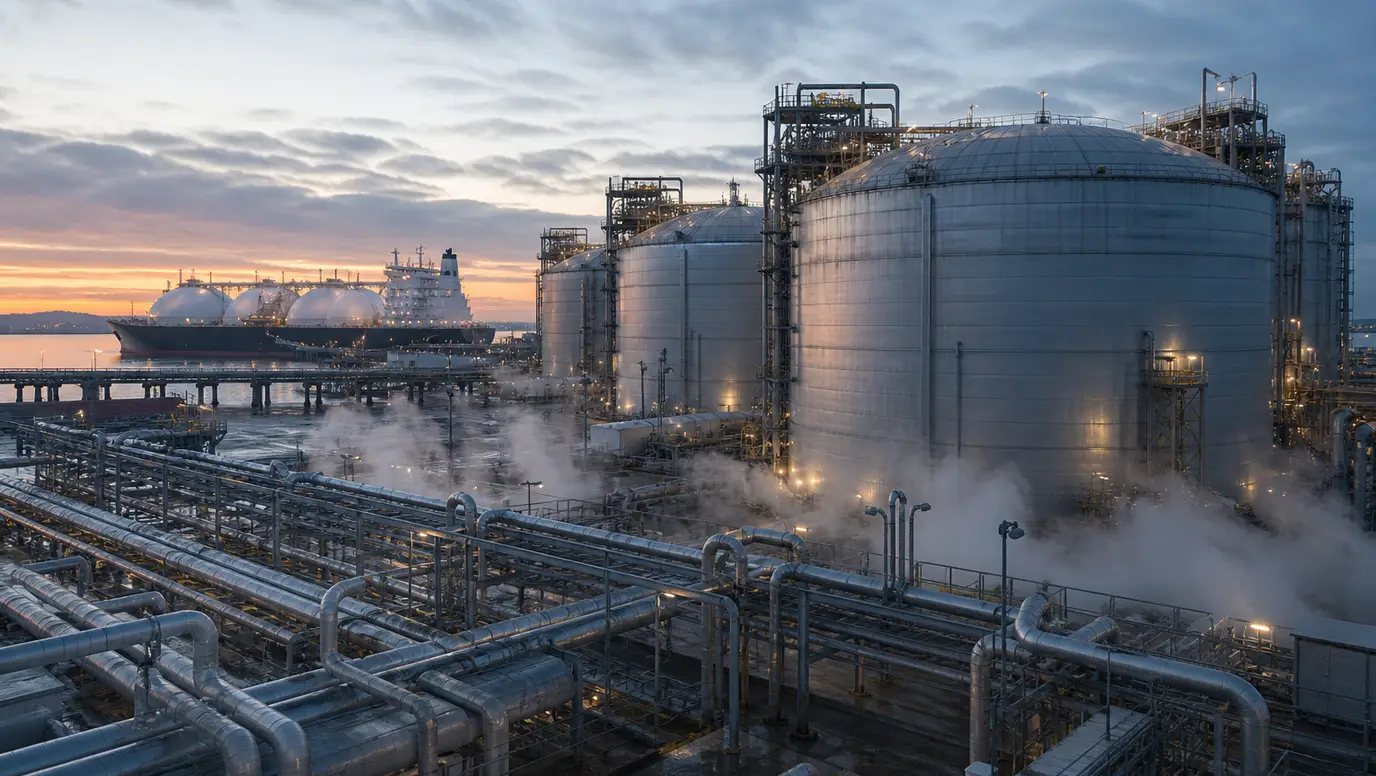
SEPTEMBER 18, 2026
Natural Gas Futures Fade as LNG Feedgas Drop Offsets Lean Storage Build
SEPTEMBER 13, 2026
Henry Hub Slips as Gas Storage Cushion Offsets Winter Demand Risk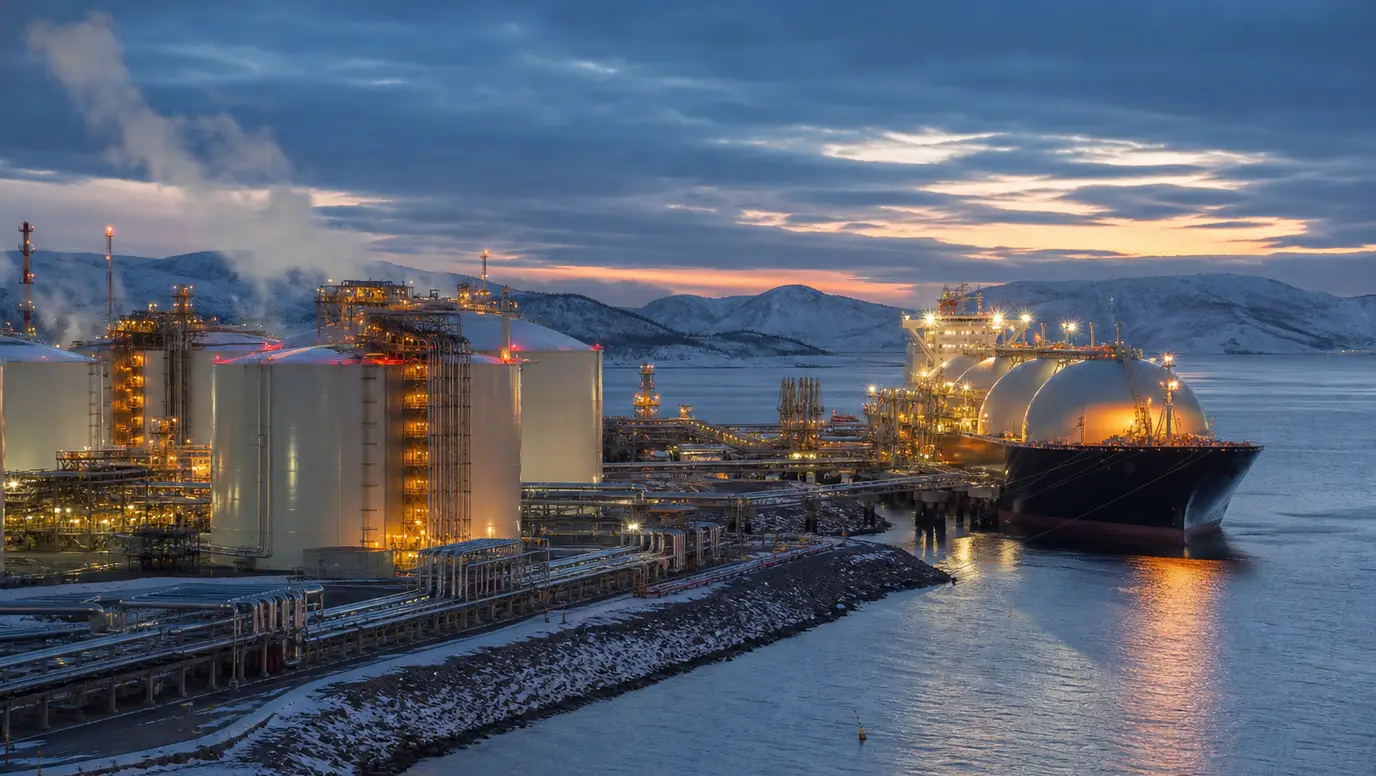
SEPTEMBER 8, 2026
Natural Gas Climbs as LNG Bidding Puts Energy Market on Winter Storage Watch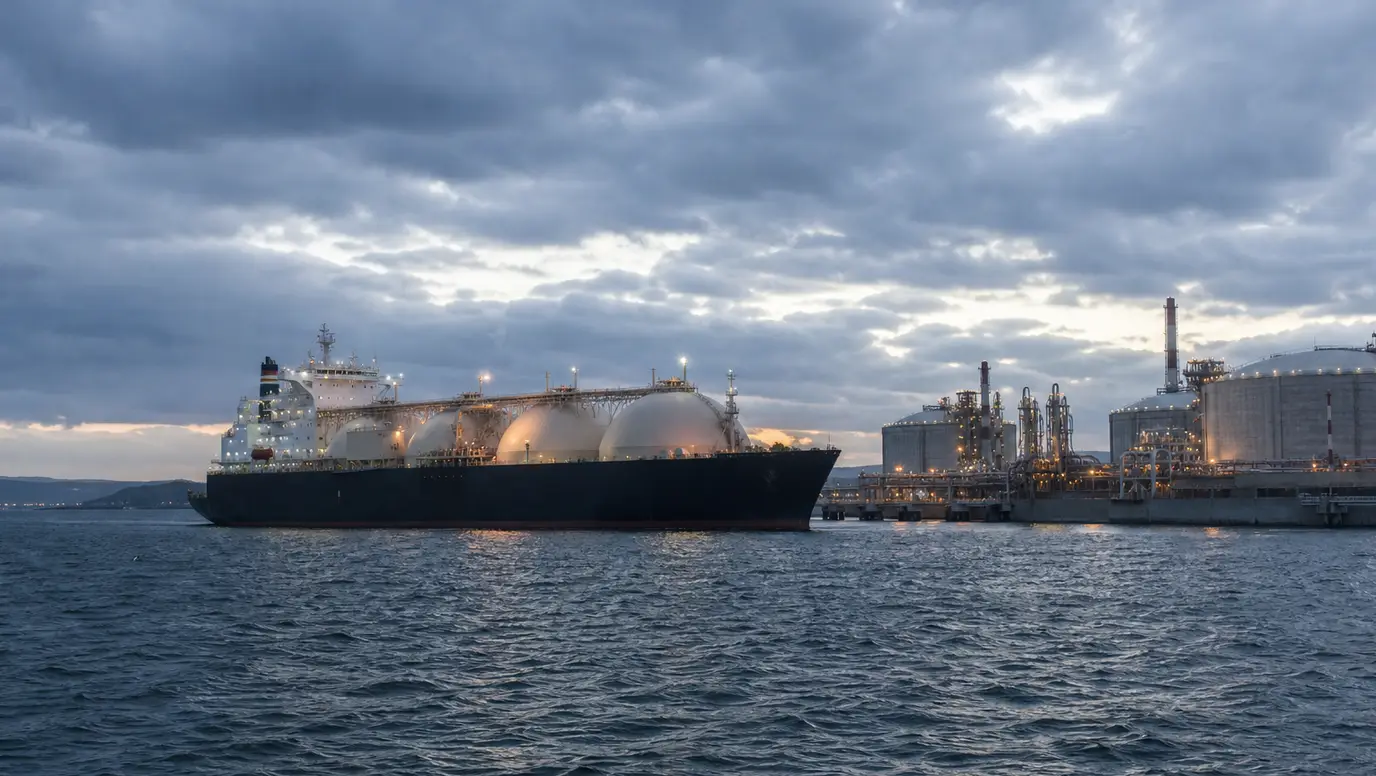
SEPTEMBER 2, 2026
Natural Gas Surge Lifts Energies as LNG Supply Fears Return
AUGUST 28, 2026
Natural Gas Storage Build Puts Henry Hub on LNG Supply Watch
AUGUST 22, 2026
Natural Gas Storage Cushion Puts Energy Commodities on LNG Supply Watch
AUGUST 16, 2026
LNG Maintenance Puts Natural Gas and Henry Hub on Storage Watch
AUGUST 12, 2026
Texas Power Demand Reset Cools Energy Market as Natural Gas and Solar Lead Supply Growth
AUGUST 8, 2026
Natural Gas Storage Cushion Keeps Henry Hub Under LNG Maintenance Pressure
AUGUST 3, 2026
LNG Exports Surge Tests Natural Gas Commodities as Supply Risk Lingers
AUGUST 1, 2026
Natural Gas Storage Surplus Tests Henry Hub Rally as Power Demand Climbs
JULY 26, 2026
LNG Squeeze Pulls Energy Commodities Into Winter Risk Trade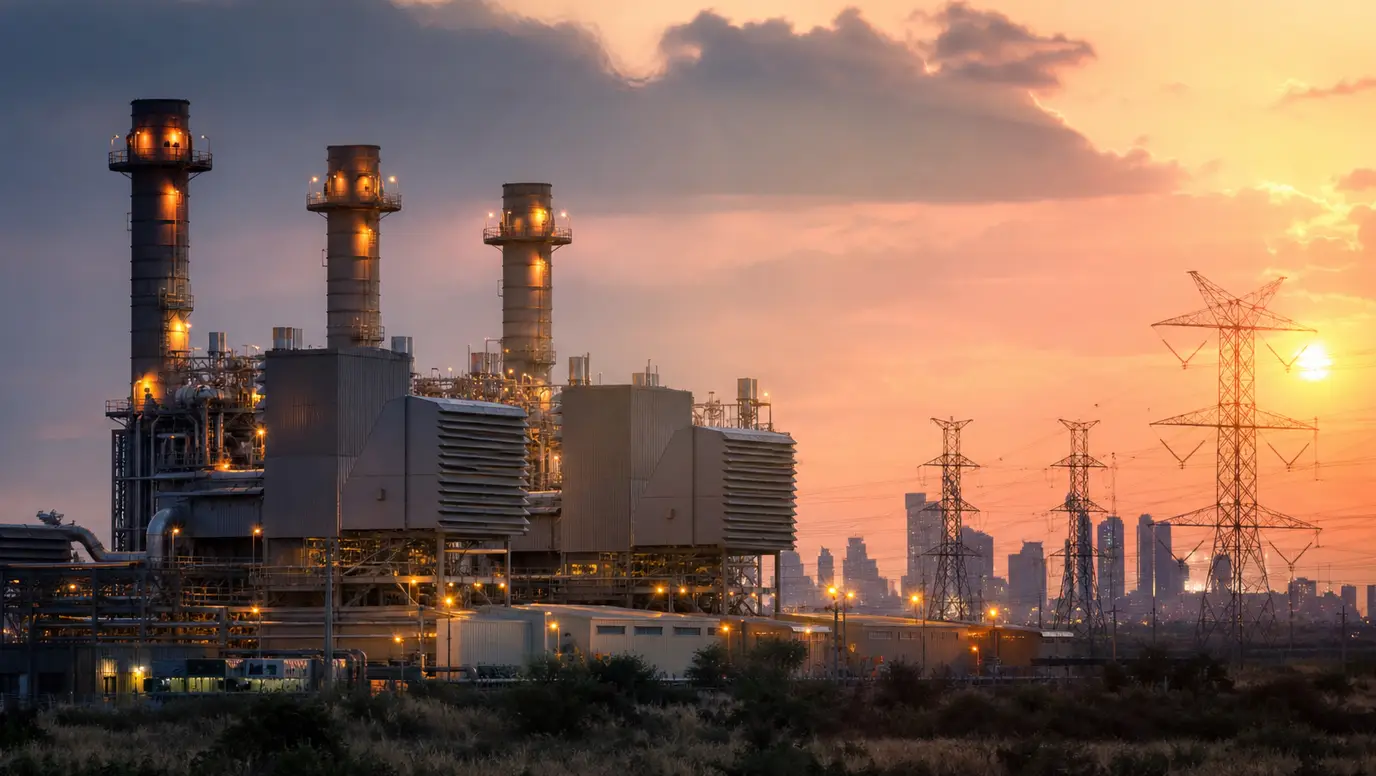
JULY 23, 2026
Natural Gas Rally Faces Storage Test as Cooling Demand Tightens Energy Market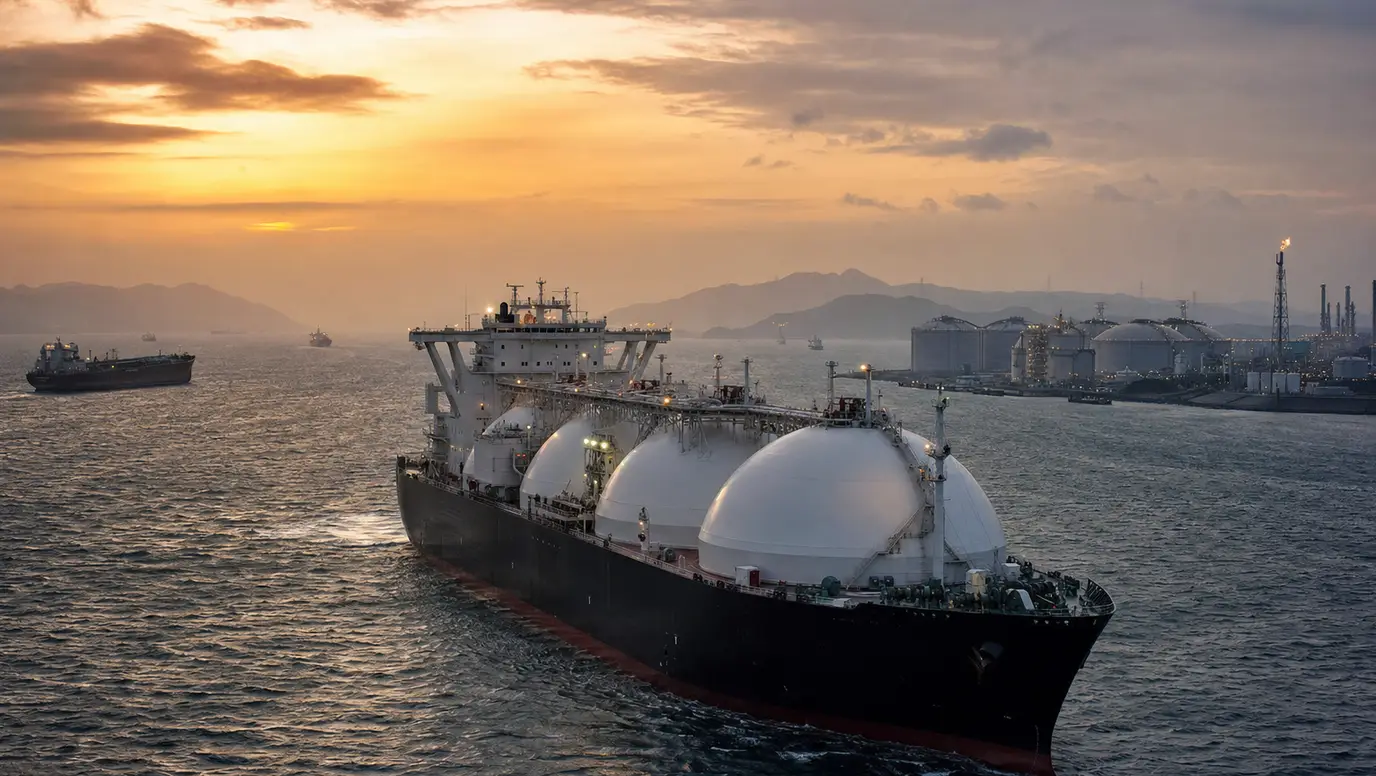
JULY 21, 2026
LNG Supply Race Overtakes Oil as Gas Prices Jump on Hormuz Disruption
JULY 16, 2026
LNG and Gas Prices Keep Energy Market on Edge as US Dollar Weakens
JULY 7, 2026
LNG Tightness Puts Energy Market on Storage Watch as European Gas Jumps
JUNE 30, 2026
Natural Gas Rally Outruns Softer Oil as Heat and LNG Demand Split Energy Market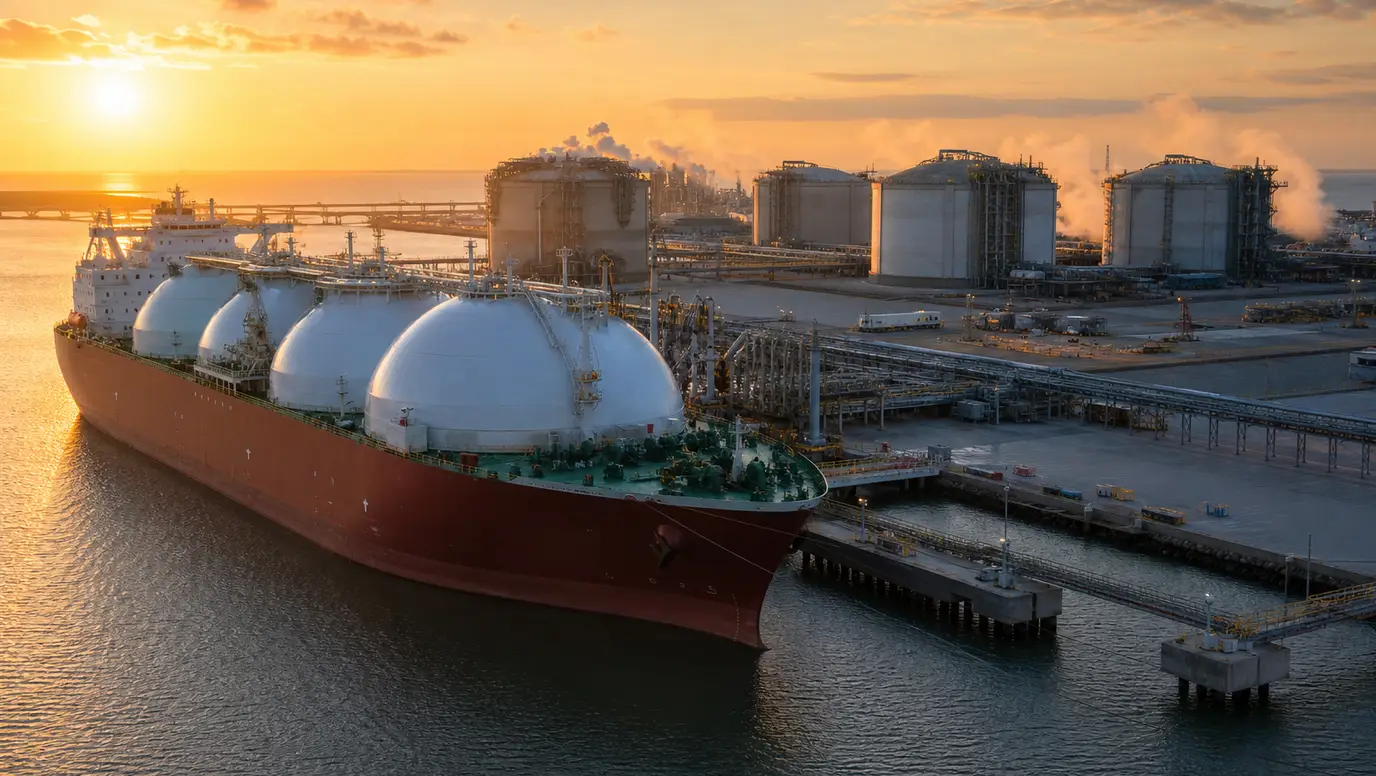
JUNE 26, 2026
LNG Demand Puts U.S. Gas Market on Alert as Crude Oil Premium Fades
JUNE 13, 2026
Natural Gas Rally Stalls as Storage Build Offsets LNG Demand Hopes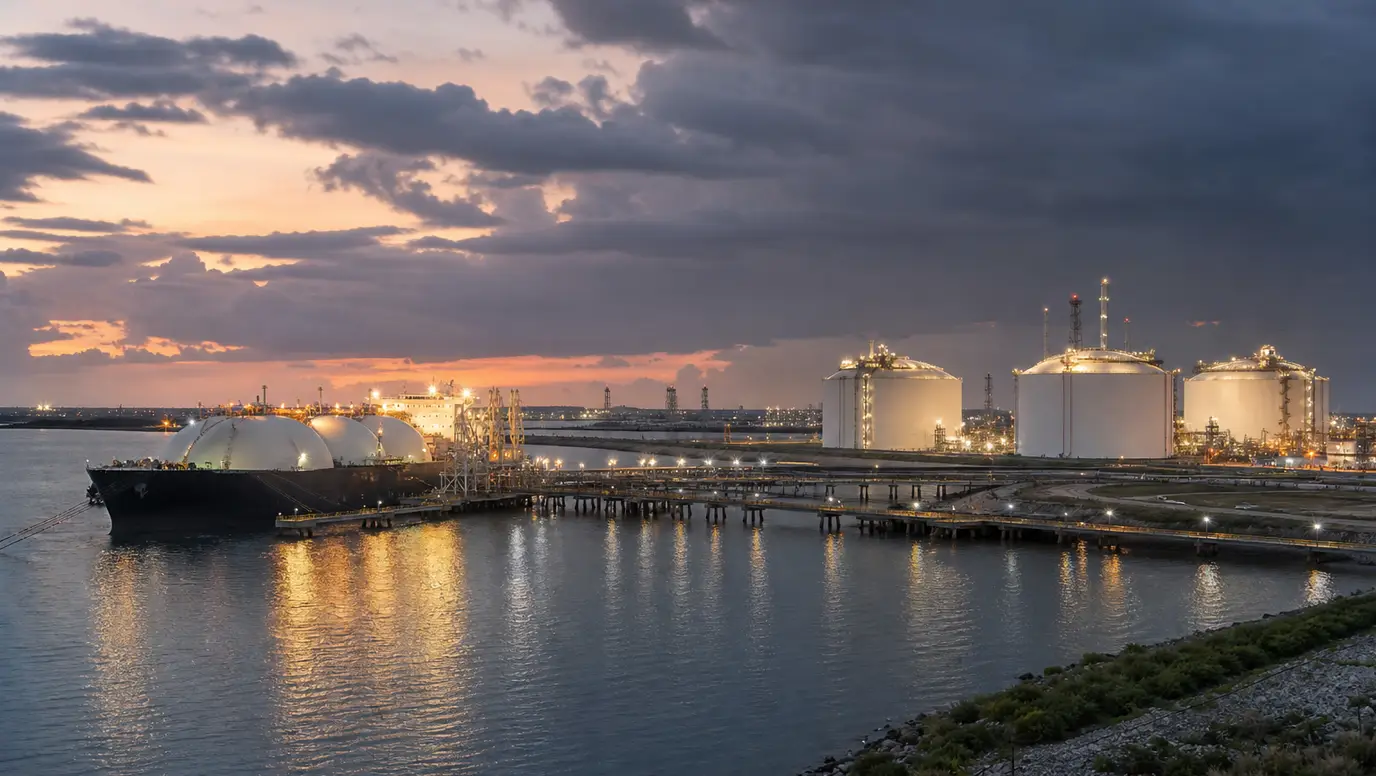
JUNE 5, 2026
LNG Demand and Summer Power Burn Put Natural Gas Back at the Center of Energy Market Trade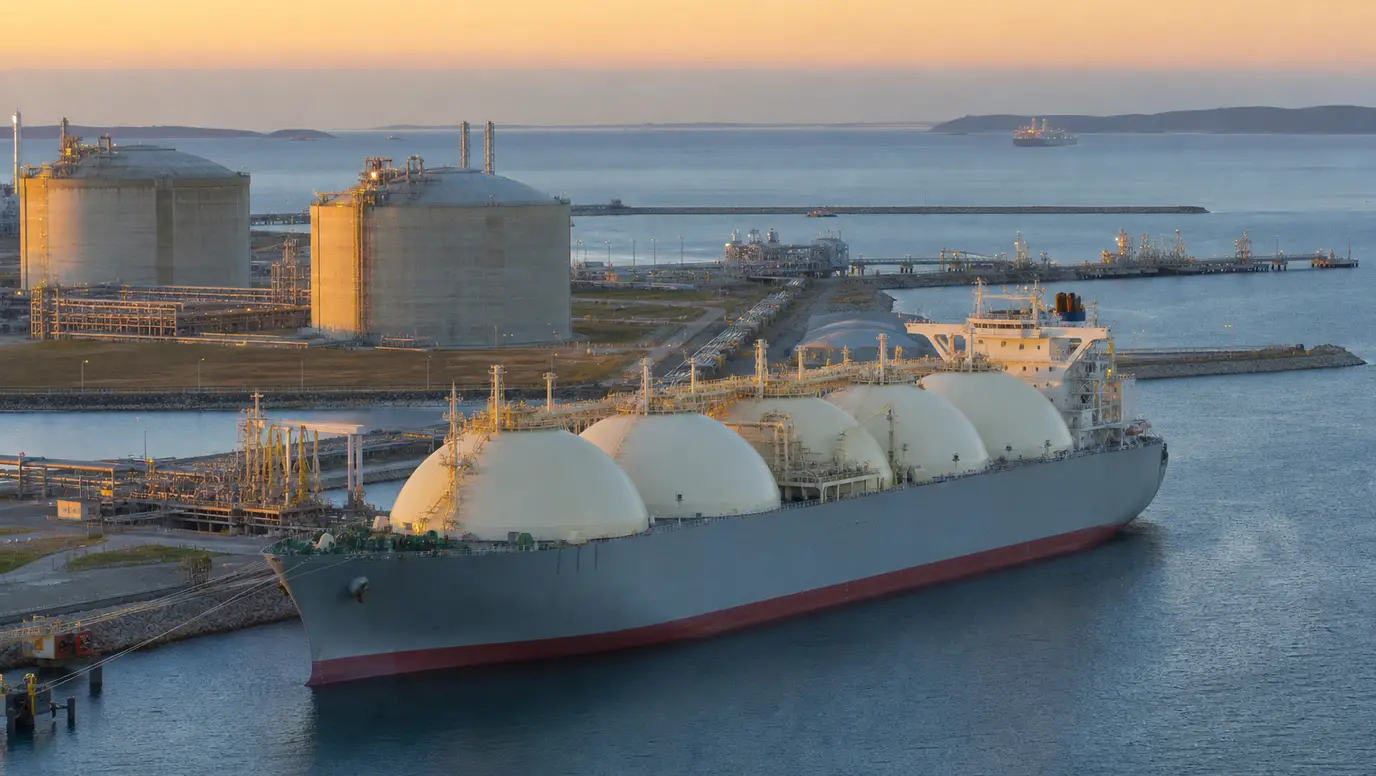
MAY 30, 2026
LNG Squeeze Keeps Energy Market on Edge as Summer Demand Nears
MAY 22, 2026
Natural Gas Slips as Larger Storage Build Cools Summer Demand Bets