OCTOBER 13, 2026
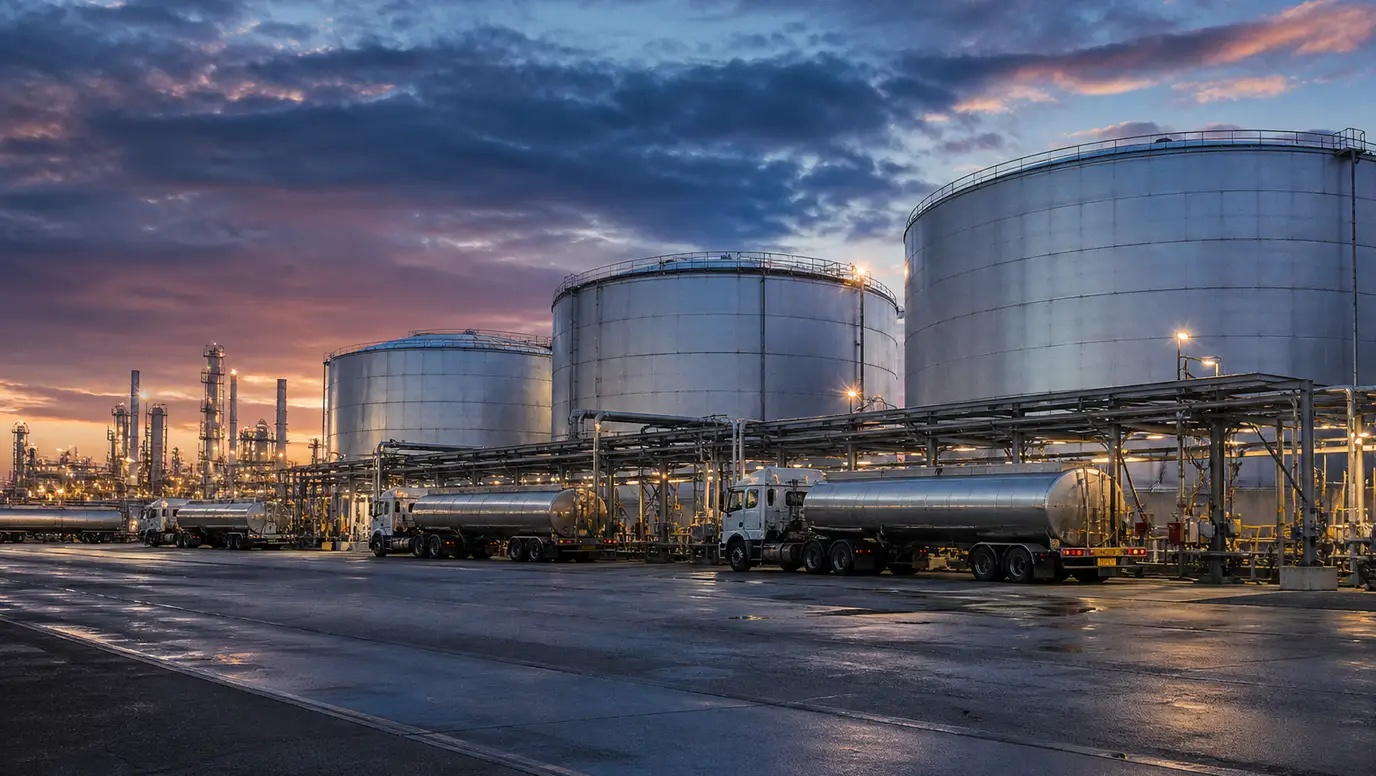
Gasoline Fuel Futures Stay Elevated as Low US Inventories Keep Refinery Risk in FocusGasoline fuel futures remain supported as low US inventories and refinery constraints keep crack spreads above seasonal norms.

© 1box.site 2026

SEPTEMBER 5, 2026
Gasoline is moving back to the center of the energy market as elevated refining margins, firm crude prices and lean U.S. inventories keep pump-price risk alive after the summer driving season. The latest weekly petroleum figures showed total motor gasoline stocks falling by 1.2 million barrels to 205.7 million barrels in the week ended August 28, leaving inventories about 6% below the five-year average for this time of year.
The draw came even as U.S. refiners were running hard. Crude inputs reached about 17.5 million barrels per day, up from the previous week, while refinery utilization climbed to 98% of operable capacity. Gasoline production averaged roughly 9.8 million barrels per day, but the market still struggled to rebuild a comfortable buffer before the seasonal maintenance period that typically reduces refinery runs in September and October.
For traders, the message is that the gasoline market is no longer responding only to crude direction. Wholesale fuel prices have been supported by the value of refinery output relative to crude input costs, with New York Harbor gasoline recently near $3.24 per gallon and Los Angeles gasoline above $3.80 per gallon. At the retail level, the U.S. regular gasoline average was around $4.15 per gallon in early September, keeping fuel costs visible for consumers and inflation-sensitive investors.
The key signal is the crack spread, a market measure that compares the cost of crude oil with the value of refined products such as gasoline. When crack spreads are wide, refiners have an incentive to run at high rates, but consumers do not always see quick relief at the pump even if crude prices pause or edge lower.
That dynamic is important because crude benchmarks remain historically firm. Recent spot pricing put WTI above $92 per barrel and Brent above $100 per barrel, preserving a high input-cost base for refiners. With gasoline inventories below normal and regional supply chains exposed to maintenance, outages and import timing, wholesale fuel can stay bid even when demand indicators soften.
Demand is not especially aggressive. Four-week average motor gasoline product supplied was just under 8.9 million barrels per day, below the comparable period a year earlier. In a looser market, that kind of demand profile would usually pressure prices. This time, the tighter stock cushion and high utilization rate are limiting the bearish impact.
The immediate question for the energy market is whether refiners can enter autumn maintenance without creating another squeeze in gasoline availability. Running refineries near full capacity helped meet late-summer demand, but it also leaves less spare operating room if planned work overlaps with unplanned outages.
Seasonal specification changes can also complicate price signals. Gasoline futures typically shift away from summer-grade fuel after the peak driving season, which can reduce some cost pressure. However, the benefit may be muted if spot barrels remain scarce in key consuming regions or if crude prices stay elevated.
Regional differences are likely to matter. West Coast fuel markets remain more vulnerable to refinery capacity constraints and longer import routes, while the Gulf Coast has more refining depth but is sensitive to storm risk during the Atlantic hurricane season. The Northeast can also tighten quickly if cargo arrivals slow or refinery issues emerge at the same time as inventories are already below normal.
For investors, the setup keeps refiners, fuel distributors and consumer-sensitive equities tied to the same variable: whether product margins remain elevated into autumn. Strong margins can support refining earnings, but they also raise the risk that fuel costs become a renewed drag on household spending and transport-heavy businesses.
Gasoline has not delivered the same headline shock as other parts of the fuel complex in recent sessions, but the market structure remains tight enough to demand attention. Unless inventories begin to rebuild convincingly, energy traders may treat any refinery disruption or crude-price advance as a fresh catalyst for pump-price volatility.
OCTOBER 13, 2026
Gasoline Fuel Futures Stay Elevated as Low US Inventories Keep Refinery Risk in Focus
OCTOBER 7, 2026
Gasoline Futures Climb as Gulf Storm Puts Fuel Supply on Alert
OCTOBER 1, 2026
Gasoline Futures Rise as Fuel Export Curbs Tighten Energy Market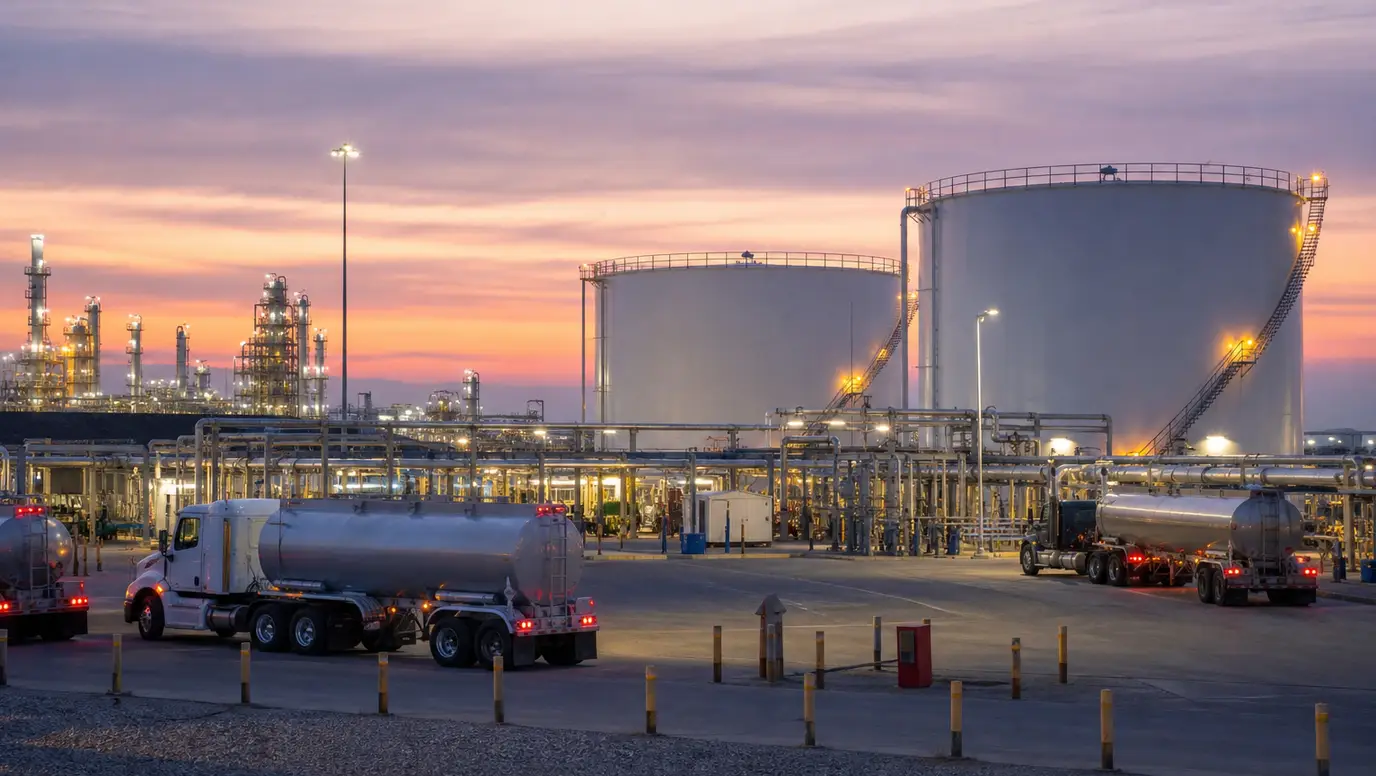
SEPTEMBER 26, 2026
Gasoline Futures Stay Volatile as U.S. Stock Draw Tightens Fuel Market Cushion
SEPTEMBER 19, 2026
Gasoline Futures Climb as Refinery Outage and Pump Price Jump Put Fuel Market on Alert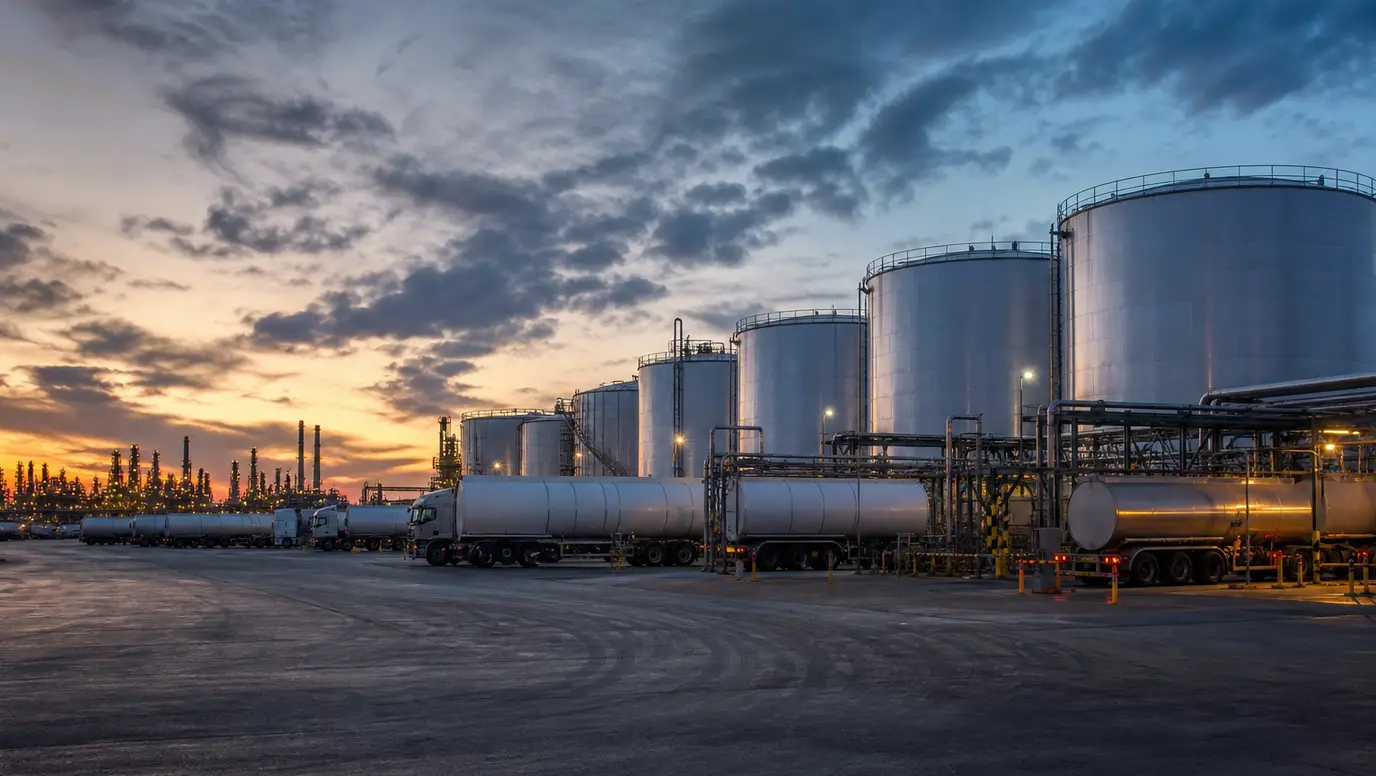
SEPTEMBER 10, 2026
Distillate Fuel Rally Spreads to Gasoline as Refinery Outages Tighten Energy Market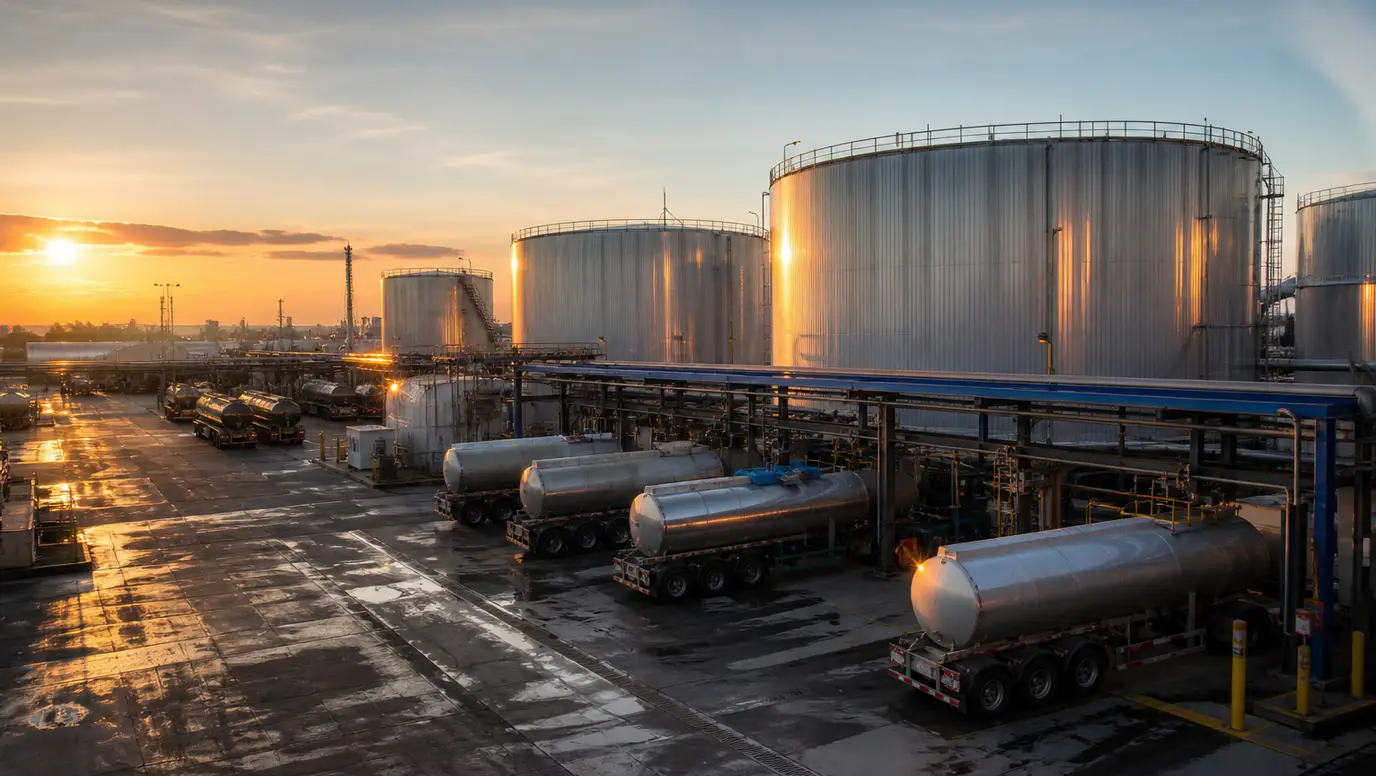
AUGUST 25, 2026
Gasoline Futures Slide as Fuel Waiver Puts Energy Commodities on Pump Price Watch
AUGUST 17, 2026
Gasoline Draw Keeps Energy Market Focus on Refinery Run and Fuel Demand
AUGUST 9, 2026
Gasoline and Distillate Fuel Draws Tighten Energy Market as Refinery Runs Stay High
AUGUST 8, 2026
Natural Gas Storage Cushion Keeps Henry Hub Under LNG Maintenance Pressure
AUGUST 4, 2026
Gasoline and Distillate Fuel Stay on Edge as OPEC+ Oil Supply Hike Tests Refining Market
JULY 29, 2026
Gasoline Cracks Lift Energy Commodities as Crude Rebounds on Inventory Draw
JULY 22, 2026
Crude Oil, Gasoline and Distillate Builds Cool Rally as U.S. Refineries Run Hot