
OCTOBER 7, 2026
Gasoline Futures Climb as Gulf Storm Puts Fuel Supply on AlertGasoline futures rise as Gulf storm risk puts refinery supply and fuel inventories back in focus for energy traders.

© 1box.site 2026
OCTOBER 13, 2026
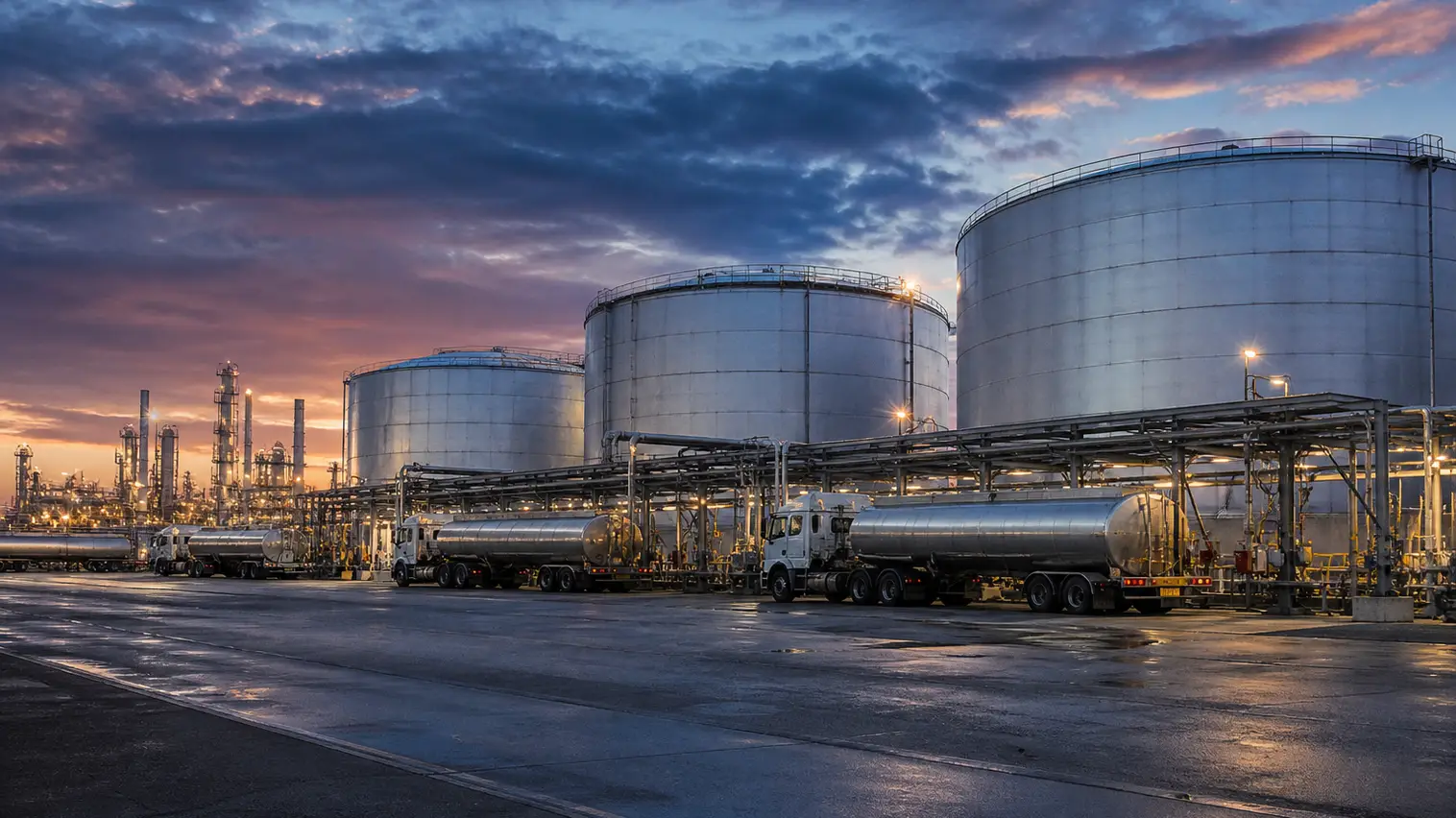
Gasoline fuel futures remained under market scrutiny on Tuesday as traders weighed a modest weekly stock build against a still-tight U.S. supply backdrop and lingering refinery risk. The latest official data showed gasoline inventories rose in the most recent release, but the increase did little to erase concern that national stocks remain below normal for this point in the year.
The market tone reflects a broader shift in the energy complex: crude benchmarks continue to matter, but refined products are increasingly setting the near-term inflation signal for consumers and fuel distributors. Gasoline has become especially sensitive to changes in refinery utilization, import flows and regional supply balances as the market moves away from peak summer driving demand and into autumn maintenance season.
Official monthly projections released last week suggested that retail gasoline prices may be broadly steady in October compared with September before easing gradually as crude prices soften. However, the same outlook indicated that gasoline crack spreads are expected to stay above seasonal averages through the beginning of 2027 because U.S. inventories remain low.
That distinction is important for energy traders. A falling crude market does not automatically translate into cheaper gasoline if refiners, wholesalers and distributors are still competing for limited product supply. Crack spreads measure the difference between crude costs and wholesale fuel values, so elevated spreads imply that refinery economics remain firm even if headline oil prices lose momentum.
For futures markets, the key question is whether recent inventory additions are large enough to rebuild a cushion before the winter and early spring demand cycle. So far, the answer appears uncertain. A single stock build can cool the most aggressive bullish positioning, but below-average inventories tend to leave gasoline contracts exposed to abrupt rallies if an unplanned refinery outage, weather disruption or import slowdown hits a major consuming region.
Refinery operations are now central to the gasoline outlook. Autumn maintenance can reduce crude runs and product output just as the market is trying to rebuild stocks after the high-demand summer period. Even when demand softens seasonally, lower refinery throughput can keep the physical market tight, especially if inventories entered the period with a thin buffer.
Recent weekly figures showed U.S. refineries still operating at high utilization levels, but traders are watching whether those rates can be sustained. High refinery runs can help stabilize gasoline supply, yet they also leave less room for error if equipment failures or regional turnarounds remove capacity from the market. In that environment, futures can remain supported even without a fresh surge in demand.
The next weekly inventory update, due later this week, is likely to shape short-term sentiment. A larger-than-expected gasoline draw would reinforce the view that supply remains fragile, while another build could ease immediate pressure and encourage profit-taking in nearby contracts. Market participants will also watch implied gasoline demand, imports and refinery utilization for confirmation that the balance is actually loosening.
For consumers, the futures signal points to gradual rather than immediate relief. Wholesale gasoline values can move quickly, but retail prices often adjust with a lag because taxes, distribution costs and station margins play a large role in pump prices. That means even if crude oil weakens, drivers may not see a proportional decline unless gasoline inventories rebuild and crack spreads retreat more decisively.
The risk for the wider market is that sticky fuel prices keep transportation costs elevated and complicate the inflation outlook. Gasoline is highly visible to households, and sudden moves at the pump can influence consumer confidence even when broader energy markets appear stable.
For now, gasoline fuel futures remain caught between two forces: seasonal demand is no longer at its summer peak, but inventory levels and refinery constraints continue to limit downside confidence. Until weekly data show a clearer rebuilding trend, the market is likely to treat pullbacks as vulnerable to renewed buying rather than as confirmation that the fuel squeeze has ended.
OCTOBER 7, 2026
Gasoline Futures Climb as Gulf Storm Puts Fuel Supply on Alert
OCTOBER 1, 2026
Gasoline Futures Rise as Fuel Export Curbs Tighten Energy Market
SEPTEMBER 26, 2026
Gasoline Futures Stay Volatile as U.S. Stock Draw Tightens Fuel Market Cushion
SEPTEMBER 19, 2026
Gasoline Futures Climb as Refinery Outage and Pump Price Jump Put Fuel Market on Alert
SEPTEMBER 10, 2026
Distillate Fuel Rally Spreads to Gasoline as Refinery Outages Tighten Energy Market
SEPTEMBER 5, 2026
Gasoline Fuel Margins Put Energy Market on Pump Price Watch
AUGUST 25, 2026
Gasoline Futures Slide as Fuel Waiver Puts Energy Commodities on Pump Price Watch
AUGUST 17, 2026
Gasoline Draw Keeps Energy Market Focus on Refinery Run and Fuel Demand
AUGUST 9, 2026
Gasoline and Distillate Fuel Draws Tighten Energy Market as Refinery Runs Stay High
AUGUST 8, 2026
Natural Gas Storage Cushion Keeps Henry Hub Under LNG Maintenance Pressure
AUGUST 4, 2026
Gasoline and Distillate Fuel Stay on Edge as OPEC+ Oil Supply Hike Tests Refining Market
JULY 29, 2026
Gasoline Cracks Lift Energy Commodities as Crude Rebounds on Inventory Draw
JULY 22, 2026
Crude Oil, Gasoline and Distillate Builds Cool Rally as U.S. Refineries Run Hot