OCTOBER 13, 2026
Gasoline Fuel Futures Stay Elevated as Low US Inventories Keep Refinery Risk in FocusGasoline fuel futures remain supported as low US inventories and refinery constraints keep crack spreads above seasonal norms.

© 1box.site 2026

OCTOBER 19, 2026
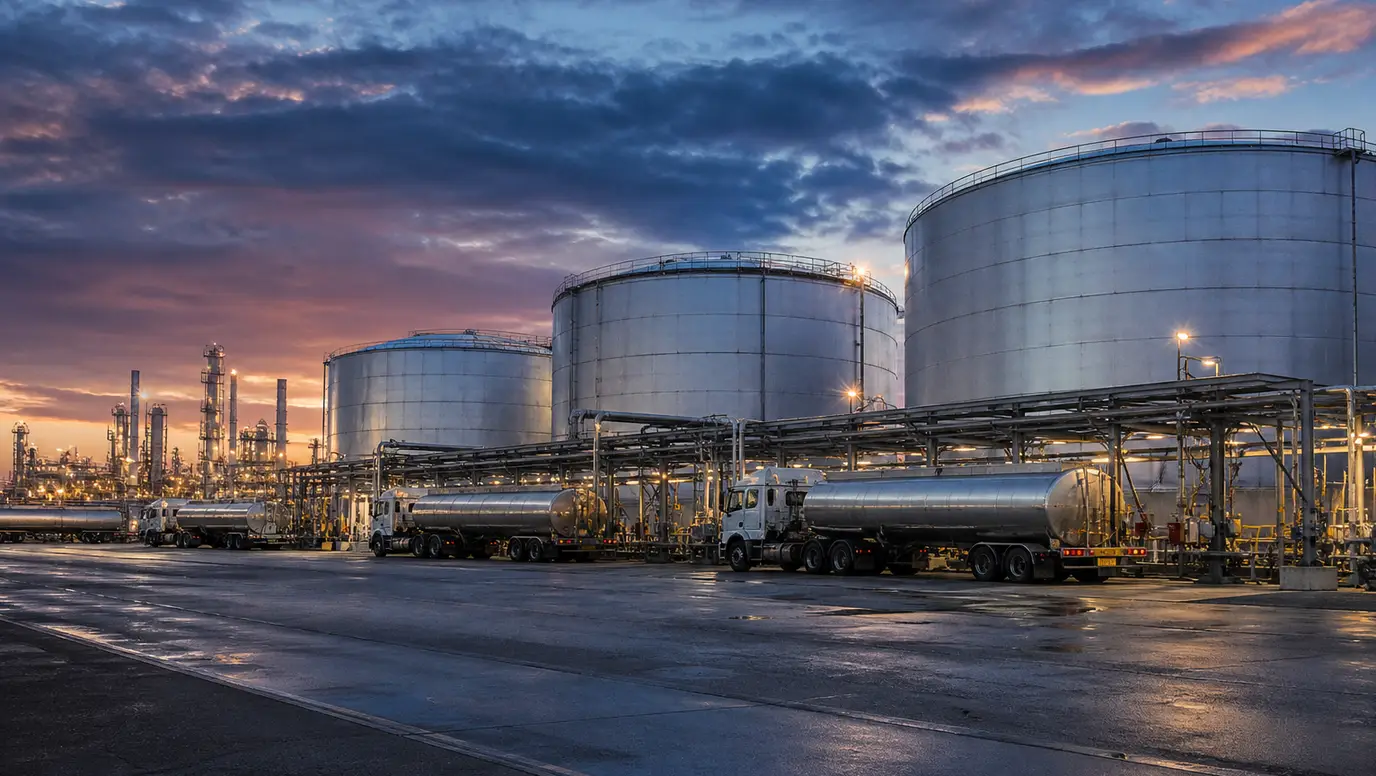
Energy markets carried the strongest fresh news impulse among major commodity sections on Monday, with fuel supply risk again overshadowing a quieter metals tape. Gasoline moved back into focus as reports of a Russian supply shortfall, repeated refinery disruptions and tense global product balances gave traders another reason to defend risk premiums across refined fuels.
The immediate issue is not simply the level of benchmark oil prices, but the fragility of the refining system behind them. Russian officials have indicated that the domestic gasoline deficit is around 5%, while recent refinery outages have reinforced concerns that localized shortages can persist even when headline crude flows appear more stable. For energy traders, that keeps gasoline spreads, refinery margins and regional fuel availability at the center of the week’s market debate.
Fresh refinery disruption in Russia has sharpened attention on the country’s ability to supply its own fuel market while also managing export commitments and wartime logistics. A large refinery in the Ryazan region reportedly halted one main processing unit after a drone attack in mid-October, adding to a pattern of repeated damage and repair delays at key fuel-producing sites.
That matters for the broader energy market because gasoline shortages can force governments to prioritize domestic supply, restrict exports or adjust subsidies. Even when such measures are designed to calm local pump prices, they can reduce flexible supply available to neighboring markets and complicate product flows for importers already paying elevated freight and insurance costs.
Traders are also watching whether shortages in gasoline spill into other parts of the barrel. A refinery that runs below capacity does not only produce less motor fuel; it can also alter the availability of naphtha, jet fuel, gasoil and feedstocks used by petrochemical plants. That makes the outage risk relevant beyond Russian retail fuel stations and into regional refining margins.
The latest energy-market reaction shows a familiar split: crude benchmarks can ease on diplomatic headlines or sanction waivers, while refined products remain supported by physical constraints. In that environment, gasoline can hold a risk premium even if broader oil futures lose momentum, because end-user demand must still be met in specific locations and within tight delivery windows.
Middle East shipping uncertainty and constrained Russian refining capacity have also made traders more sensitive to any sign of product scarcity. If freight routes remain expensive or risky, barrels that look available on paper may be slower to reach deficit regions. That timing problem is often enough to lift prompt fuel prices and widen nearby spreads.
For now, the gasoline market is likely to trade less on long-term demand forecasts and more on operational headlines: refinery restart schedules, export restrictions, shipping disruptions and government efforts to stabilize domestic supply. A confirmed improvement in Russian refinery runs would reduce pressure, but another outage or a wider fuel-rationing push would keep the market positioned for volatility.
The first test is whether Russian fuel supply conditions show measurable improvement before the end of October. If the reported gasoline deficit narrows, traders may fade part of the recent premium. If shortages persist, the market could price a more durable disruption to regional product balances.
The second test is refinery margin behavior. Strong gasoline cracks would signal that physical buyers are still competing for prompt supply, while softer margins would suggest the shortage narrative is becoming more localized. Until that distinction becomes clearer, the energy market is likely to treat gasoline as one of the more sensitive indicators of supply stress.
The third test is policy. Any extension of export controls, emergency imports or tax relief for fuel producers would confirm that authorities view the shortage as more than a temporary logistics problem. Such steps may stabilize domestic consumers, but they can also reshape trade flows and keep international energy traders alert to sudden price swings.
OCTOBER 13, 2026
Gasoline Fuel Futures Stay Elevated as Low US Inventories Keep Refinery Risk in Focus
OCTOBER 7, 2026
Gasoline Futures Climb as Gulf Storm Puts Fuel Supply on Alert
OCTOBER 1, 2026
Gasoline Futures Rise as Fuel Export Curbs Tighten Energy Market
SEPTEMBER 26, 2026
Gasoline Futures Stay Volatile as U.S. Stock Draw Tightens Fuel Market Cushion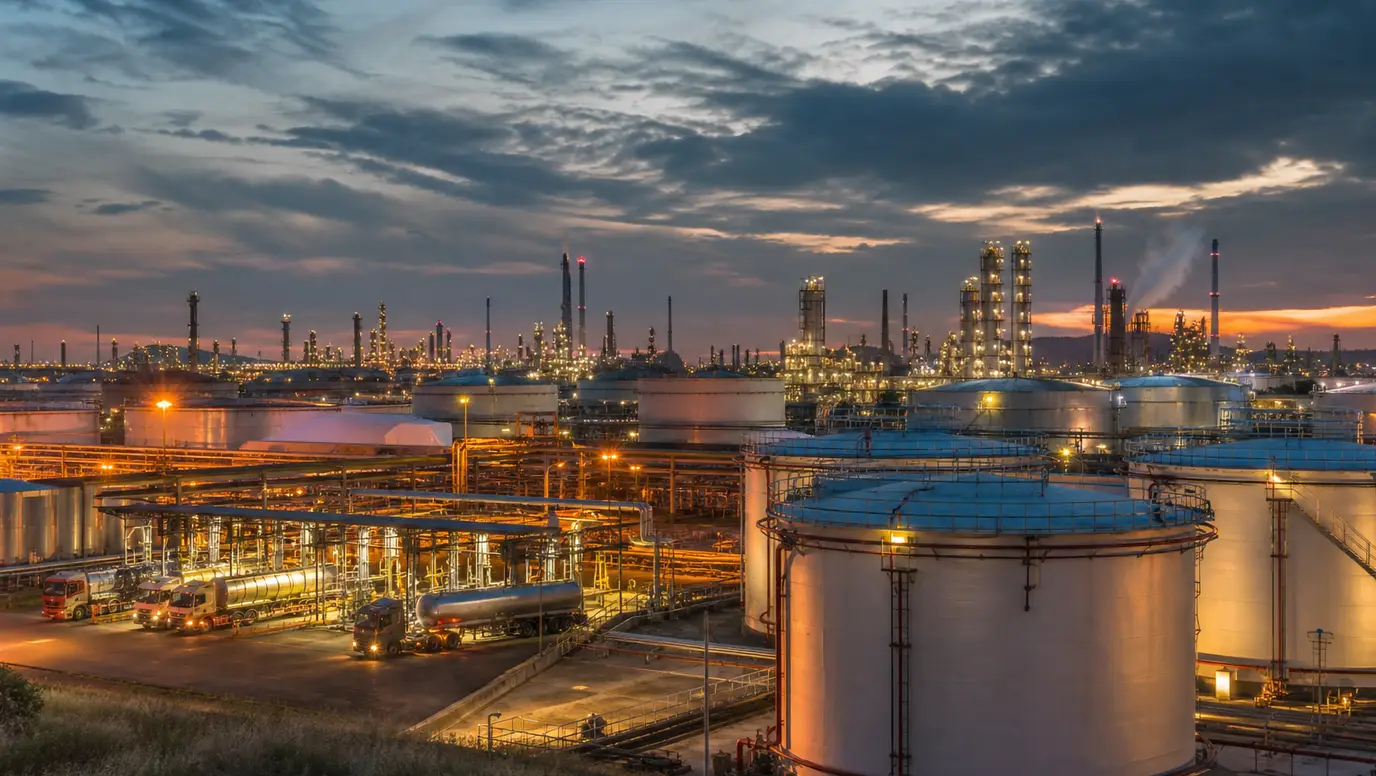
SEPTEMBER 19, 2026
Gasoline Futures Climb as Refinery Outage and Pump Price Jump Put Fuel Market on Alert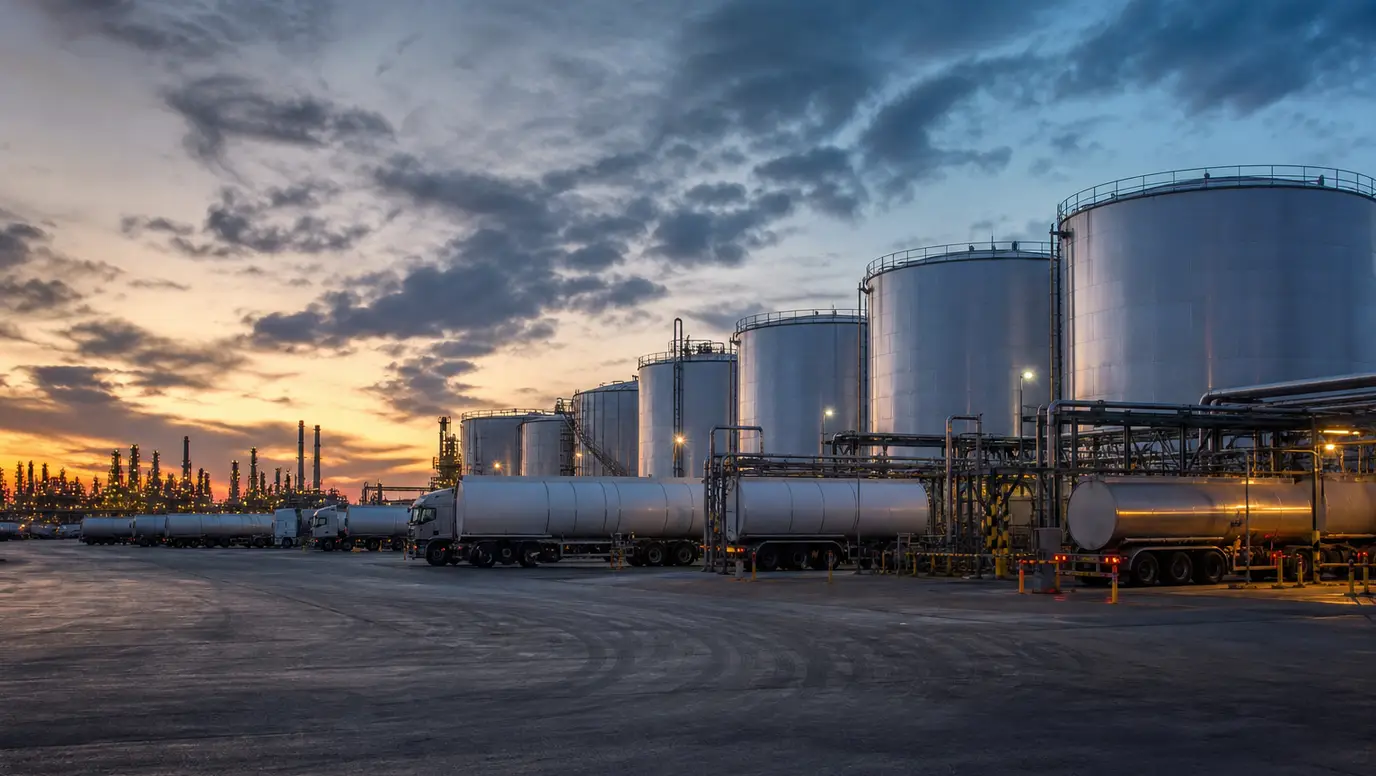
SEPTEMBER 10, 2026
Distillate Fuel Rally Spreads to Gasoline as Refinery Outages Tighten Energy Market
SEPTEMBER 5, 2026
Gasoline Fuel Margins Put Energy Market on Pump Price Watch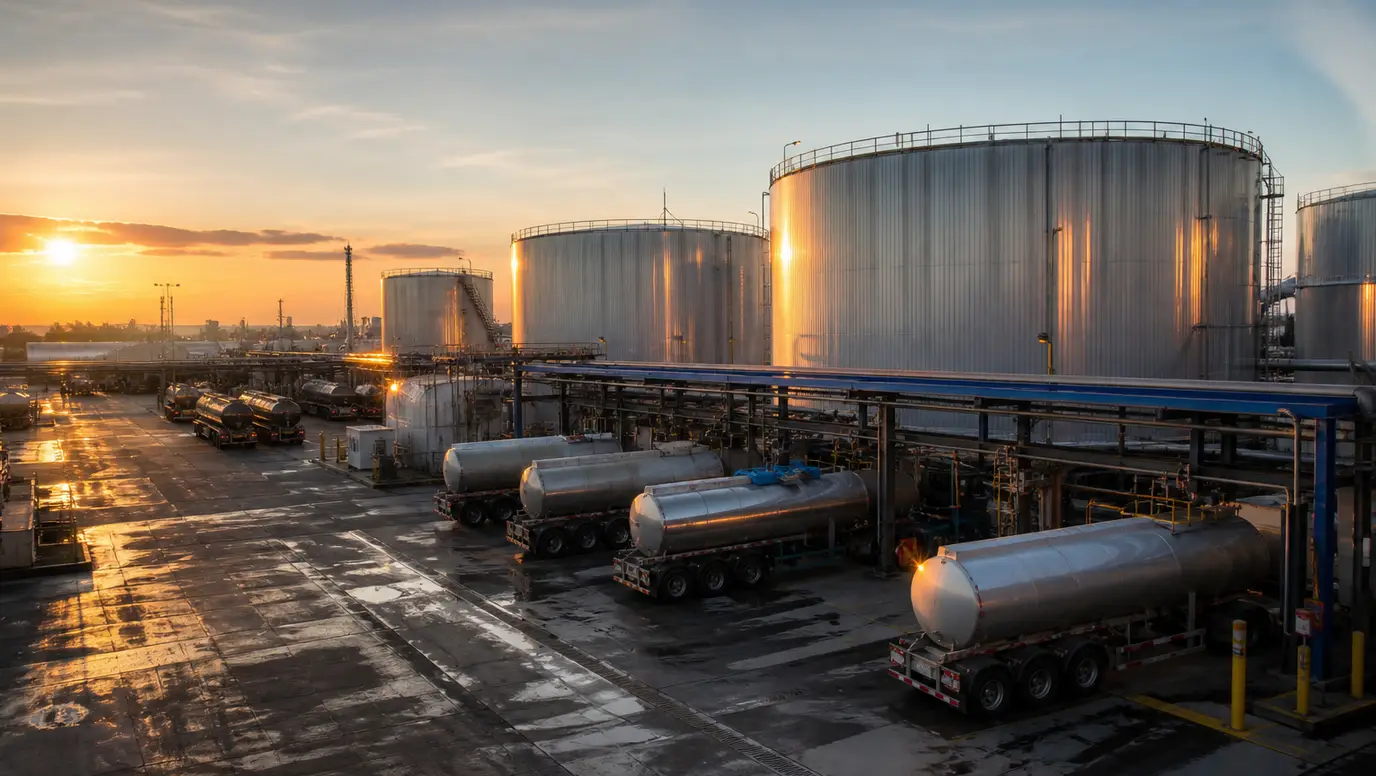
AUGUST 25, 2026
Gasoline Futures Slide as Fuel Waiver Puts Energy Commodities on Pump Price Watch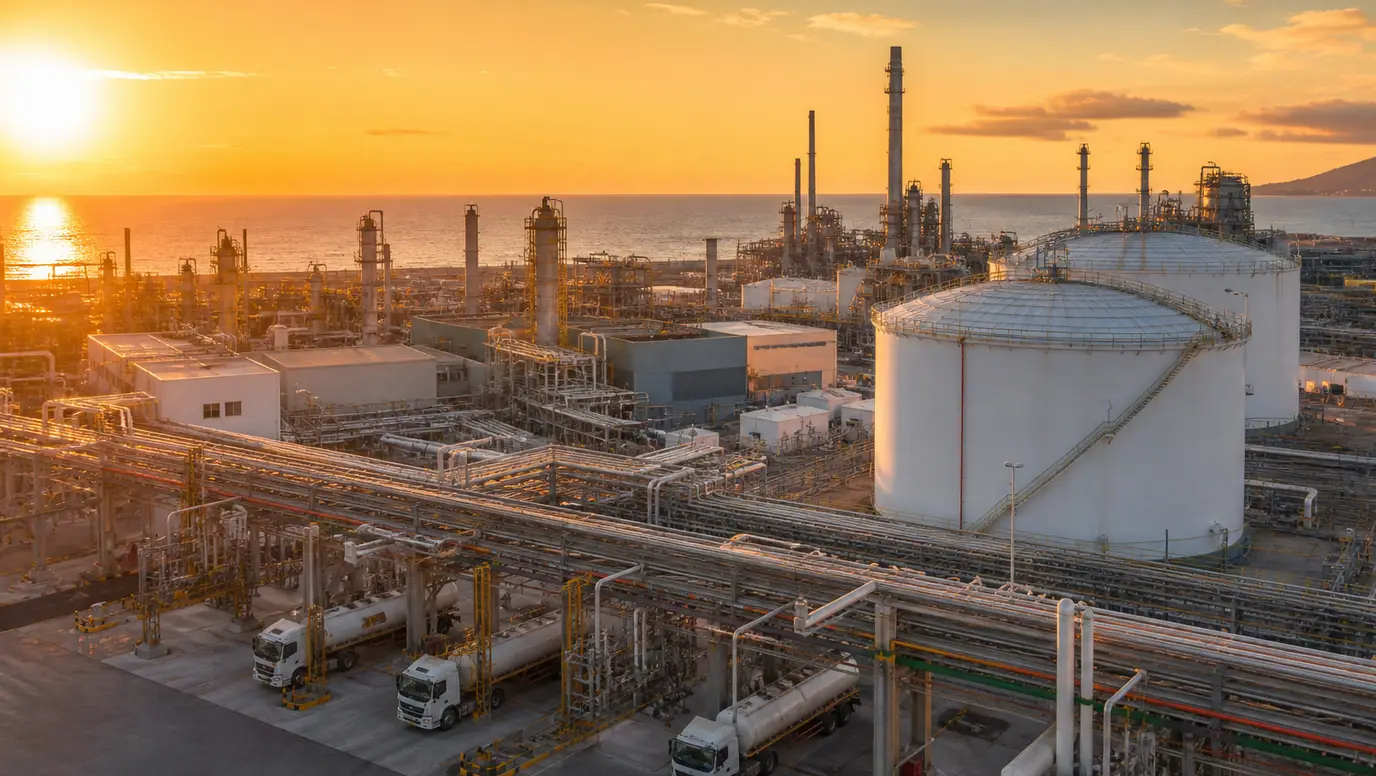
AUGUST 17, 2026
Gasoline Draw Keeps Energy Market Focus on Refinery Run and Fuel Demand
AUGUST 9, 2026
Gasoline and Distillate Fuel Draws Tighten Energy Market as Refinery Runs Stay High
AUGUST 8, 2026
Natural Gas Storage Cushion Keeps Henry Hub Under LNG Maintenance Pressure
AUGUST 4, 2026
Gasoline and Distillate Fuel Stay on Edge as OPEC+ Oil Supply Hike Tests Refining Market
JULY 29, 2026
Gasoline Cracks Lift Energy Commodities as Crude Rebounds on Inventory Draw
JULY 22, 2026
Crude Oil, Gasoline and Distillate Builds Cool Rally as U.S. Refineries Run Hot