
OCTOBER 1, 2026
Gasoline Futures Rise as Fuel Export Curbs Tighten Energy MarketGasoline futures climb as fuel export limits, refinery risks and low U.S. inventories keep the energy market focused on refined products.

© 1box.site 2026

OCTOBER 7, 2026
Gasoline futures moved higher on Wednesday as traders shifted attention from broad crude oil direction to a more immediate risk for the fuel market: potential disruption along the U.S. Gulf Coast refining corridor. The front-month wholesale gasoline contract traded above $3.30 per gallon during the session, extending a short-term rebound as storm forecasts raised concern that refinery operations, port schedules and regional fuel logistics could face interruptions.
The move gives the energy market a fresh refined-products story after recent attention centered on diesel margins, natural gas demand and benchmark crude prices. For gasoline traders, the issue is not only whether the storm causes direct damage, but whether precautionary shutdowns, shipping delays or reduced refinery runs temporarily tighten supply at a time when inventories are already being watched closely.
Gasoline often follows crude oil over longer periods, but refined-product contracts can break away when refinery capacity becomes the main driver. That appears to be the case now, with the market adding a weather premium to wholesale fuel prices even as traders continue to monitor the broader balance between global oil supply, emergency stock releases and geopolitical risk.
The Gulf Coast remains central to U.S. fuel production and exports, so even a modest storm threat can change short-term pricing behavior. If refiners slow runs or delay shipments, the impact can be felt quickly in regional blendstock markets before it appears in retail pump prices. That makes gasoline futures especially sensitive to operational headlines during hurricane season.
Market participants are also looking at the latest weekly inventory cycle for confirmation. A draw in gasoline stocks would reinforce the rally by suggesting that demand and exports are absorbing supply faster than expected. A build, by contrast, could cool the move if it indicates that refiners and distributors still have enough cushion to manage temporary weather disruptions.
The key question for the next several sessions is whether the gasoline rally is a short-lived weather trade or the start of a broader fuel squeeze. Demand is no longer at the summer peak, but wholesale prices can still rise quickly when refinery risk appears alongside elevated crude benchmarks and firm shipping costs. That combination makes the market more vulnerable to sudden price spikes than a normal early-autumn demand backdrop would suggest.
For consumers, the pass-through to pump prices may be uneven. Retail gasoline prices typically react with a lag, and local taxes, distribution costs and station margins can soften or delay the impact of futures moves. Still, a sustained push in wholesale gasoline would increase pressure on retail fuel prices, particularly in regions more directly connected to Gulf Coast supply flows.
For energy investors, the latest price action highlights a rotation within the commodity complex. Instead of trading only the headline oil benchmark, funds and commercial hedgers are watching product cracks, refinery utilization and inventory details. That keeps gasoline in focus as one of the clearest near-term indicators of whether storm risk is becoming a real supply event or merely a temporary risk premium.
If the Gulf system weakens or misses major refining infrastructure, gasoline futures could surrender part of the weather premium quickly. If the storm track continues to threaten key assets, however, fuel supply concerns may remain the dominant energy-market theme even if crude oil prices trade sideways.
OCTOBER 1, 2026
Gasoline Futures Rise as Fuel Export Curbs Tighten Energy Market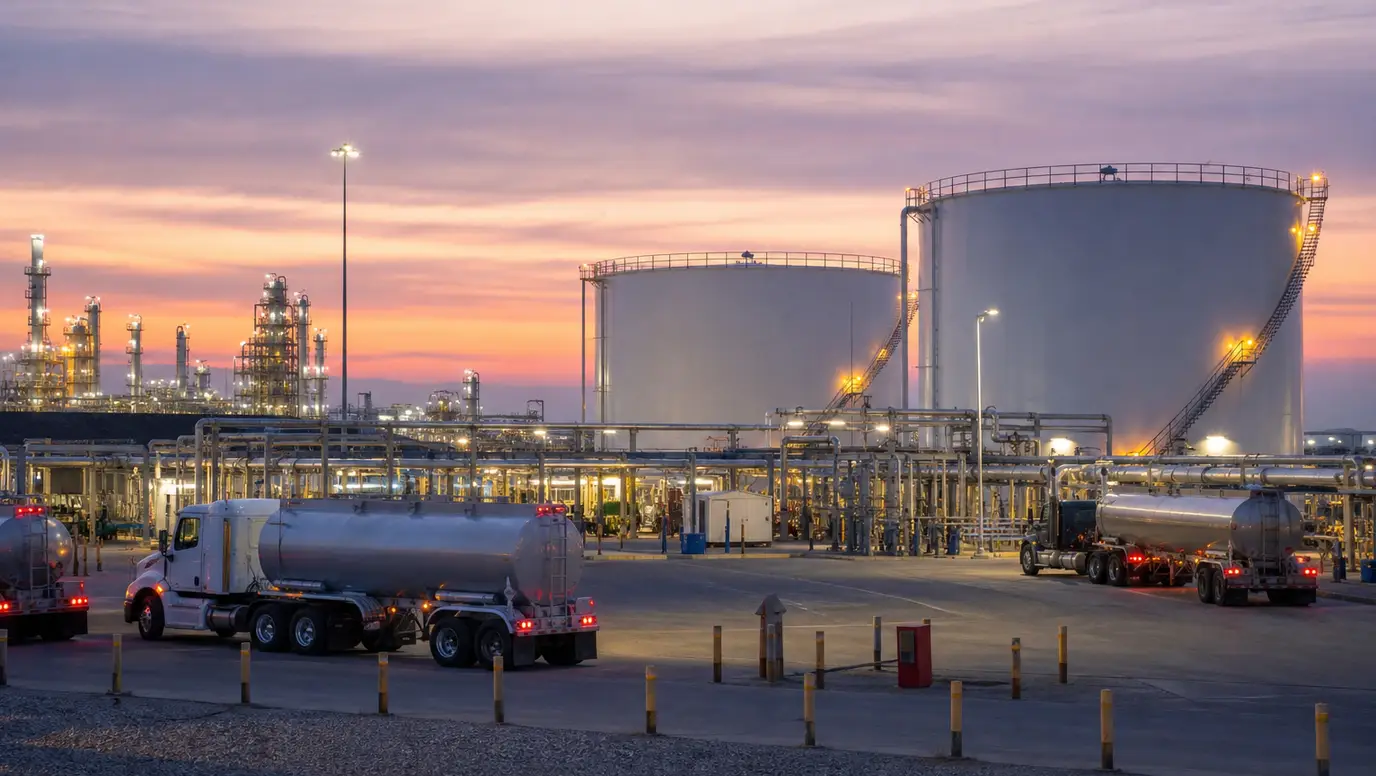
SEPTEMBER 26, 2026
Gasoline Futures Stay Volatile as U.S. Stock Draw Tightens Fuel Market Cushion
SEPTEMBER 19, 2026
Gasoline Futures Climb as Refinery Outage and Pump Price Jump Put Fuel Market on Alert
SEPTEMBER 10, 2026
Distillate Fuel Rally Spreads to Gasoline as Refinery Outages Tighten Energy Market
SEPTEMBER 5, 2026
Gasoline Fuel Margins Put Energy Market on Pump Price Watch
AUGUST 25, 2026
Gasoline Futures Slide as Fuel Waiver Puts Energy Commodities on Pump Price Watch
AUGUST 17, 2026
Gasoline Draw Keeps Energy Market Focus on Refinery Run and Fuel Demand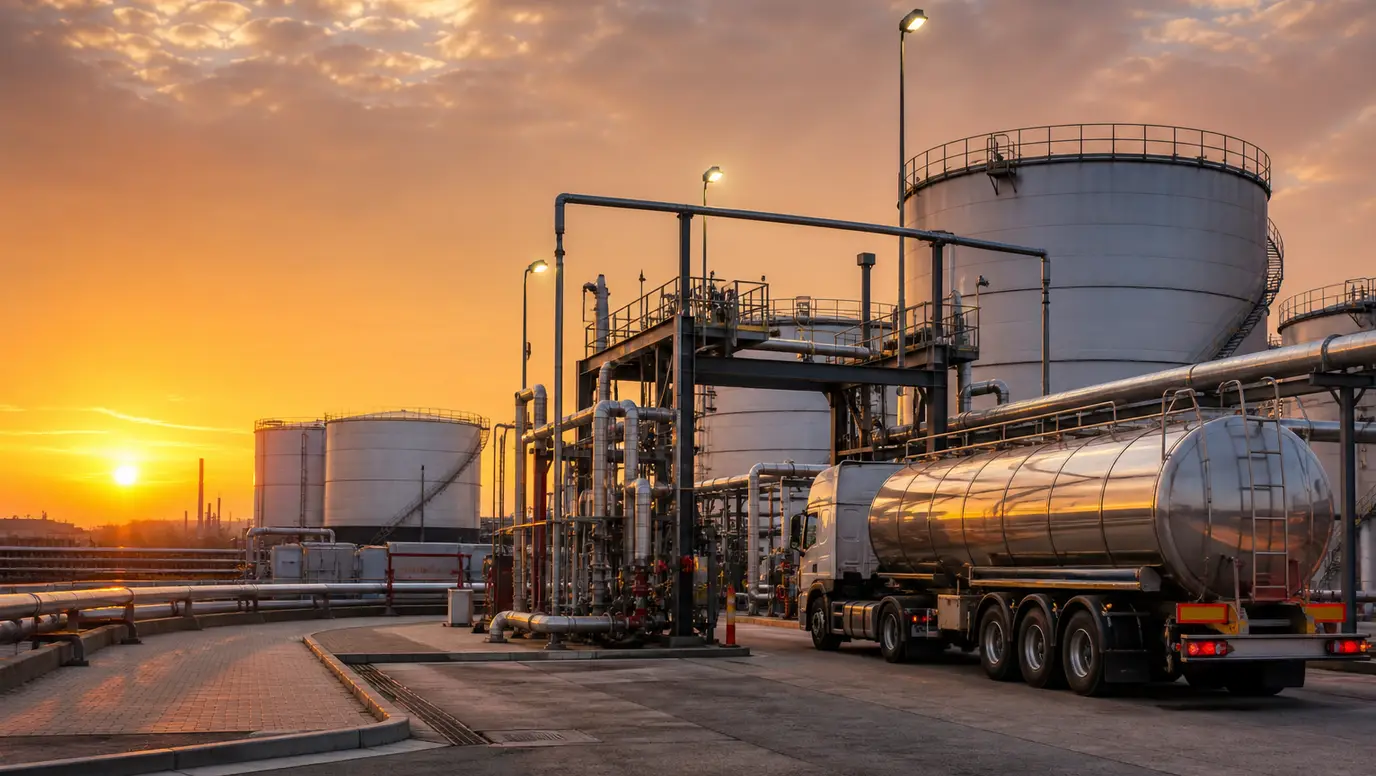
AUGUST 9, 2026
Gasoline and Distillate Fuel Draws Tighten Energy Market as Refinery Runs Stay High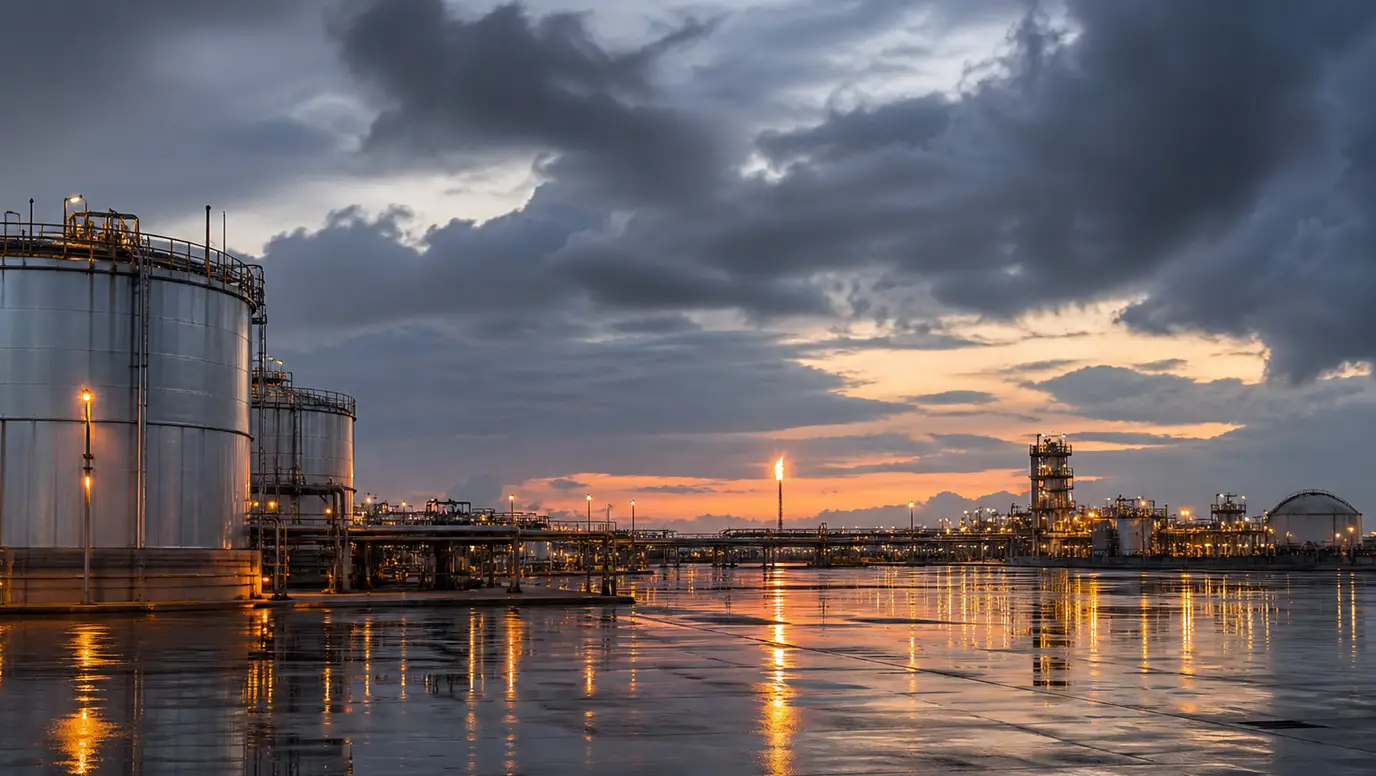
AUGUST 8, 2026
Natural Gas Storage Cushion Keeps Henry Hub Under LNG Maintenance Pressure
AUGUST 4, 2026
Gasoline and Distillate Fuel Stay on Edge as OPEC+ Oil Supply Hike Tests Refining Market
JULY 29, 2026
Gasoline Cracks Lift Energy Commodities as Crude Rebounds on Inventory Draw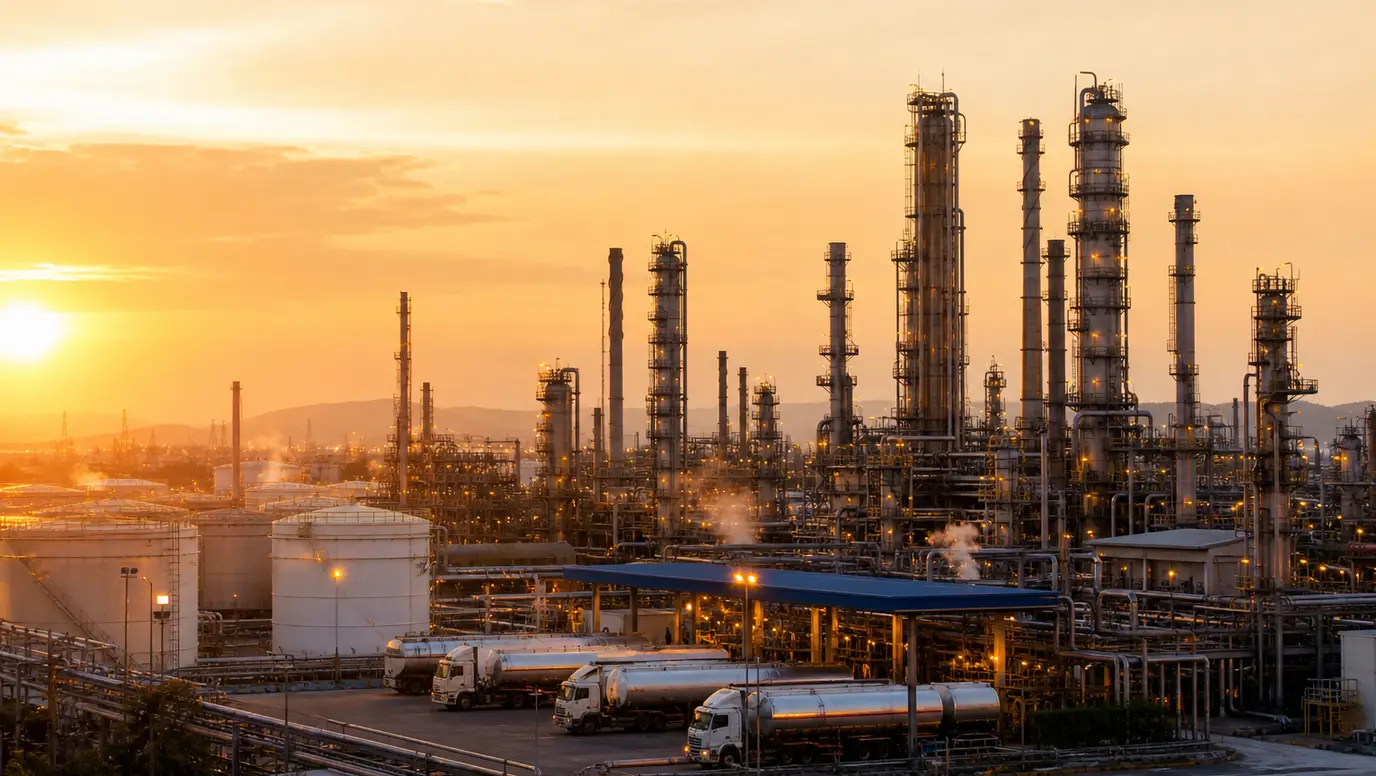
JULY 22, 2026
Crude Oil, Gasoline and Distillate Builds Cool Rally as U.S. Refineries Run Hot