OCTOBER 31, 2026
Distillate Fuel Futures Rise as Diesel Draw Tightens Winter Energy MarketDistillate fuel futures climb as a fresh U.S. diesel draw, tight inventories and winter demand risks keep refined energy markets on edge.

© 1box.site 2026

NOVEMBER 5, 2026
Gasoline futures moved lower as the broader energy market extended its post-midterm repricing, with traders cutting some of the geopolitical premium that had built into fuel markets during months of tension around the Iran conflict and Gulf shipping flows.
The retreat follows a sharp slide in crude benchmarks, with international oil prices falling back below the levels seen before the latest election-driven shift in risk sentiment. For fuel traders, the immediate implication is a potential easing of wholesale gasoline pressure after U.S. pump prices entered November at historically elevated election-season levels.
December RBOB gasoline futures recently traded near the upper $2.80s per gallon after a notable daily decline, tracking weakness across the petroleum complex. The move suggests the market is beginning to price in a lower probability of fresh supply disruption, although volatility remains high and the physical fuel balance is not yet comfortable.
The latest selloff is less about a sudden collapse in demand and more about a political shift in the perceived path of the Iran war. Energy traders are now weighing whether stronger congressional pressure could reduce the chance of further escalation, which had previously supported a sizable risk premium in crude oil, gasoline and diesel prices.
That matters for inflation expectations because gasoline is one of the fastest energy costs to reach consumers. A sustained decline in wholesale gasoline would eventually help ease pressure at the pump, but the pass-through may be uneven because refinery margins, regional supply constraints and retail distribution costs can slow the adjustment.
Fuel affordability remains a central market theme. Regular gasoline averaged above $4 per gallon around Election Day, while diesel prices were also unusually high for the season. Those levels kept energy costs in focus for households, freight operators and policymakers even as broader financial markets responded positively to the possibility of a less aggressive geopolitical path.
The bearish price reaction is being tempered by signs that the fuel market still has limited room for error. Recent weekly petroleum figures showed draws across crude, gasoline and distillate inventories, while implied fuel demand strengthened. That combination limits how far traders may be willing to press the downside unless supply data improve in the coming weeks.
Gasoline also faces a seasonal transition. Autumn normally brings softer driving demand and lower blending costs, but refinery maintenance, tight product stocks and still-elevated diesel prices can keep the broader refined-products complex sensitive to disruptions. Any renewed threat to Gulf shipping lanes or refinery operations could quickly rebuild the premium that was removed after the election.
For now, the key market question is whether gasoline futures are starting a durable correction or simply giving back a portion of the war-driven rally. A deeper decline would likely require three signals: continued de-escalation in the Gulf, rebuilding U.S. fuel inventories and a sustained pullback in crude benchmarks.
The near-term bias for gasoline has turned softer, but the market is not yet signaling a clean return to pre-crisis conditions. Traders are likely to watch refinery utilization, weekly stock changes and any policy signals tied to the Iran conflict before treating the latest move as more than a relief trade.
If crude holds below recent highs and gasoline inventories stabilize, fuel inflation pressure could ease into late November. If diplomacy stalls or supply risks return, gasoline futures may recover quickly because the market remains highly sensitive to geopolitical headlines and product stock levels.
That leaves the energy market in a cautious reset. The post-midterm oil rout has opened the door to lower gasoline costs, but the path toward lasting pump-price relief still depends on supply security, refinery performance and whether political pressure translates into a genuine reduction in war risk.
OCTOBER 31, 2026
Distillate Fuel Futures Rise as Diesel Draw Tightens Winter Energy Market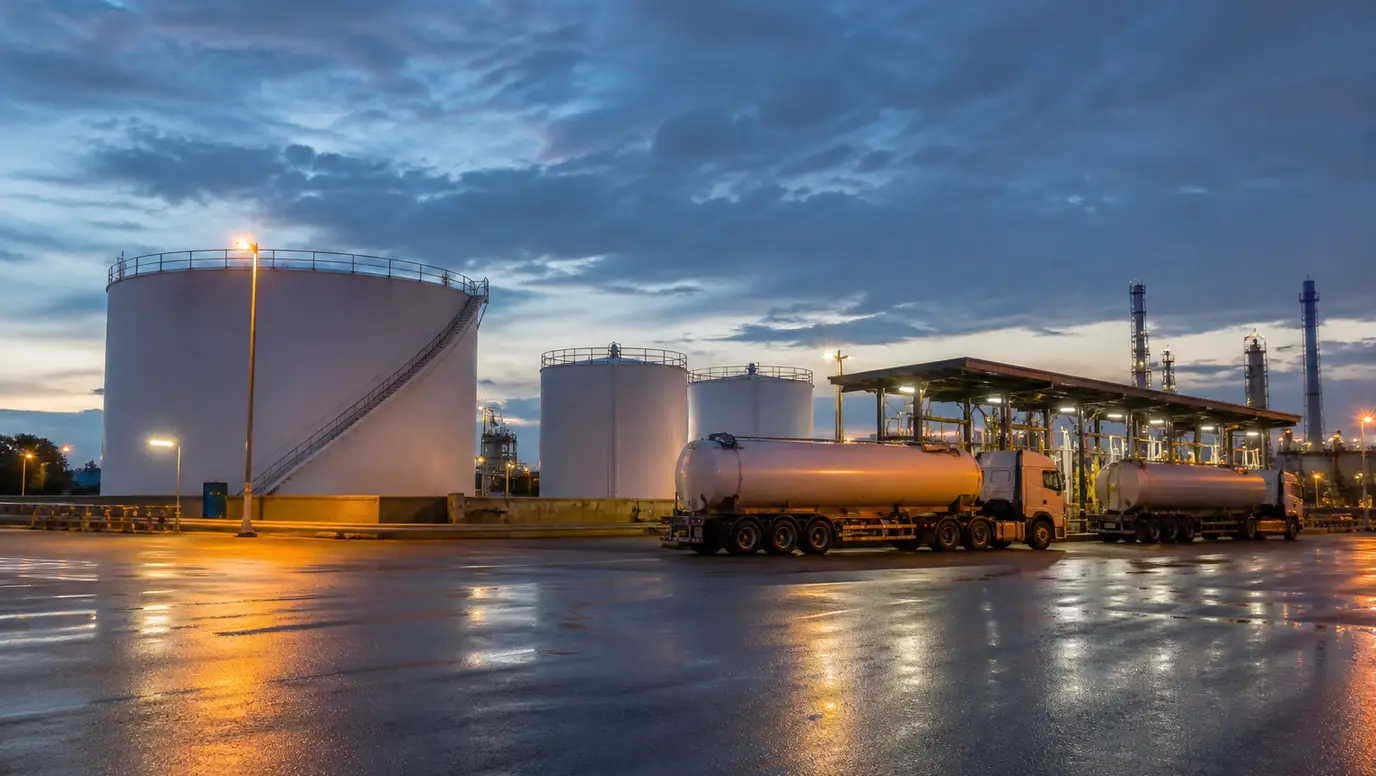
OCTOBER 29, 2026
Gasoline Futures Lose Momentum as Fuel Demand Drop Offsets U.S. Crude Draw
OCTOBER 24, 2026
Gasoline Fuel Futures Face Inflation Watch as U.S. Stock Draw Tightens Energy Market
OCTOBER 20, 2026
WTI Crude Oil Futures Keep Energy Market on Edge as Strait of Hormuz Risk Lifts Premium
OCTOBER 19, 2026
Gasoline Energy Market Tightens as Russia Fuel Shortage Raises Refinery Risk
OCTOBER 18, 2026
Distillate Fuel Futures Stay Bid as Diesel Reserve Release Meets Winter Supply Risk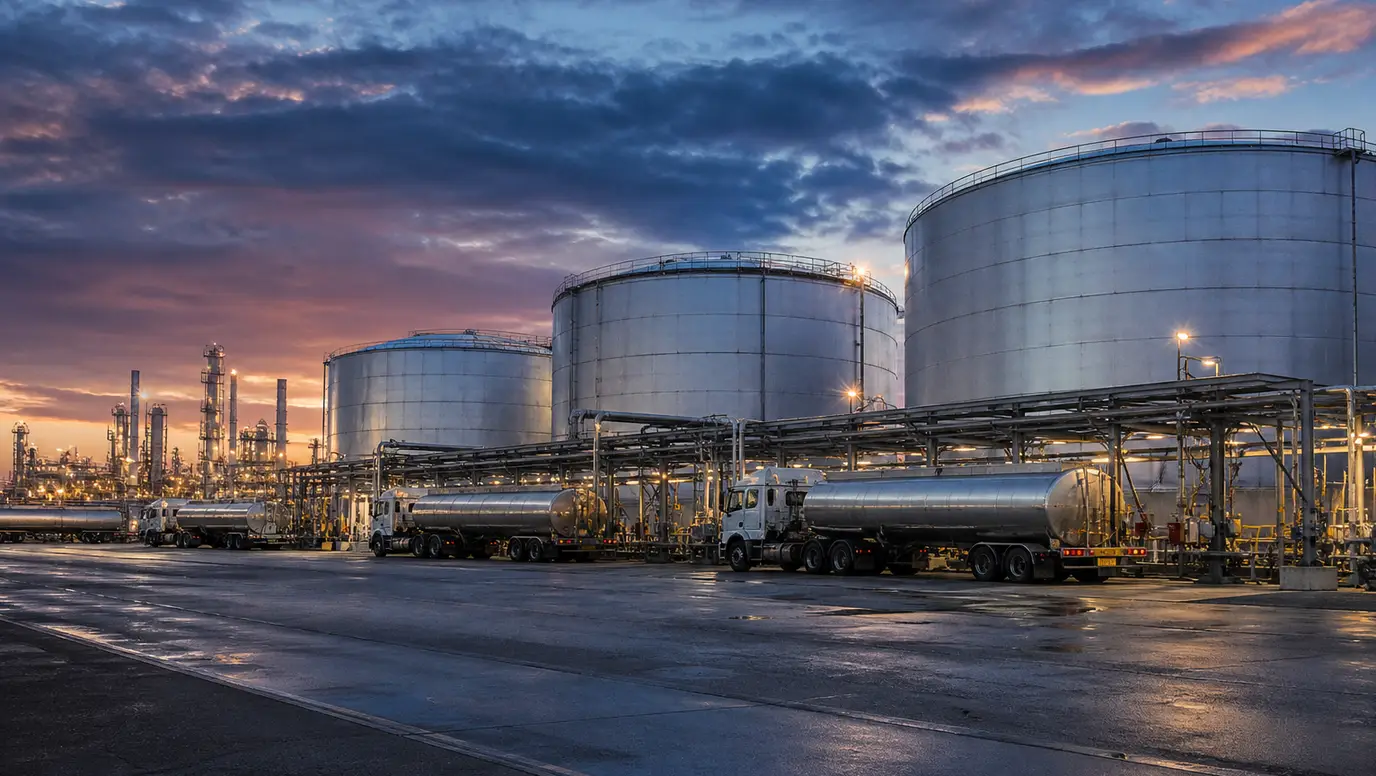
OCTOBER 13, 2026
Gasoline Fuel Futures Stay Elevated as Low US Inventories Keep Refinery Risk in Focus
OCTOBER 12, 2026
Diesel Fuel Futures Slide as Russia Supply Deal Tests Distillate Shortage
OCTOBER 7, 2026
Gasoline Futures Climb as Gulf Storm Puts Fuel Supply on Alert
OCTOBER 1, 2026
Gasoline Futures Rise as Fuel Export Curbs Tighten Energy Market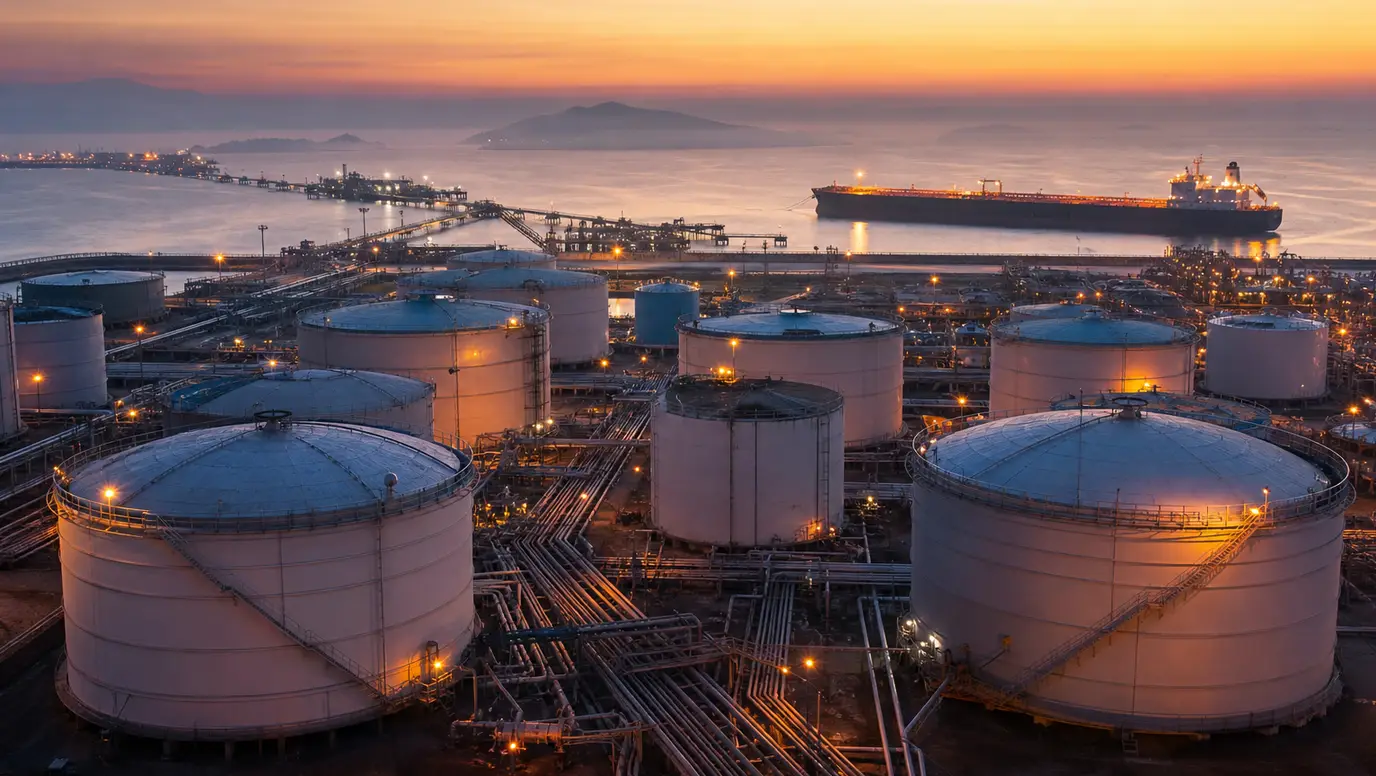
SEPTEMBER 30, 2026
WTI Crude Oil Futures Steady as Iran Sanctions Risk Meets Tight Fuel Market
SEPTEMBER 28, 2026
Distillate Fuel Futures Rise as Tight Diesel Stocks Put Energy Market on Supply Alert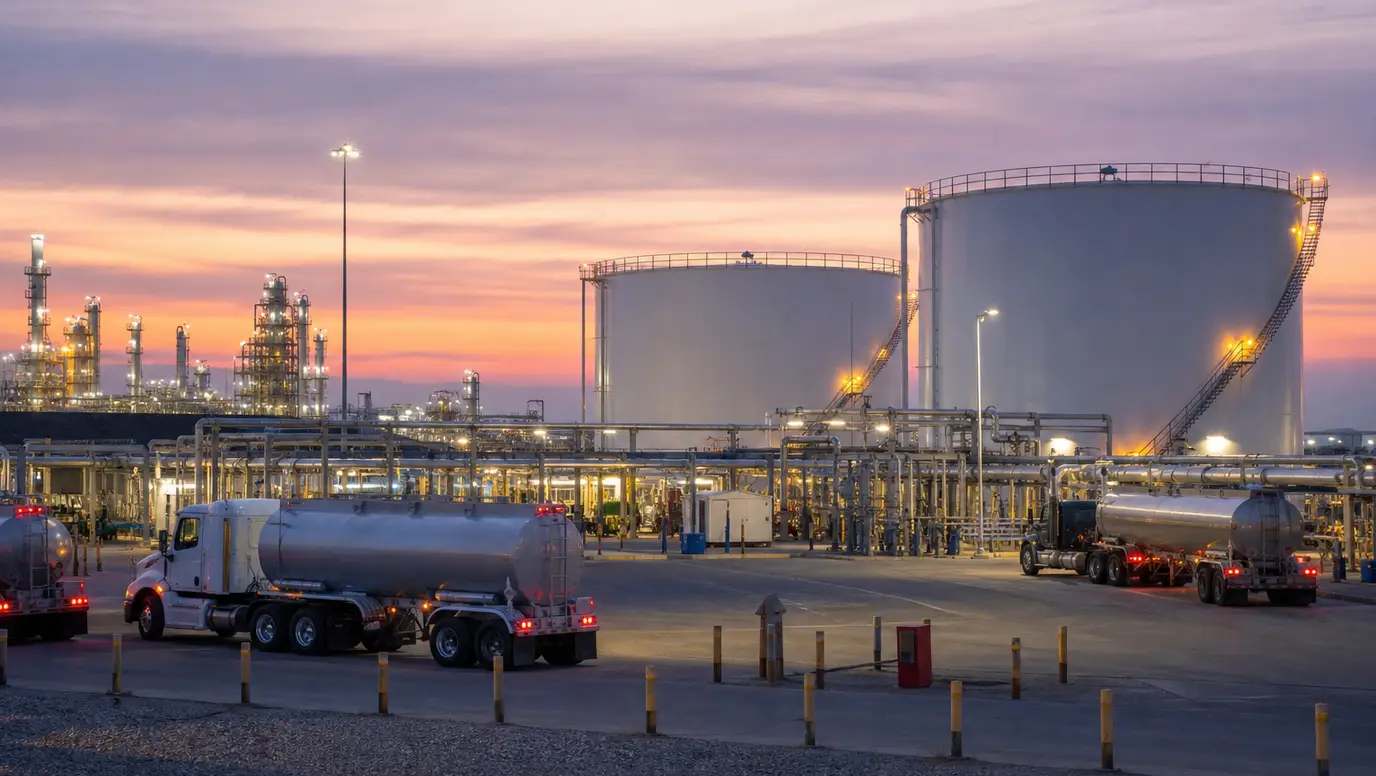
SEPTEMBER 26, 2026
Gasoline Futures Stay Volatile as U.S. Stock Draw Tightens Fuel Market Cushion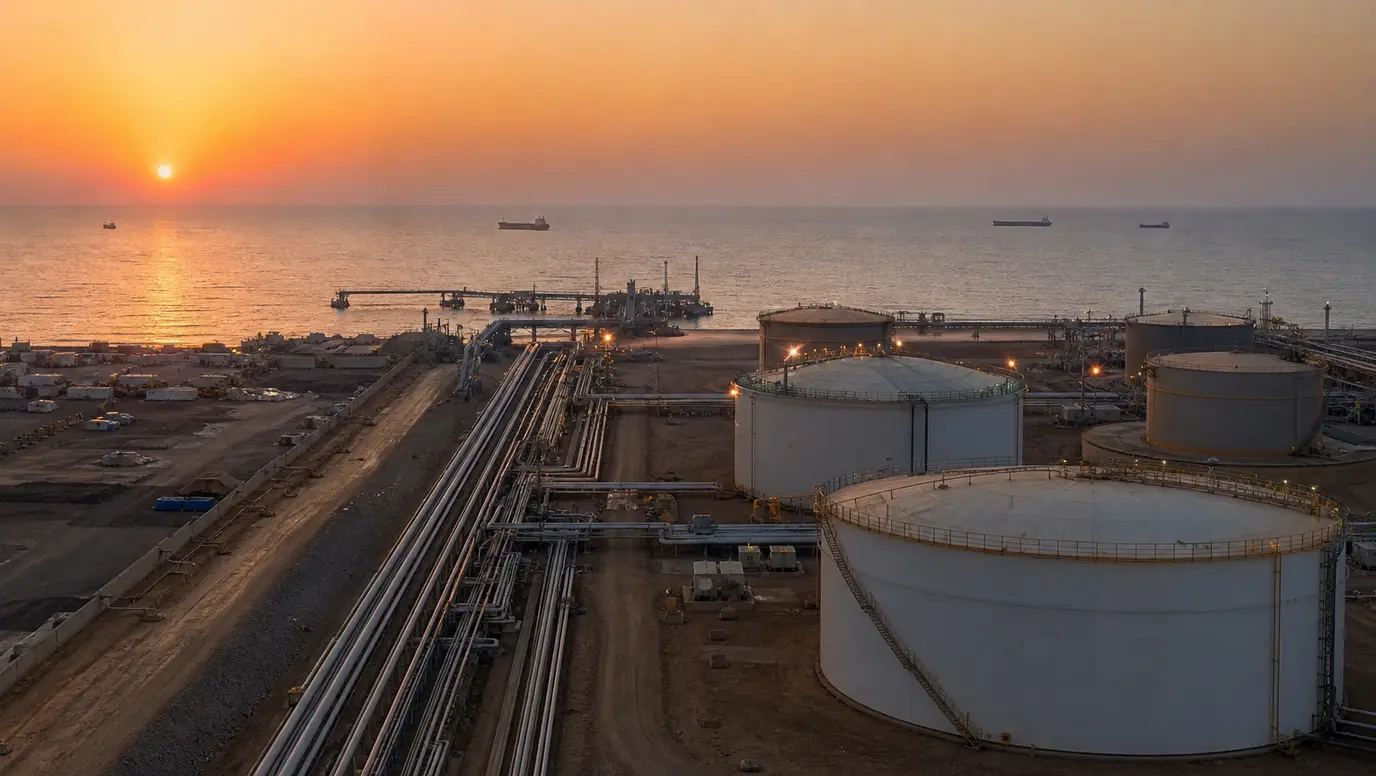
SEPTEMBER 23, 2026
WTI Crude Oil Futures Hold Near Two-Week Low as Gulf Supply Return Tests Fuel Market
SEPTEMBER 22, 2026
Distillate Fuel Futures Surge as Refinery Outages Widen Energy Market Crack Spread
SEPTEMBER 20, 2026
Brent Crude Futures Hold Near $104 as Saudi Pipeline Workaround Tests Oil Rally
SEPTEMBER 19, 2026
Gasoline Futures Climb as Refinery Outage and Pump Price Jump Put Fuel Market on Alert
SEPTEMBER 16, 2026
Distillate Fuel Squeeze Puts Commodity Futures on Diesel Inflation Watch
SEPTEMBER 11, 2026
Diesel Fuel Shock Puts Oil Market on Freight Inflation Watch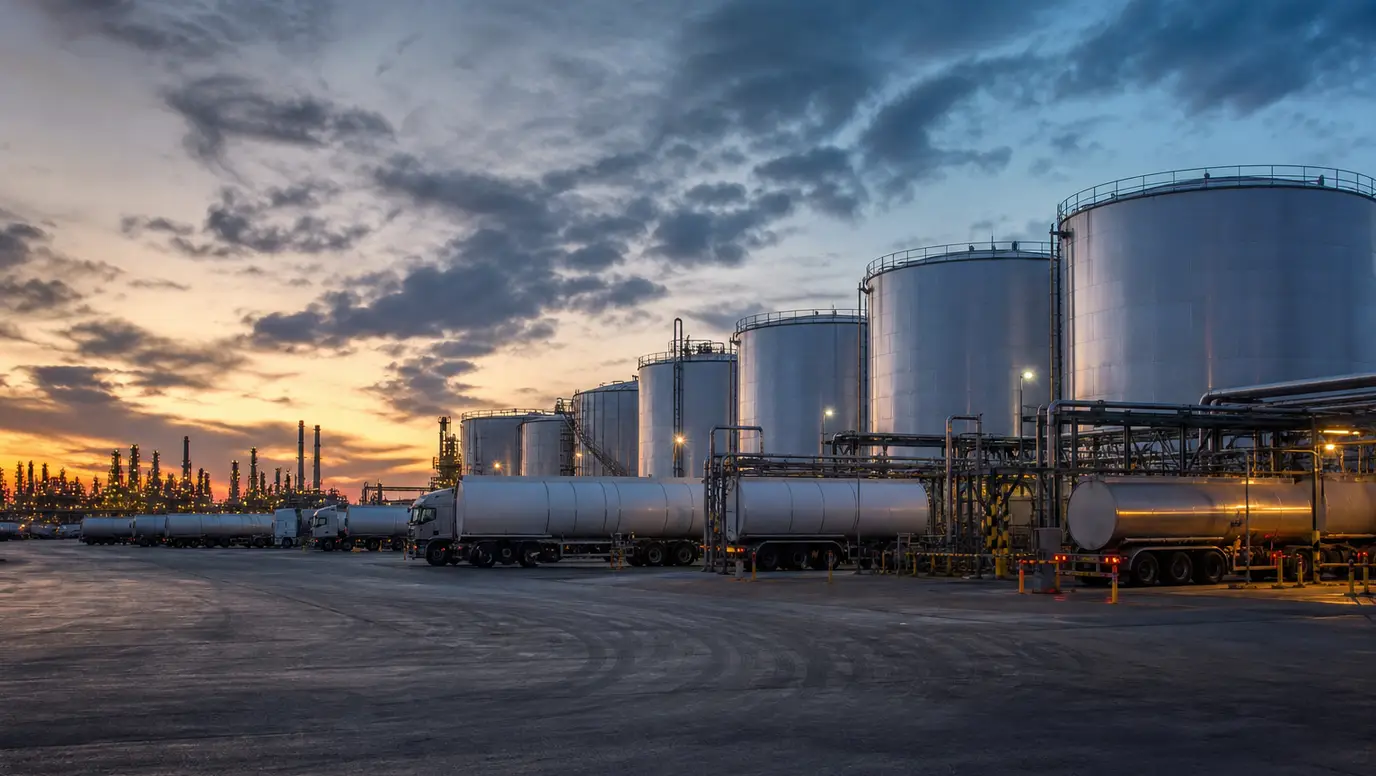
SEPTEMBER 10, 2026
Distillate Fuel Rally Spreads to Gasoline as Refinery Outages Tighten Energy Market
SEPTEMBER 9, 2026
Brent Crude Futures Break $100 as Supply Shock Tightens Energy Market
SEPTEMBER 7, 2026
WTI Crude Oil Futures Hold Near Six-Week High as Hormuz Risk Tightens Energy Market
SEPTEMBER 5, 2026
Gasoline Fuel Margins Put Energy Market on Pump Price Watch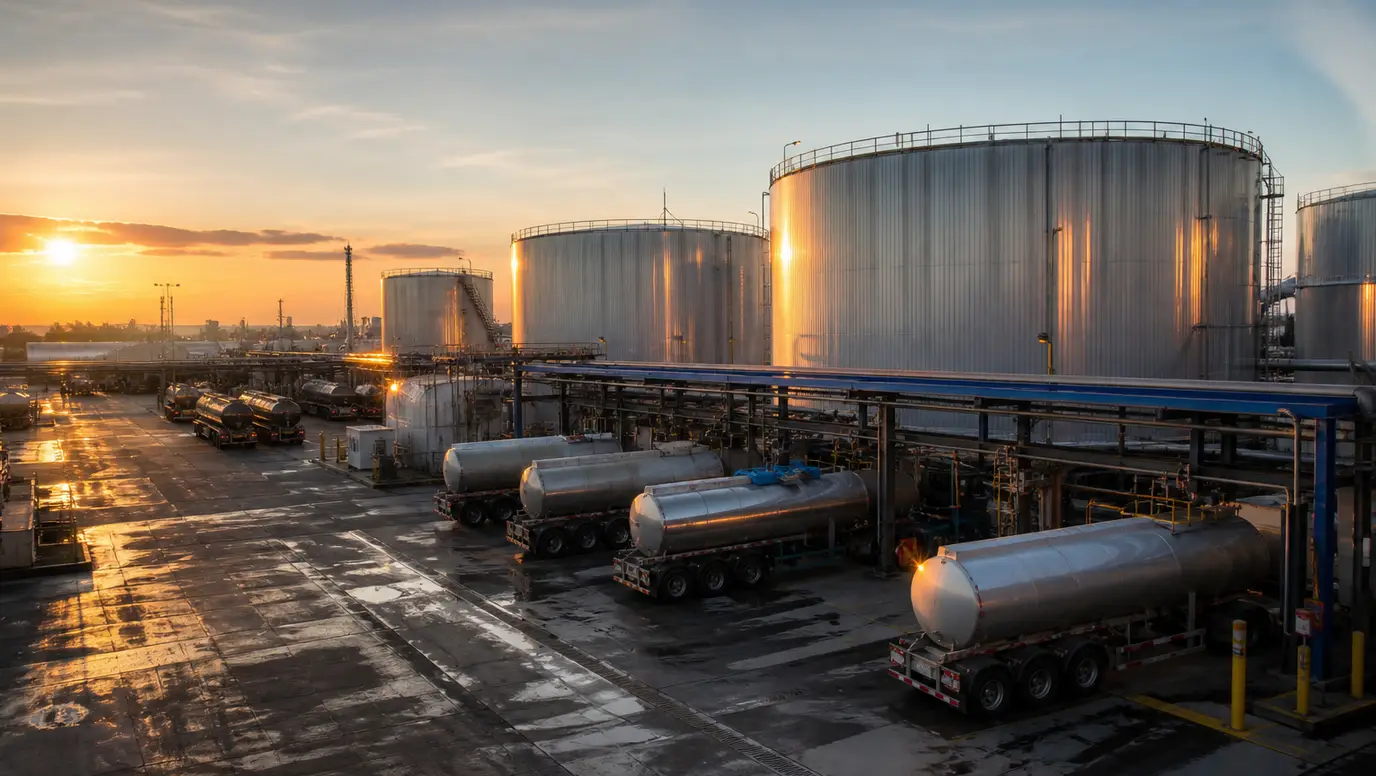
AUGUST 25, 2026
Gasoline Futures Slide as Fuel Waiver Puts Energy Commodities on Pump Price Watch
AUGUST 23, 2026
Crude Oil Keeps Strait of Hormuz Premium as Fuel Transit Signals Stir Energy Market
AUGUST 21, 2026
Brent Crude Extends Weekly Gain as Iran Sanctions Threat Tightens Fuel Supply Watch
AUGUST 20, 2026
Distillate Fuel Draw Puts Energy Market on Diesel Margin Watch as Crude Oil Stocks Build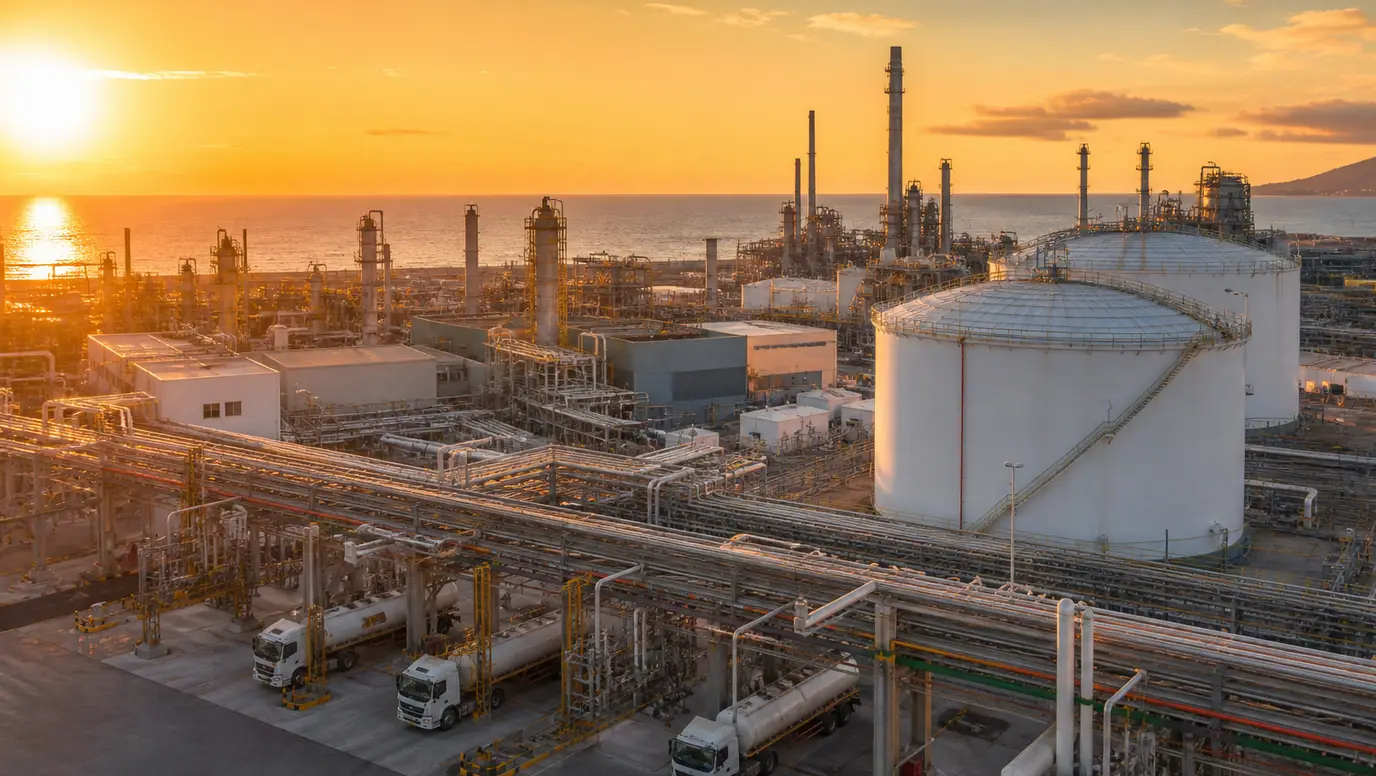
AUGUST 17, 2026
Gasoline Draw Keeps Energy Market Focus on Refinery Run and Fuel Demand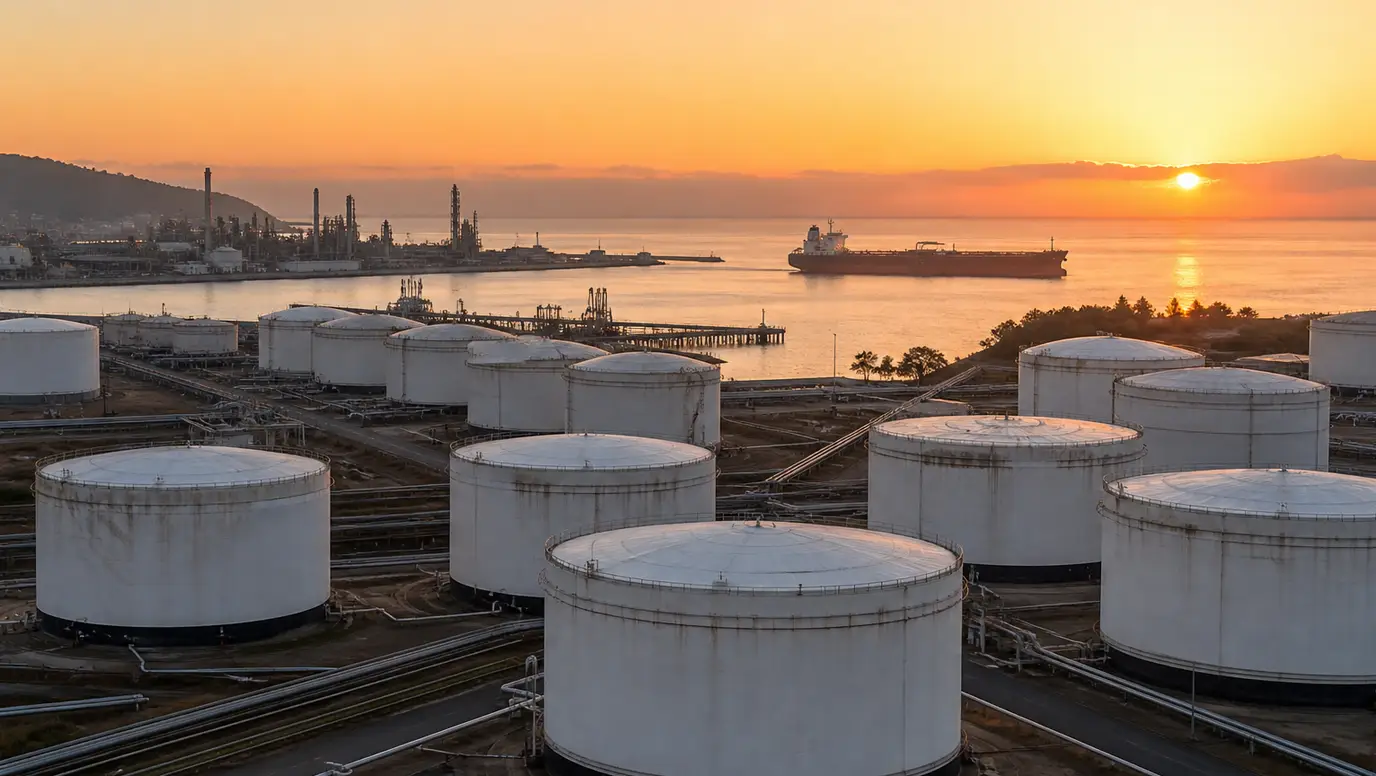
AUGUST 14, 2026
Fuel Buffers Shrink as Strategic Oil Reserve Falls Below 300 Million Barrels
AUGUST 9, 2026
Gasoline and Distillate Fuel Draws Tighten Energy Market as Refinery Runs Stay High