
NOVEMBER 5, 2026
Gasoline Futures Fall as Post-Midterm Oil Rout Eases Fuel Inflation RiskGasoline futures retreat as oil slides after the U.S. midterms, easing fuel inflation pressure while supply risks keep traders cautious.

© 1box.site 2026
NOVEMBER 6, 2026
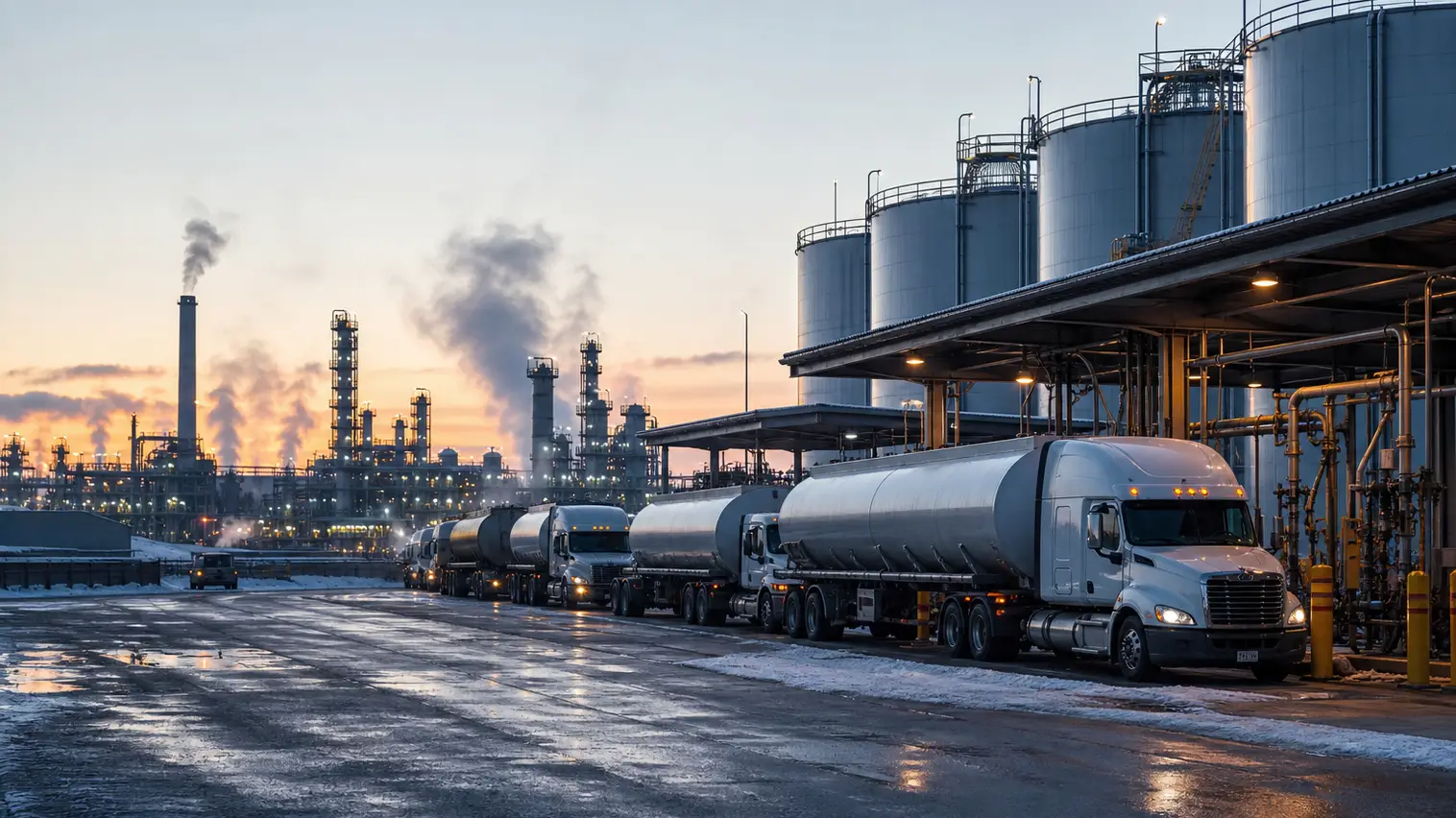
Distillate fuel is becoming the energy market’s most sensitive winter pressure point after fresh weekly data showed U.S. inventories of diesel and heating oil slipping below 100 million barrels for the first time in more than two decades. The latest drawdown, which pushed stocks to roughly 99.3 million barrels for the week ending October 30, has kept distillate fuel futures firm even as crude oil prices have swung lower on expectations of a softer geopolitical risk premium.
The split between crude and refined fuels is important for traders because it suggests the market is no longer reacting only to barrels of oil in the ground. Refining capacity, shipping constraints, sanctions risk, and regional winter demand are now doing more work in setting the price of diesel, heating oil, and related middle distillates. That makes the distillate fuel curve a more direct gauge of physical tightness than headline crude benchmarks.
The latest inventory level leaves the U.S. with a thinner cushion heading into the winter heating season, when demand typically rises in the Northeast and logistics become more vulnerable to weather disruptions. Distillate fuel covers both on-road diesel and heating oil, so the drawdown matters for freight, agriculture, home heating, and industrial users at the same time.
Market participants are watching crack spreads closely because high distillate margins signal that refiners are being rewarded for turning crude into diesel and heating oil. However, strong margins alone may not rebuild stocks quickly if refinery runs are constrained, global demand for diesel remains firm, or imports into the Atlantic Coast are difficult to secure. That is why futures have been slow to follow crude oil lower.
The East Coast remains the region most exposed to a distillate squeeze because local refinery capacity does not fully cover consumption. The region normally relies on a mix of pipeline shipments from the Gulf Coast, waterborne cargoes, and overseas imports, with winter inflows becoming especially important from December through February.
Recent tanker activity has added another layer of uncertainty to that balance. Cargoes that were expected to ease diesel tightness have faced political, sanctions, and port-related complications, leaving traders unsure how much supply will actually reach U.S. terminals. If imports arrive late or are redirected, the market may need to ration demand through stronger prices rather than a rapid inventory rebuild.
The broader energy market has been trying to price a possible easing in crude supply risk, but the distillate trade shows that product shortages can persist even when oil prices retreat. A lower crude price helps refiners on input costs, yet it does not automatically create diesel supply if refinery output, export flows, and regional logistics remain tight.
For inflation watchers, that distinction is significant. Diesel is embedded in trucking, rail, farming, construction, and wholesale distribution costs. A persistent distillate premium can therefore slow the pass-through from cheaper crude oil to consumer prices, especially if winter weather lifts heating demand at the same time freight activity stabilizes.
The immediate market test is whether the next rounds of weekly data show a meaningful rebuild or confirm that inventories are struggling to recover. Until stocks move convincingly back above the 100 million barrel threshold, distillate fuel futures are likely to retain a risk premium, and energy traders may keep treating diesel tightness as a separate story from crude oil weakness.
NOVEMBER 5, 2026
Gasoline Futures Fall as Post-Midterm Oil Rout Eases Fuel Inflation Risk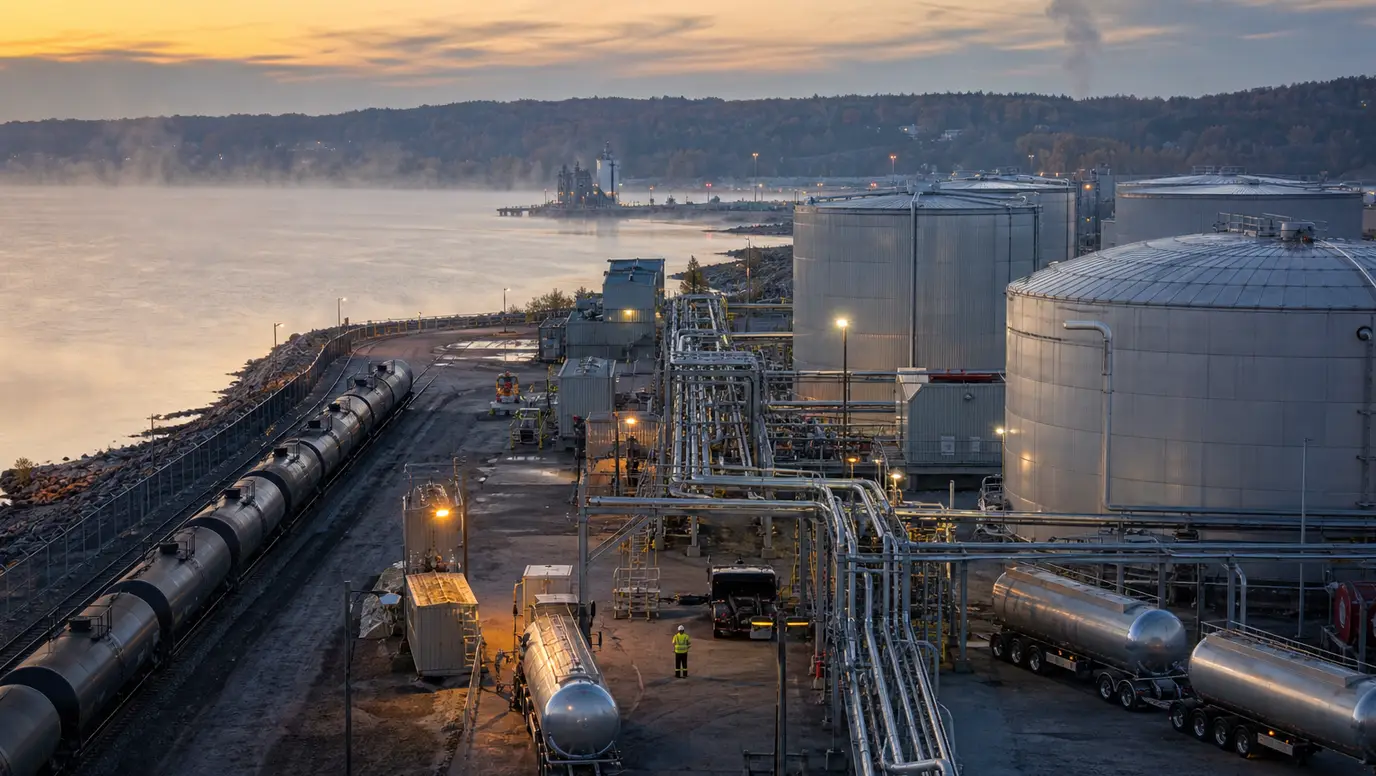
OCTOBER 31, 2026
Distillate Fuel Futures Rise as Diesel Draw Tightens Winter Energy Market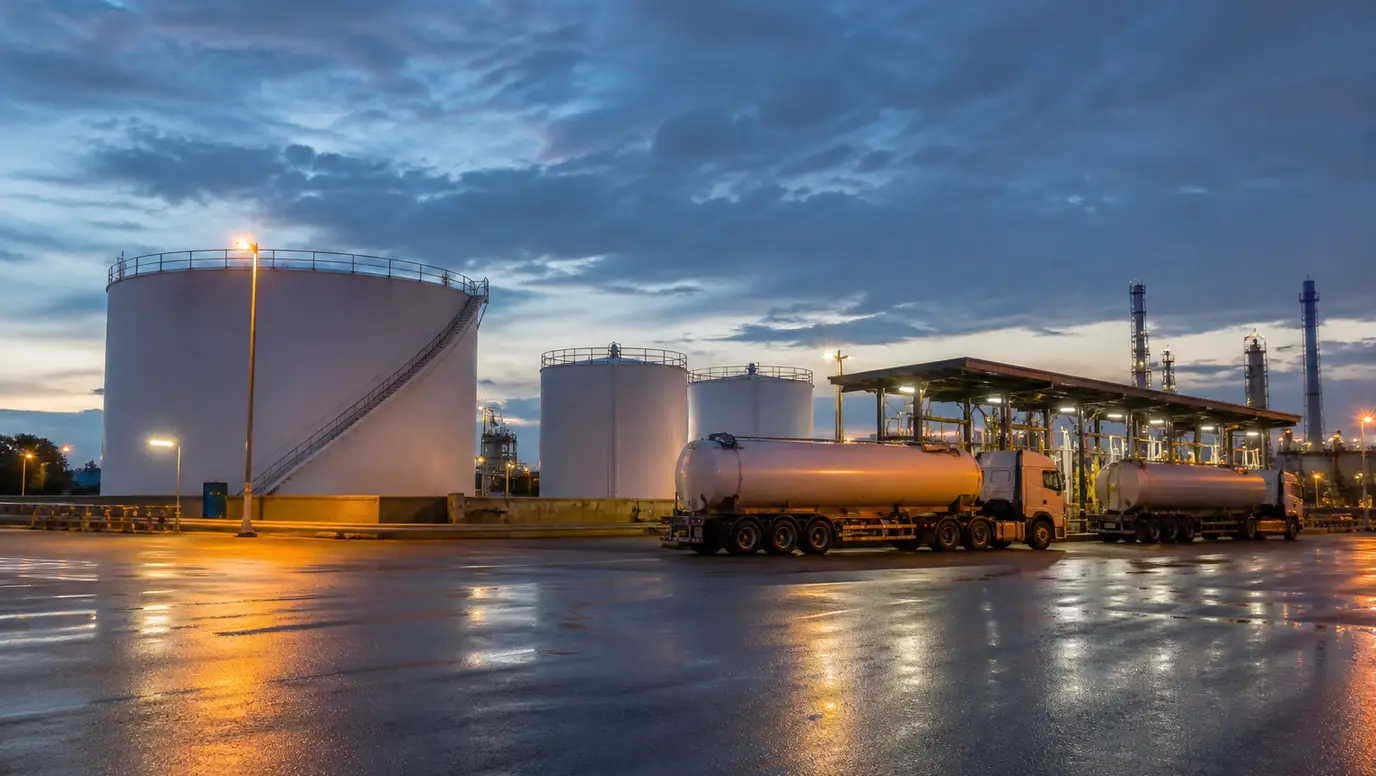
OCTOBER 29, 2026
Gasoline Futures Lose Momentum as Fuel Demand Drop Offsets U.S. Crude Draw
OCTOBER 25, 2026
Distillate Fuel Market Watches Russian Diesel Cargo as U.S. Energy Trade Risk Widens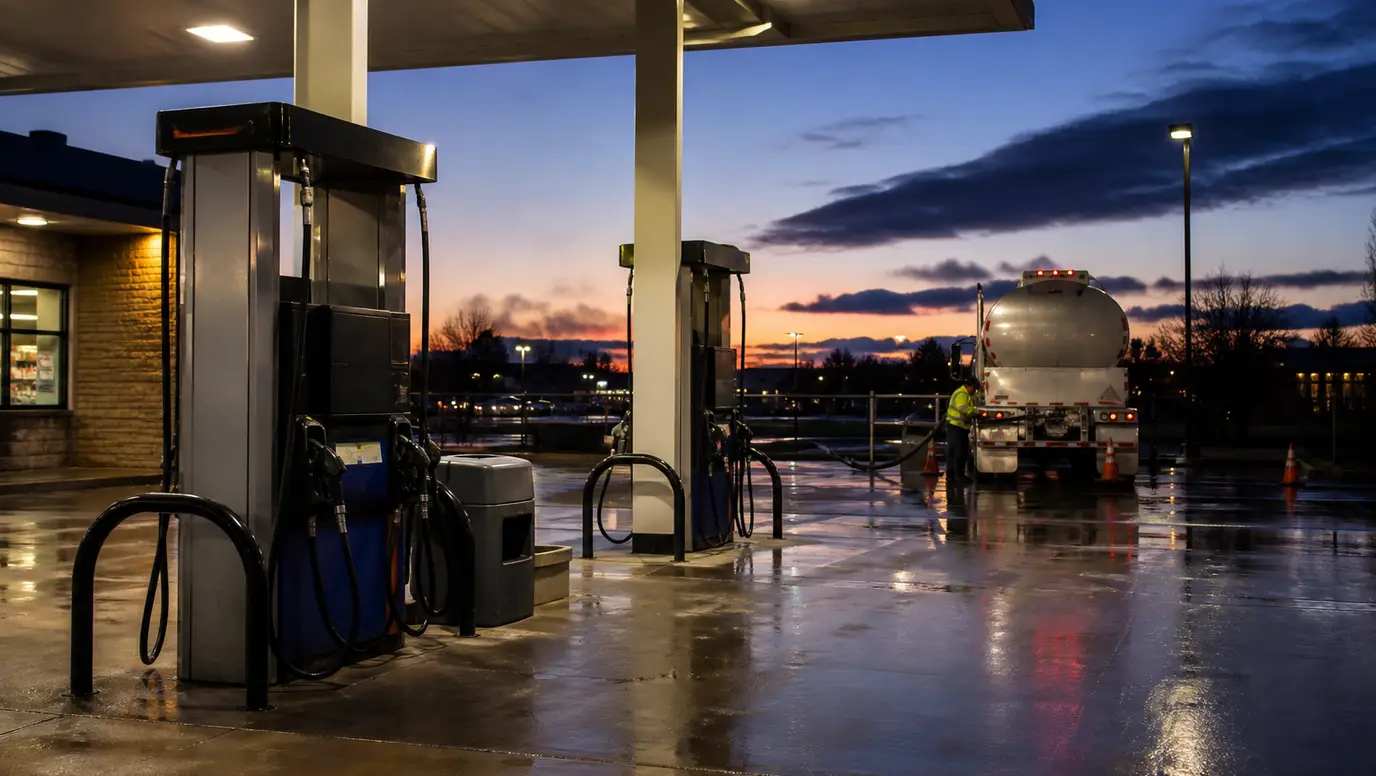
OCTOBER 24, 2026
Gasoline Fuel Futures Face Inflation Watch as U.S. Stock Draw Tightens Energy Market
OCTOBER 18, 2026
Distillate Fuel Futures Stay Bid as Diesel Reserve Release Meets Winter Supply Risk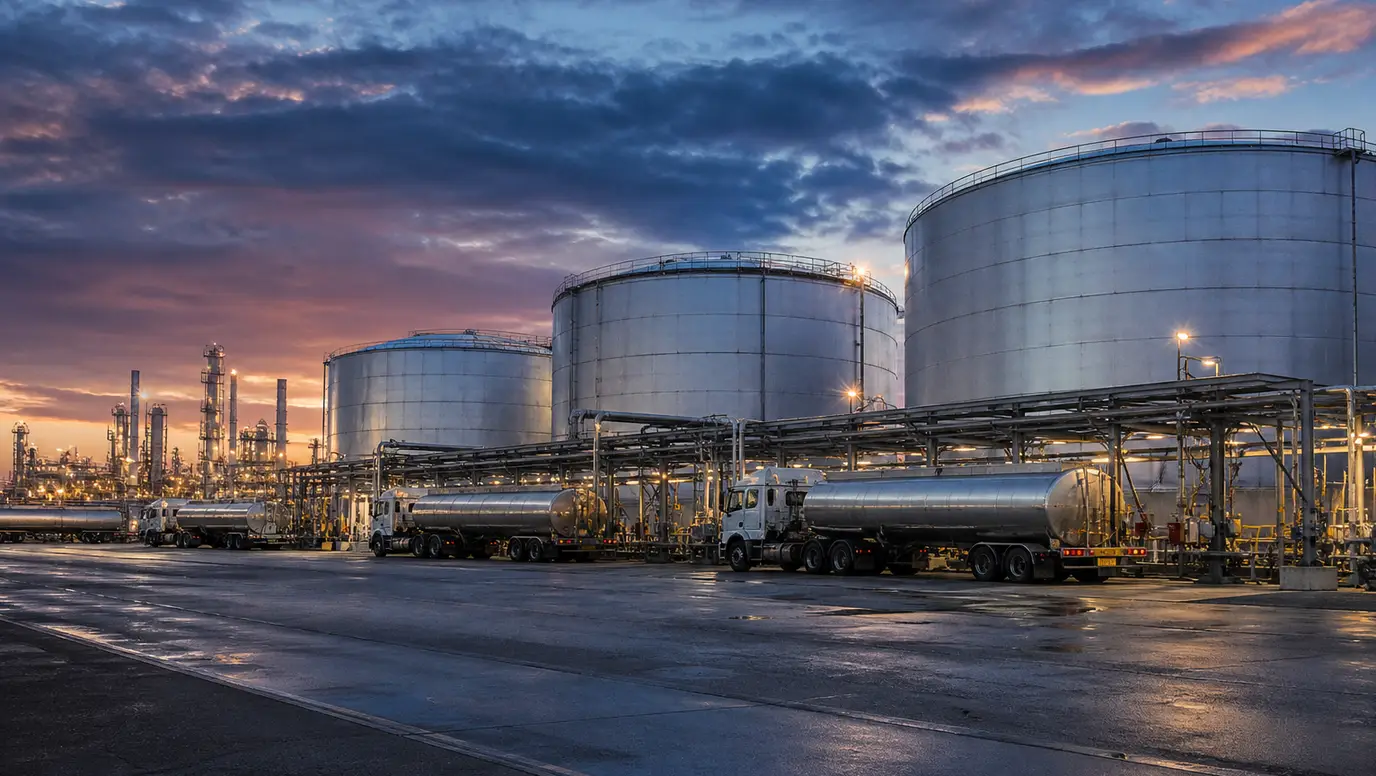
OCTOBER 13, 2026
Gasoline Fuel Futures Stay Elevated as Low US Inventories Keep Refinery Risk in Focus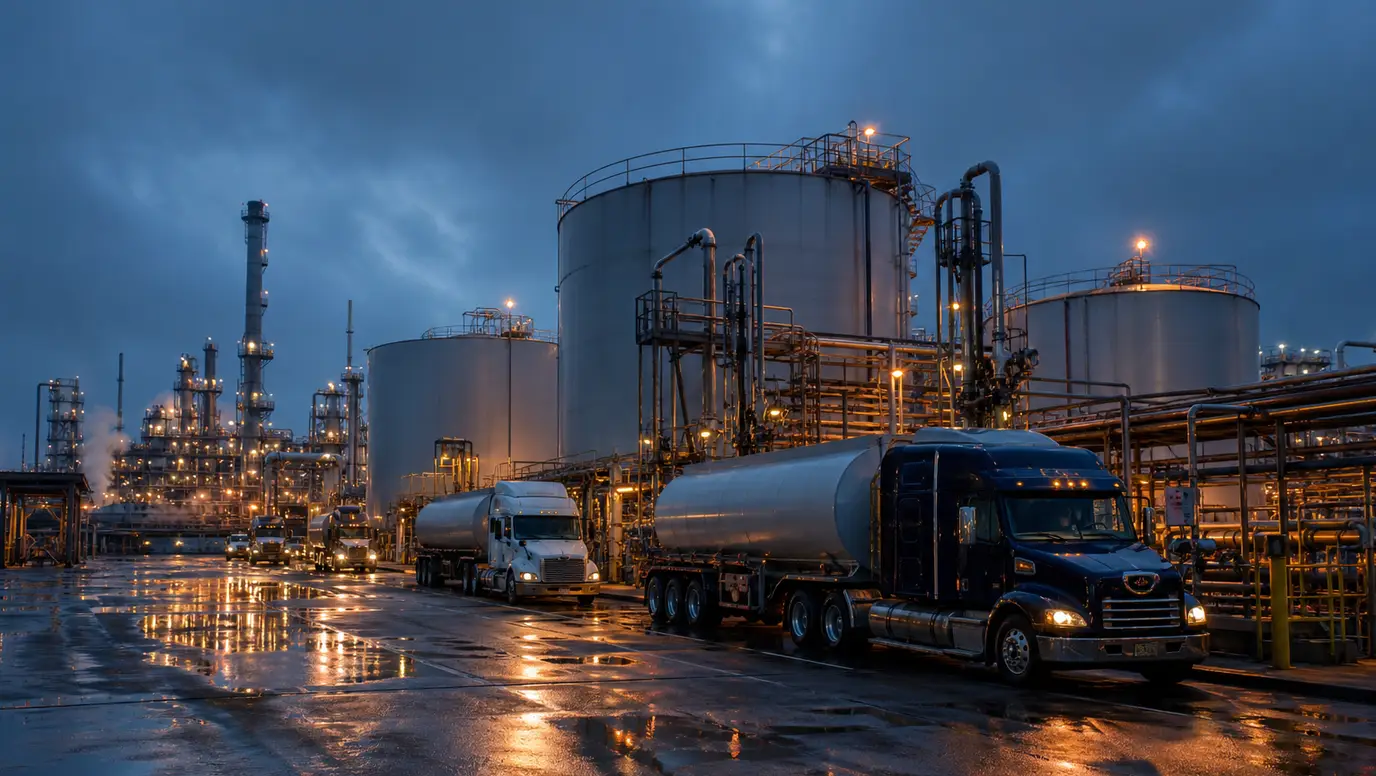
OCTOBER 12, 2026
Diesel Fuel Futures Slide as Russia Supply Deal Tests Distillate Shortage
OCTOBER 7, 2026
Gasoline Futures Climb as Gulf Storm Puts Fuel Supply on Alert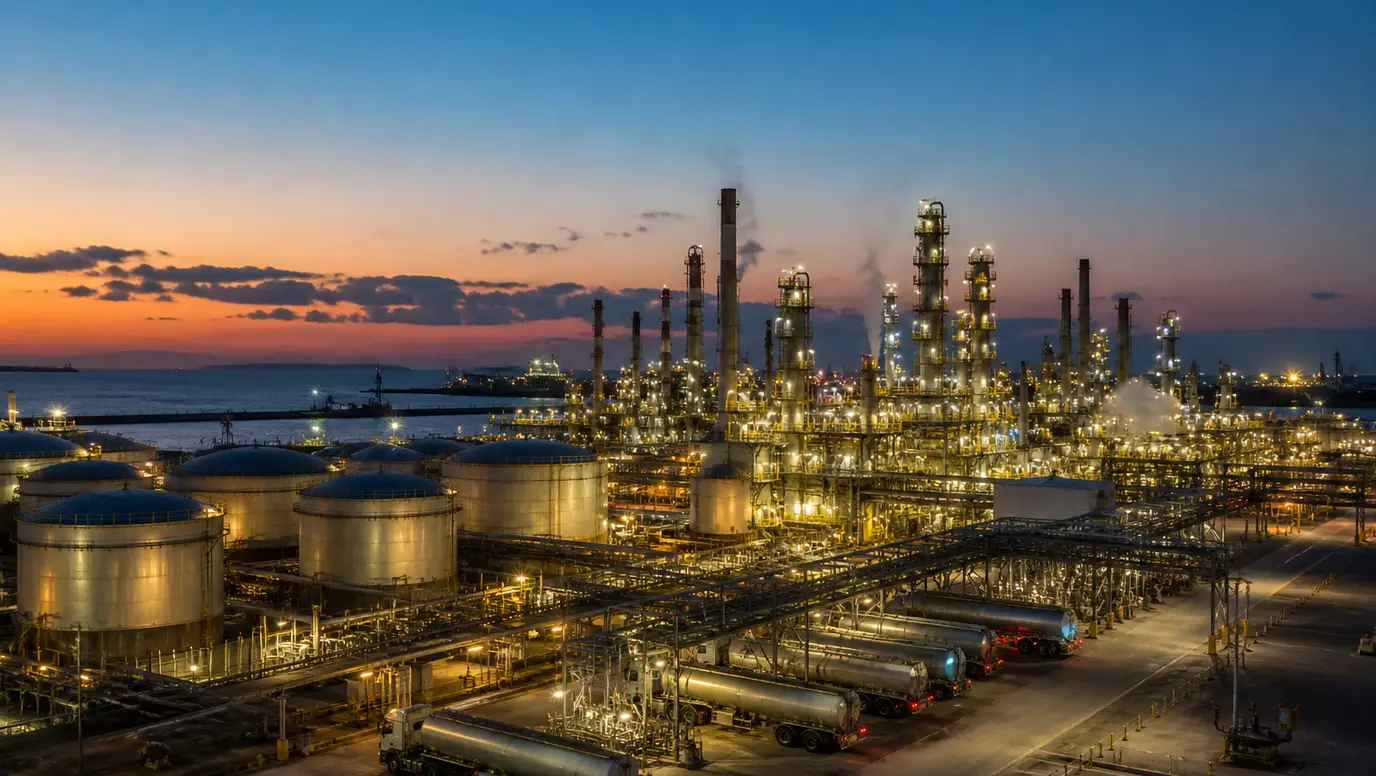
OCTOBER 6, 2026
Distillate Fuel Squeeze Keeps Energy Market Alert as Diesel Margins Stay Elevated
OCTOBER 1, 2026
Gasoline Futures Rise as Fuel Export Curbs Tighten Energy Market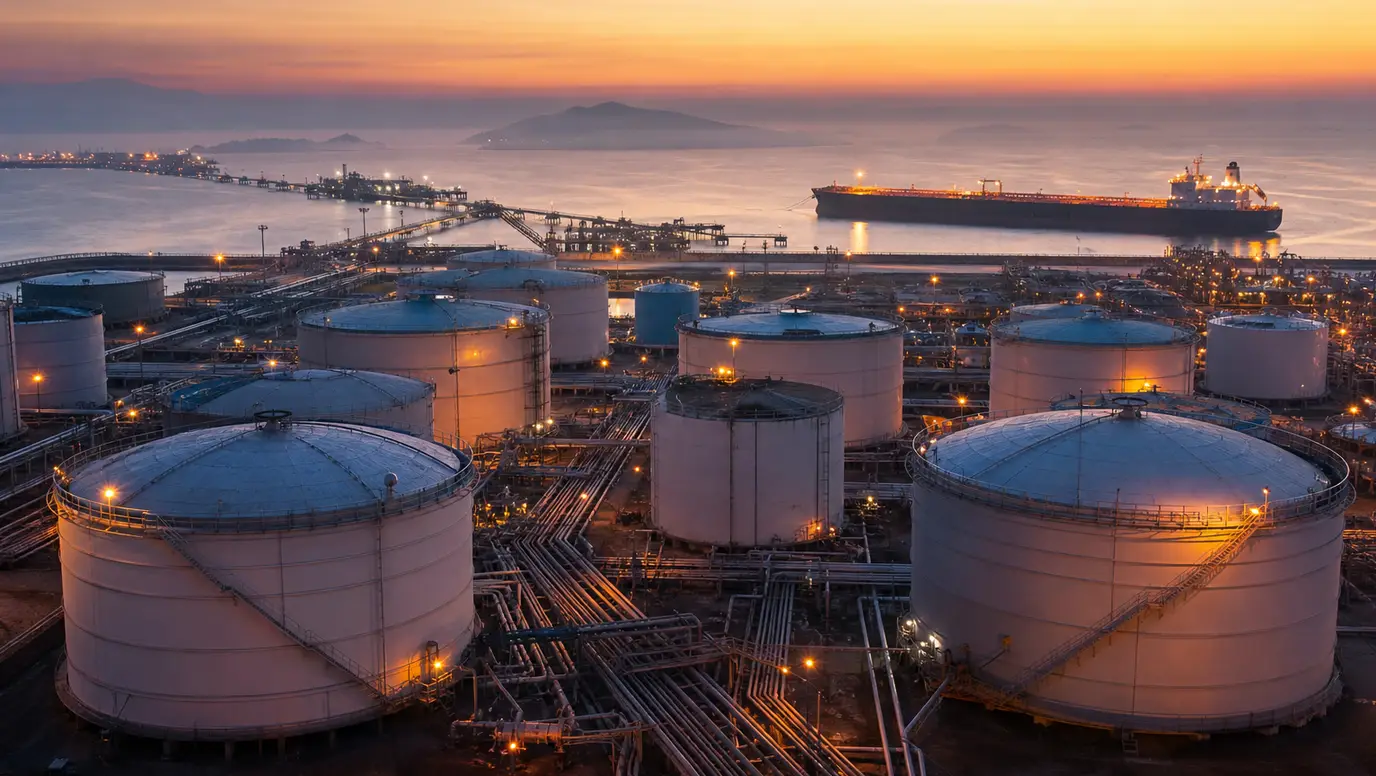
SEPTEMBER 30, 2026
WTI Crude Oil Futures Steady as Iran Sanctions Risk Meets Tight Fuel Market
SEPTEMBER 28, 2026
Distillate Fuel Futures Rise as Tight Diesel Stocks Put Energy Market on Supply Alert
SEPTEMBER 26, 2026
Gasoline Futures Stay Volatile as U.S. Stock Draw Tightens Fuel Market Cushion
SEPTEMBER 23, 2026
WTI Crude Oil Futures Hold Near Two-Week Low as Gulf Supply Return Tests Fuel Market
SEPTEMBER 22, 2026
Distillate Fuel Futures Surge as Refinery Outages Widen Energy Market Crack Spread
SEPTEMBER 19, 2026
Gasoline Futures Climb as Refinery Outage and Pump Price Jump Put Fuel Market on Alert
SEPTEMBER 16, 2026
Distillate Fuel Squeeze Puts Commodity Futures on Diesel Inflation Watch
SEPTEMBER 11, 2026
Diesel Fuel Shock Puts Oil Market on Freight Inflation Watch
SEPTEMBER 10, 2026
Distillate Fuel Rally Spreads to Gasoline as Refinery Outages Tighten Energy Market
SEPTEMBER 4, 2026
Diesel Fuel Record Puts Energy Market on Transport Inflation Watch
SEPTEMBER 1, 2026
Distillate Fuel Rally Tightens Energy Market as Diesel Stocks Sink
AUGUST 26, 2026
Distillate Fuel Draw Puts Energy Market on Diesel Supply Watch
AUGUST 20, 2026
Distillate Fuel Draw Puts Energy Market on Diesel Margin Watch as Crude Oil Stocks Build
AUGUST 17, 2026
Gasoline Draw Keeps Energy Market Focus on Refinery Run and Fuel Demand
AUGUST 9, 2026
Gasoline and Distillate Fuel Draws Tighten Energy Market as Refinery Runs Stay High