
OCTOBER 17, 2026
Airline Stocks Face Fuel-Cost Test as Earnings Season Moves Beyond AIAirline stocks enter a key earnings stretch as high jet fuel costs, firm fares and Wall Street’s rotation from AI reshape the outlook.

© 1box.site 2026

OCTOBER 18, 2026
Distillate fuel futures are entering the new trading week with a firm risk premium as traders weigh a planned emergency diesel release against tight inventories, elevated refinery margins and the approach of peak winter demand. The setup keeps the energy market focused less on headline crude direction and more on the availability of middle distillates used in trucking, farming, industry and heating.
Member governments in major consuming economies have moved to accelerate previously pledged emergency stock releases, with more than 20 million barrels of diesel expected to be made available as soon as possible. The measure is intended to cool a market where diesel and heating oil have been carrying a premium over crude, reflecting stress in the refined-products chain rather than a simple shortage of raw barrels.
For traders, the central question is whether those reserve barrels arrive quickly enough to rebuild cover before colder weather lifts heating demand. The release is meaningful in signaling policy urgency, but it is modest relative to global diesel consumption and does not immediately solve refinery outages, shipping delays or regional imbalances. That is why futures prices have remained supported even as policymakers try to cap fuel inflation.
The planned reserve action could reduce the risk of disorderly price jumps, especially if barrels are targeted at regions facing the sharpest shortages. However, reserve releases are temporary supply bridges. They can smooth the curve, pressure nearby contracts or lower spot premiums, but they do not create new refining capacity or fully replace disrupted exports.
Recent official US inventory figures showed distillate stocks near 102.6 million barrels for the week ended October 9, down by roughly 2.5 million barrels from the prior week. That draw reinforced concerns that the market is losing supply cushion just as seasonal demand becomes harder to forecast. East Coast heating needs, freight activity and export demand are all being watched for signs that inventories could tighten further into November and December.
The global backdrop is also keeping traders cautious. Middle distillate balances have been strained by refinery maintenance, war-related logistics risks and strong demand for diesel-like fuels. Even when crude supply improves, refiners still need the right units, feedstocks and margins to maximize diesel output. As a result, the distillate market can remain tight while crude oil trades sideways.
The strength in distillate fuel futures matters beyond the commodity screen because diesel costs feed directly into transport, construction, mining and agricultural supply chains. If prices remain elevated, businesses may face renewed margin pressure and consumers could see higher costs embedded in goods delivery. That dynamic keeps energy-linked inflation risk alive even when gasoline prices are less explosive.
Market participants are watching three signals in the days ahead: whether reserve barrels reach commercial channels quickly, whether weekly inventory data show a rebuilding trend, and whether refinery runs rise enough to lift diesel output. A sustained increase in stocks would weaken the bullish case. Another draw, especially during colder weather, would likely keep buyers active on pullbacks.
Technically, the market tone remains constructive while nearby futures hold a premium that reflects immediate supply concern. A softer crude tape could limit upside, but diesel-specific tightness means distillate fuel may continue to trade on its own fundamentals. Until the market sees clear evidence of replenished inventories, the reserve release is more likely to cap rallies than trigger a durable bearish reversal.
OCTOBER 17, 2026
Airline Stocks Face Fuel-Cost Test as Earnings Season Moves Beyond AI
OCTOBER 16, 2026
PJM Power Emergency Puts Backup Fuel and Demand Response in Energy Market Focus
OCTOBER 13, 2026
Gasoline Fuel Futures Stay Elevated as Low US Inventories Keep Refinery Risk in Focus
OCTOBER 12, 2026
Diesel Fuel Futures Slide as Russia Supply Deal Tests Distillate Shortage
OCTOBER 11, 2026
LNG Fuel Market Cools as Winter Energy Risk Keeps Buyers on Alert
OCTOBER 9, 2026
Delta Air Lines Stock Falls as Fuel Costs Cut Into Airline Profit Outlook
OCTOBER 7, 2026
Gasoline Futures Climb as Gulf Storm Puts Fuel Supply on Alert
OCTOBER 6, 2026
Distillate Fuel Squeeze Keeps Energy Market Alert as Diesel Margins Stay Elevated
OCTOBER 3, 2026
Propane Leads Energy Commodities Watch as U.S. Exports Hit Record
OCTOBER 1, 2026
Gasoline Futures Rise as Fuel Export Curbs Tighten Energy Market
SEPTEMBER 30, 2026
WTI Crude Oil Futures Steady as Iran Sanctions Risk Meets Tight Fuel Market
SEPTEMBER 28, 2026
Distillate Fuel Futures Rise as Tight Diesel Stocks Put Energy Market on Supply Alert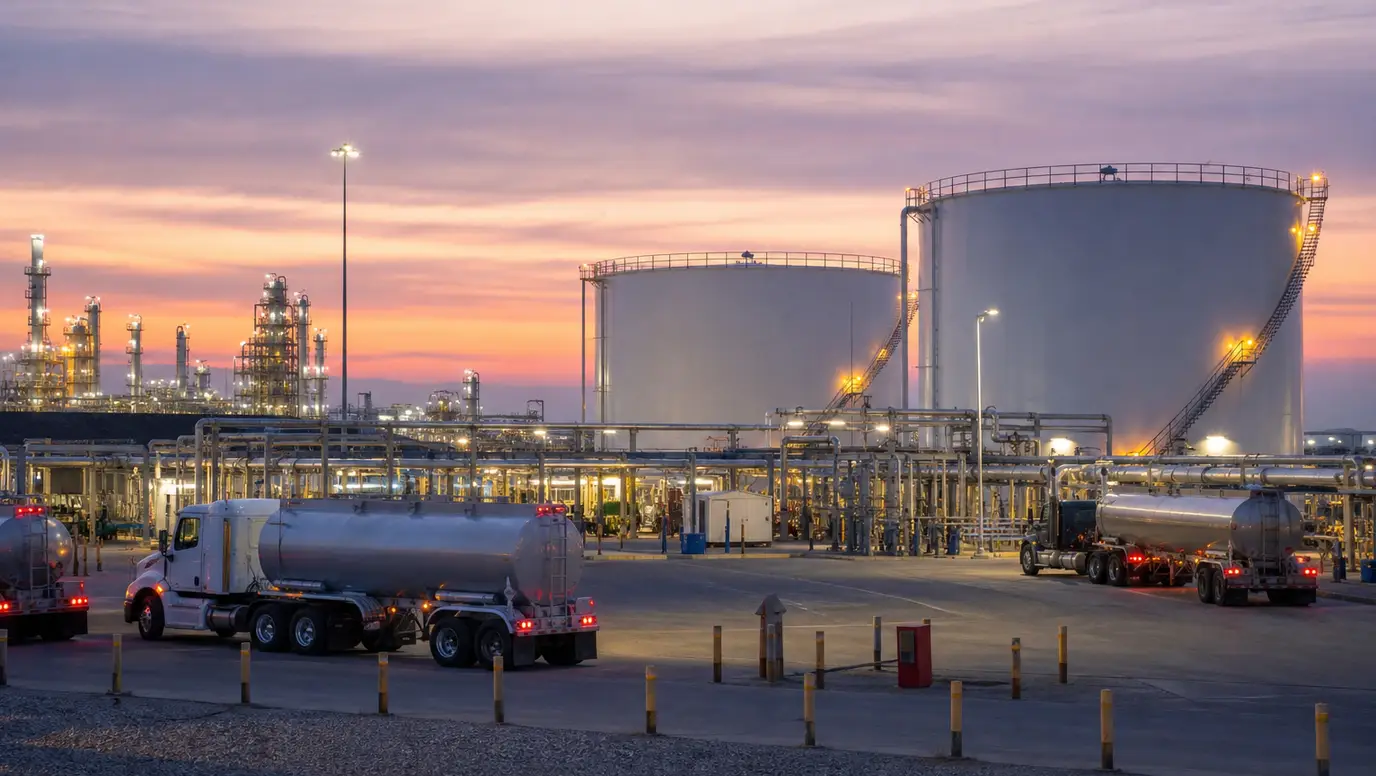
SEPTEMBER 26, 2026
Gasoline Futures Stay Volatile as U.S. Stock Draw Tightens Fuel Market Cushion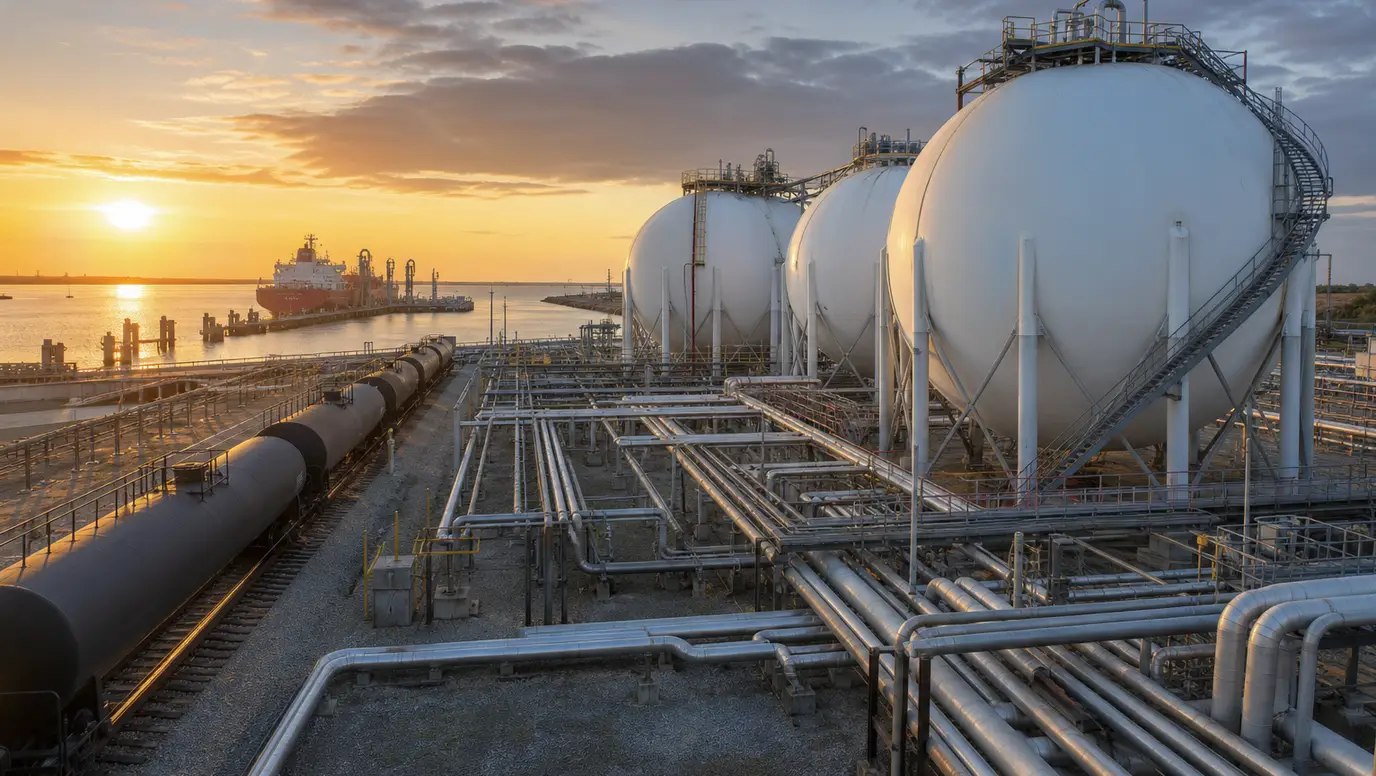
SEPTEMBER 24, 2026
Propane Fuel Prices Firm as U.S. Stock Draw Puts Mont Belvieu on Export Watch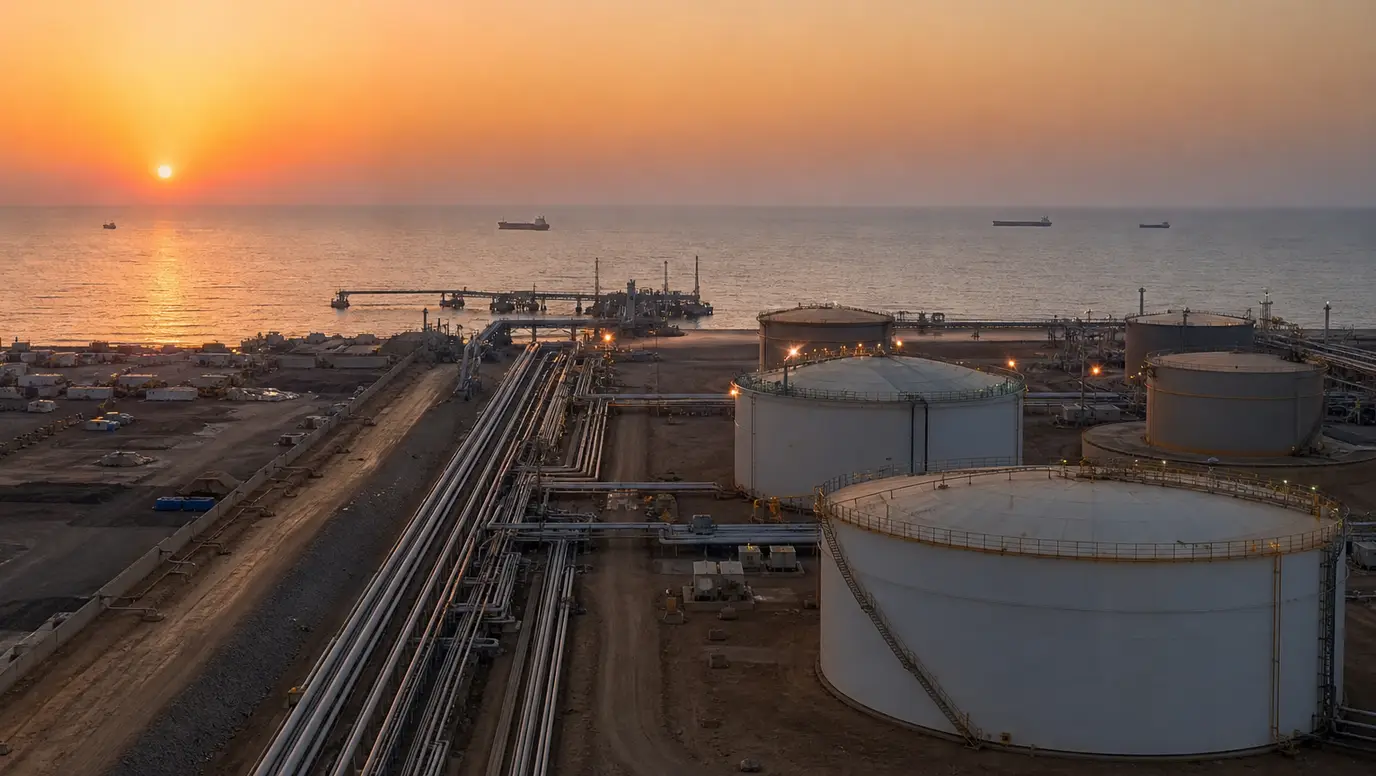
SEPTEMBER 23, 2026
WTI Crude Oil Futures Hold Near Two-Week Low as Gulf Supply Return Tests Fuel Market
SEPTEMBER 22, 2026
Distillate Fuel Futures Surge as Refinery Outages Widen Energy Market Crack Spread
SEPTEMBER 19, 2026
Gasoline Futures Climb as Refinery Outage and Pump Price Jump Put Fuel Market on Alert
SEPTEMBER 17, 2026
Propane Fuel Draw Tests Energy Market as Exports Offset U.S. Stock Cushion
SEPTEMBER 16, 2026
Distillate Fuel Squeeze Puts Commodity Futures on Diesel Inflation Watch
SEPTEMBER 11, 2026
Diesel Fuel Shock Puts Oil Market on Freight Inflation Watch
SEPTEMBER 10, 2026
Distillate Fuel Rally Spreads to Gasoline as Refinery Outages Tighten Energy Market
SEPTEMBER 6, 2026
Propane Fuel Draw Puts Energy Commodities on Winter Supply Watch
SEPTEMBER 5, 2026
Gasoline Fuel Margins Put Energy Market on Pump Price Watch
SEPTEMBER 4, 2026
Diesel Fuel Record Puts Energy Market on Transport Inflation Watch
SEPTEMBER 1, 2026
Distillate Fuel Rally Tightens Energy Market as Diesel Stocks Sink
AUGUST 26, 2026
Distillate Fuel Draw Puts Energy Market on Diesel Supply Watch
AUGUST 25, 2026
Gasoline Futures Slide as Fuel Waiver Puts Energy Commodities on Pump Price Watch
AUGUST 24, 2026
Propane Stockpile Puts Fuel Traders on Winter Demand Watch
AUGUST 23, 2026
Crude Oil Keeps Strait of Hormuz Premium as Fuel Transit Signals Stir Energy Market
AUGUST 21, 2026
Brent Crude Extends Weekly Gain as Iran Sanctions Threat Tightens Fuel Supply Watch