
OCTOBER 11, 2026
LNG Fuel Market Cools as Winter Energy Risk Keeps Buyers on AlertLNG prices ease after a sharp rally, but low European storage and winter demand risks keep the energy market on alert.

© 1box.site 2026

OCTOBER 12, 2026
Diesel fuel futures retreated at the start of the week as traders priced in the possibility of extra Russian barrels reaching the market, but the pullback did not erase the larger concern that distillate supply remains thin heading into the Northern Hemisphere winter.
The move was centered on refined products rather than crude alone. Expectations for additional diesel availability, along with talk of a possible halt to attacks on energy infrastructure in the Russia-Ukraine war, encouraged some profit-taking after a sharp run-up in middle distillates. The reaction suggests that traders are sensitive to even modest signs of relief because inventories have been running below comfortable seasonal levels.
The near-term message for the energy market is mixed. A new supply channel could cool the most extreme diesel price pressure if cargoes move quickly and reliably. However, the market still has to absorb refinery maintenance, winter heating demand, trucking consumption and the risk that geopolitical promises fail to translate into sustained physical flows.
The proposed Russian diesel volumes are being treated as a potential pressure valve for a market that has struggled with tight distillate balances through late summer and early autumn. Diesel is critical for freight, farming, construction, mining and heating, so price moves often feed quickly into broader inflation expectations.
Still, traders are unlikely to fully remove the risk premium until cargo schedules, sanctions treatment, financing, insurance and port logistics become clearer. The market has repeatedly learned that announced energy deals can take longer than expected to influence spot supply, especially when war risk and compliance questions remain involved.
That explains why the fall in futures looked more like a reset than a full reversal. Diesel and gasoil prices had already reflected tight inventories and limited spare refining flexibility. A headline supply boost can pull prices lower for a session, but sustained weakness would likely require visible stock builds across key consuming regions.
For U.S. buyers, the issue is especially important because distillate stocks have entered the heating season at lean levels. The latest weekly data showed domestic distillate inventories near 105 million barrels, only slightly changed from the prior week and still well below normal ranges for this time of year. That leaves the market exposed to any early cold spell or refinery outage.
Seasonality is now becoming a larger driver. Heating oil demand typically rises in the fourth quarter, while freight activity can remain firm before the holiday distribution period. If temperatures fall faster than expected in the U.S. Northeast or Europe, the market may need imports at the same time other regions are competing for similar barrels.
Refinery margins will therefore remain a key signal. Strong diesel cracks encourage refiners to maximize distillate output, but plants cannot instantly offset global shortfalls if maintenance, crude quality constraints or unplanned disruptions intervene. The market is also watching whether Asian and Middle Eastern refiners can increase exports enough to soften Atlantic Basin tightness.
Crude oil remains part of the story, but diesel has taken the lead in setting the tone for energy inflation risk. If crude prices ease while diesel remains expensive, refiners may benefit, but consumers and transport operators could still face elevated fuel bills. That divergence is one reason distillate prices can matter more than headline oil benchmarks for the real economy.
The next test is whether upcoming inventory releases show that supply relief is real. A meaningful build in distillate stocks would support the argument that the market is moving away from the tightest phase. Another draw, or a build concentrated in the wrong region, would challenge the bearish reaction and could bring buyers back quickly.
Traders will also monitor shipping flows near major chokepoints, refinery utilization rates and any confirmation that Russia-Ukraine energy infrastructure restraint is holding. The risk is asymmetric: if promised barrels arrive, prices may grind lower; if the deal stalls or infrastructure attacks resume, the market could quickly rebuild a winter premium.
For now, diesel fuel futures are signaling cautious relief rather than confidence. The supply headline has eased immediate panic, but low distillate inventories leave little room for error. Until stocks recover, the energy market is likely to treat every refinery disruption, cold-weather forecast and geopolitical update as a potential price catalyst.
OCTOBER 11, 2026
LNG Fuel Market Cools as Winter Energy Risk Keeps Buyers on Alert
OCTOBER 9, 2026
Delta Air Lines Stock Falls as Fuel Costs Cut Into Airline Profit Outlook
OCTOBER 7, 2026
Gasoline Futures Climb as Gulf Storm Puts Fuel Supply on Alert
OCTOBER 6, 2026
Distillate Fuel Squeeze Keeps Energy Market Alert as Diesel Margins Stay Elevated
OCTOBER 3, 2026
Propane Leads Energy Commodities Watch as U.S. Exports Hit Record
OCTOBER 1, 2026
Gasoline Futures Rise as Fuel Export Curbs Tighten Energy Market
SEPTEMBER 30, 2026
WTI Crude Oil Futures Steady as Iran Sanctions Risk Meets Tight Fuel Market
SEPTEMBER 28, 2026
Distillate Fuel Futures Rise as Tight Diesel Stocks Put Energy Market on Supply Alert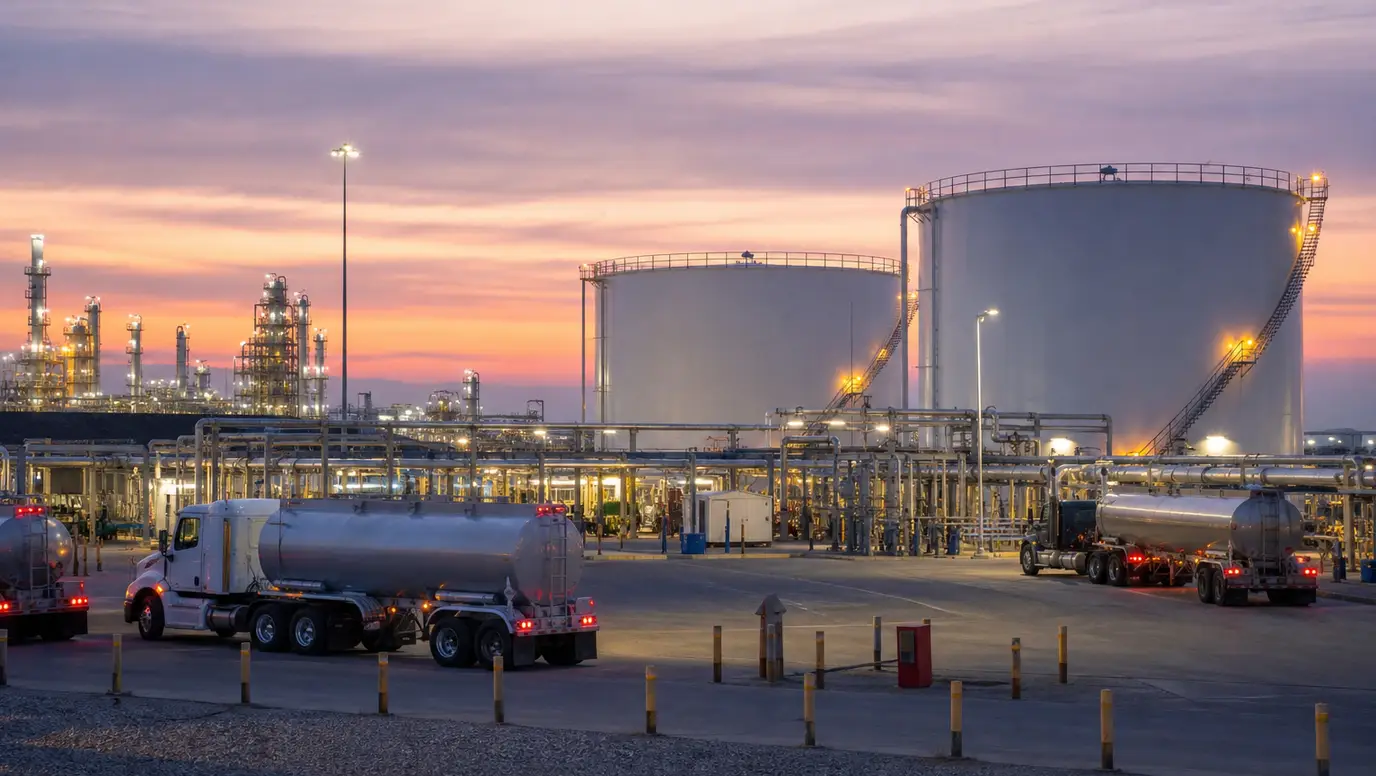
SEPTEMBER 26, 2026
Gasoline Futures Stay Volatile as U.S. Stock Draw Tightens Fuel Market Cushion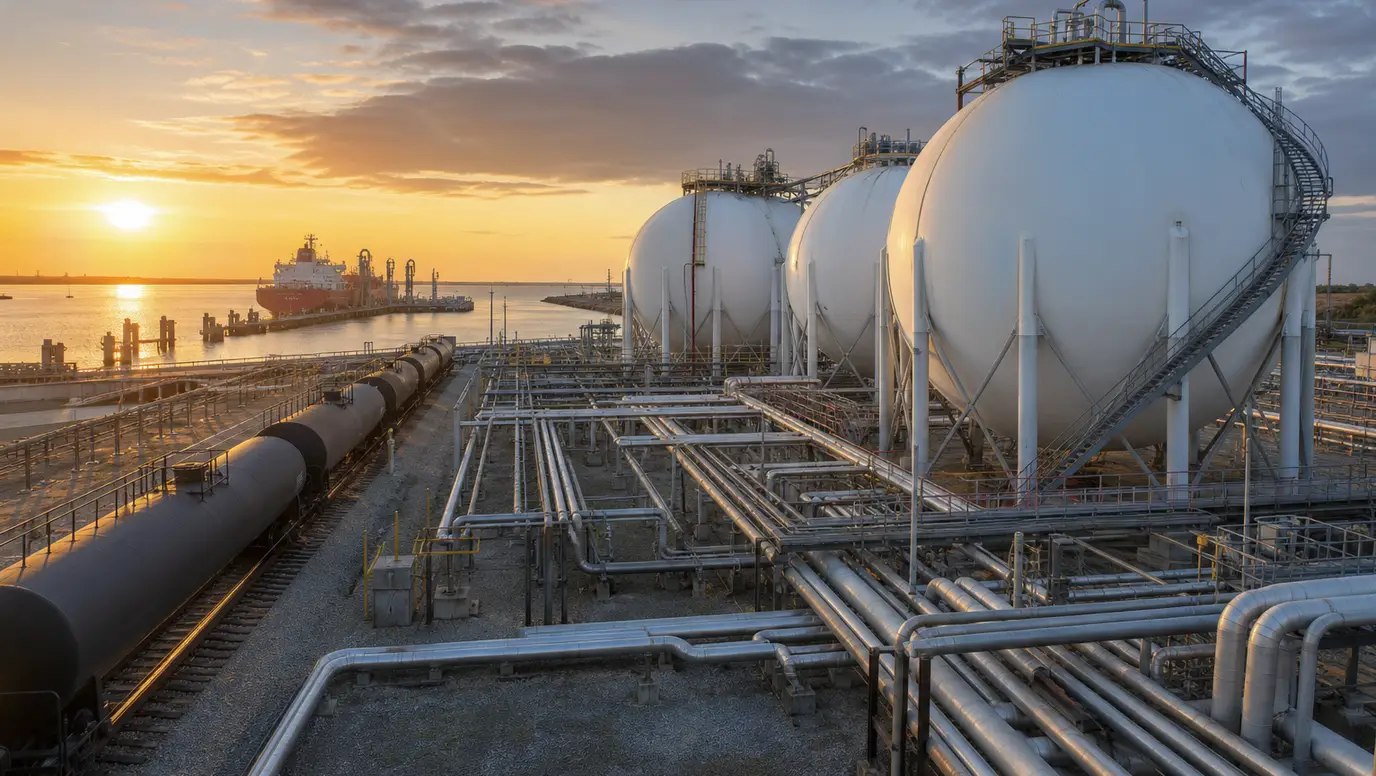
SEPTEMBER 24, 2026
Propane Fuel Prices Firm as U.S. Stock Draw Puts Mont Belvieu on Export Watch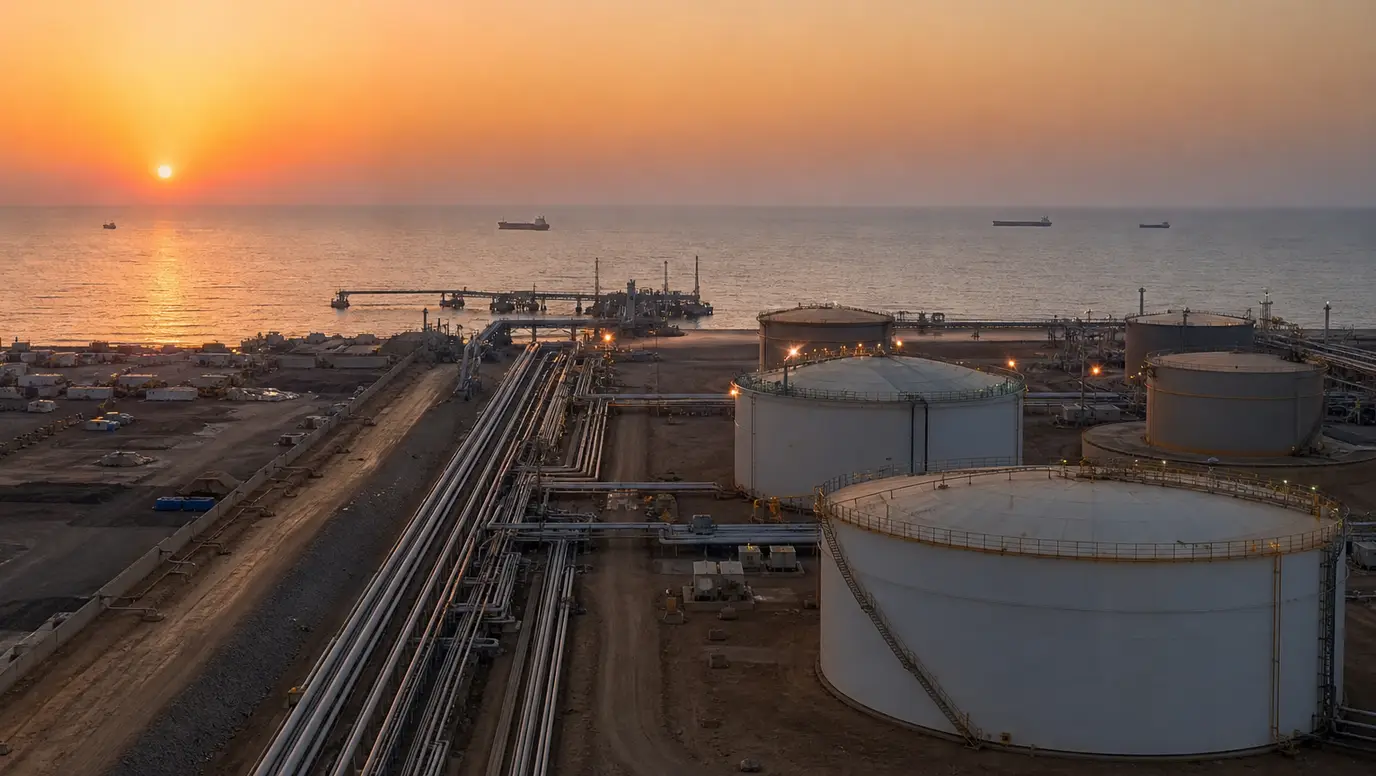
SEPTEMBER 23, 2026
WTI Crude Oil Futures Hold Near Two-Week Low as Gulf Supply Return Tests Fuel Market
SEPTEMBER 22, 2026
Distillate Fuel Futures Surge as Refinery Outages Widen Energy Market Crack Spread
SEPTEMBER 19, 2026
Gasoline Futures Climb as Refinery Outage and Pump Price Jump Put Fuel Market on Alert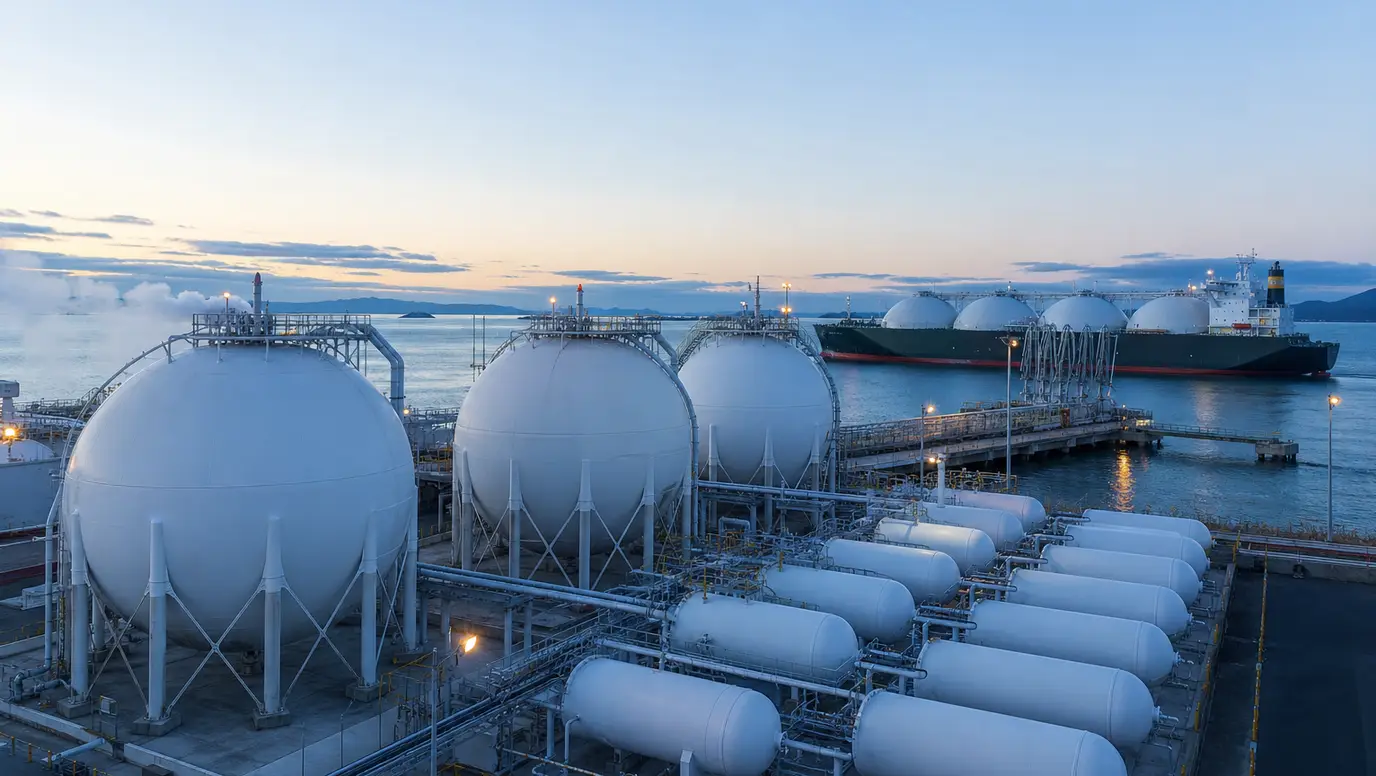
SEPTEMBER 17, 2026
Propane Fuel Draw Tests Energy Market as Exports Offset U.S. Stock Cushion
SEPTEMBER 16, 2026
Distillate Fuel Squeeze Puts Commodity Futures on Diesel Inflation Watch
SEPTEMBER 11, 2026
Diesel Fuel Shock Puts Oil Market on Freight Inflation Watch
SEPTEMBER 10, 2026
Distillate Fuel Rally Spreads to Gasoline as Refinery Outages Tighten Energy Market
SEPTEMBER 6, 2026
Propane Fuel Draw Puts Energy Commodities on Winter Supply Watch
SEPTEMBER 5, 2026
Gasoline Fuel Margins Put Energy Market on Pump Price Watch
SEPTEMBER 4, 2026
Diesel Fuel Record Puts Energy Market on Transport Inflation Watch
SEPTEMBER 1, 2026
Distillate Fuel Rally Tightens Energy Market as Diesel Stocks Sink
AUGUST 26, 2026
Distillate Fuel Draw Puts Energy Market on Diesel Supply Watch
AUGUST 25, 2026
Gasoline Futures Slide as Fuel Waiver Puts Energy Commodities on Pump Price Watch
AUGUST 24, 2026
Propane Stockpile Puts Fuel Traders on Winter Demand Watch
AUGUST 23, 2026
Crude Oil Keeps Strait of Hormuz Premium as Fuel Transit Signals Stir Energy Market
AUGUST 21, 2026
Brent Crude Extends Weekly Gain as Iran Sanctions Threat Tightens Fuel Supply Watch
AUGUST 20, 2026
Distillate Fuel Draw Puts Energy Market on Diesel Margin Watch as Crude Oil Stocks Build
AUGUST 17, 2026
Gasoline Draw Keeps Energy Market Focus on Refinery Run and Fuel Demand
AUGUST 14, 2026
Fuel Buffers Shrink as Strategic Oil Reserve Falls Below 300 Million Barrels
AUGUST 13, 2026
Propane Fuel Glut Widens as US Energy Stocks Rise Above Seasonal Average