
OCTOBER 29, 2026
Gasoline Futures Lose Momentum as Fuel Demand Drop Offsets U.S. Crude DrawGasoline futures face pressure as U.S. stockpiles rise, demand cools and refinery margins stay in focus despite a crude draw.

© 1box.site 2026
OCTOBER 31, 2026
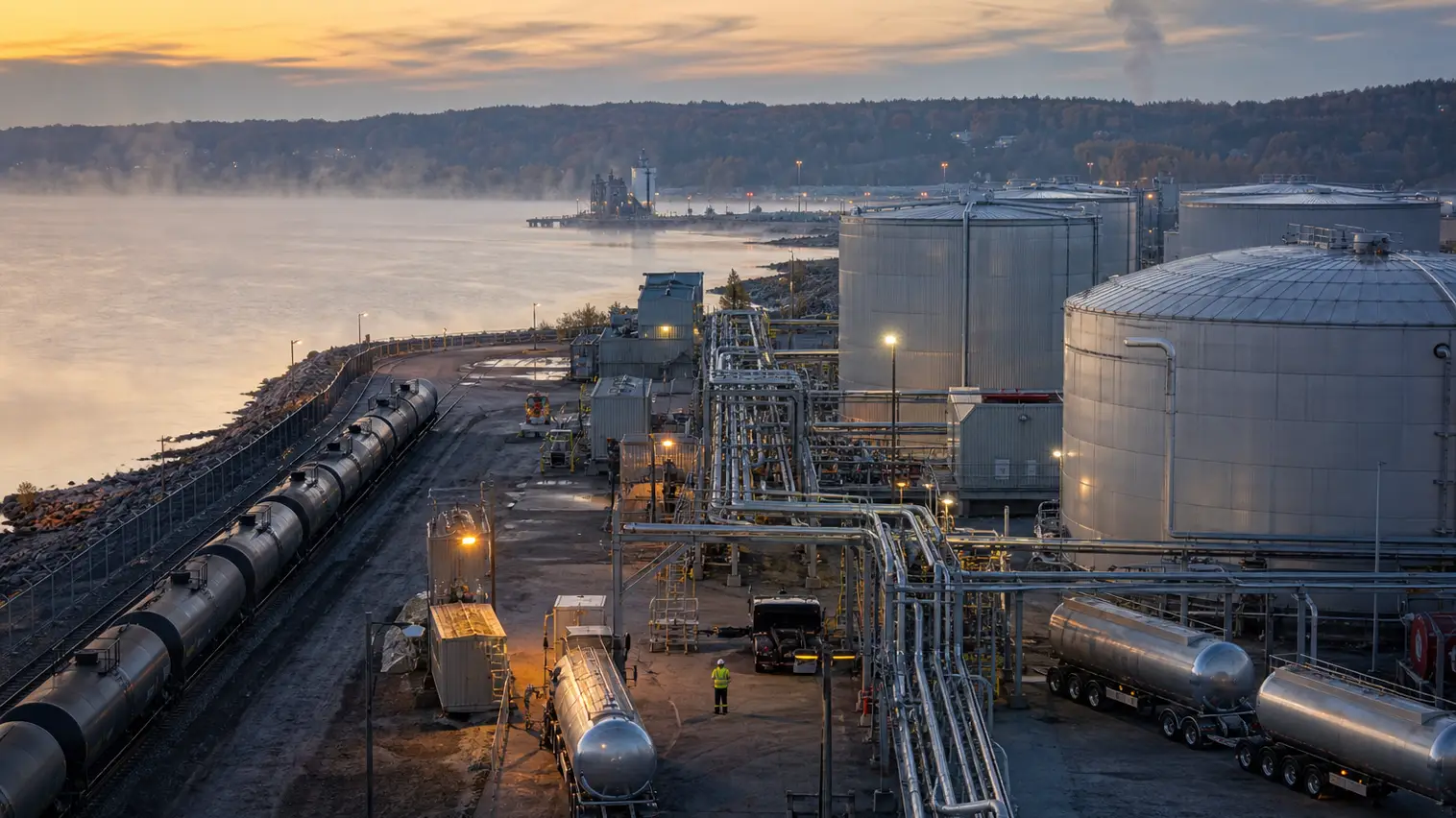
Distillate fuel moved back to the center of the energy market after a fresh U.S. inventory draw reinforced concerns that diesel and heating oil supplies remain thin heading into the winter demand season.
New York Harbor ultra-low sulfur diesel futures, the benchmark used for both diesel and heating oil exposure, ended the latest session near $4.68 a gallon after gaining almost 2%. The move followed weekly data showing U.S. distillate stocks fell by about 1.5 million barrels in the week ended October 23, leaving inventories close to 102.8 million barrels.
The draw matters because distillates sit at the intersection of freight, farming, manufacturing and home heating demand. When diesel inventories are tight, the pressure can spread beyond energy trading screens into logistics costs, retail delivery charges and winter fuel bills across the Northeast.
The latest stock decline came even as the broader oil market has already absorbed weeks of geopolitical risk and refinery stress. Crude prices remain elevated, but the sharper focus for traders is the refined products balance: how much usable diesel, heating oil and jet-linked fuel can be produced, imported and delivered before cold weather lifts consumption.
Distillate inventories have been running below normal seasonal comfort levels for much of the year. That has kept the market sensitive to even modest weekly draws, especially when refinery maintenance, shipping disruptions or strong export demand reduce the cushion available to consumers.
For futures traders, the tightness is visible in the premium attached to prompt fuel barrels. A high diesel price relative to crude suggests refiners are being rewarded for every additional gallon they can produce, but it also signals that end users are paying up for immediate supply security.
The current setup differs from a simple crude oil rally. Crude benchmarks can be supported by broad geopolitical fear, but distillate strength points to a more specific bottleneck in usable fuel. That makes the market harder to cool quickly, because extra crude supply does not immediately translate into extra diesel if refinery capacity, product specifications or logistics are constrained.
The approach of winter adds another layer of risk. Heating oil demand is concentrated in the U.S. Northeast, where households are more exposed to distillate pricing than regions that rely more heavily on natural gas. A colder-than-normal start to the season would likely tighten local balances further and could keep futures volatile.
Policy intervention remains a key variable. Major consuming nations have signaled willingness to release oil and refined products, with diesel supply relief a priority. The market reaction has been cautious, however, because emergency barrels can soften short-term stress but may not fully rebuild commercial inventories if demand stays firm.
Traders are also watching import flows and the political debate around alternative diesel supply routes. Any increase in seaborne diesel availability could ease the most acute pressure in coastal markets, but legal, diplomatic and logistical uncertainty keeps the supply outlook uneven.
Refiners, meanwhile, have an incentive to run hard while margins remain elevated. Strong utilization can help replenish stocks, but it also raises the risk of operational outages if plants are pushed aggressively through late-season maintenance windows.
For the energy market, distillate fuel is now acting as a stress gauge. If inventories stabilize over the next several weekly reports, diesel futures could lose some of their risk premium and reduce pressure on transport-linked inflation. If draws continue, the market may price in a tighter winter balance before household heating demand reaches its seasonal peak.
The near-term technical picture remains constructive while futures hold above recent support and physical diesel prices remain firm. Still, the rally is vulnerable to any combination of warmer weather, stronger refinery output, additional product releases or larger import arrivals.
Until there is clear evidence that distillate stocks are rebuilding, diesel and heating oil are likely to remain among the most closely watched contracts in the energy complex. The latest draw suggests that the refined fuel squeeze has not yet been resolved, keeping winter supply risk firmly on traders’ screens.
OCTOBER 29, 2026
Gasoline Futures Lose Momentum as Fuel Demand Drop Offsets U.S. Crude Draw
OCTOBER 25, 2026
Distillate Fuel Market Watches Russian Diesel Cargo as U.S. Energy Trade Risk Widens
OCTOBER 24, 2026
Gasoline Fuel Futures Face Inflation Watch as U.S. Stock Draw Tightens Energy Market
OCTOBER 18, 2026
Distillate Fuel Futures Stay Bid as Diesel Reserve Release Meets Winter Supply Risk
OCTOBER 13, 2026
Gasoline Fuel Futures Stay Elevated as Low US Inventories Keep Refinery Risk in Focus
OCTOBER 12, 2026
Diesel Fuel Futures Slide as Russia Supply Deal Tests Distillate Shortage
OCTOBER 7, 2026
Gasoline Futures Climb as Gulf Storm Puts Fuel Supply on Alert
OCTOBER 6, 2026
Distillate Fuel Squeeze Keeps Energy Market Alert as Diesel Margins Stay Elevated
OCTOBER 1, 2026
Gasoline Futures Rise as Fuel Export Curbs Tighten Energy Market
SEPTEMBER 30, 2026
WTI Crude Oil Futures Steady as Iran Sanctions Risk Meets Tight Fuel Market
SEPTEMBER 28, 2026
Distillate Fuel Futures Rise as Tight Diesel Stocks Put Energy Market on Supply Alert
SEPTEMBER 26, 2026
Gasoline Futures Stay Volatile as U.S. Stock Draw Tightens Fuel Market Cushion
SEPTEMBER 23, 2026
WTI Crude Oil Futures Hold Near Two-Week Low as Gulf Supply Return Tests Fuel Market
SEPTEMBER 22, 2026
Distillate Fuel Futures Surge as Refinery Outages Widen Energy Market Crack Spread
SEPTEMBER 19, 2026
Gasoline Futures Climb as Refinery Outage and Pump Price Jump Put Fuel Market on Alert
SEPTEMBER 16, 2026
Distillate Fuel Squeeze Puts Commodity Futures on Diesel Inflation Watch
SEPTEMBER 11, 2026
Diesel Fuel Shock Puts Oil Market on Freight Inflation Watch
SEPTEMBER 10, 2026
Distillate Fuel Rally Spreads to Gasoline as Refinery Outages Tighten Energy Market
SEPTEMBER 4, 2026
Diesel Fuel Record Puts Energy Market on Transport Inflation Watch
SEPTEMBER 1, 2026
Distillate Fuel Rally Tightens Energy Market as Diesel Stocks Sink
AUGUST 26, 2026
Distillate Fuel Draw Puts Energy Market on Diesel Supply Watch
AUGUST 20, 2026
Distillate Fuel Draw Puts Energy Market on Diesel Margin Watch as Crude Oil Stocks Build
AUGUST 17, 2026
Gasoline Draw Keeps Energy Market Focus on Refinery Run and Fuel Demand
AUGUST 9, 2026
Gasoline and Distillate Fuel Draws Tighten Energy Market as Refinery Runs Stay High