
OCTOBER 23, 2026
Brent Crude Oil Extends Energy Market Surge as Houthi Strikes Lift Supply PremiumBrent crude oil climbs above $116 as Houthi strikes and Gulf shipping risk add a fresh supply premium to the energy market.

© 1box.site 2026

AUGUST 21, 2026
Brent crude stayed on course for a second consecutive weekly advance on Friday as traders weighed modest profit-taking against a renewed geopolitical risk premium tied to Iran, Gulf shipping routes and the threat of tougher sanctions. The energy market has shifted from a short-term inventory story to a broader supply-security trade, with benchmark prices holding near one-month highs despite a softer intraday tone.
Early Friday pricing showed Brent still trading above the $90-a-barrel threshold, while U.S. crude futures remained elevated after a sharp multi-session rebound. The move has been driven less by a sudden demand surge than by concern that disrupted Middle East flows may persist longer than previously expected. For energy traders, that distinction matters: a supply-led rally can keep fuel inflation pressure alive even when global growth indicators look uneven.
The latest catalyst is the market’s reassessment of Iran-related supply risk. Threats of stricter economic measures against Tehran, combined with continuing uncertainty around Gulf export routes, have reduced confidence that regional oil and liquefied natural gas flows will normalize quickly. Before the latest disruptions, the Strait of Hormuz was one of the world’s most important chokepoints for seaborne energy trade, making any sustained slowdown a direct concern for refiners, shippers and fuel buyers.
That backdrop has encouraged traders to rebuild a risk premium in Brent crude. The international benchmark has risen strongly over the past week, and the rally has drawn in momentum accounts even as some investors lock in profits before the weekend. West Texas Intermediate has followed the same direction, reflecting the global nature of the shock even though U.S. domestic production remains relatively resilient.
The market is also watching whether sanctions pressure changes the behavior of large crude buyers. If restrictions tighten further, discounted barrels may become harder to move, insurance and freight costs could rise, and refiners may need to compete more aggressively for replacement supplies. That would support physical crude differentials and could limit the downside in futures, even if headline demand numbers soften.
The fuel channel is now the key transmission point for broader markets. Higher crude prices can filter into diesel, jet fuel and gasoline costs, complicating the inflation outlook at a time when bond yields and central bank policy expectations are already sensitive. Even if crude eases slightly after a fast rally, the current price zone is high enough to keep attention on refinery margins and transport costs.
Diesel is especially important because it is tied closely to freight, agriculture, mining and industrial activity. When crude supply tightens while refiners face constraints or regional bottlenecks, distillate markets can react more sharply than headline oil prices suggest. That makes the fuel supply watch more than an energy-sector issue; it becomes a signal for margins across logistics, manufacturing and consumer goods.
For consumers, the immediate impact depends on how quickly wholesale fuel costs move through local markets. Retail gasoline often lags crude futures, but sustained gains can still raise household energy bills and weaken discretionary spending. For companies, the bigger issue is whether hedging programs are sufficient if the rally extends into autumn demand planning.
The next phase will depend on three variables: the intensity of sanctions enforcement, the reliability of Gulf shipping flows and the response from other producers. If alternative suppliers increase exports or inventories rebuild, Brent could struggle to extend gains beyond recent highs. If shipping delays worsen or buyers face fresh compliance barriers, the market may continue to price a tighter forward balance.
OPEC+ policy also remains relevant, but traders may treat any headline production increases cautiously if physical export disruptions offset additional quotas. In a market focused on deliverable barrels, announced supply and available supply are not always the same thing. That is why tanker traffic, loading schedules and refinery nominations may carry as much weight as formal production targets in the days ahead.
For now, Brent crude’s second weekly gain signals that the energy market is no longer comfortable fading geopolitical risk. The rally is not a straight-line bet on stronger demand; it is a hedge against constrained supply, higher freight costs and a renewed fuel inflation impulse. Unless there is visible progress toward smoother Gulf flows, crude oil may remain supported on dips, keeping the fuel supply watch at the center of the energy market narrative.
OCTOBER 23, 2026
Brent Crude Oil Extends Energy Market Surge as Houthi Strikes Lift Supply Premium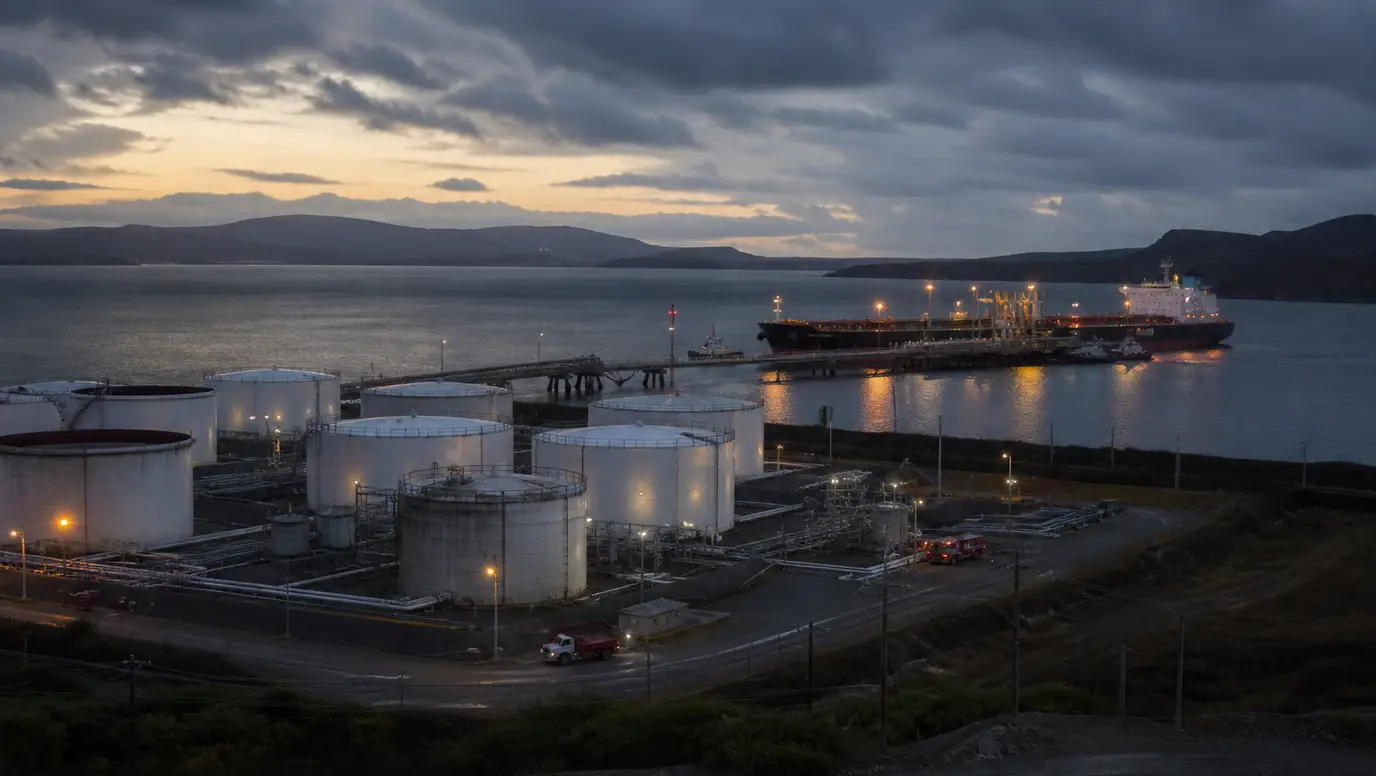
OCTOBER 17, 2026
Brent Crude Oil Tests $110 as Strategic Petroleum Reserve Move Fails to Calm Energy Market
OCTOBER 9, 2026
Brent Crude Oil Pulls Back as OPEC+ Hold and Iran Strike Pause Ease Energy Premium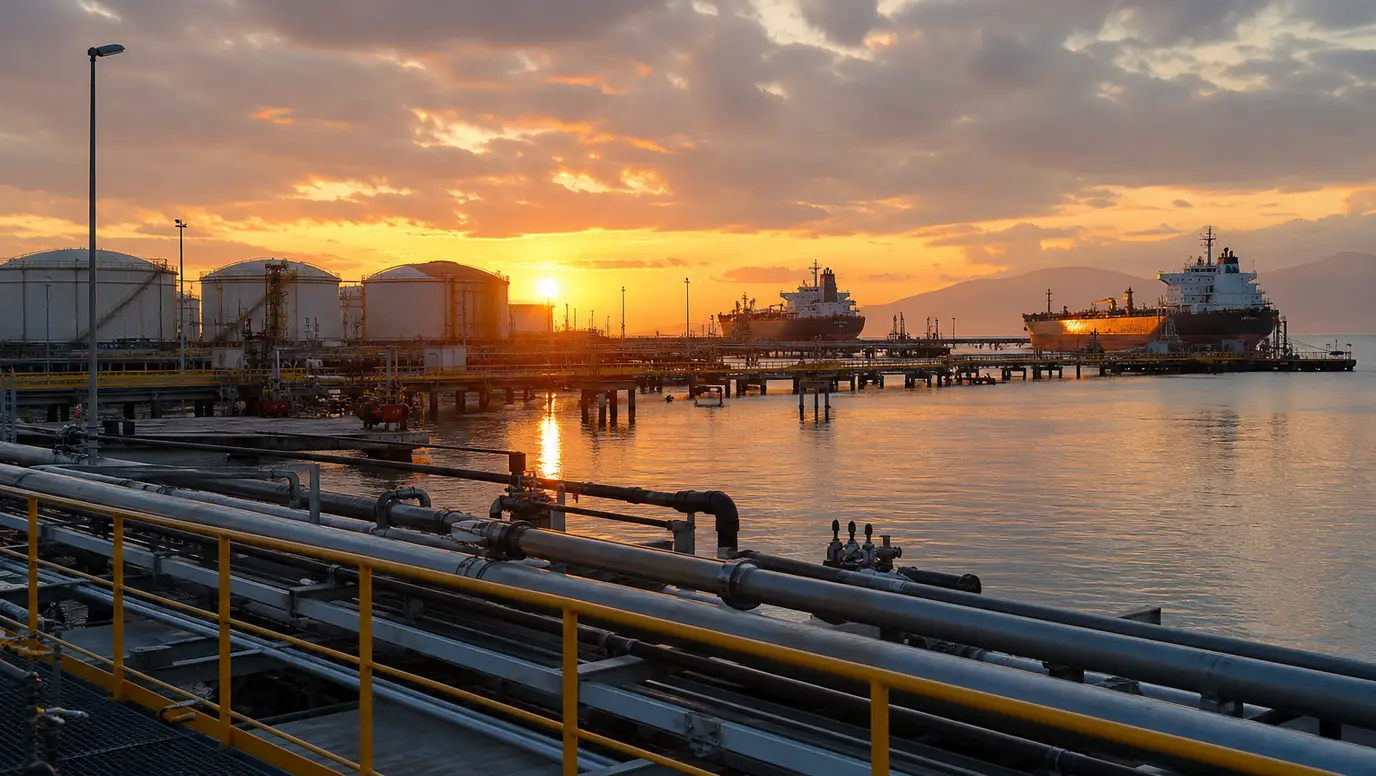
OCTOBER 4, 2026
Brent Crude Holds Above $100 as OPEC+ Extends Output Pause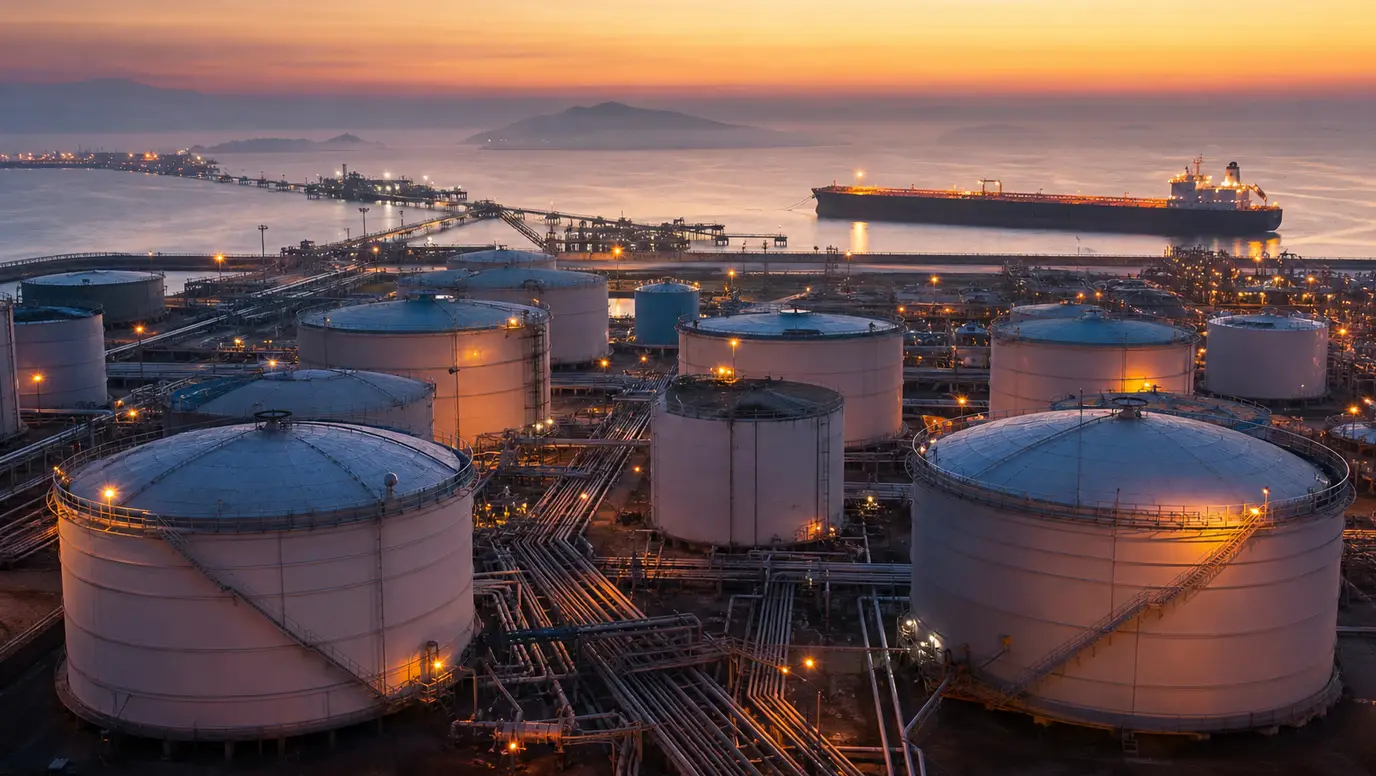
SEPTEMBER 30, 2026
WTI Crude Oil Futures Steady as Iran Sanctions Risk Meets Tight Fuel Market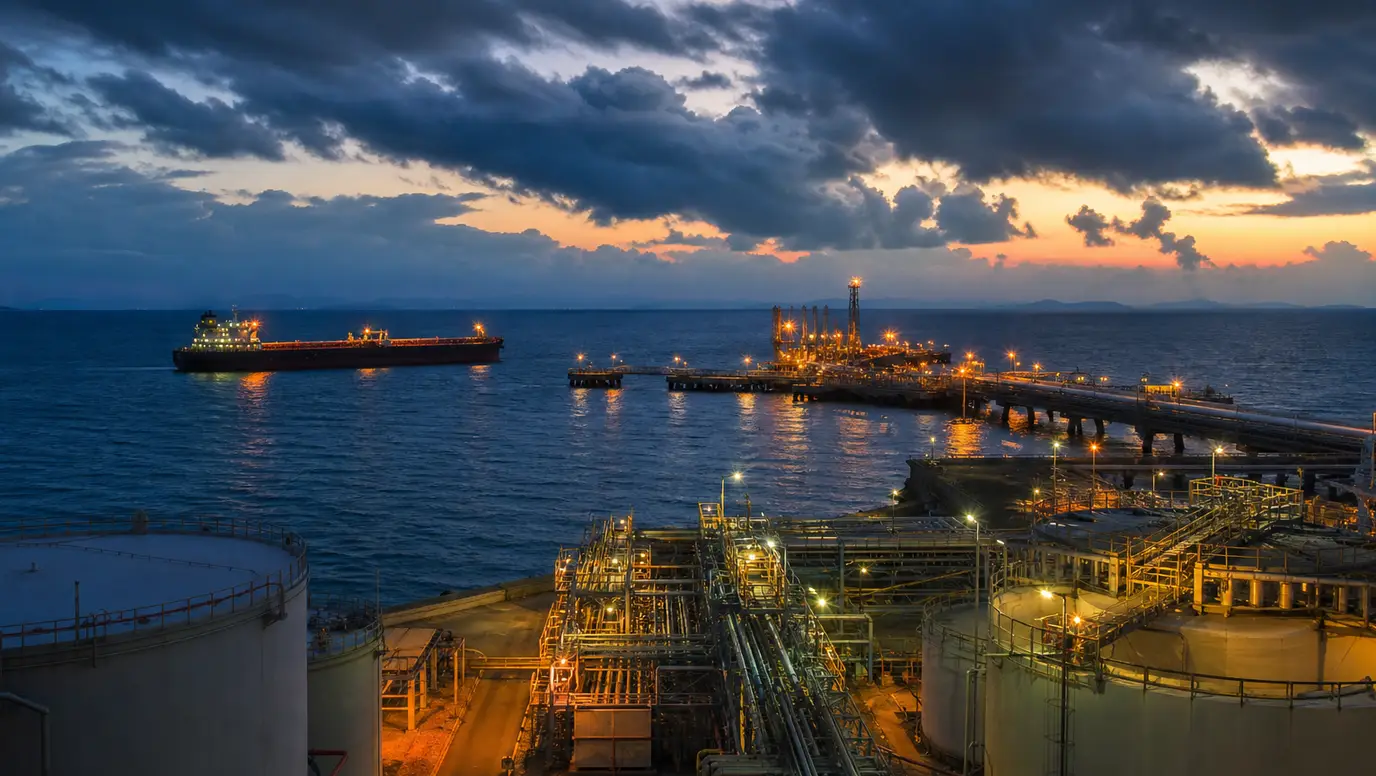
SEPTEMBER 27, 2026
Brent Crude Risk Premium Holds as OPEC+ Pause Keeps Energy Market on Edge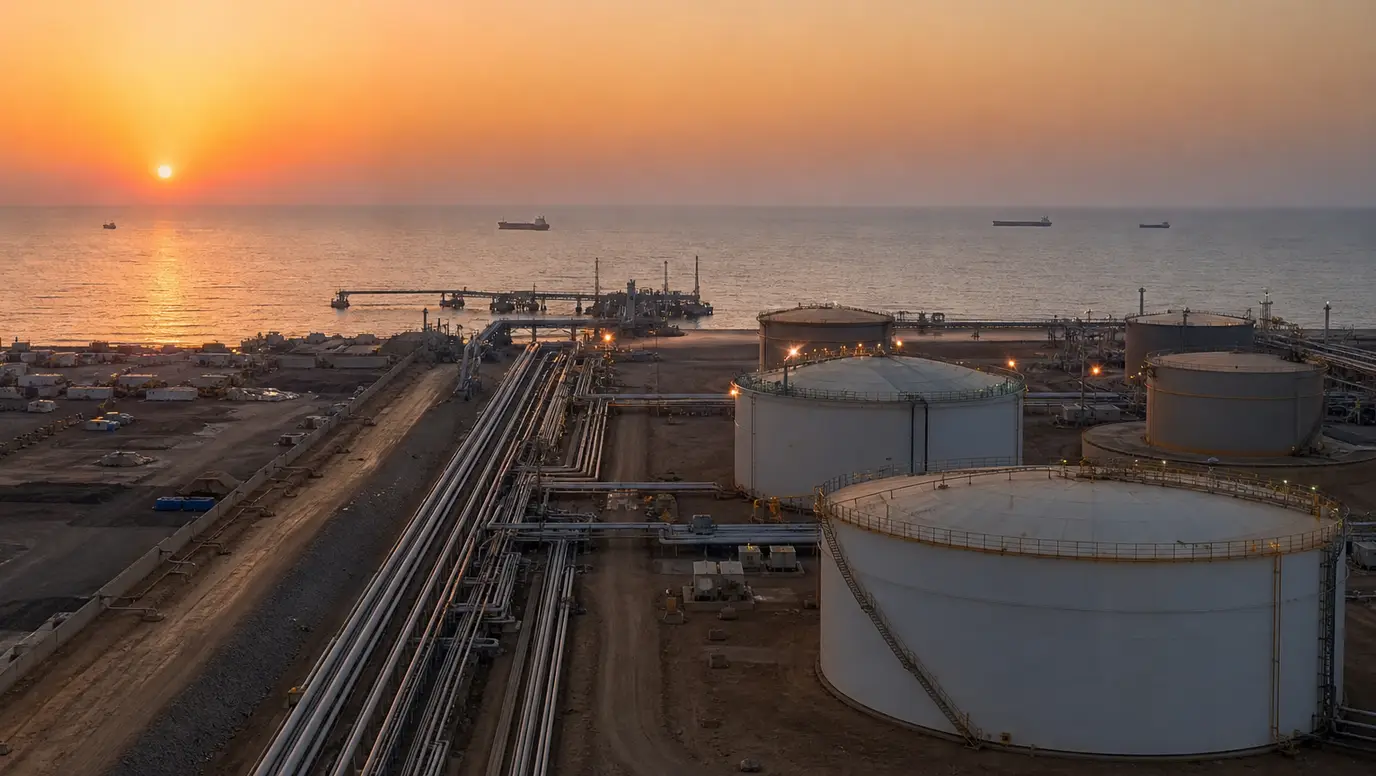
SEPTEMBER 23, 2026
WTI Crude Oil Futures Hold Near Two-Week Low as Gulf Supply Return Tests Fuel Market
SEPTEMBER 20, 2026
Brent Crude Futures Hold Near $104 as Saudi Pipeline Workaround Tests Oil Rally
SEPTEMBER 15, 2026
Brent Crude Holds Above $107 as Saudi Pipeline Closure Lifts Energy Risk Premium
SEPTEMBER 11, 2026
Diesel Fuel Shock Puts Oil Market on Freight Inflation Watch
SEPTEMBER 9, 2026
Brent Crude Futures Break $100 as Supply Shock Tightens Energy Market
SEPTEMBER 3, 2026
OPEC+ Discount Shock Puts Energy Market on Brent Crude Supply Watch
AUGUST 29, 2026
Venezuela Oil Deal Puts Brent Crude on Long-Term Supply Watch
AUGUST 23, 2026
Crude Oil Keeps Strait of Hormuz Premium as Fuel Transit Signals Stir Energy Market
AUGUST 20, 2026
Distillate Fuel Draw Puts Energy Market on Diesel Margin Watch as Crude Oil Stocks Build
AUGUST 18, 2026
Brent Crude and WTI Oil Rise as Strait of Hormuz Risk Revives Energy Inflation Worries
AUGUST 14, 2026
Fuel Buffers Shrink as Strategic Oil Reserve Falls Below 300 Million Barrels
AUGUST 11, 2026
Brent Crude Whipsaws Near $90 as Red Sea Risk Tests Energy Market
AUGUST 6, 2026
Brent Crude Volatility Keeps Energy Market Focused on Iran Risk Premium
JULY 31, 2026
Brent Crude Holds Risk Premium as Red Sea Disruptions Keep Energy Traders Defensive
JULY 24, 2026
Brent Holds Above $100 as Red Sea Tanker Risk Resets Energy Market Outlook
JULY 20, 2026
Brent Crude Tops $90 as WTI Crude and Oil Prices React to Hormuz Shipment Risk
JULY 19, 2026
Brent Crude and WTI Crude Rally as Traders Test OPEC+ Supply Cushion
JULY 18, 2026
Brent Crude and WTI Crude Prices Near Weekend Gap Risk as Energy Market Reprices Supply Threat
JULY 17, 2026
Brent Crude and WTI Crude Hold Weekly Gains as Red Sea Threat Offsets US Dollar Rebound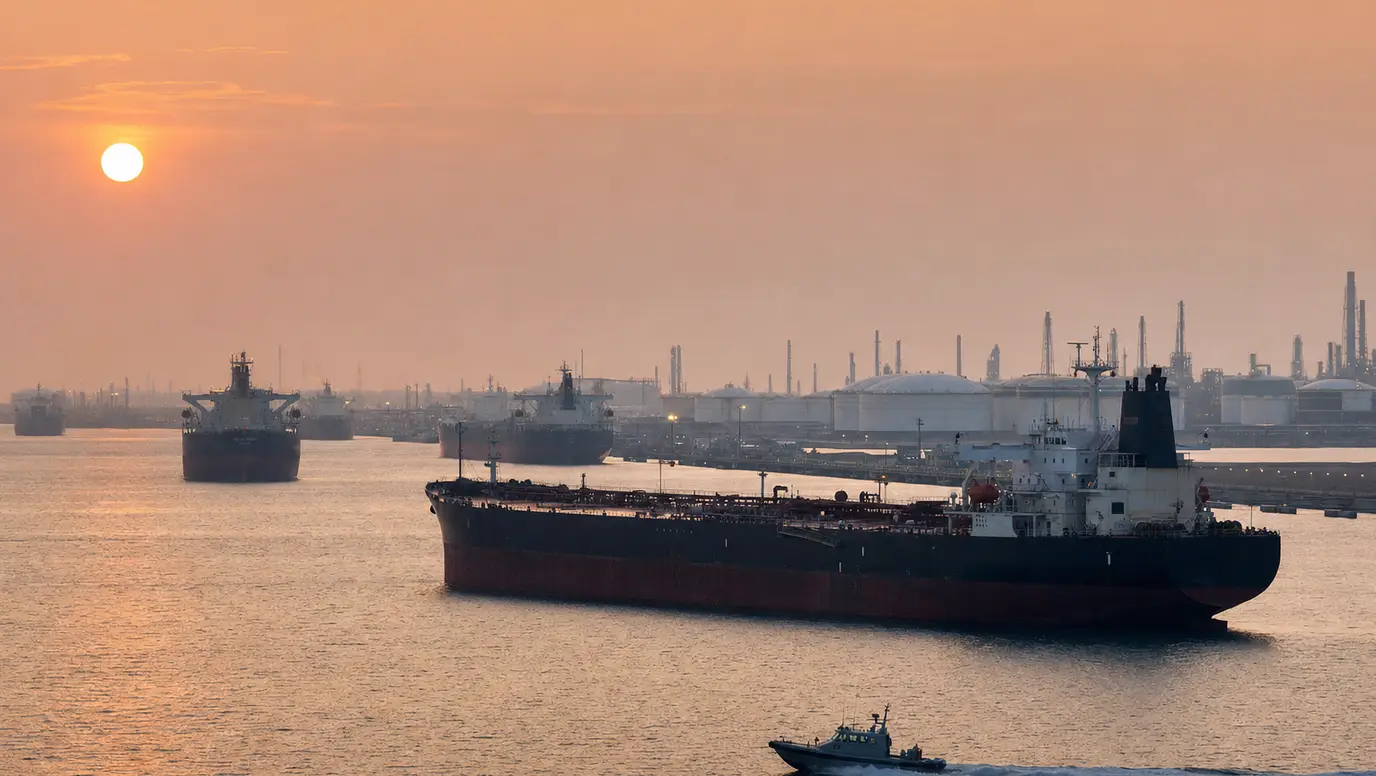
JULY 15, 2026
Brent Crude and WTI Crude Rise as Iran Port Blockade Puts Stockpile Cushion in Focus
JULY 14, 2026
Oil Market Shifts to Bypass Routes as Hormuz Risk Keeps Brent Premium Elevated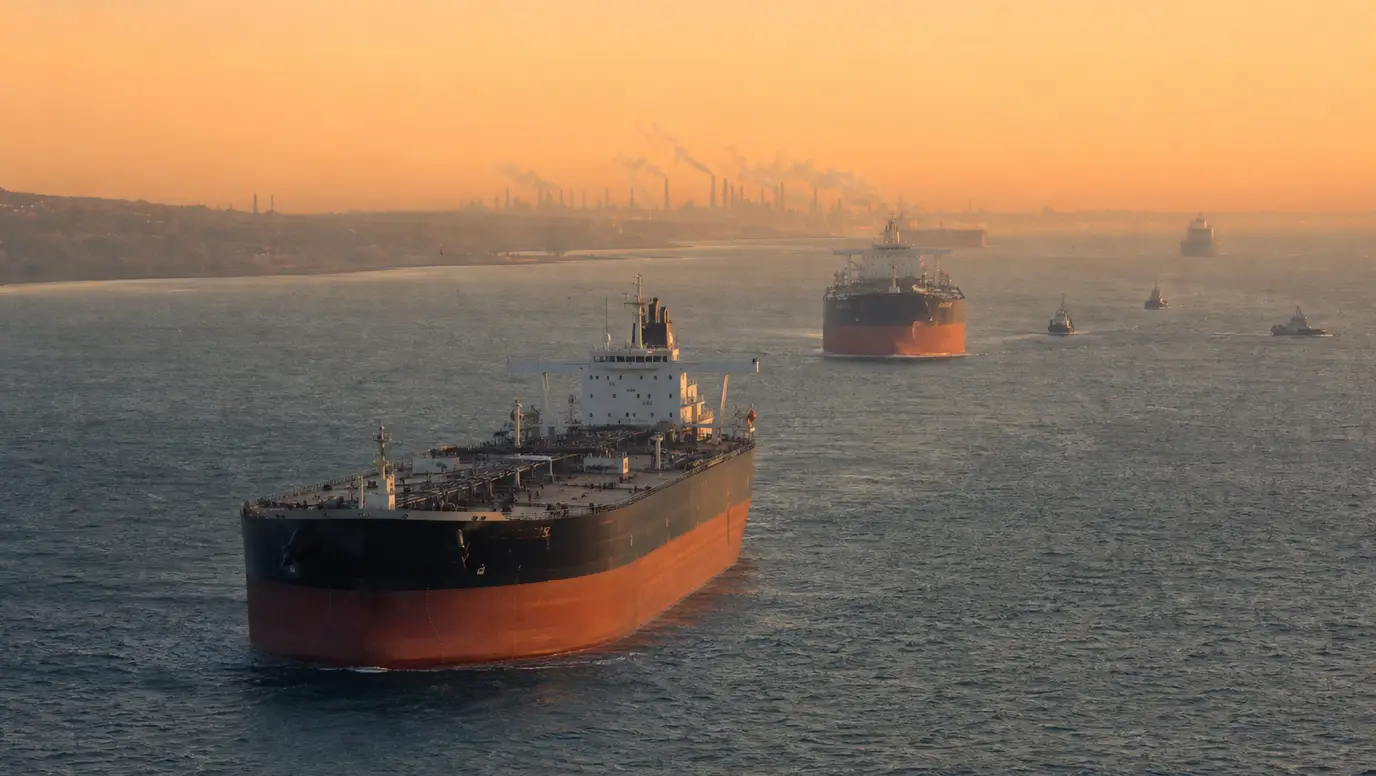
JULY 13, 2026
Brent Crude Jumps as Hormuz Escalation Reprices Energy Market Risk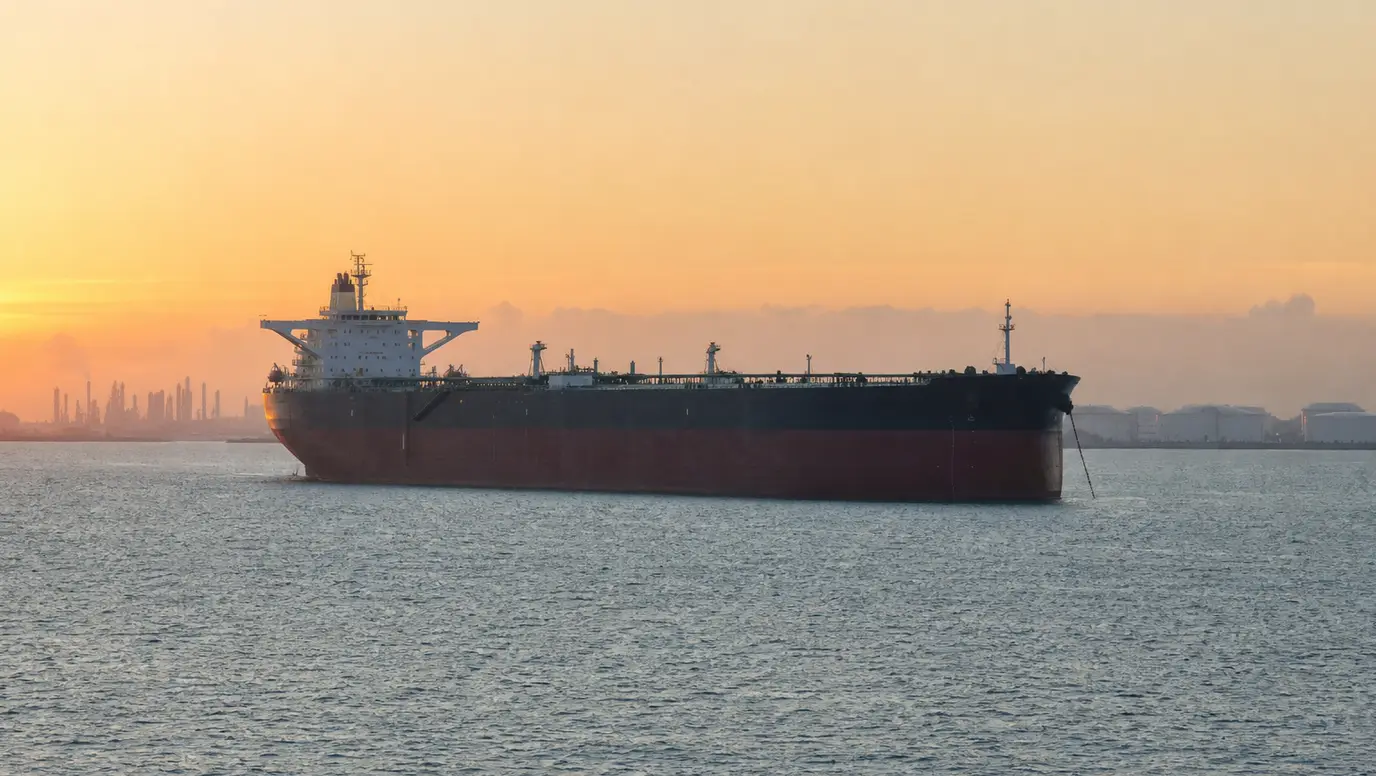
JULY 12, 2026
Crude Oil Faces China Demand Test as Floating Iranian Supply Builds
JULY 11, 2026
Energy Market Watches Tanker Risk as Crude Oil Rally Meets Demand Doubts