
OCTOBER 3, 2026
Propane Leads Energy Commodities Watch as U.S. Exports Hit RecordU.S. propane exports hit record levels, shifting energy market focus to Gulf Coast capacity, Asian demand and winter fuel risk.

© 1box.site 2026
AUGUST 24, 2026
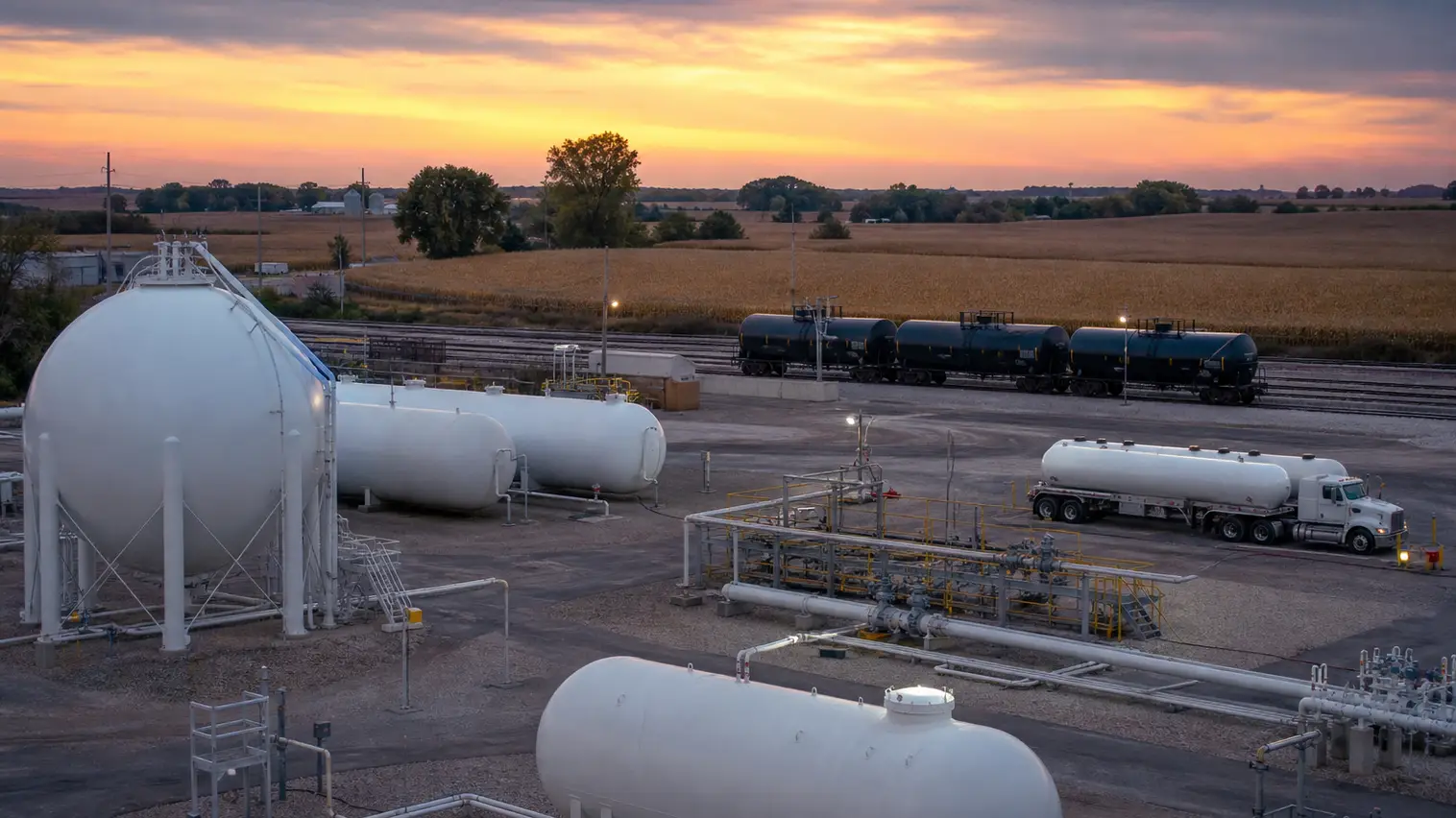
Propane has moved back into the energy market spotlight after fresh weekly figures showed US inventories climbing to a record level just weeks before the market begins to shift from summer stock-building toward winter heating demand.
Total US propane and propylene inventories rose by about 2 million barrels in the week ended August 14, 2026, reaching roughly 107 million barrels. The build was larger than typical seasonal expectations and left stocks well above both year-earlier levels and the recent five-year average, giving fuel traders a much larger cushion than they had during several past pre-winter periods.
The scale of the stockpile is changing the near-term tone of the propane market. Instead of focusing mainly on supply tightness, traders are now weighing whether strong exports, petrochemical demand and early cold-weather buying can absorb the surplus before storage pressure weighs further on regional spot prices.
The latest build was led by the Midwest and the Gulf Coast, two regions that matter most for winter heating security, export logistics and domestic wholesale pricing. Midwest stocks rose to about 26.2 million barrels, while Gulf Coast inventories increased to roughly 67.8 million barrels. Together, those two regions held close to 88% of national inventories, underlining how concentrated the surplus has become.
For the energy market, that concentration matters. The Midwest is central to agricultural drying and residential heating demand, while the Gulf Coast is the main outlet for seaborne propane flows. If exports remain firm, the Gulf Coast surplus can be drawn down without immediately pressuring inland balances. If export demand slows, however, the same inventory cushion could keep Mont Belvieu pricing under pressure and widen the gap with regional hubs.
Wholesale pricing already reflects a more comfortable supply picture. Mont Belvieu propane averaged about 70.3 cents per gallon in July, down from roughly 75.5 cents in June. Weekly pricing later rebounded to around 67.9 cents per gallon for the week ended August 14, but the broader trend still suggests that abundant inventories are limiting the market’s ability to sustain a sharper rally.
The next phase of the propane trade will likely depend on two variables: export pull from overseas buyers and the timing of the first meaningful winter demand. A normal seasonal pattern would still draw inventories lower later in the year, but the market is starting from an unusually high base. That makes a mild start to the heating season potentially bearish for prices, while an early cold snap could quickly revive concern about regional deliverability.
Export demand remains the key balancing mechanism because US propane production has stayed strong alongside broader natural gas liquids output. When international arbitrage is open, Gulf Coast cargoes can clear excess barrels and support domestic prices. When freight, terminal costs or overseas demand weaken, inventories can back up quickly into the US system.
That leaves traders watching weekly storage changes more closely than usual. A series of smaller builds, or an early draw, would suggest the market is beginning to rebalance before winter. Continued large builds would raise the risk that storage comfort persists into the heating season, reducing urgency among buyers and keeping pressure on cash differentials.
Unlike crude oil, propane is highly regional in the way price stress appears. A national inventory record does not eliminate the possibility of local tightness if transport bottlenecks emerge during a cold spell. Rail availability, pipeline flows and terminal logistics can still create short-term price spikes even when the national balance looks comfortable.
For now, though, the dominant signal is supply comfort. The record stockpile gives consumers and distributors a stronger buffer ahead of winter, while forcing producers, exporters and merchants to prove that demand can keep pace with available barrels. Until that happens, propane is likely to remain one of the more defensive corners of the energy commodities complex, with rallies needing confirmation from exports or colder weather rather than inventory scarcity alone.
OCTOBER 3, 2026
Propane Leads Energy Commodities Watch as U.S. Exports Hit Record
SEPTEMBER 24, 2026
Propane Fuel Prices Firm as U.S. Stock Draw Puts Mont Belvieu on Export Watch
SEPTEMBER 17, 2026
Propane Fuel Draw Tests Energy Market as Exports Offset U.S. Stock Cushion
SEPTEMBER 6, 2026
Propane Fuel Draw Puts Energy Commodities on Winter Supply Watch
AUGUST 13, 2026
Propane Fuel Glut Widens as US Energy Stocks Rise Above Seasonal Average
AUGUST 5, 2026
Propane Build Puts Energy Commodities on Winter Demand Watch
JULY 25, 2026
Propane Build Puts Energies and Commodities on Summer Storage Watch