
OCTOBER 23, 2026
Brent Crude Oil Extends Energy Market Surge as Houthi Strikes Lift Supply PremiumBrent crude oil climbs above $116 as Houthi strikes and Gulf shipping risk add a fresh supply premium to the energy market.

© 1box.site 2026

SEPTEMBER 9, 2026
Brent crude futures moved back above the $100-a-barrel threshold on Wednesday, putting the energy market on alert as traders priced in a deeper risk premium for disrupted Middle East supply routes. The move marked a fresh escalation in a rally that has shifted from a short-term geopolitical reaction into a broader test of global fuel costs, inflation expectations and central bank patience.
The latest advance was driven by renewed concern over tanker traffic, regional infrastructure security and the ability of alternative supply channels to offset reduced flows from key export corridors. While demand signals remain mixed, the market is reacting less to consumption strength than to the possibility that available barrels may not reach refiners smoothly or cheaply if security risks persist.
The break above $100 is important because it changes the psychology of the energy market. Below that level, traders could still argue that supply risk was being absorbed by spare inventories, non-OPEC production and slower end-user demand. Above it, crude begins to transmit a stronger cost signal through shipping, refining, airline fuel, petrochemicals and consumer energy bills.
Physical market stress has been building faster than headline futures prices in recent sessions, suggesting that refiners and cargo buyers are paying up for near-term availability. That structure can keep prompt barrels expensive even if longer-dated contracts remain more restrained, creating a difficult environment for companies that rely on predictable fuel input costs.
For energy traders, the immediate question is whether Brent can hold above $100 or whether the move attracts profit-taking. A sustained close above the level would likely reinforce bullish momentum and keep attention on the next resistance zone. A quick retreat, by contrast, would suggest that the market still sees the shock as temporary rather than structural.
The rally also complicates the inflation outlook. Higher crude prices can feed into gasoline, diesel, jet fuel and freight costs, especially if refiners face tighter feedstock availability at the same time that shipping insurance and rerouting expenses rise. That raises the risk that energy inflation remains sticky even if other parts of the economy cool.
This matters for financial markets because crude is no longer moving in isolation. Equity traders are watching whether higher fuel costs pressure margins, bond traders are reassessing inflation compensation, and currency markets are reacting to the possibility that central banks may have less room to ease policy. In that setting, Brent above $100 becomes a macro signal as much as an energy benchmark.
The next catalyst for the energy market will be evidence of whether supply disruptions are worsening or stabilizing. Traders will focus on export flows, tanker movements, refinery buying patterns and inventory data. Until those indicators show relief, Brent crude futures are likely to remain highly sensitive to headlines, with volatility skewed toward further price spikes.
The main bearish risk is demand destruction. If prices remain elevated for long enough, consumers and businesses may reduce fuel usage, delay purchases or shift costs across supply chains. That would eventually cap crude’s upside, but it may take time before weaker demand offsets immediate supply anxiety.
For now, the energy market is treating the $100 break as a warning that spare flexibility is thinning. The rally does not guarantee a straight move higher, but it shows that traders are willing to pay a premium for secure barrels in a market where geopolitical risk, inflation pressure and logistics stress are now reinforcing one another.
OCTOBER 23, 2026
Brent Crude Oil Extends Energy Market Surge as Houthi Strikes Lift Supply Premium
OCTOBER 20, 2026
WTI Crude Oil Futures Keep Energy Market on Edge as Strait of Hormuz Risk Lifts Premium
OCTOBER 17, 2026
Brent Crude Oil Tests $110 as Strategic Petroleum Reserve Move Fails to Calm Energy Market
OCTOBER 9, 2026
Brent Crude Oil Pulls Back as OPEC+ Hold and Iran Strike Pause Ease Energy Premium
OCTOBER 4, 2026
Brent Crude Holds Above $100 as OPEC+ Extends Output Pause
SEPTEMBER 30, 2026
WTI Crude Oil Futures Steady as Iran Sanctions Risk Meets Tight Fuel Market
SEPTEMBER 27, 2026
Brent Crude Risk Premium Holds as OPEC+ Pause Keeps Energy Market on Edge
SEPTEMBER 23, 2026
WTI Crude Oil Futures Hold Near Two-Week Low as Gulf Supply Return Tests Fuel Market
SEPTEMBER 20, 2026
Brent Crude Futures Hold Near $104 as Saudi Pipeline Workaround Tests Oil Rally
SEPTEMBER 15, 2026
Brent Crude Holds Above $107 as Saudi Pipeline Closure Lifts Energy Risk Premium
SEPTEMBER 7, 2026
WTI Crude Oil Futures Hold Near Six-Week High as Hormuz Risk Tightens Energy Market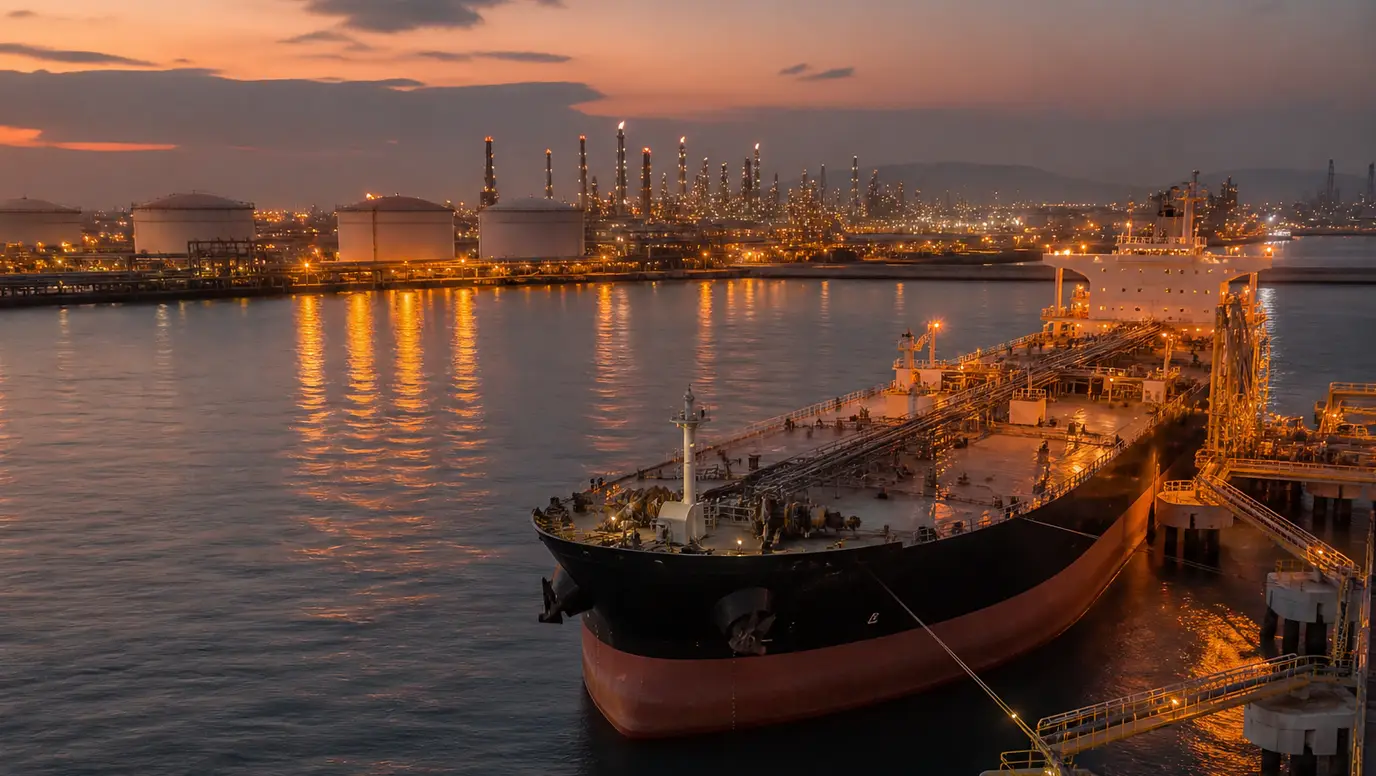
SEPTEMBER 3, 2026
OPEC+ Discount Shock Puts Energy Market on Brent Crude Supply Watch
AUGUST 29, 2026
Venezuela Oil Deal Puts Brent Crude on Long-Term Supply Watch
AUGUST 21, 2026
Brent Crude Extends Weekly Gain as Iran Sanctions Threat Tightens Fuel Supply Watch
AUGUST 18, 2026
Brent Crude and WTI Oil Rise as Strait of Hormuz Risk Revives Energy Inflation Worries
AUGUST 11, 2026
Brent Crude Whipsaws Near $90 as Red Sea Risk Tests Energy Market
AUGUST 6, 2026
Brent Crude Volatility Keeps Energy Market Focused on Iran Risk Premium
JULY 31, 2026
Brent Crude Holds Risk Premium as Red Sea Disruptions Keep Energy Traders Defensive
JULY 24, 2026
Brent Holds Above $100 as Red Sea Tanker Risk Resets Energy Market Outlook
JULY 20, 2026
Brent Crude Tops $90 as WTI Crude and Oil Prices React to Hormuz Shipment Risk
JULY 19, 2026
Brent Crude and WTI Crude Rally as Traders Test OPEC+ Supply Cushion
JULY 18, 2026
Brent Crude and WTI Crude Prices Near Weekend Gap Risk as Energy Market Reprices Supply Threat
JULY 17, 2026
Brent Crude and WTI Crude Hold Weekly Gains as Red Sea Threat Offsets US Dollar Rebound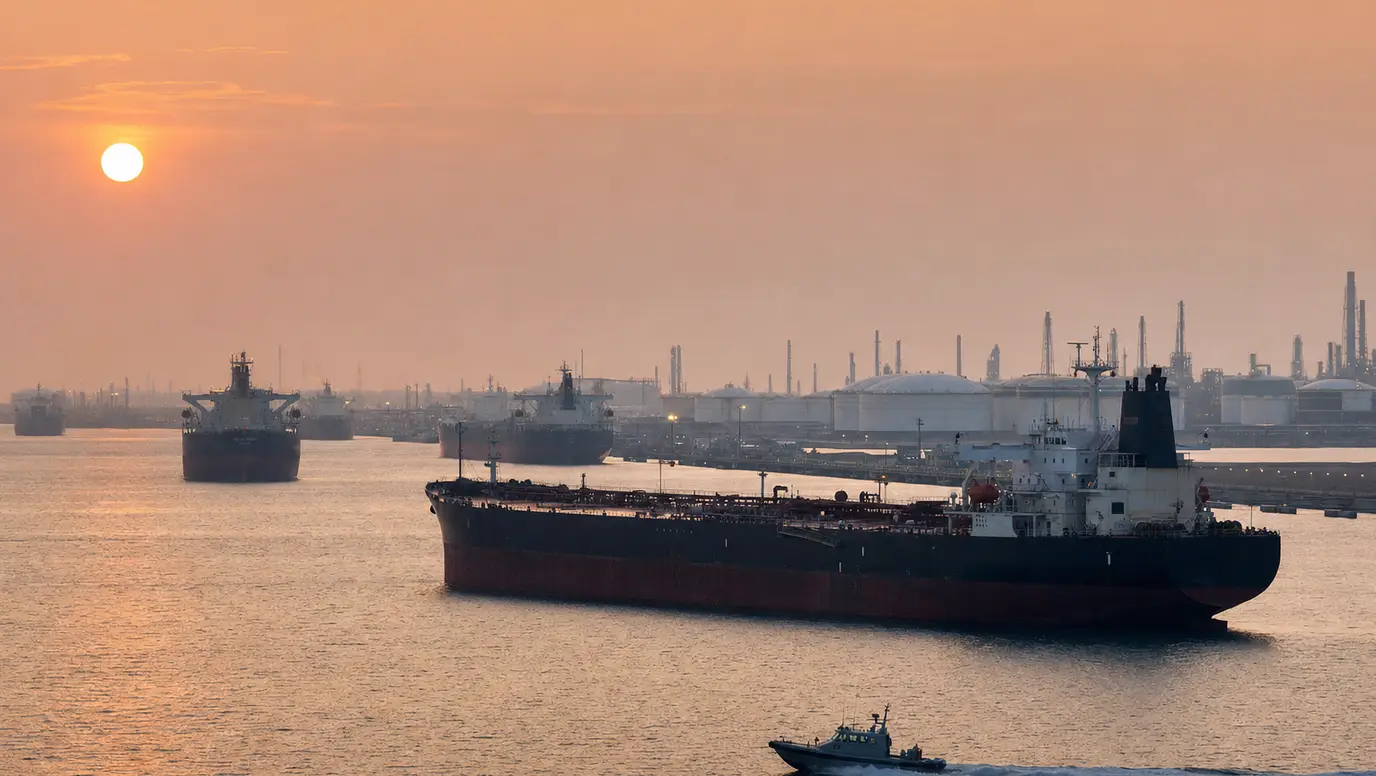
JULY 15, 2026
Brent Crude and WTI Crude Rise as Iran Port Blockade Puts Stockpile Cushion in Focus
JULY 14, 2026
Oil Market Shifts to Bypass Routes as Hormuz Risk Keeps Brent Premium Elevated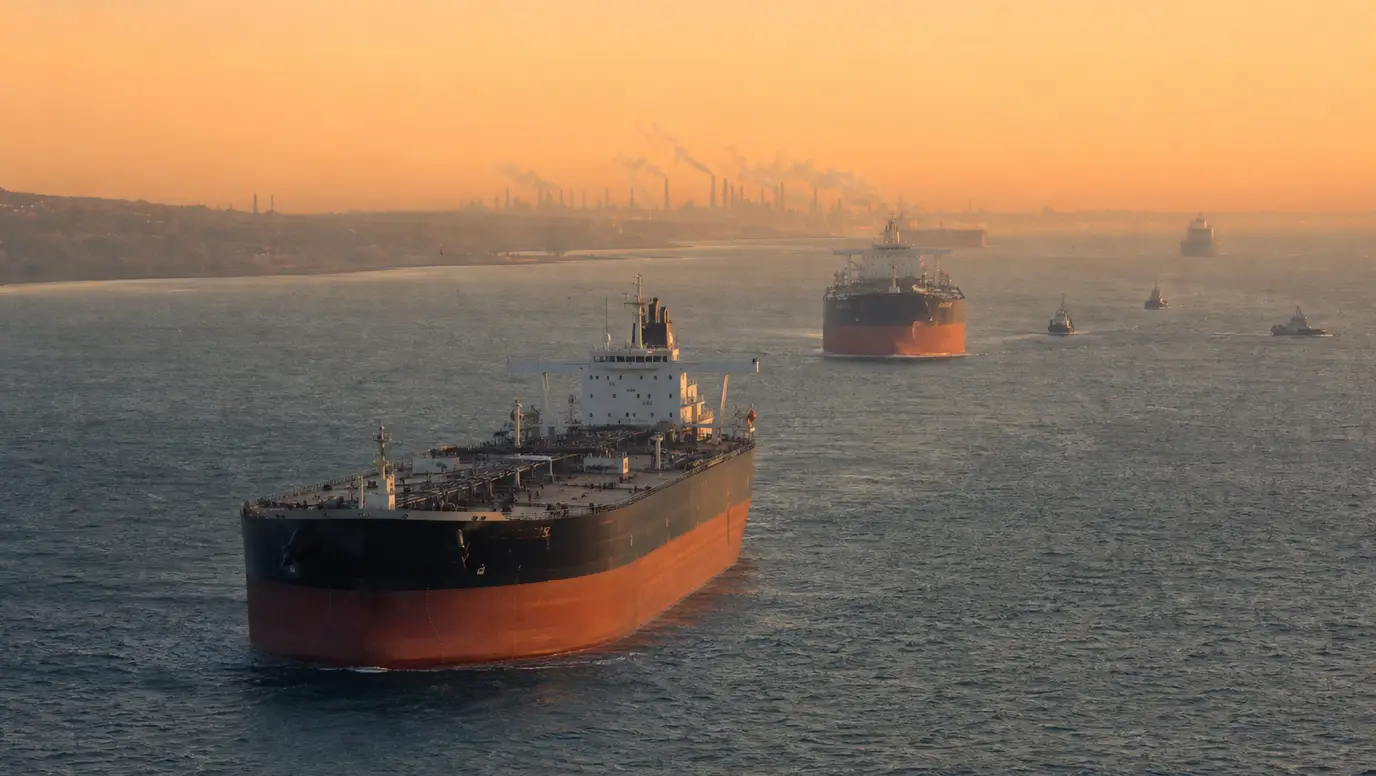
JULY 13, 2026
Brent Crude Jumps as Hormuz Escalation Reprices Energy Market Risk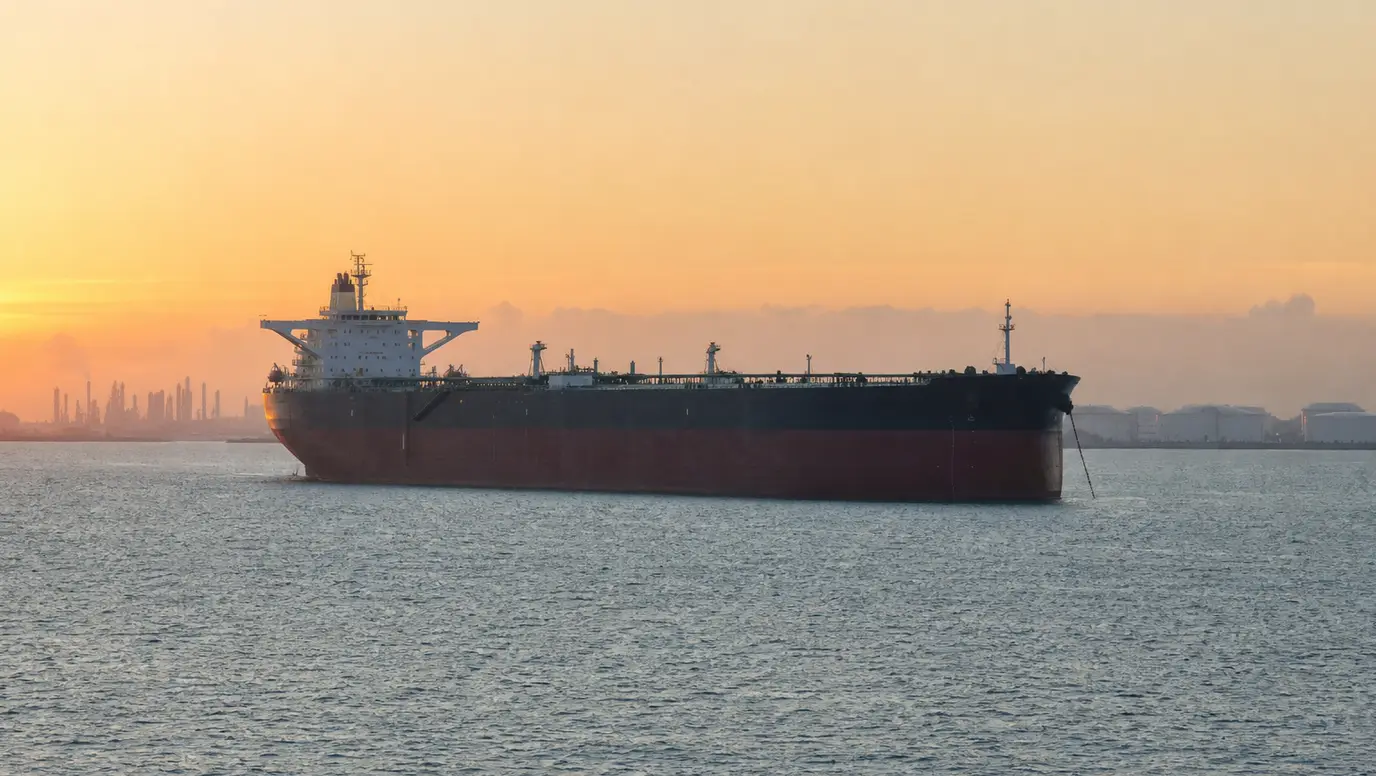
JULY 12, 2026
Crude Oil Faces China Demand Test as Floating Iranian Supply Builds
JULY 11, 2026
Energy Market Watches Tanker Risk as Crude Oil Rally Meets Demand Doubts
JULY 10, 2026
Crude Oil Turns to Glut Risk as OPEC+ Adds August Supply
JULY 9, 2026
Brent Nears $79 as Renewed Gulf Risk Rebuilds Crude Oil Premium