
OCTOBER 9, 2026
Brent Crude Oil Pulls Back as OPEC+ Hold and Iran Strike Pause Ease Energy PremiumBrent crude oil retreats as OPEC+ holds output targets and an Iran strike pause cools some geopolitical risk in energy markets.

© 1box.site 2026
SEPTEMBER 12, 2026
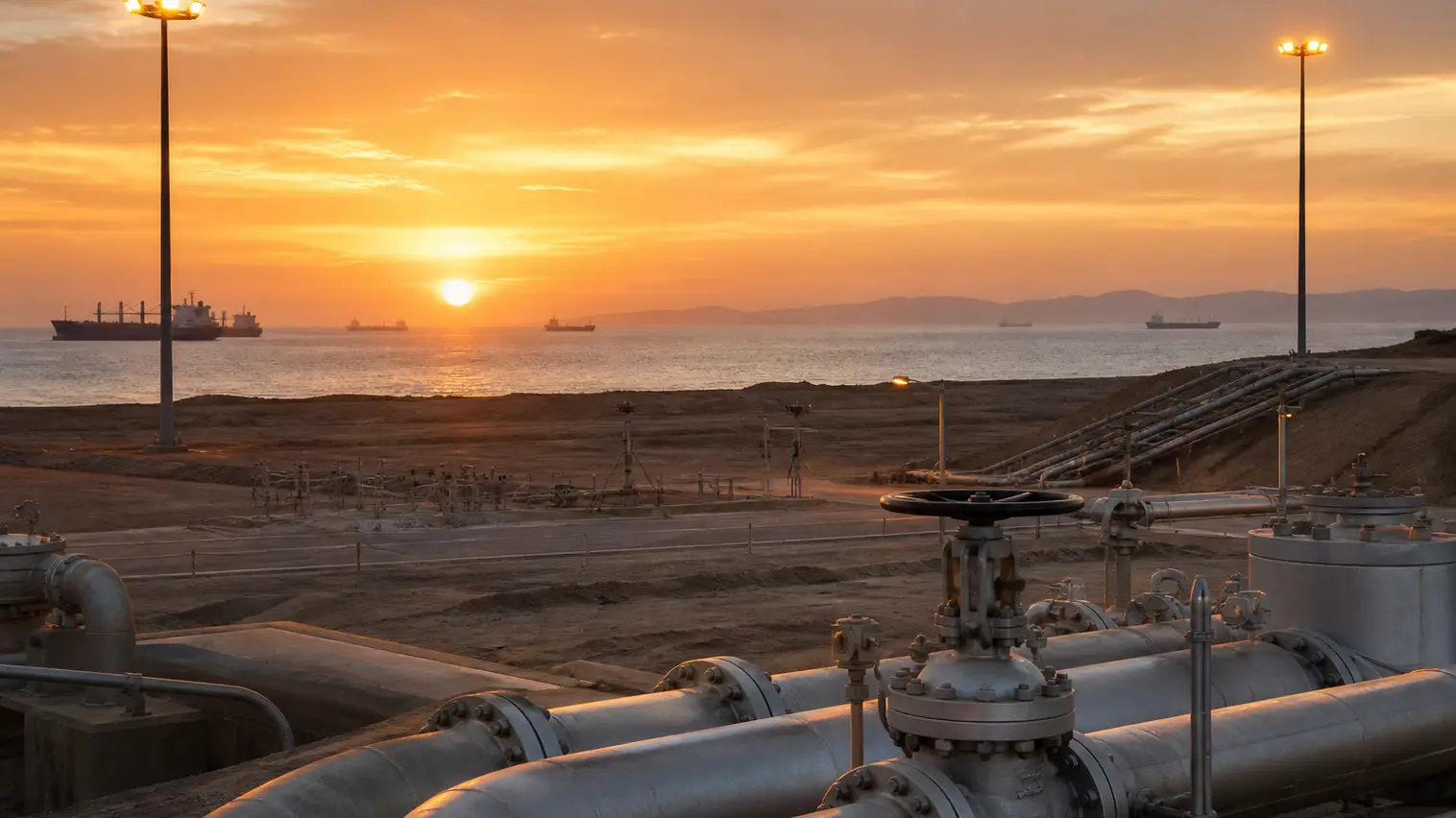
The energy market enters the weekend with a sharper geopolitical risk premium after a precautionary Saudi pipeline shutdown and renewed Red Sea security concerns refocused traders on the vulnerability of regional supply routes. Crude oil prices eased from the week’s peaks in the latest session, but the pullback did little to erase the broader move higher driven by fears that Middle East disruptions could keep barrels, refined fuels and freight costs under pressure.
The latest developments have shifted attention from ordinary inventory data to the resilience of export infrastructure. For oil traders, the key question is no longer only whether demand can absorb triple-digit crude. It is whether supply corridors can stay open long enough to prevent another squeeze in physical markets, especially after a week in which shipping risk and fuel inflation returned to the center of the macro debate.
Saudi Arabia’s decision to halt flows on a pipeline as a precautionary measure has amplified concerns that conflict-linked disruptions could spread beyond seaborne chokepoints. Even when a shutdown is temporary, the market tends to price the possibility of longer delays, higher insurance costs and rerouted cargoes before waiting for full confirmation of physical losses.
That dynamic matters because the Red Sea and nearby Gulf routes remain critical to global energy trade. Any sustained interruption can ripple through tanker availability, refining margins and delivered fuel prices. The result is a market that may sell off on profit-taking after a sharp rally, but remains vulnerable to fresh spikes if headlines point to damaged infrastructure, reduced loading capacity or slower transit times.
Crude oil’s recent volatility also reinforces a broader inflation problem for central banks. Higher oil and refined product prices can lift transport, farming and manufacturing costs, feeding into consumer prices with a lag. That connection has made energy risk a direct driver of bond-market expectations and equity-market sentiment, not just a commodity-specific story.
OPEC+ is now back under the market microscope because spare capacity is the main cushion if regional supply outages become more than temporary. Traders are watching whether producers with available barrels can respond quickly, whether logistics allow those barrels to reach buyers, and whether any policy signal from the group changes expectations for fourth-quarter supply.
The challenge is that spare capacity is only useful if it can be delivered into a stressed market without creating new bottlenecks. If tankers avoid higher-risk routes or buyers seek alternative grades, price spreads can widen even when headline production remains stable. That is why crude oil benchmarks, product cracks and shipping indicators may all remain jumpy in the days ahead.
For now, the base case across the energy market appears to be elevated volatility rather than a confirmed supply shock. Prices have already reflected a significant risk premium, and any credible de-escalation could trigger another pullback. Still, the pipeline shutdown has narrowed the margin for error. Until traders see reliable flows, calmer shipping conditions and clearer OPEC+ messaging, crude oil is likely to stay highly sensitive to every update from the region.
The next test will be whether energy prices stabilize before the coming round of central-bank decisions and macro data. A sustained crude oil advance would make it harder for policymakers to look through energy-driven inflation, while a rapid reversal could ease some pressure on rate expectations.
That leaves energy investors balancing two competing forces: the risk of additional Middle East disruption against the possibility that high prices eventually curb demand. In the near term, supply security is likely to dominate. The Saudi pipeline shutdown has reminded the market that even a short-lived operational move can reset risk assumptions when inventories, shipping lanes and monetary policy are all under strain.
OCTOBER 9, 2026
Brent Crude Oil Pulls Back as OPEC+ Hold and Iran Strike Pause Ease Energy Premium
OCTOBER 4, 2026
Brent Crude Holds Above $100 as OPEC+ Extends Output Pause
OCTOBER 2, 2026
Crude Oil Slides as OPEC+ Pause Bets Meet Returning Middle East Supply
SEPTEMBER 27, 2026
Brent Crude Risk Premium Holds as OPEC+ Pause Keeps Energy Market on Edge
SEPTEMBER 3, 2026
OPEC+ Discount Shock Puts Energy Market on Brent Crude Supply Watch
AUGUST 15, 2026
OPEC+ September Hike Leaves Crude Market Watching Gulf Export Reliability
AUGUST 7, 2026
Crude Oil Market Weighs China Import Rebound as OPEC+ Supply Returns
AUGUST 2, 2026
WTI Crude Oil Faces OPEC+ Output Test as Strait of Hormuz Risk Meets Stock Draw