
OCTOBER 23, 2026
Brent Crude Oil Extends Energy Market Surge as Houthi Strikes Lift Supply PremiumBrent crude oil climbs above $116 as Houthi strikes and Gulf shipping risk add a fresh supply premium to the energy market.

© 1box.site 2026

AUGUST 6, 2026
Brent crude remained at the center of energy market attention as traders reassessed the geopolitical risk premium that had lifted oil prices earlier in the year. Fresh market activity in energy has been stronger than in major currency trading, with oil headlines still driven by Middle East supply risk, shifting expectations for tanker flows and the broader inflation implications of cheaper crude.
The international benchmark has moved sharply as investors weighed signals of de-escalation against the possibility that any renewed disruption could quickly tighten physical supply. After trading well above normal pre-conflict levels during the most acute phase of the Iran-related supply shock, Brent has retreated from its highs, but the market has not fully abandoned a risk premium because spare capacity, shipping routes and refinery demand remain sensitive to political headlines.
The latest pullback in crude prices reflects a market that is becoming more comfortable with the idea that barrels can keep moving through key export routes. That has eased immediate fears of a sustained supply squeeze and reduced pressure on inflation expectations, particularly in economies where fuel prices feed quickly into consumer costs.
Still, the risk premium has not vanished. Traders remain cautious because oil prices can react faster than most macro assets when shipping security, sanctions policy or regional military activity changes. For Brent crude, the key question is whether the recent decline represents a durable normalization of supply expectations or only a temporary pause in a still-fragile market.
With the geopolitical shock cooling, attention is shifting back toward fundamentals. Recent U.S. inventory readings have shown that crude and refined product balances remain important for short-term direction, especially as the market moves through the high-demand summer period. A larger-than-expected stock build would strengthen the case for lower prices, while a drawdown could revive concerns that supply is not as comfortable as headline prices suggest.
Demand signals are also becoming more important. Elevated fuel prices earlier in the year encouraged conservation and weighed on consumption in some regions. If prices continue to ease, refiners may see improved margins, but producers could face pressure if the market begins to price in slower demand growth and rising global inventories.
For investors, Brent crude is now trading less like a one-way geopolitical shock and more like a market trying to find a new equilibrium. That balance will depend on whether supply routes remain open, whether producers continue to manage output carefully and whether demand recovers as fuel costs fall.
The near-term setup leaves energy traders focused on three catalysts: fresh Middle East security headlines, weekly inventory data and signals from major producers on output discipline. Unless those factors align in favor of tighter supply, rallies in Brent crude may face selling pressure. However, any renewed disruption could quickly restore the risk premium and put the energy market back on inflation watch.
OCTOBER 23, 2026
Brent Crude Oil Extends Energy Market Surge as Houthi Strikes Lift Supply Premium
OCTOBER 22, 2026
LNG Spot Prices Climb as Asia-Europe Winter Bidding War Reprices Energy Market Risk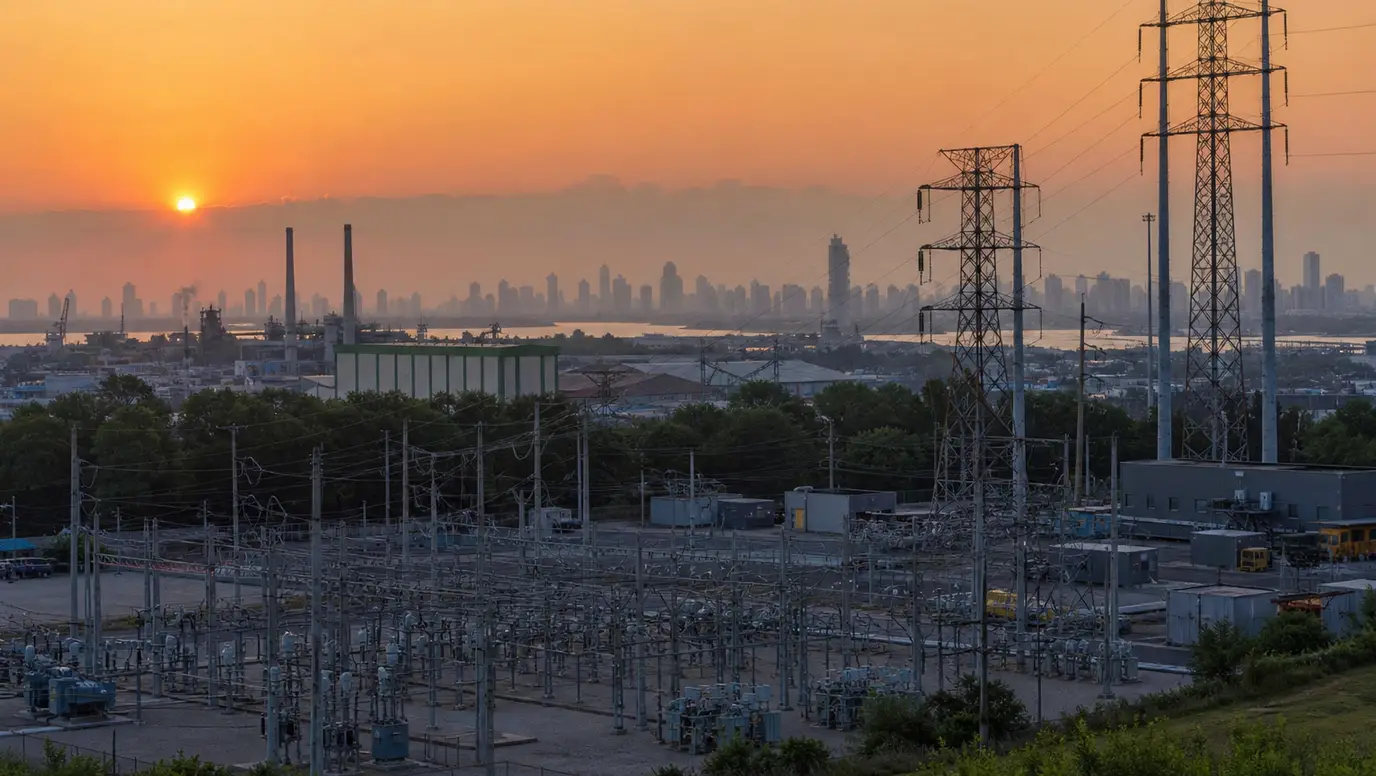
OCTOBER 16, 2026
PJM Power Emergency Puts Backup Fuel and Demand Response in Energy Market Focus
OCTOBER 11, 2026
LNG Fuel Market Cools as Winter Energy Risk Keeps Buyers on Alert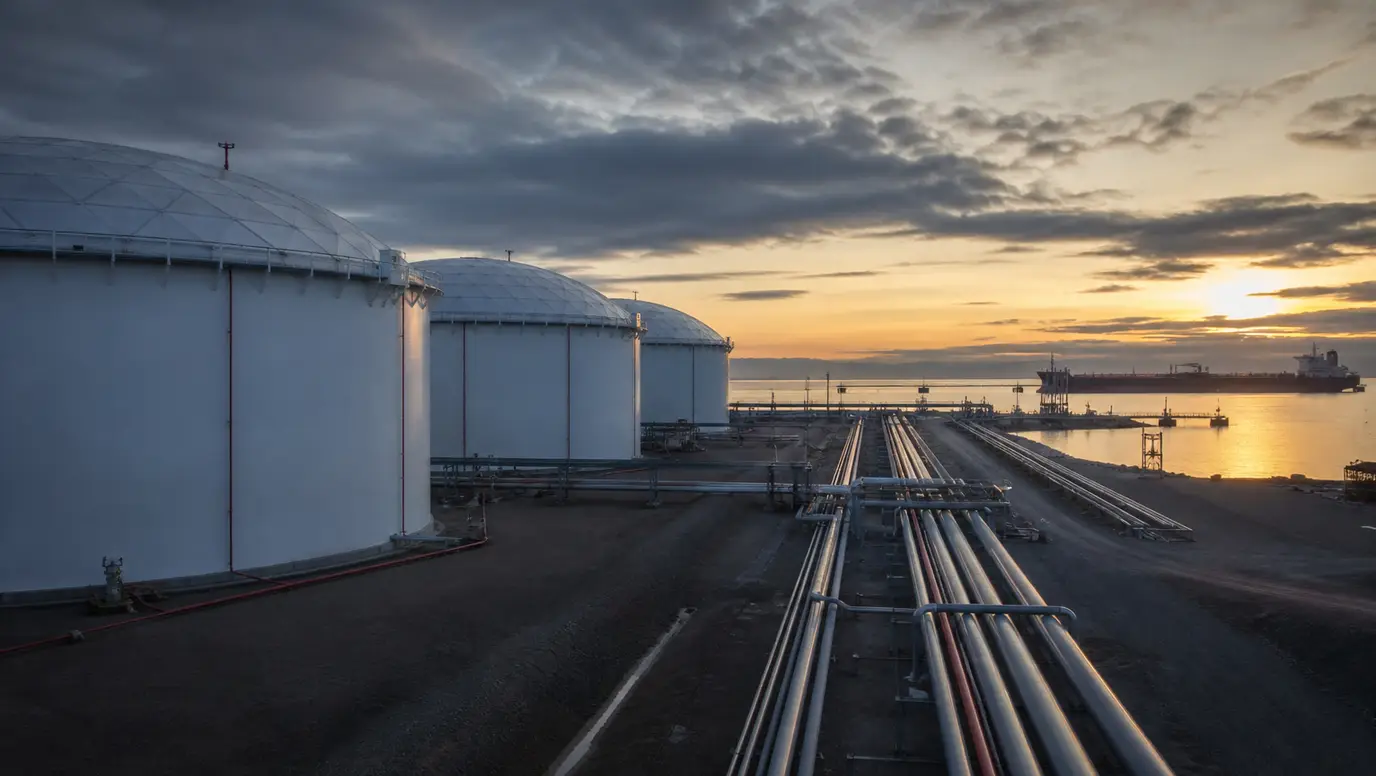
OCTOBER 8, 2026
WTI Crude Oil Jumps as Inventory Draw Meets Hormuz Shipping Risk
OCTOBER 6, 2026
Distillate Fuel Squeeze Keeps Energy Market Alert as Diesel Margins Stay Elevated
OCTOBER 2, 2026
Crude Oil Slides as OPEC+ Pause Bets Meet Returning Middle East Supply
SEPTEMBER 21, 2026
LNG Gas Prices Hit 45-Month High as Hormuz Risk Tightens Winter Supply
SEPTEMBER 19, 2026
Gasoline Futures Climb as Refinery Outage and Pump Price Jump Put Fuel Market on Alert
SEPTEMBER 15, 2026
Brent Crude Holds Above $107 as Saudi Pipeline Closure Lifts Energy Risk Premium
SEPTEMBER 14, 2026
WTI Oil Rally Extends as Strait of Hormuz Risk Reprices Energy Market
SEPTEMBER 13, 2026
Henry Hub Slips as Gas Storage Cushion Offsets Winter Demand Risk
SEPTEMBER 8, 2026
Natural Gas Climbs as LNG Bidding Puts Energy Market on Winter Storage Watch
SEPTEMBER 7, 2026
WTI Crude Oil Futures Hold Near Six-Week High as Hormuz Risk Tightens Energy Market
SEPTEMBER 5, 2026
Gasoline Fuel Margins Put Energy Market on Pump Price Watch
SEPTEMBER 4, 2026
Diesel Fuel Record Puts Energy Market on Transport Inflation Watch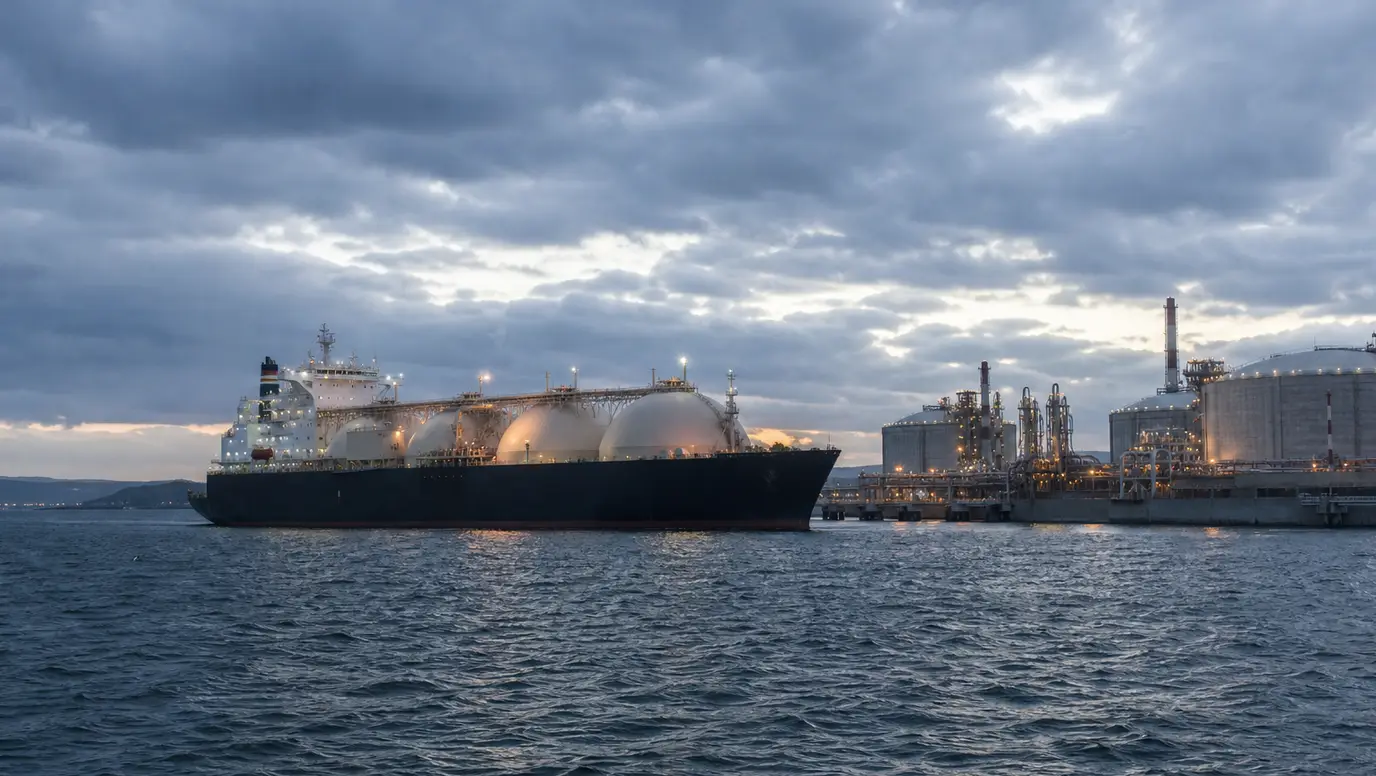
SEPTEMBER 2, 2026
Natural Gas Surge Lifts Energies as LNG Supply Fears Return
AUGUST 31, 2026
Crude Oil Rally Puts Energy Market Back on Strait Risk Watch
AUGUST 30, 2026
WTI Crude Oil Slips as Hormuz Supply Relief Tests Energy Market Risk Premium
AUGUST 29, 2026
Venezuela Oil Deal Puts Brent Crude on Long-Term Supply Watch
AUGUST 27, 2026
OPEC+ Influence Test Puts Energy Market on China Demand Watch
AUGUST 26, 2026
Distillate Fuel Draw Puts Energy Market on Diesel Supply Watch
AUGUST 19, 2026
Solar Power Takes Energy Market Spotlight as Heat Tests US Power Grid
AUGUST 15, 2026
OPEC+ September Hike Leaves Crude Market Watching Gulf Export Reliability
AUGUST 13, 2026
Propane Fuel Glut Widens as US Energy Stocks Rise Above Seasonal Average
AUGUST 11, 2026
Brent Crude Whipsaws Near $90 as Red Sea Risk Tests Energy Market
AUGUST 5, 2026
Propane Build Puts Energy Commodities on Winter Demand Watch
JULY 31, 2026
Brent Crude Holds Risk Premium as Red Sea Disruptions Keep Energy Traders Defensive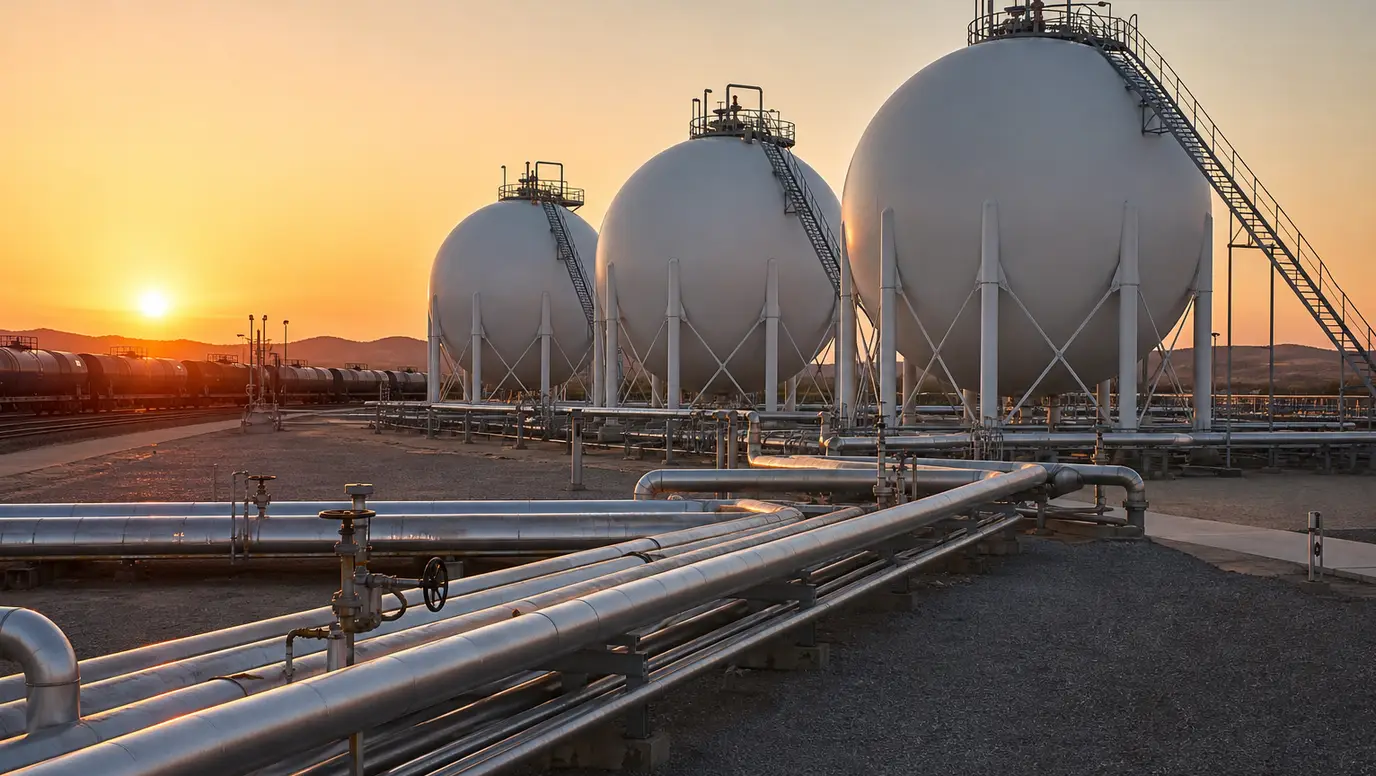
JULY 25, 2026
Propane Build Puts Energies and Commodities on Summer Storage Watch
JULY 24, 2026
Brent Holds Above $100 as Red Sea Tanker Risk Resets Energy Market Outlook