
OCTOBER 23, 2026
Brent Crude Oil Extends Energy Market Surge as Houthi Strikes Lift Supply PremiumBrent crude oil climbs above $116 as Houthi strikes and Gulf shipping risk add a fresh supply premium to the energy market.

© 1box.site 2026

JULY 24, 2026
Brent crude remained above the $100-a-barrel threshold on Friday, July 24, 2026, keeping the energy market focused on physical supply risk rather than the demand worries that had dominated parts of the second quarter. The move followed a sharp rally in the previous session, when attacks on Saudi-linked tankers in the Red Sea added a second pressure point to an already fragile Gulf shipping backdrop.
The immediate issue for traders is not simply the headline price of crude. It is the widening risk premium attached to routes that normally move large volumes of Middle East oil into Asia and Europe. With traffic through key chokepoints still vulnerable, buyers are being forced to price the possibility of longer voyages, higher freight costs, delayed loadings and tighter prompt availability.
That gives the latest rally a different tone from a purely speculative breakout. Energy desks are watching whether the market can secure enough replacement barrels from non-Middle East suppliers, whether strategic stock releases continue to cushion the shock, and whether refiners start to trim runs if feedstock costs remain elevated.
The Red Sea development matters because it broadens the geography of concern. Earlier in July, the market had been trading around partial recovery hopes tied to Gulf flows and the gradual return of some shipping activity. The latest tanker incidents have challenged that view by raising the risk that disruption is not confined to a single route or a single loading zone.
For Brent, the $100 level is both a psychological marker and a signal that the market is again paying for optionality. Traders are likely to treat pullbacks cautiously unless there is clear evidence that vessel traffic, loading schedules and insurance conditions are normalizing. In the meantime, backwardation in crude curves could remain supported if refiners and physical buyers compete for near-term supply.
West Texas Intermediate has also been pulled higher, but the international benchmark is carrying the cleaner read-through from Middle East shipping risk. Brent is more directly exposed to seaborne supply conditions, which is why the spread between global and U.S. crude grades may become a key gauge of how severe the disruption premium becomes.
The next layer of uncertainty is producer response. OPEC+ has already been managing output targets in a market where some increases have been difficult to deliver because the bottleneck is not only production capacity but the ability to move barrels reliably. That distinction is important: a higher output target does not fully offset a shipping constraint if tankers cannot load, insure or transit on schedule.
Market participants are now looking toward the group’s early-August discussions for any signal on September supply policy. A modest target increase may help sentiment at the margin, but it is unlikely to remove the risk premium unless it is paired with visible improvement in export flows. The market will also test whether spare capacity outside the most exposed routes can be mobilized quickly enough to reduce stress in prompt barrels.
Refining margins are another critical pressure point. If crude stays expensive while consumers begin to resist higher gasoline, diesel and jet fuel prices, refiners could face a less attractive operating environment. That would eventually cool crude demand, but the timing is uncertain because summer travel, power-sector fuel switching and inventory rebuilding can keep product markets tight for longer than macro models suggest.
The $100 Brent signal is spilling beyond the energy complex because fuel costs feed directly into inflation expectations, bond yields and central bank pricing. Higher oil raises transportation and input costs, and it can complicate the policy outlook if headline inflation accelerates while growth indicators soften. That is why equity, currency and rates markets are reacting to the same supply story.
For energy traders, the near-term setup remains headline-sensitive. A confirmed de-escalation in the Red Sea or stronger evidence of restored Gulf exports could trigger a fast risk-premium unwind. Conversely, another tanker incident, a widening security response or fresh delays at loading terminals would likely keep Brent supported and leave buyers chasing coverage.
The base case for the coming sessions is therefore elevated volatility rather than a clean directional trend. Brent above $100 is not just a price milestone; it is a warning that the energy market is once again being driven by logistics, security and inventory protection. Until those factors improve, dips may attract physical buying even as high prices raise the longer-term risk of demand destruction.
OCTOBER 23, 2026
Brent Crude Oil Extends Energy Market Surge as Houthi Strikes Lift Supply Premium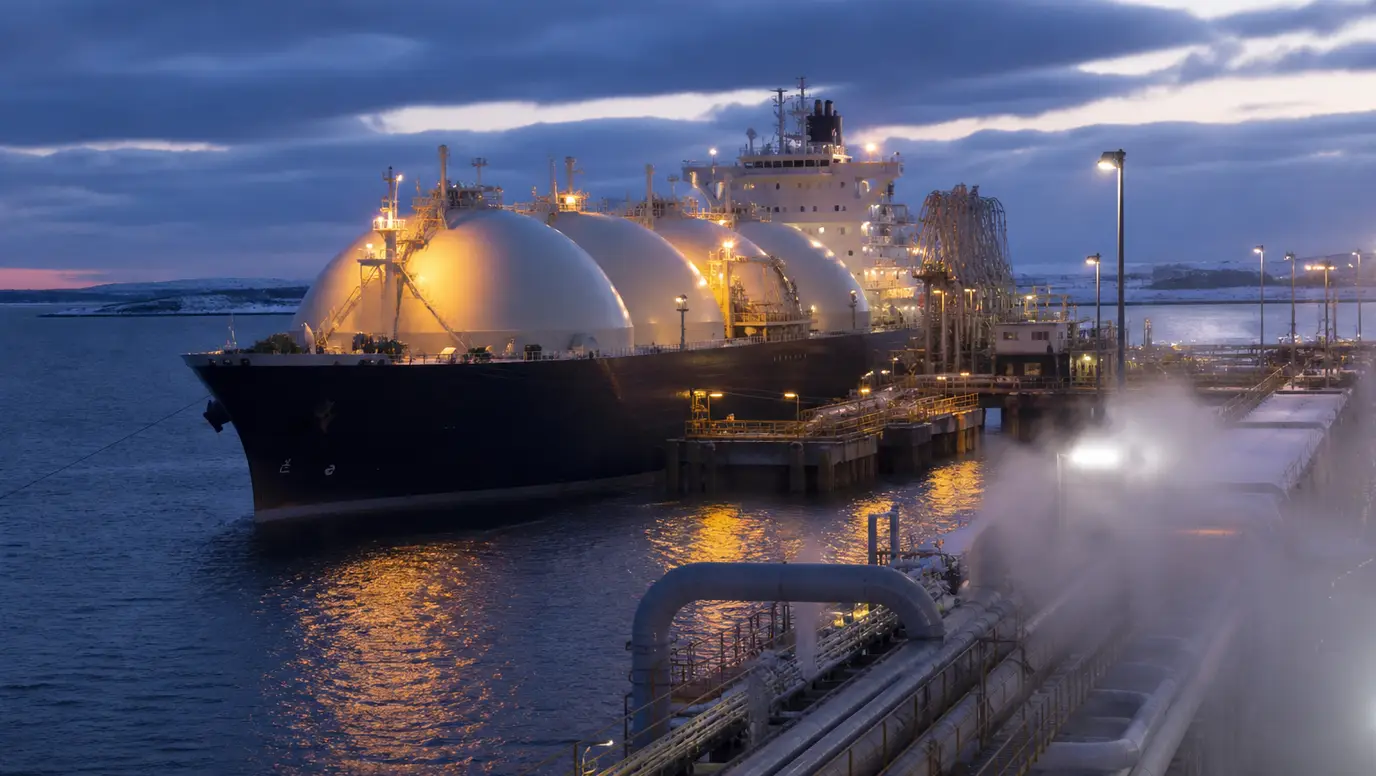
OCTOBER 22, 2026
LNG Spot Prices Climb as Asia-Europe Winter Bidding War Reprices Energy Market Risk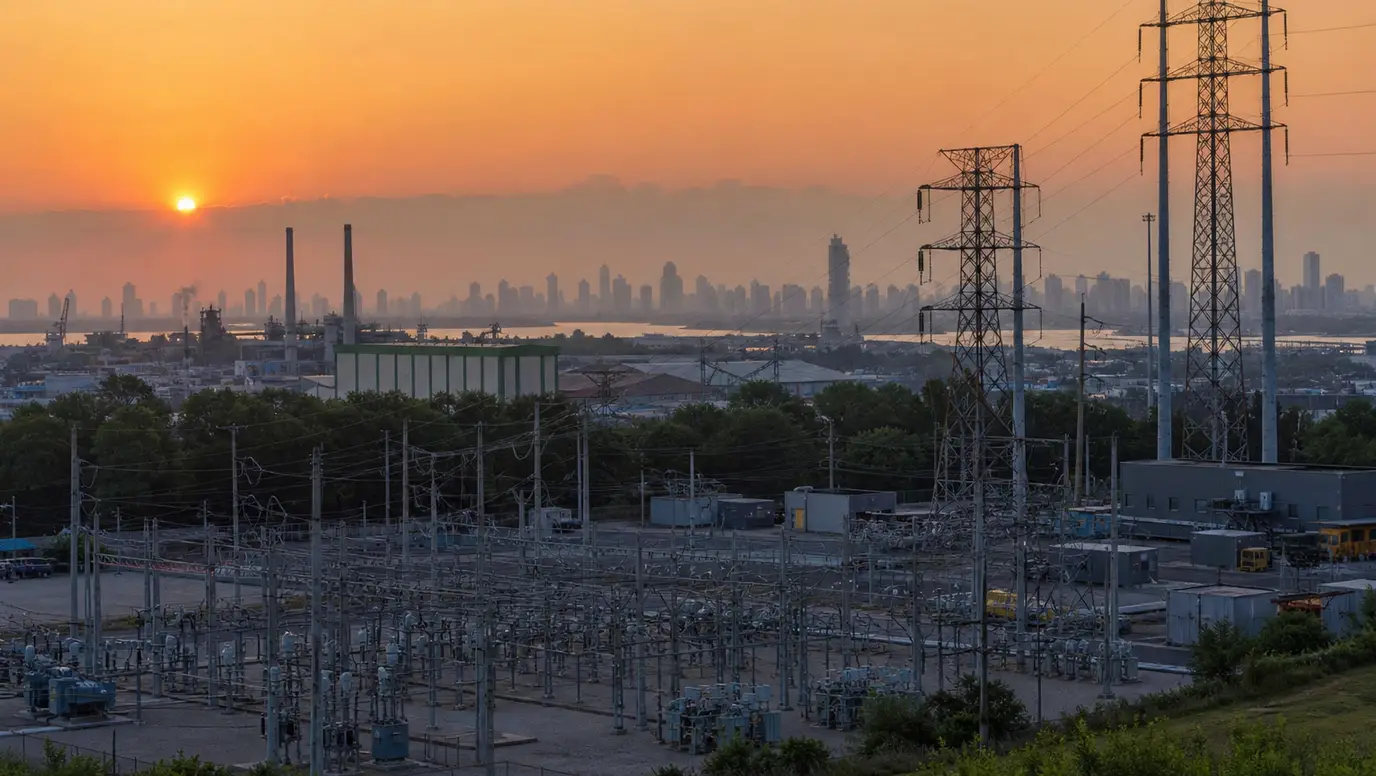
OCTOBER 16, 2026
PJM Power Emergency Puts Backup Fuel and Demand Response in Energy Market Focus
OCTOBER 11, 2026
LNG Fuel Market Cools as Winter Energy Risk Keeps Buyers on Alert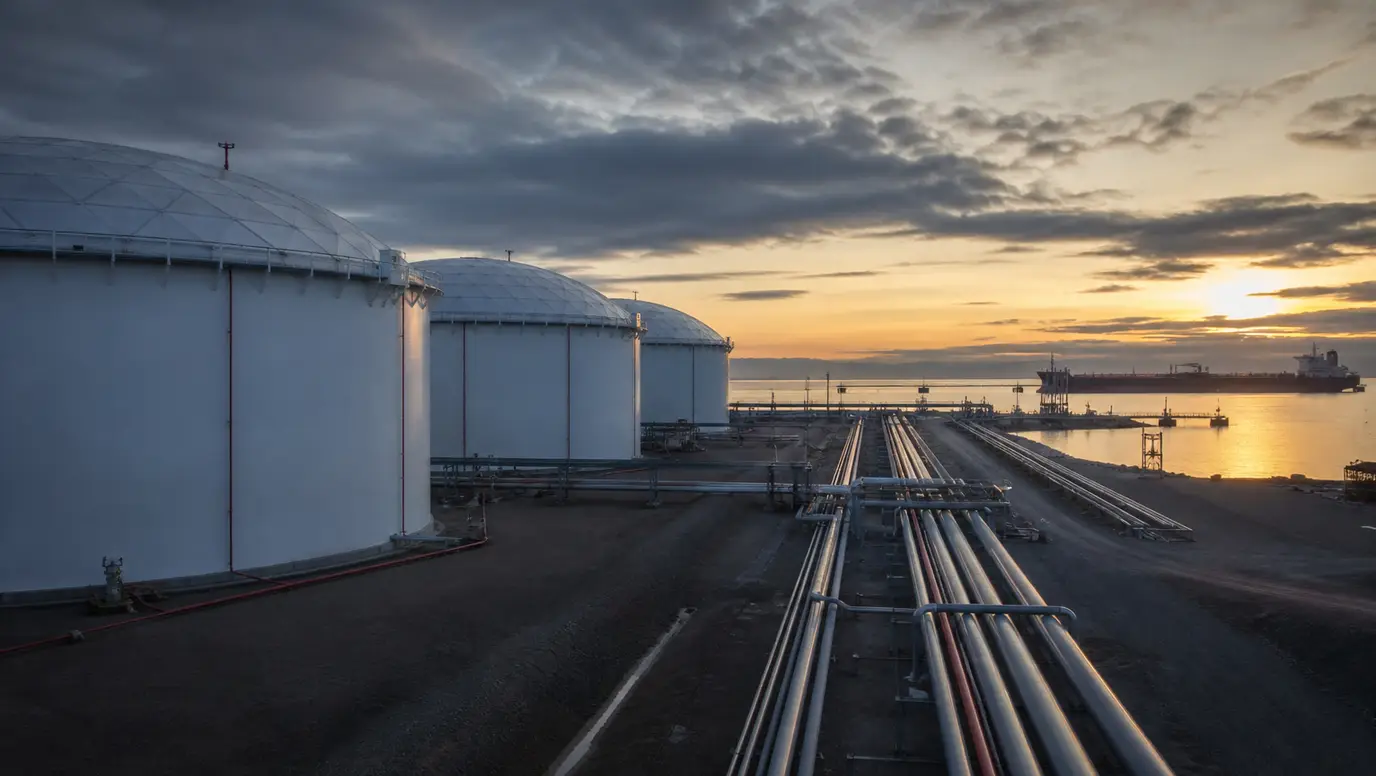
OCTOBER 8, 2026
WTI Crude Oil Jumps as Inventory Draw Meets Hormuz Shipping Risk
OCTOBER 6, 2026
Distillate Fuel Squeeze Keeps Energy Market Alert as Diesel Margins Stay Elevated
OCTOBER 2, 2026
Crude Oil Slides as OPEC+ Pause Bets Meet Returning Middle East Supply
SEPTEMBER 21, 2026
LNG Gas Prices Hit 45-Month High as Hormuz Risk Tightens Winter Supply
SEPTEMBER 19, 2026
Gasoline Futures Climb as Refinery Outage and Pump Price Jump Put Fuel Market on Alert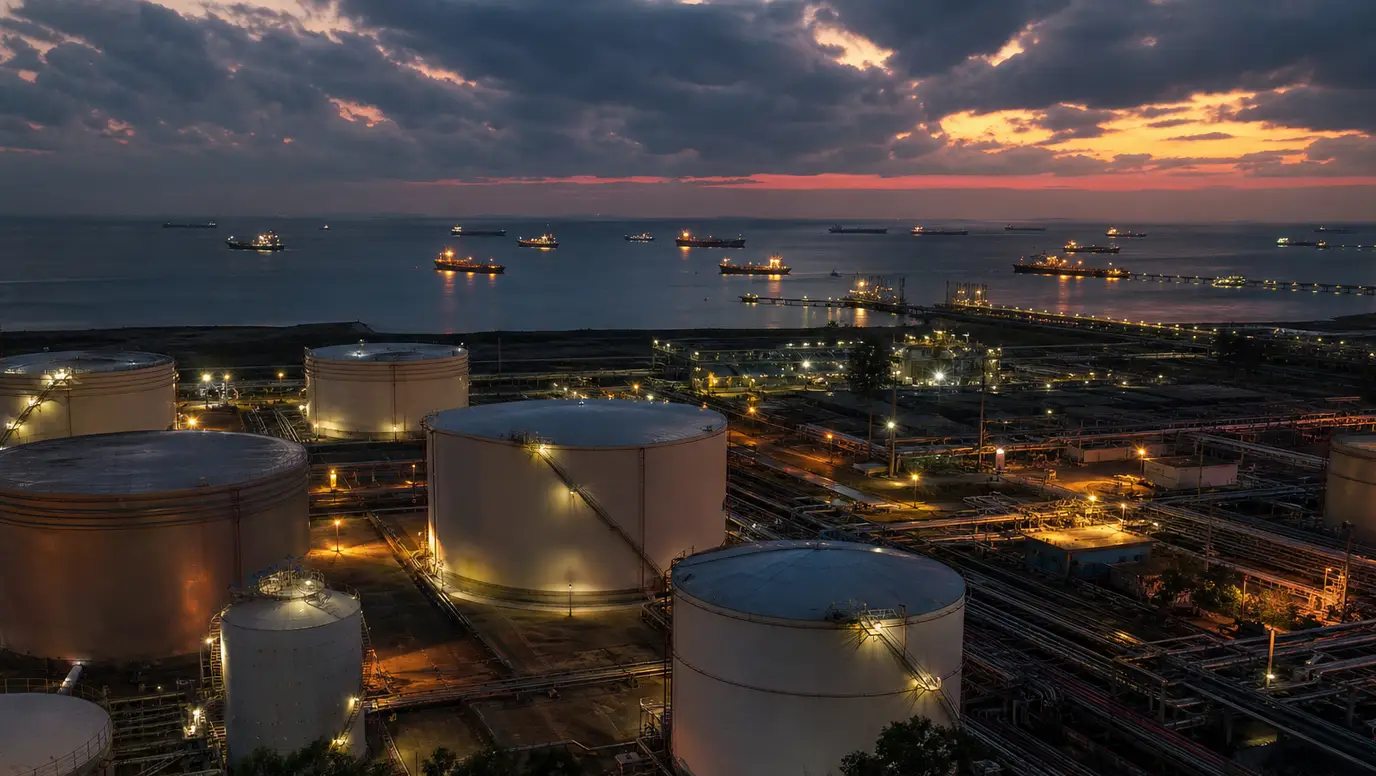
SEPTEMBER 15, 2026
Brent Crude Holds Above $107 as Saudi Pipeline Closure Lifts Energy Risk Premium
SEPTEMBER 14, 2026
WTI Oil Rally Extends as Strait of Hormuz Risk Reprices Energy Market
SEPTEMBER 13, 2026
Henry Hub Slips as Gas Storage Cushion Offsets Winter Demand Risk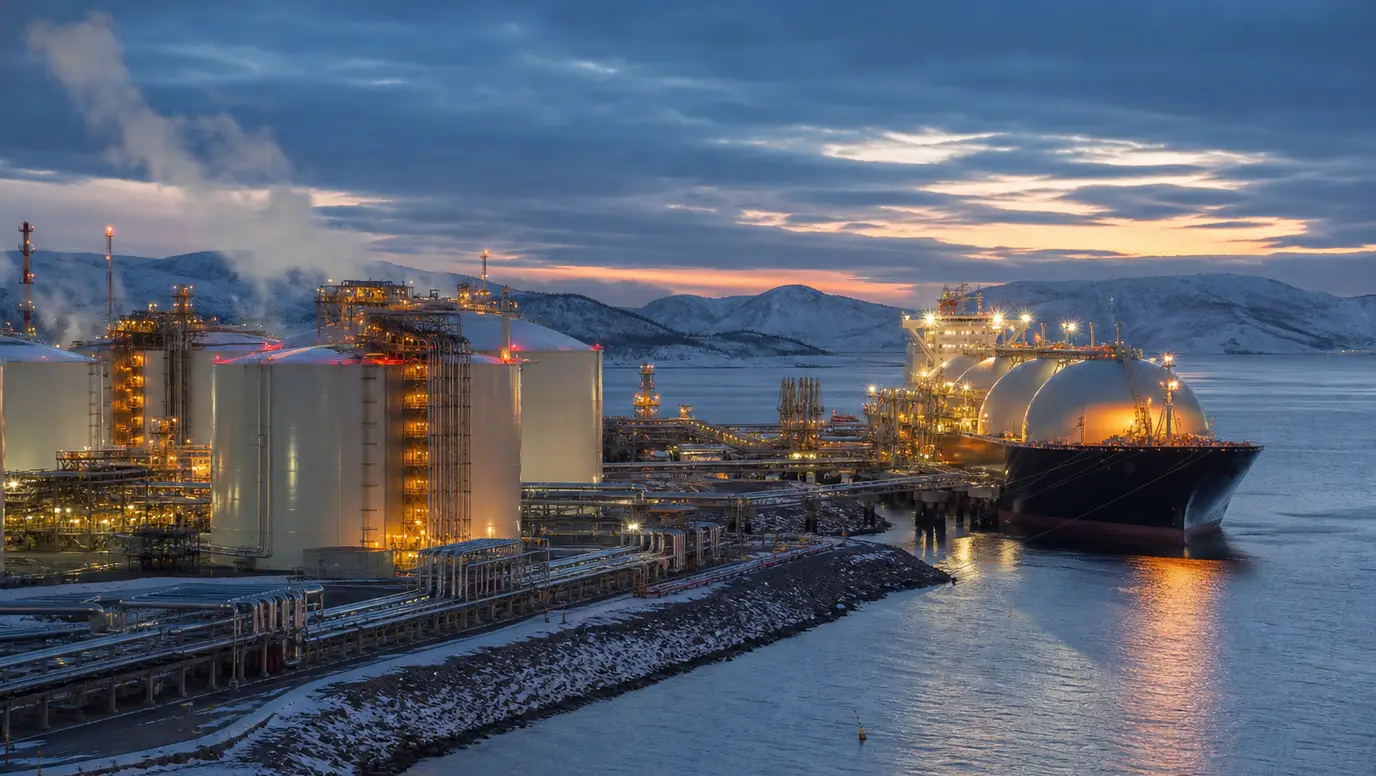
SEPTEMBER 8, 2026
Natural Gas Climbs as LNG Bidding Puts Energy Market on Winter Storage Watch
SEPTEMBER 7, 2026
WTI Crude Oil Futures Hold Near Six-Week High as Hormuz Risk Tightens Energy Market
SEPTEMBER 5, 2026
Gasoline Fuel Margins Put Energy Market on Pump Price Watch
SEPTEMBER 4, 2026
Diesel Fuel Record Puts Energy Market on Transport Inflation Watch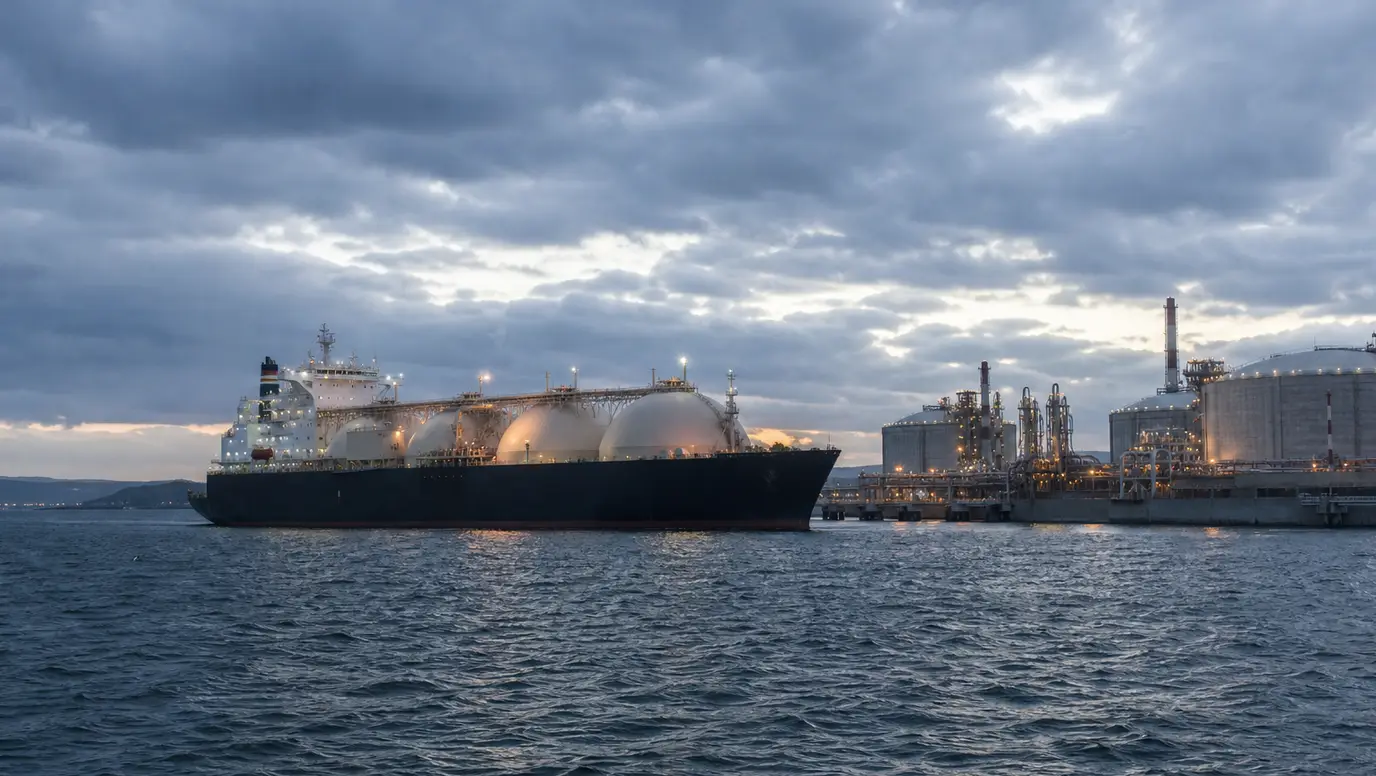
SEPTEMBER 2, 2026
Natural Gas Surge Lifts Energies as LNG Supply Fears Return
AUGUST 31, 2026
Crude Oil Rally Puts Energy Market Back on Strait Risk Watch
AUGUST 30, 2026
WTI Crude Oil Slips as Hormuz Supply Relief Tests Energy Market Risk Premium
AUGUST 29, 2026
Venezuela Oil Deal Puts Brent Crude on Long-Term Supply Watch
AUGUST 27, 2026
OPEC+ Influence Test Puts Energy Market on China Demand Watch
AUGUST 26, 2026
Distillate Fuel Draw Puts Energy Market on Diesel Supply Watch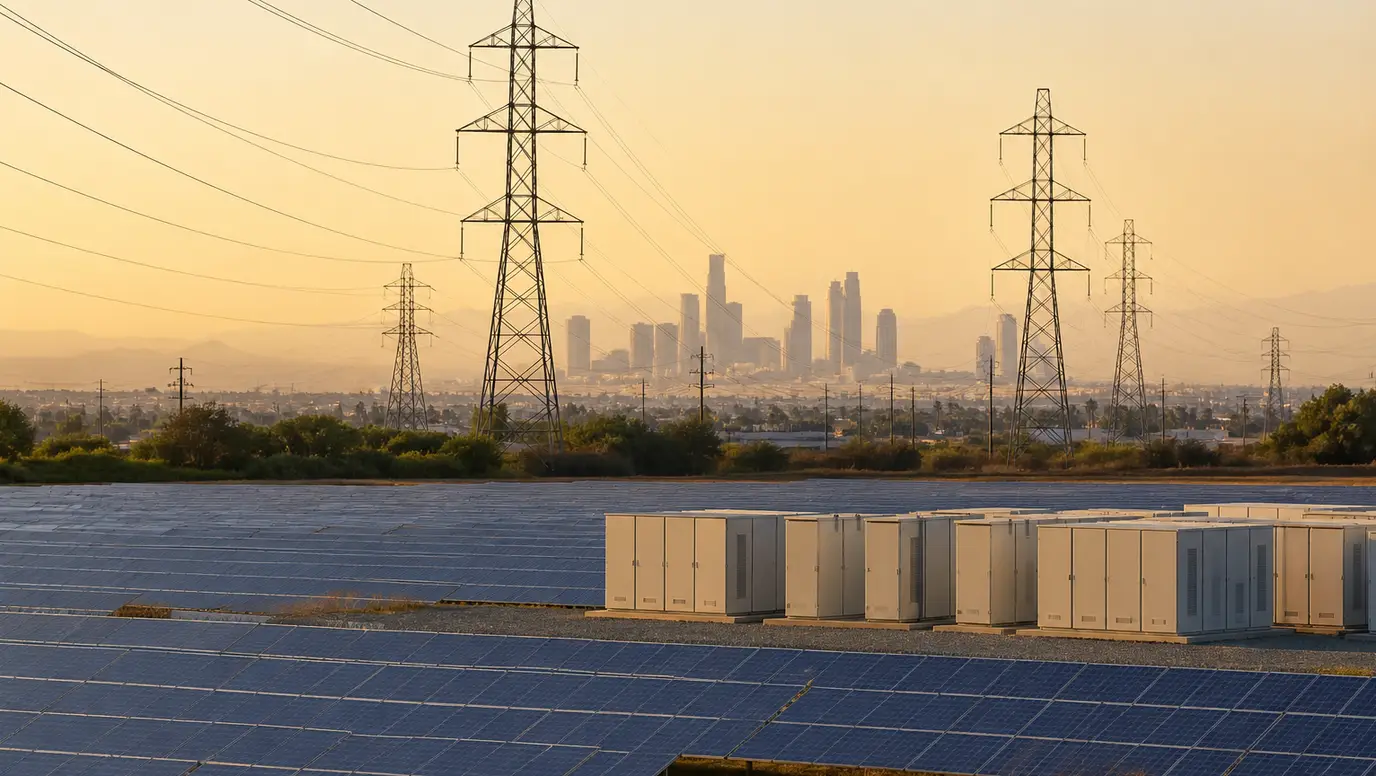
AUGUST 19, 2026
Solar Power Takes Energy Market Spotlight as Heat Tests US Power Grid
AUGUST 15, 2026
OPEC+ September Hike Leaves Crude Market Watching Gulf Export Reliability
AUGUST 13, 2026
Propane Fuel Glut Widens as US Energy Stocks Rise Above Seasonal Average
AUGUST 11, 2026
Brent Crude Whipsaws Near $90 as Red Sea Risk Tests Energy Market
AUGUST 6, 2026
Brent Crude Volatility Keeps Energy Market Focused on Iran Risk Premium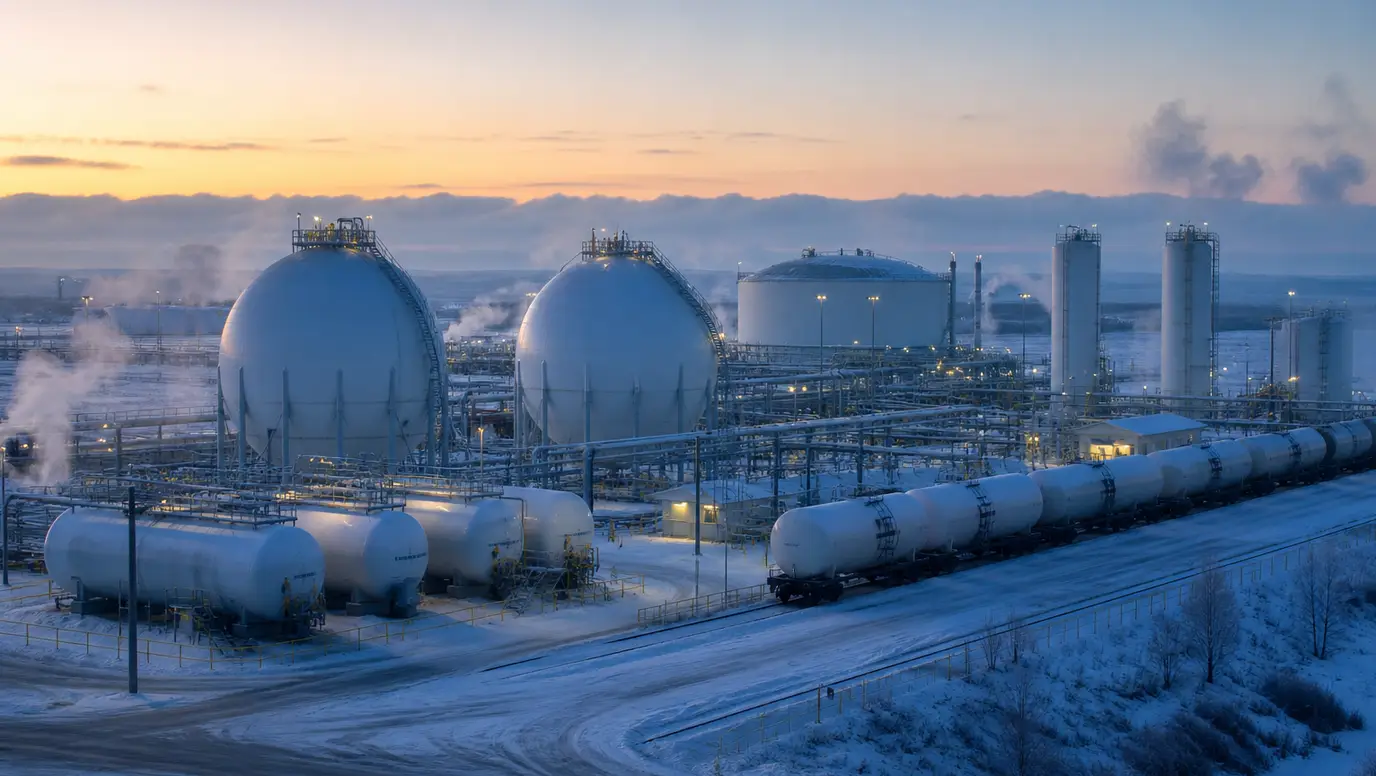
AUGUST 5, 2026
Propane Build Puts Energy Commodities on Winter Demand Watch
JULY 31, 2026
Brent Crude Holds Risk Premium as Red Sea Disruptions Keep Energy Traders Defensive
JULY 25, 2026
Propane Build Puts Energies and Commodities on Summer Storage Watch