
OCTOBER 23, 2026
Brent Crude Oil Extends Energy Market Surge as Houthi Strikes Lift Supply PremiumBrent crude oil climbs above $116 as Houthi strikes and Gulf shipping risk add a fresh supply premium to the energy market.

© 1box.site 2026

AUGUST 11, 2026
Brent crude returned to the center of the energy market on Tuesday as traders weighed another burst of Middle East shipping risk, choppy diplomacy around Gulf flows and the renewed inflation threat from fuel prices. The international benchmark briefly pushed above $90 a barrel before easing back toward the high-$80s, while U.S. crude held above $82, leaving the market caught between fear of a fresh supply shock and skepticism that recent price spikes can hold without a broader disruption.
The move keeps energy traders focused on maritime security rather than traditional inventory signals. A new attack on a vessel in the Red Sea added to concerns that alternative routes for regional exports remain vulnerable at the same time negotiations over Gulf shipping access have yet to deliver a stable reopening path. Before the war-related disruption, the Strait of Hormuz was a critical passage for roughly one-fifth of globally traded oil, making every headline around tanker access a direct input for crude risk premiums.
For investors, the latest price action is less about a clean breakout and more about an unstable trading range. Brent’s failure to hold above $90 suggests that the market still sees room for diplomacy or partial flow recovery. Yet the quick rebound from last week’s lows also shows that traders are reluctant to sell energy aggressively while shipping routes remain exposed and political messaging can change the outlook within hours.
The return of U.S. gasoline above $4 a gallon has widened the importance of the crude move beyond commodity desks. Higher pump prices can filter into consumer sentiment, freight costs and near-term inflation expectations, which in turn complicates the Federal Reserve’s rate path. That is why crude volatility is now feeding directly into broader market positioning ahead of the next U.S. inflation reading.
Energy’s inflation channel is especially sensitive because the recent rally has not come from a normal demand boom. Instead, the premium is being driven by uncertainty around supply routes, military risk and the timing of any durable shipping agreement. That makes the price shock harder for central banks and equity investors to discount: if flows normalize, crude can retreat quickly, but if attacks or diplomatic delays persist, fuel costs can remain elevated even without strong global growth.
Refined products are also part of the pressure point. Gasoline, jet fuel and diesel markets are vulnerable when crude supply is interrupted or rerouted, and shipping delays can raise costs even when physical barrels are not permanently lost. With the summer travel season still supporting fuel demand, the market has little tolerance for additional logistical stress.
The immediate technical signal for Brent crude is the $90 area. A sustained move above that level would likely confirm that the market is rebuilding a geopolitical premium and could draw momentum buyers back into energy futures. A retreat below the mid-$80s, by contrast, would suggest traders are again pricing in a negotiated improvement in flows and a slower path for fuel inflation.
For now, the energy market is treating every diplomatic statement and shipping incident as a potential price catalyst. Reports of possible compromise have repeatedly pulled crude lower, while signs of tougher negotiating positions or new regional attacks have quickly restored the bid. That stop-start pattern has made intraday volatility more important than headline closing prices.
Energy equities may continue to find support if crude holds near current levels, but the setup is not one-sided. Producers benefit from elevated prices, while refiners, airlines, transport companies and consumer-facing sectors face margin pressure when fuel costs rise. That cross-market tension explains why oil has become a key macro variable again, even as equity indexes remain close to record territory.
The next phase depends on whether traders see real evidence of safer, more predictable tanker movement. Until then, Brent crude is likely to remain highly reactive around the $90 line, with Red Sea security, Gulf shipping talks and U.S. inflation data setting the tone for the broader energy market.
OCTOBER 23, 2026
Brent Crude Oil Extends Energy Market Surge as Houthi Strikes Lift Supply Premium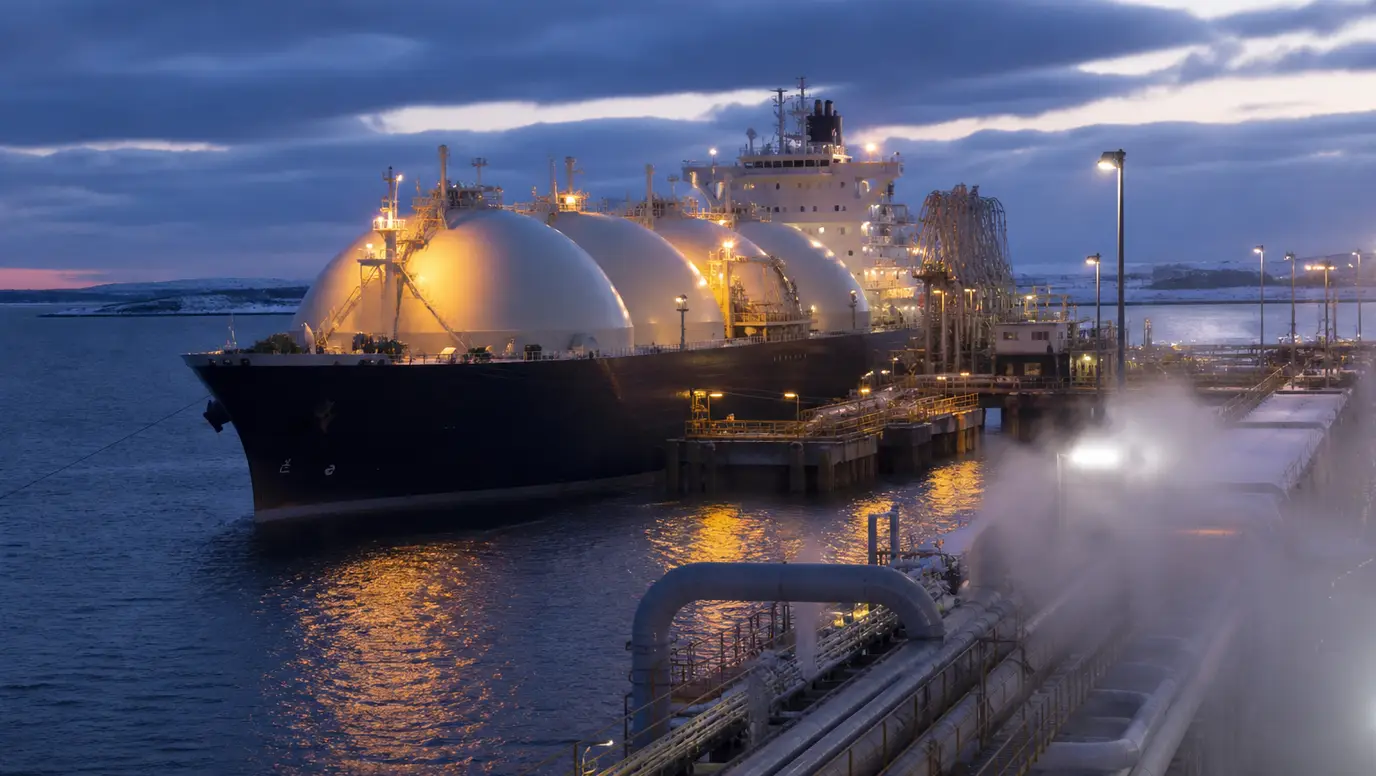
OCTOBER 22, 2026
LNG Spot Prices Climb as Asia-Europe Winter Bidding War Reprices Energy Market Risk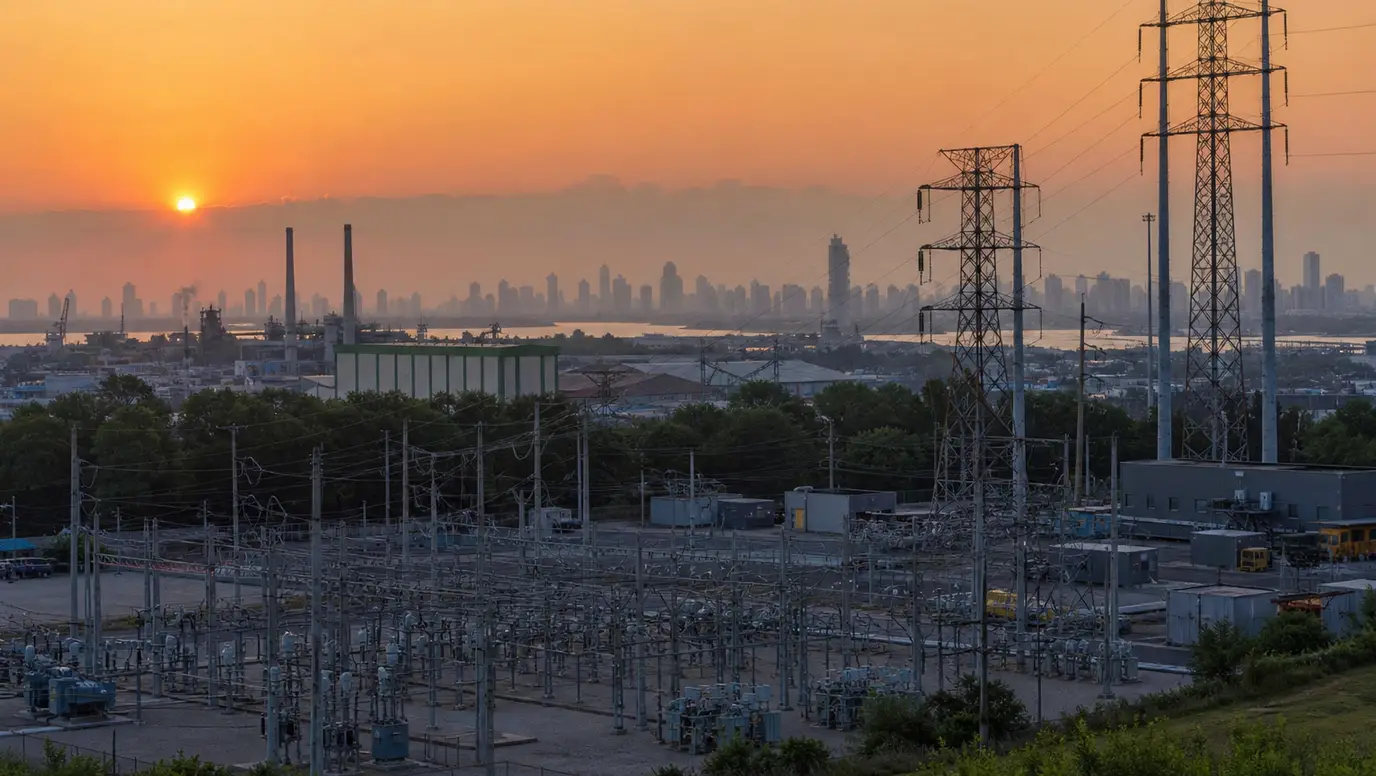
OCTOBER 16, 2026
PJM Power Emergency Puts Backup Fuel and Demand Response in Energy Market Focus
OCTOBER 11, 2026
LNG Fuel Market Cools as Winter Energy Risk Keeps Buyers on Alert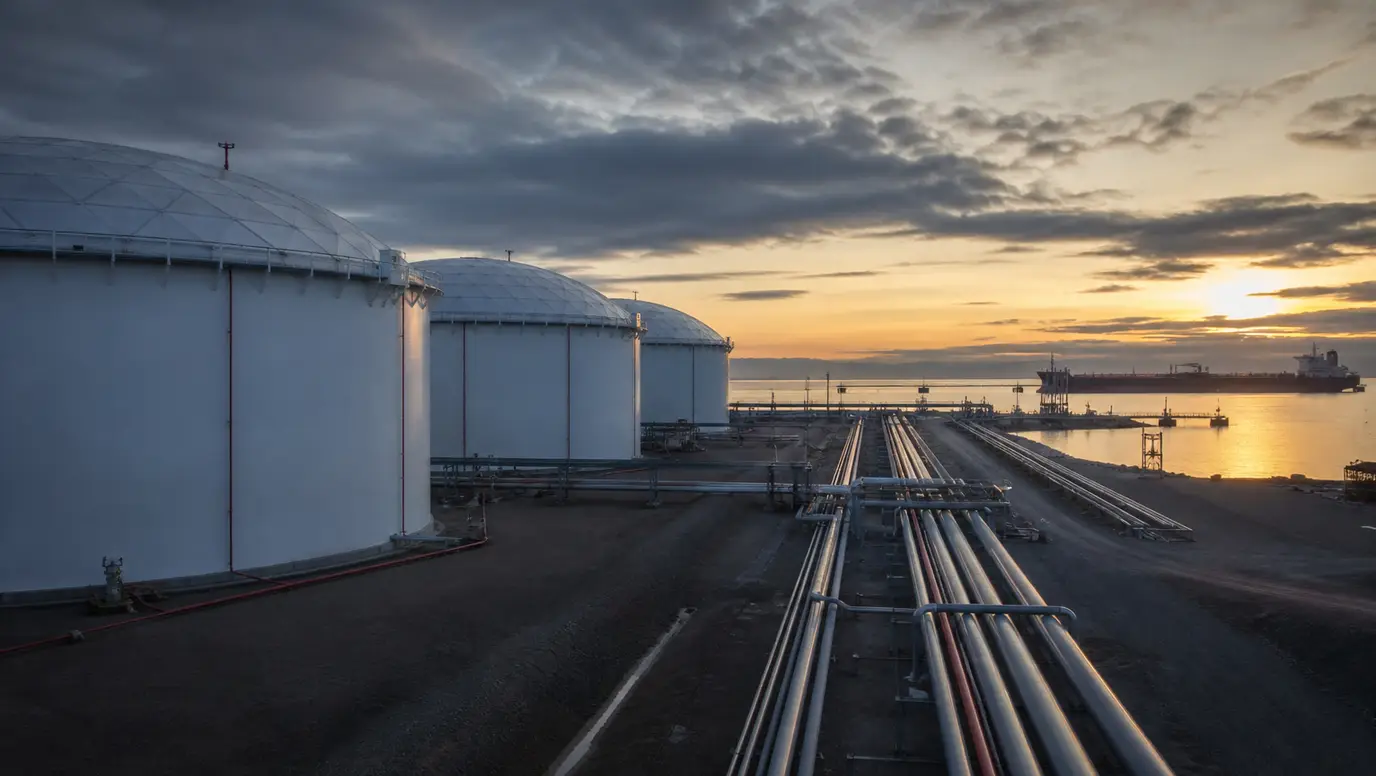
OCTOBER 8, 2026
WTI Crude Oil Jumps as Inventory Draw Meets Hormuz Shipping Risk
OCTOBER 6, 2026
Distillate Fuel Squeeze Keeps Energy Market Alert as Diesel Margins Stay Elevated
OCTOBER 2, 2026
Crude Oil Slides as OPEC+ Pause Bets Meet Returning Middle East Supply
SEPTEMBER 21, 2026
LNG Gas Prices Hit 45-Month High as Hormuz Risk Tightens Winter Supply
SEPTEMBER 19, 2026
Gasoline Futures Climb as Refinery Outage and Pump Price Jump Put Fuel Market on Alert
SEPTEMBER 15, 2026
Brent Crude Holds Above $107 as Saudi Pipeline Closure Lifts Energy Risk Premium
SEPTEMBER 14, 2026
WTI Oil Rally Extends as Strait of Hormuz Risk Reprices Energy Market
SEPTEMBER 13, 2026
Henry Hub Slips as Gas Storage Cushion Offsets Winter Demand Risk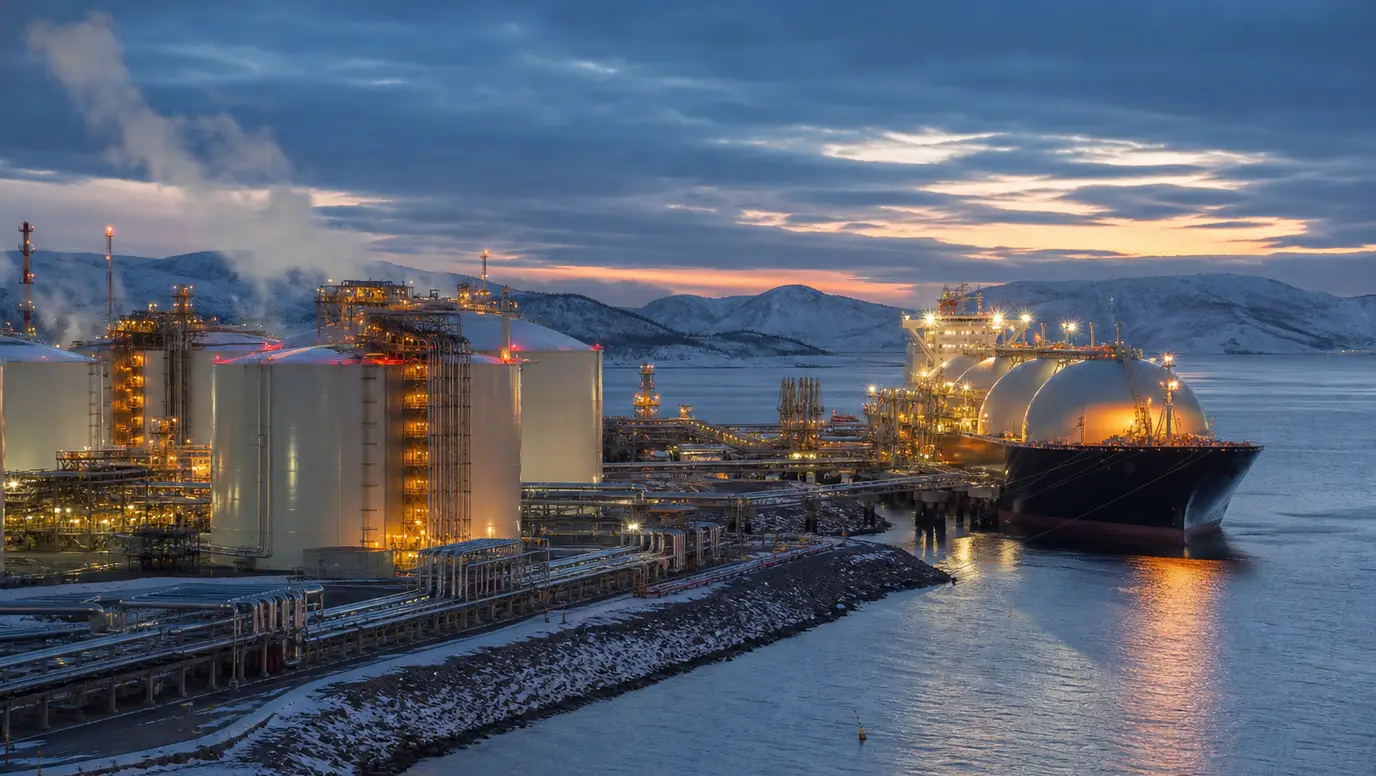
SEPTEMBER 8, 2026
Natural Gas Climbs as LNG Bidding Puts Energy Market on Winter Storage Watch
SEPTEMBER 7, 2026
WTI Crude Oil Futures Hold Near Six-Week High as Hormuz Risk Tightens Energy Market
SEPTEMBER 5, 2026
Gasoline Fuel Margins Put Energy Market on Pump Price Watch
SEPTEMBER 4, 2026
Diesel Fuel Record Puts Energy Market on Transport Inflation Watch
SEPTEMBER 2, 2026
Natural Gas Surge Lifts Energies as LNG Supply Fears Return
AUGUST 31, 2026
Crude Oil Rally Puts Energy Market Back on Strait Risk Watch
AUGUST 30, 2026
WTI Crude Oil Slips as Hormuz Supply Relief Tests Energy Market Risk Premium
AUGUST 29, 2026
Venezuela Oil Deal Puts Brent Crude on Long-Term Supply Watch
AUGUST 27, 2026
OPEC+ Influence Test Puts Energy Market on China Demand Watch
AUGUST 26, 2026
Distillate Fuel Draw Puts Energy Market on Diesel Supply Watch
AUGUST 19, 2026
Solar Power Takes Energy Market Spotlight as Heat Tests US Power Grid
AUGUST 15, 2026
OPEC+ September Hike Leaves Crude Market Watching Gulf Export Reliability
AUGUST 13, 2026
Propane Fuel Glut Widens as US Energy Stocks Rise Above Seasonal Average
AUGUST 6, 2026
Brent Crude Volatility Keeps Energy Market Focused on Iran Risk Premium
AUGUST 5, 2026
Propane Build Puts Energy Commodities on Winter Demand Watch
JULY 31, 2026
Brent Crude Holds Risk Premium as Red Sea Disruptions Keep Energy Traders Defensive
JULY 25, 2026
Propane Build Puts Energies and Commodities on Summer Storage Watch
JULY 24, 2026
Brent Holds Above $100 as Red Sea Tanker Risk Resets Energy Market Outlook