
OCTOBER 9, 2026
Brent Crude Oil Pulls Back as OPEC+ Hold and Iran Strike Pause Ease Energy PremiumBrent crude oil retreats as OPEC+ holds output targets and an Iran strike pause cools some geopolitical risk in energy markets.

© 1box.site 2026

SEPTEMBER 3, 2026
Energy markets carried the strongest news momentum across major asset classes on Thursday as traders weighed a sharp oil risk premium, strained Middle East supply routes and an unusual pricing signal from OPEC+ producers. Brent crude remained within sight of the psychologically important $100-a-barrel area, while U.S. crude benchmarks were supported by a steep weekly advance linked to renewed geopolitical escalation.
The latest move is not only a classic supply-risk rally. It is also a test of how much spare demand the market can absorb when fuel costs are already feeding into bond yields, inflation expectations and equity-sector rotation. Diesel and other middle distillates have become central to that debate, with tight refined-product availability amplifying the inflationary impact of higher crude.
The most important new development for the energy market is the widening discount on Saudi flagship crude for Asian buyers. A deeper discount normally suggests a producer is defending market share or responding to softer demand, but the timing is unusual because traders are still pricing geopolitical disruption around key export corridors.
That contrast has made the OPEC+ outlook more complicated. On one side, the market is dealing with visible supply anxiety and elevated freight and insurance risk. On the other, discounted barrels from a leading producer hint that competition for Asian refinery demand remains intense. For traders, the message is that headline geopolitical risk may be lifting Brent crude even as some physical-market signals look less uniformly bullish.
OPEC+ has also been moving through the final stages of earlier voluntary-cut rollbacks, leaving investors focused on whether the group can maintain discipline if prices approach levels that invite both producer hedging and demand destruction. Any sign of deeper internal divergence could increase volatility across the forward curve, especially if refiners delay purchases while waiting for clearer pricing direction.
The macro impact is increasingly visible. Higher oil and diesel prices are reinforcing concern that inflation could prove sticky, limiting the room for central banks to sound dovish even if parts of the labor market cool. That is why the energy market is influencing currencies, bonds and indexes at the same time.
For Brent crude, the near-term trading range is likely to depend on three factors: the durability of Middle East risk premiums, Asian refinery buying after the Saudi discount, and weekly inventory signals for crude and refined products. If fuel stocks remain tight, traders may continue to treat dips as tactical buying opportunities. If discounted crude translates into weaker physical demand, the rally could lose momentum quickly.
The energy market therefore enters the next session with a split signal: geopolitical risk argues for firm prices, while the OPEC+ discount points to tougher competition for barrels. That tension makes Brent crude one of the most sensitive benchmarks for global investors watching inflation, shipping risk and producer strategy.
OCTOBER 9, 2026
Brent Crude Oil Pulls Back as OPEC+ Hold and Iran Strike Pause Ease Energy Premium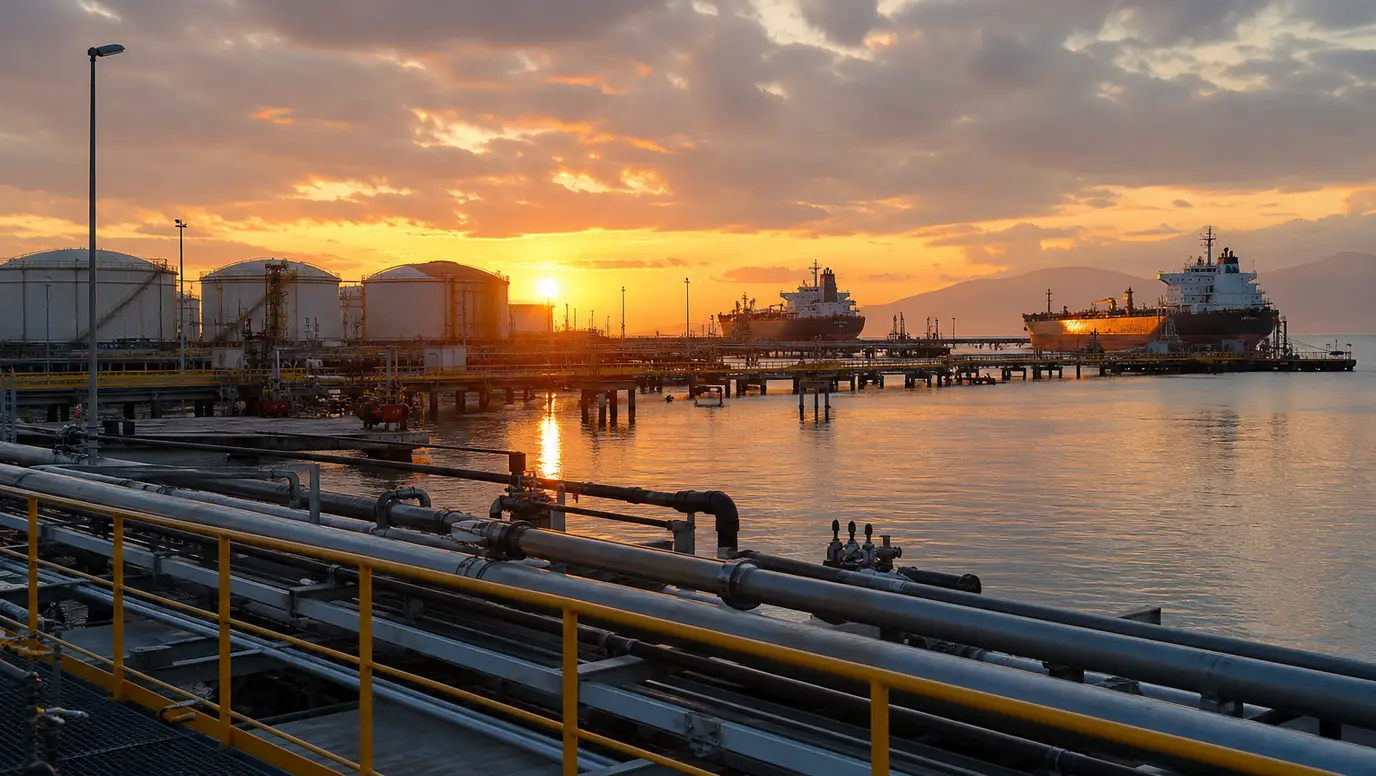
OCTOBER 4, 2026
Brent Crude Holds Above $100 as OPEC+ Extends Output Pause
OCTOBER 2, 2026
Crude Oil Slides as OPEC+ Pause Bets Meet Returning Middle East Supply
SEPTEMBER 27, 2026
Brent Crude Risk Premium Holds as OPEC+ Pause Keeps Energy Market on Edge
SEPTEMBER 12, 2026
Saudi Pipeline Shutdown Puts OPEC+ and Crude Oil on Red Sea Supply Watch
AUGUST 27, 2026
OPEC+ Influence Test Puts Energy Market on China Demand Watch
AUGUST 15, 2026
OPEC+ September Hike Leaves Crude Market Watching Gulf Export Reliability
AUGUST 7, 2026
Crude Oil Market Weighs China Import Rebound as OPEC+ Supply Returns
AUGUST 4, 2026
Gasoline and Distillate Fuel Stay on Edge as OPEC+ Oil Supply Hike Tests Refining Market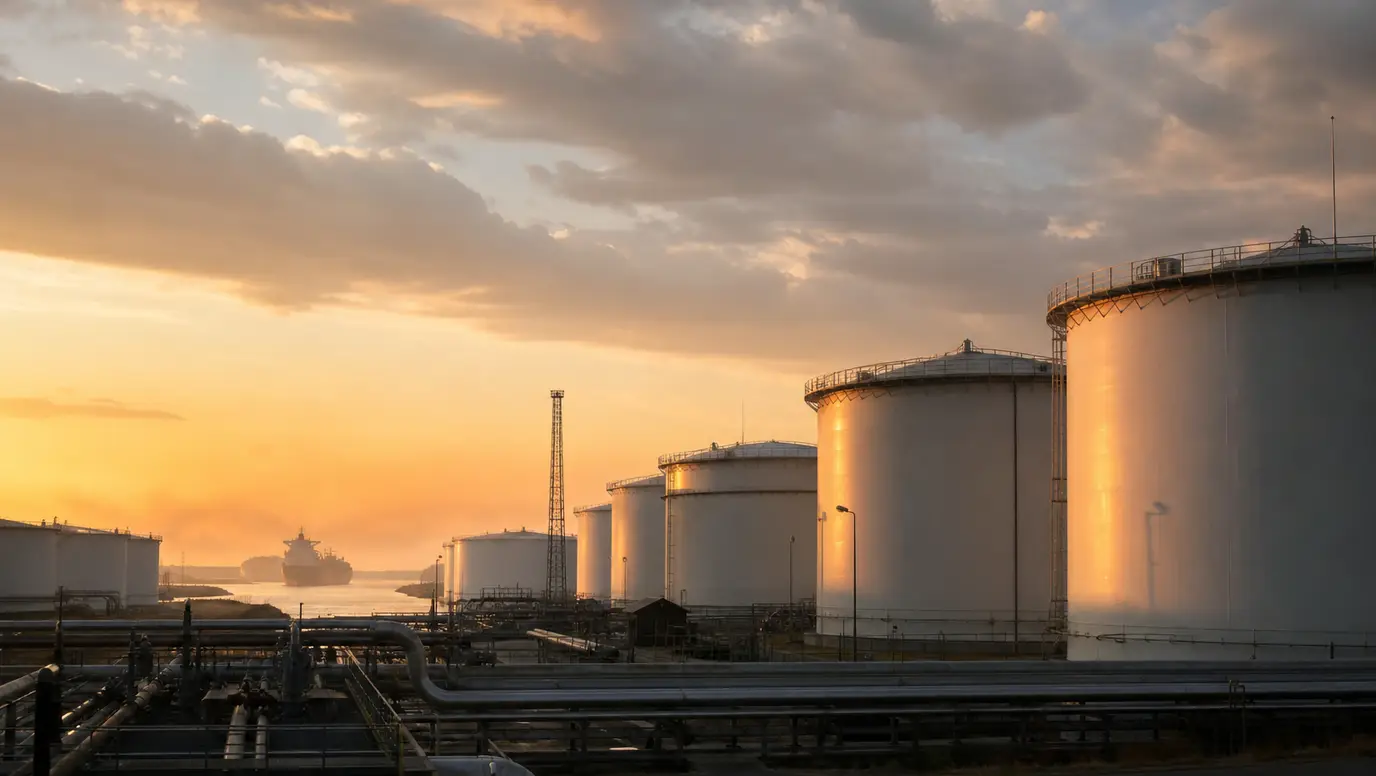
AUGUST 2, 2026
WTI Crude Oil Faces OPEC+ Output Test as Strait of Hormuz Risk Meets Stock Draw