
OCTOBER 30, 2026
Brent Crude Oil Holds Near $116 as OPEC+ Supply Pause Keeps Risk Premium AliveBrent crude oil holds near $116 as OPEC+ supply restraint and tighter inventories keep the energy market risk premium elevated.

© 1box.site 2026
NOVEMBER 7, 2026
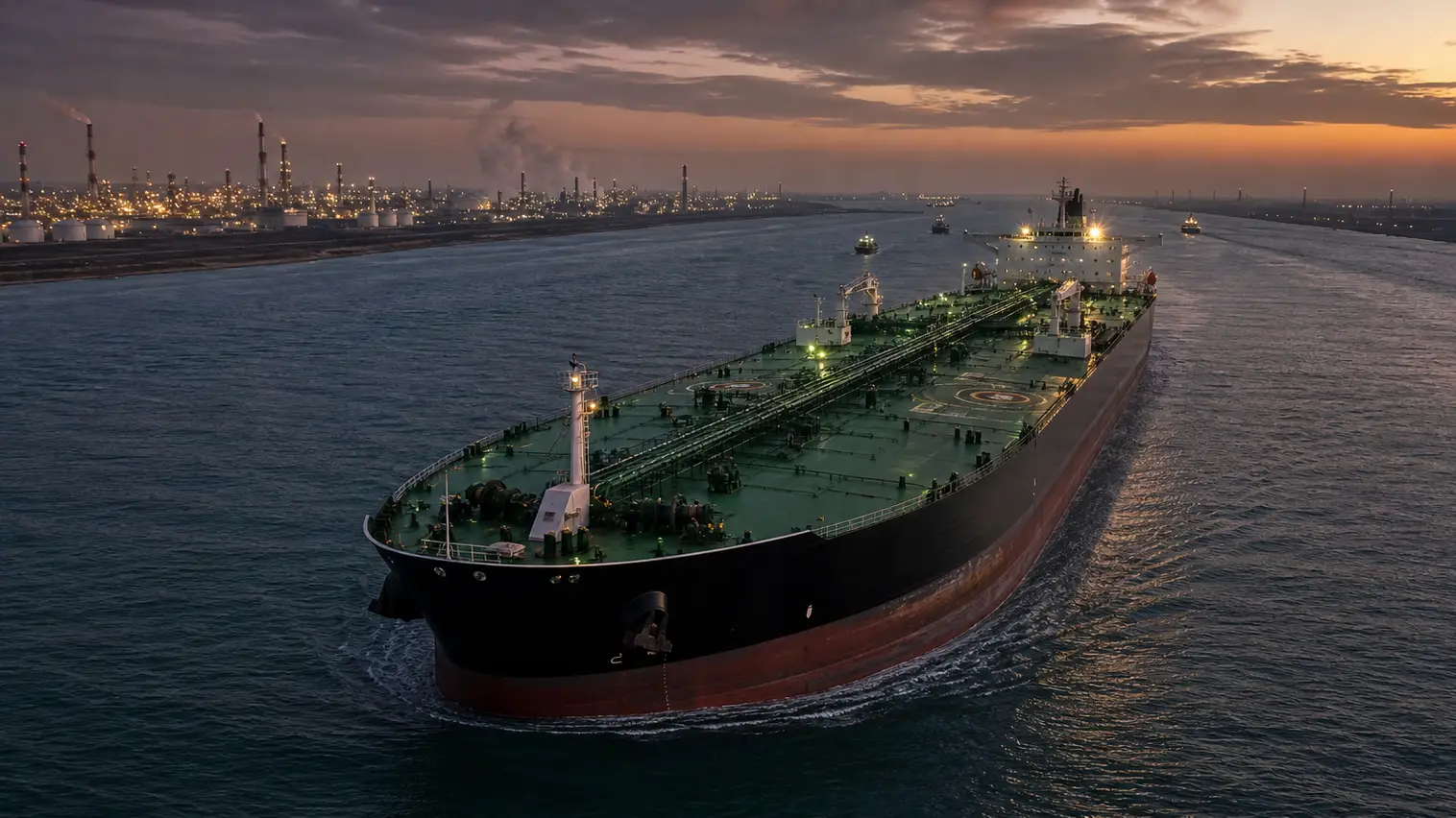
Brent crude oil entered the weekend near $98 a barrel after a volatile trading week in which hopes for a diplomatic opening in the Iran conflict collided with renewed concern over tanker security around the Strait of Hormuz. U.S. West Texas Intermediate crude also stabilized around the $90 area, leaving the energy market caught between a lower geopolitical risk premium and persistent doubts about the reliability of Gulf export flows.
The latest price action marks a sharp change from the previous week’s surge, when traders priced in a greater risk of prolonged disruption to Middle East shipments. Crude futures have since surrendered a large portion of that premium, but the pullback has not become a straightforward bearish trend. Vessel attacks, rerouted cargoes, elevated freight costs and uncertainty over enforcement of any ceasefire framework are keeping buyers cautious about assuming a rapid normalization of supply.
The Strait of Hormuz remains the central risk variable for Brent crude oil. Even limited disruption in the waterway can force cargo delays, longer routes, higher insurance costs and more complicated scheduling for refiners in Asia and Europe. That means crude prices can remain sensitive to security headlines even when broader market sentiment leans toward de-escalation.
Traders are also watching whether regional producers can sustain exports through alternate routes if Hormuz traffic remains uneven. Saudi Arabia’s westward infrastructure and Red Sea loading options can reduce some pressure, but they do not fully remove the market’s exposure to Gulf shipping risk. Any fresh incident near tankers or export facilities could quickly rebuild a risk premium in Brent and widen the spread between international and U.S. crude benchmarks.
The main force restraining prices is the possibility of a negotiated pathway that would gradually reopen disrupted trade routes and reduce the need for emergency logistics. That prospect has encouraged some funds to cut bullish exposure after crude’s earlier spike, especially as high prices risk weakening demand and reviving inflation pressure across fuel markets.
Still, the market is not treating diplomatic momentum as a settled outcome. A durable agreement would need to translate into safer transit, predictable loading schedules and lower freight costs before refiners and physical traders can price in a full return of barrels. Until then, crude oil may continue to trade in wide ranges, with Brent reacting sharply to every shift in the perceived probability of escalation or compromise.
WTI crude’s discount to Brent remains an important signal for energy traders. A wide spread suggests that international barrels are carrying a larger geopolitical premium, while U.S. supply is less directly exposed to Middle East transit risk. However, WTI is not insulated from global shocks because U.S. export economics, refinery margins and fuel inflation expectations all respond to Brent-led moves.
For now, the energy market appears to be pricing neither a full peace dividend nor a renewed supply shock. Brent crude oil near $98 reflects a compromise between those outcomes: lower than panic-driven highs, but still supported by a geopolitical risk floor. The next directional move may depend on whether shipping conditions in and around the Strait of Hormuz improve in practice, not just in diplomatic language.
OCTOBER 30, 2026
Brent Crude Oil Holds Near $116 as OPEC+ Supply Pause Keeps Risk Premium Alive
OCTOBER 26, 2026
WTI Crude Oil Retreats From $103 as Federal Reserve Week Tests Energy Market Risk Premium
OCTOBER 23, 2026
Brent Crude Oil Extends Energy Market Surge as Houthi Strikes Lift Supply Premium
OCTOBER 20, 2026
WTI Crude Oil Futures Keep Energy Market on Edge as Strait of Hormuz Risk Lifts Premium
OCTOBER 17, 2026
Brent Crude Oil Tests $110 as Strategic Petroleum Reserve Move Fails to Calm Energy Market
OCTOBER 14, 2026
Crude Oil Demand Forecast Cut as Strait of Hormuz Flows Keep Energy Market Tight
OCTOBER 9, 2026
Brent Crude Oil Pulls Back as OPEC+ Hold and Iran Strike Pause Ease Energy Premium
OCTOBER 8, 2026
WTI Crude Oil Jumps as Inventory Draw Meets Hormuz Shipping Risk
OCTOBER 4, 2026
Brent Crude Holds Above $100 as OPEC+ Extends Output Pause
SEPTEMBER 30, 2026
WTI Crude Oil Futures Steady as Iran Sanctions Risk Meets Tight Fuel Market
SEPTEMBER 27, 2026
Brent Crude Risk Premium Holds as OPEC+ Pause Keeps Energy Market on Edge
SEPTEMBER 23, 2026
WTI Crude Oil Futures Hold Near Two-Week Low as Gulf Supply Return Tests Fuel Market
SEPTEMBER 20, 2026
Brent Crude Futures Hold Near $104 as Saudi Pipeline Workaround Tests Oil Rally
SEPTEMBER 15, 2026
Brent Crude Holds Above $107 as Saudi Pipeline Closure Lifts Energy Risk Premium
SEPTEMBER 14, 2026
WTI Oil Rally Extends as Strait of Hormuz Risk Reprices Energy Market
SEPTEMBER 9, 2026
Brent Crude Futures Break $100 as Supply Shock Tightens Energy Market
SEPTEMBER 7, 2026
WTI Crude Oil Futures Hold Near Six-Week High as Hormuz Risk Tightens Energy Market
SEPTEMBER 3, 2026
OPEC+ Discount Shock Puts Energy Market on Brent Crude Supply Watch
AUGUST 31, 2026
Crude Oil Rally Puts Energy Market Back on Strait Risk Watch
AUGUST 30, 2026
WTI Crude Oil Slips as Hormuz Supply Relief Tests Energy Market Risk Premium
AUGUST 29, 2026
Venezuela Oil Deal Puts Brent Crude on Long-Term Supply Watch
AUGUST 23, 2026
Crude Oil Keeps Strait of Hormuz Premium as Fuel Transit Signals Stir Energy Market
AUGUST 21, 2026
Brent Crude Extends Weekly Gain as Iran Sanctions Threat Tightens Fuel Supply Watch
AUGUST 18, 2026
Brent Crude and WTI Oil Rise as Strait of Hormuz Risk Revives Energy Inflation Worries
AUGUST 11, 2026
Brent Crude Whipsaws Near $90 as Red Sea Risk Tests Energy Market
AUGUST 10, 2026
Strait of Hormuz Delay Lifts Energy Market as Crude Oil Flow Risk Returns
AUGUST 6, 2026
Brent Crude Volatility Keeps Energy Market Focused on Iran Risk Premium
AUGUST 2, 2026
WTI Crude Oil Faces OPEC+ Output Test as Strait of Hormuz Risk Meets Stock Draw
JULY 31, 2026
Brent Crude Holds Risk Premium as Red Sea Disruptions Keep Energy Traders Defensive
JULY 28, 2026
Strait of Hormuz Flows Keep WTI Crude on Alert as Oil Retreats