NOVEMBER 12, 2026
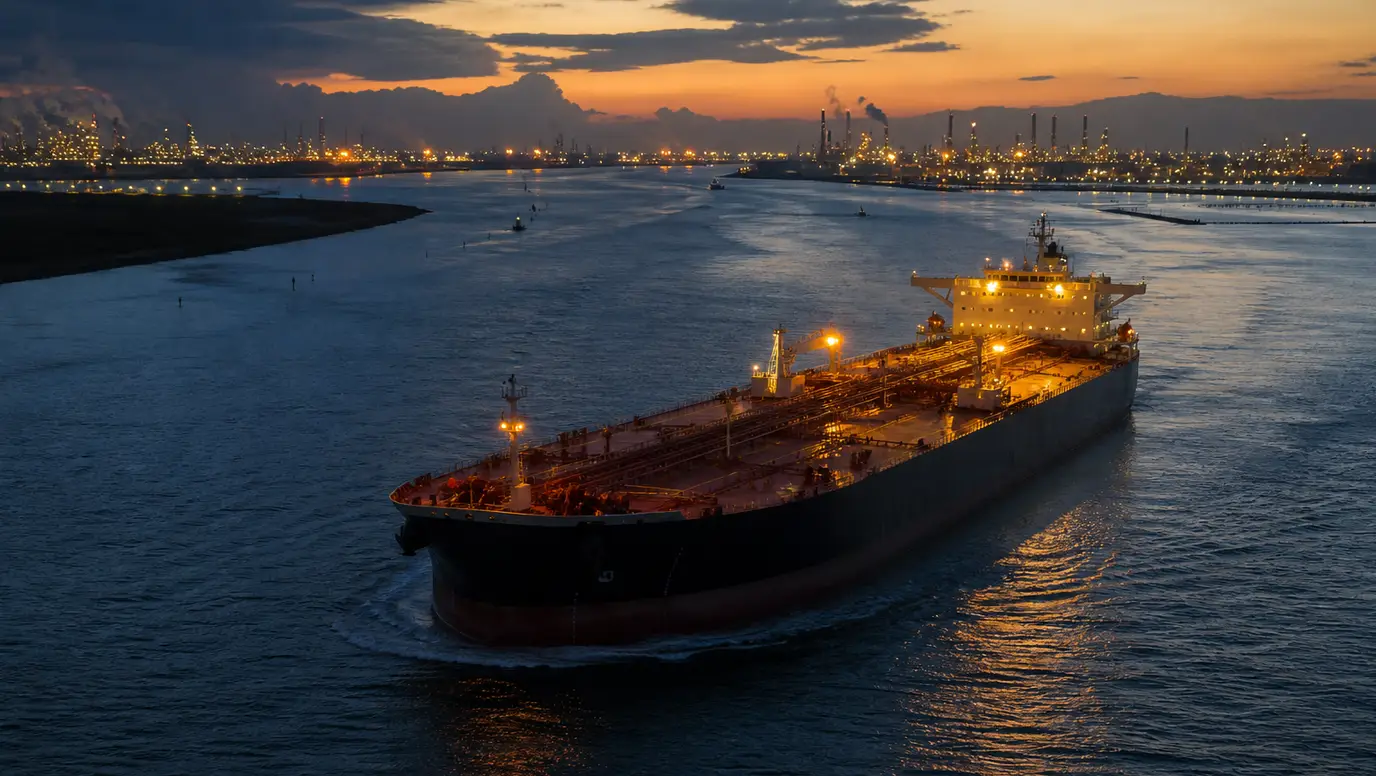
Brent Crude Oil Whipsaws as Hormuz Risk and US Stockbuild Split Energy MarketBrent crude oil swings as Hormuz risk supports prices while a US stockbuild and softer demand signals cap the energy market rally.

© 1box.site 2026

NOVEMBER 14, 2026
The crude oil market is entering the new trading week with a sharper split between physical supply signals and geopolitical risk pricing. After weeks in which Middle East tensions kept a risk premium embedded in energy contracts, traders are now reassessing whether recovering exports and higher producer output could push the market closer to surplus before year-end.
The focus has shifted toward OPEC+ discipline, Saudi supply levels and the durability of demand after a volatile autumn for transport fuels and refinery margins. While benchmark crude remains sensitive to headlines around shipping routes, the latest flow data and market commentary suggest that additional barrels are again becoming visible to buyers, limiting the upside from geopolitical stress.
Saudi Arabia’s reported production rebound has become a central issue for energy traders because it changes the balance of risk around OPEC+ policy. If higher Saudi volumes are sustained while other producers also defend market share, the group may face a more difficult task keeping inventories from building during a seasonally uneven demand period.
For much of the year, the market treated OPEC+ supply management as a floor under crude prices. That assumption is now being tested. A steadier flow of barrels from key exporters reduces the immediate fear of shortage and gives refiners more negotiating power, especially in regions where demand growth has softened and freight costs have already squeezed margins.
The resulting price action has been more cautious than bullish. Traders are still reluctant to remove the entire geopolitical premium, but the market is no longer reacting to every supply-risk headline with the same intensity. That makes upcoming signals on export schedules, refinery runs and official production targets especially important for short-term direction.
The Strait of Hormuz remains the most important geopolitical risk point for the crude oil market. Any disruption to tanker traffic through the waterway can quickly affect expectations for global supply availability, insurance costs and delivery timing. Even when barrels are available, higher shipping risk can raise the effective cost of crude for importers.
Recent reports of renewed security incidents near the Persian Gulf have kept traders from fully pricing in a smooth return to normal flows. The market’s challenge is that the same week can bring evidence of recovering supply and fresh reminders that the route remains vulnerable. That combination encourages fast intraday moves but makes it harder for crude to establish a clean trend.
For energy investors, the key distinction is between a temporary risk premium and a lasting supply shock. If traffic remains broadly functional and exporters continue to deliver, surplus concerns may regain control. If security risks escalate into sustained delays, the market could quickly reprice the cost of prompt barrels.
Demand indicators are now carrying more weight. Refiners are weighing crude purchases against uncertain margins, while consumers face fuel costs that remain politically sensitive. If economic data continue to point to slower industrial activity or weaker transport demand, additional OPEC+ barrels could deepen expectations for a looser market.
Inventory reports will therefore be the next major test. Builds in crude or refined products would strengthen the argument that supply is catching up with demand. Drawdowns, especially in commercially important hubs, would suggest that geopolitical risk and refinery needs are still absorbing available barrels.
The most likely near-term outcome is continued volatility rather than a decisive breakout. Crude oil traders are balancing a visible rebound in supply against a still-fragile security backdrop. Until one side of that equation becomes dominant, OPEC+ policy signals, Saudi export patterns and Hormuz headlines are likely to keep the energy market reactive.
NOVEMBER 12, 2026
Brent Crude Oil Whipsaws as Hormuz Risk and US Stockbuild Split Energy Market
NOVEMBER 9, 2026
WTI Crude Oil Futures Slide Near $90 as Surplus Signals Test OPEC+ Energy Bulls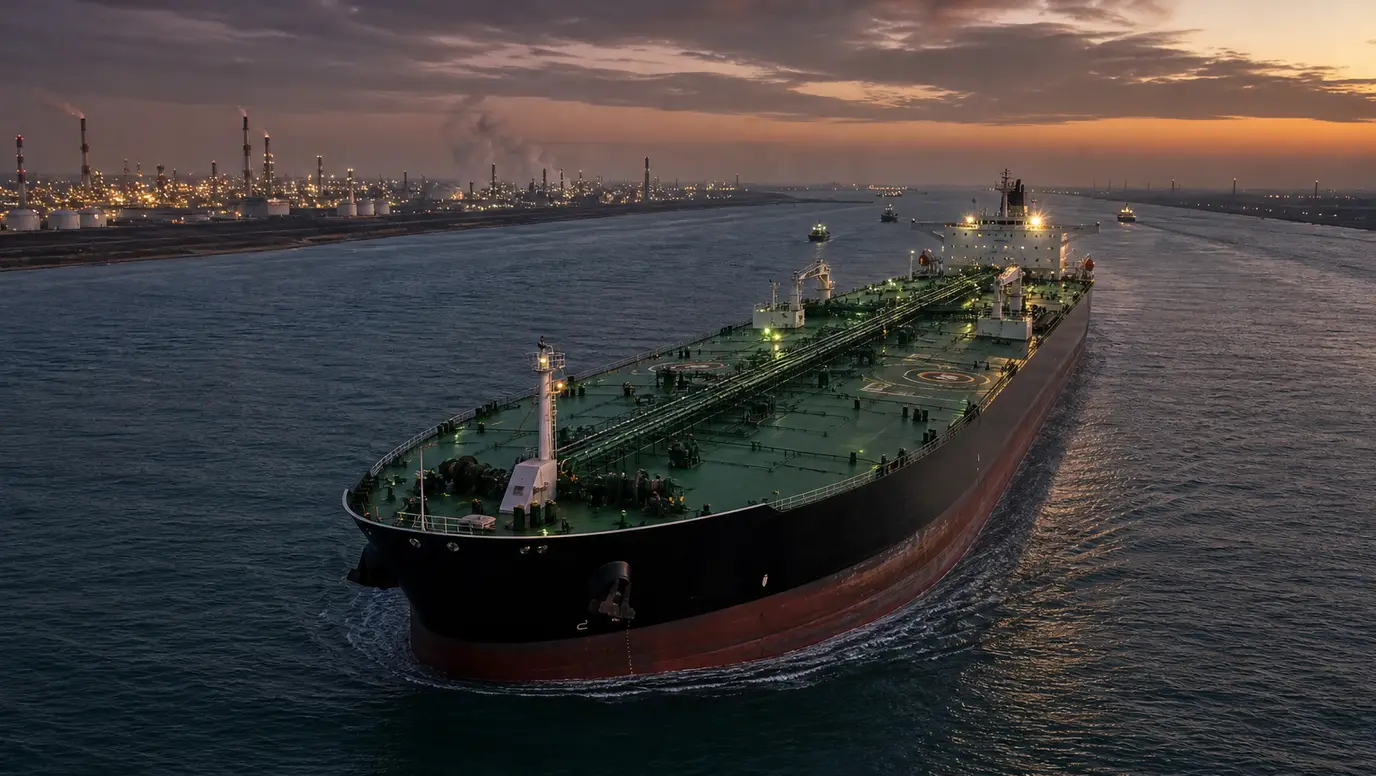
NOVEMBER 7, 2026
Brent Crude Oil Holds Near $98 as Strait of Hormuz Risk Offsets Peace Talk Hopes
NOVEMBER 1, 2026
OPEC+ Holds Crude Oil Targets Steady as Energy Market Looks to 2027 Quotas
OCTOBER 30, 2026
Brent Crude Oil Holds Near $116 as OPEC+ Supply Pause Keeps Risk Premium Alive
OCTOBER 20, 2026
WTI Crude Oil Futures Keep Energy Market on Edge as Strait of Hormuz Risk Lifts Premium
OCTOBER 14, 2026
Crude Oil Demand Forecast Cut as Strait of Hormuz Flows Keep Energy Market Tight
OCTOBER 9, 2026
Brent Crude Oil Pulls Back as OPEC+ Hold and Iran Strike Pause Ease Energy Premium
OCTOBER 8, 2026
WTI Crude Oil Jumps as Inventory Draw Meets Hormuz Shipping Risk
OCTOBER 4, 2026
Brent Crude Holds Above $100 as OPEC+ Extends Output Pause
OCTOBER 2, 2026
Crude Oil Slides as OPEC+ Pause Bets Meet Returning Middle East Supply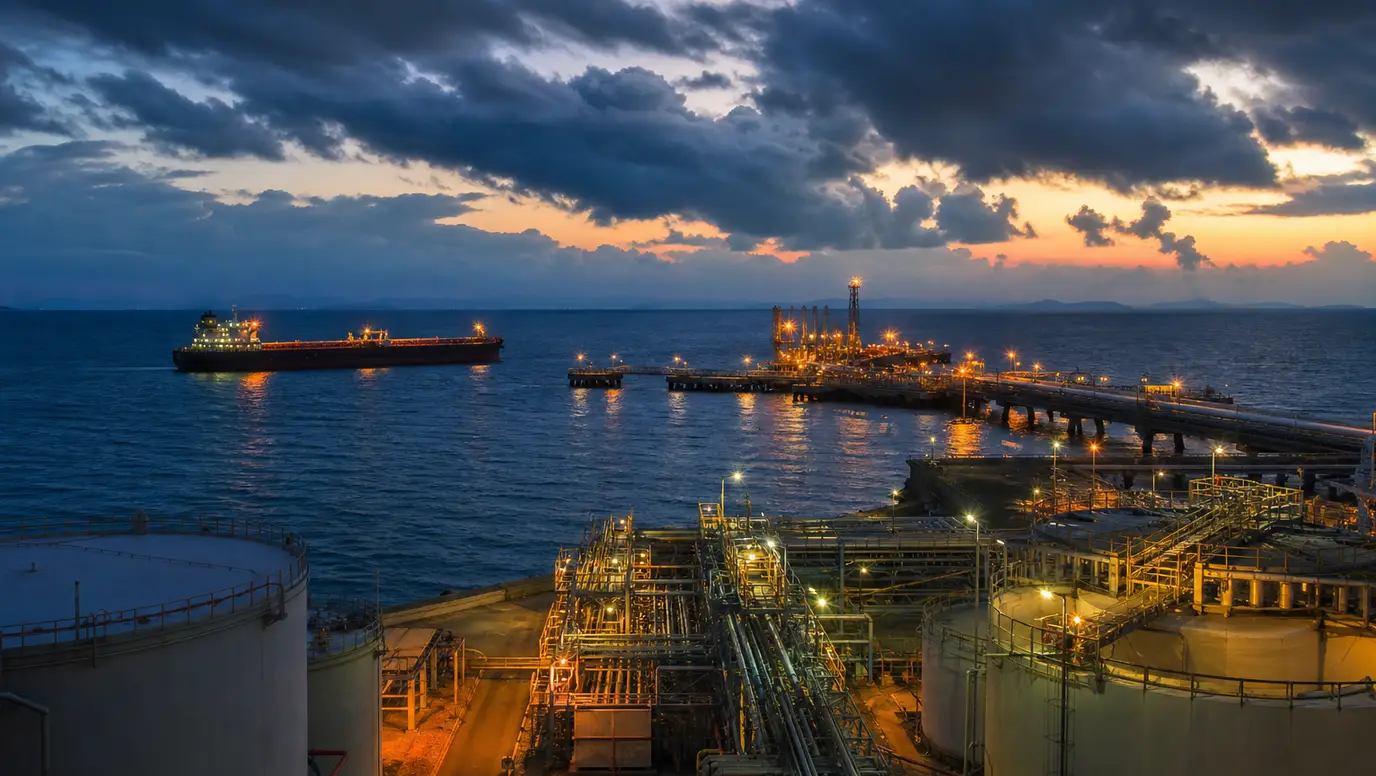
SEPTEMBER 27, 2026
Brent Crude Risk Premium Holds as OPEC+ Pause Keeps Energy Market on Edge
SEPTEMBER 14, 2026
WTI Oil Rally Extends as Strait of Hormuz Risk Reprices Energy Market
SEPTEMBER 12, 2026
Saudi Pipeline Shutdown Puts OPEC+ and Crude Oil on Red Sea Supply Watch
SEPTEMBER 7, 2026
WTI Crude Oil Futures Hold Near Six-Week High as Hormuz Risk Tightens Energy Market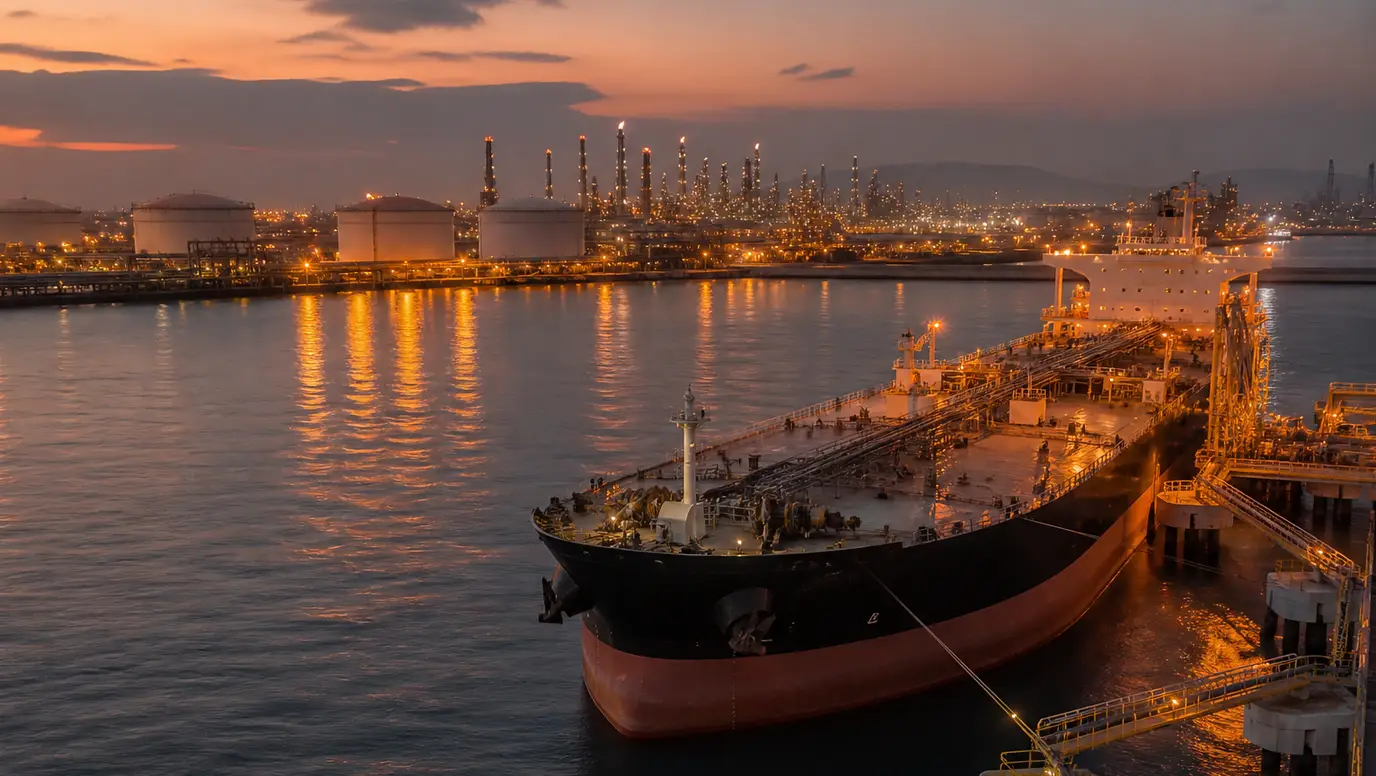
SEPTEMBER 3, 2026
OPEC+ Discount Shock Puts Energy Market on Brent Crude Supply Watch
AUGUST 31, 2026
Crude Oil Rally Puts Energy Market Back on Strait Risk Watch
AUGUST 30, 2026
WTI Crude Oil Slips as Hormuz Supply Relief Tests Energy Market Risk Premium
AUGUST 23, 2026
Crude Oil Keeps Strait of Hormuz Premium as Fuel Transit Signals Stir Energy Market
AUGUST 18, 2026
Brent Crude and WTI Oil Rise as Strait of Hormuz Risk Revives Energy Inflation Worries
AUGUST 15, 2026
OPEC+ September Hike Leaves Crude Market Watching Gulf Export Reliability
AUGUST 10, 2026
Strait of Hormuz Delay Lifts Energy Market as Crude Oil Flow Risk Returns
AUGUST 7, 2026
Crude Oil Market Weighs China Import Rebound as OPEC+ Supply Returns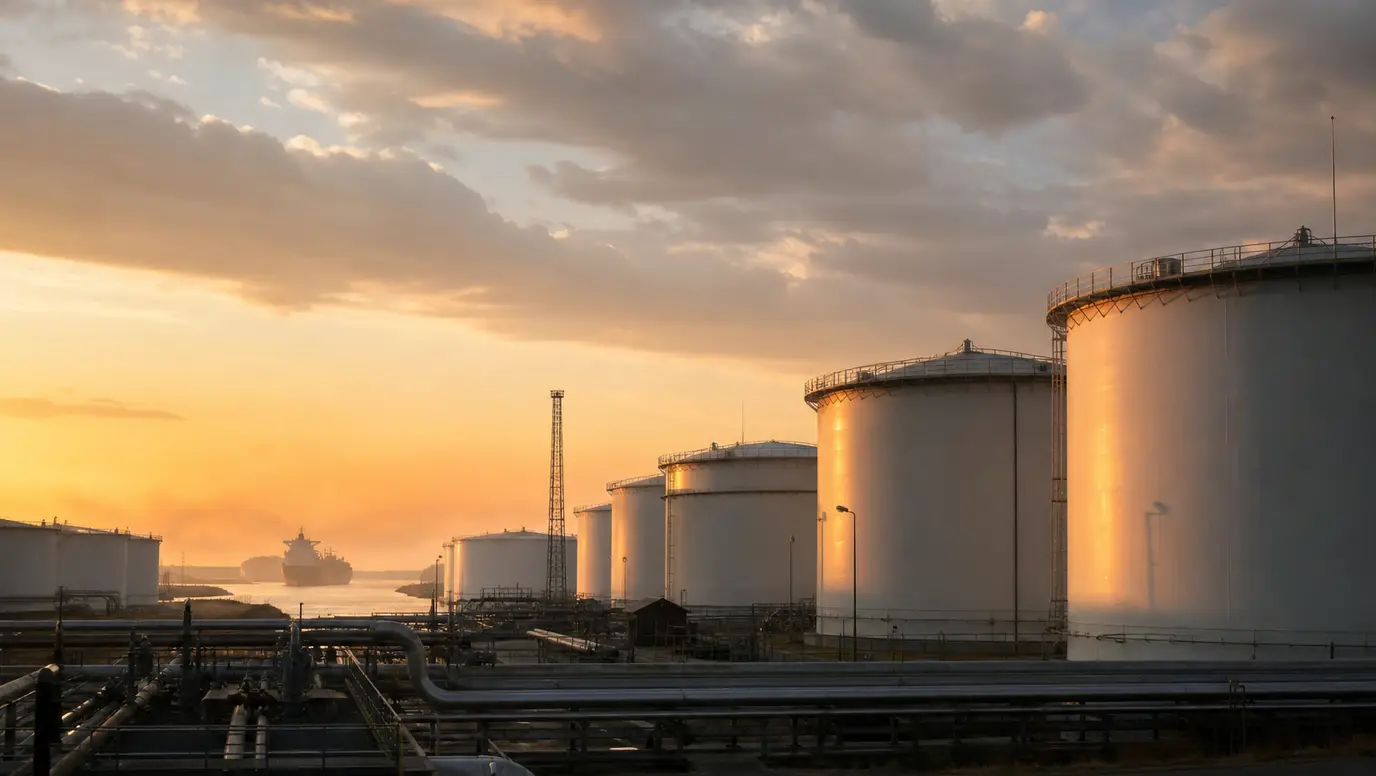
AUGUST 2, 2026
WTI Crude Oil Faces OPEC+ Output Test as Strait of Hormuz Risk Meets Stock Draw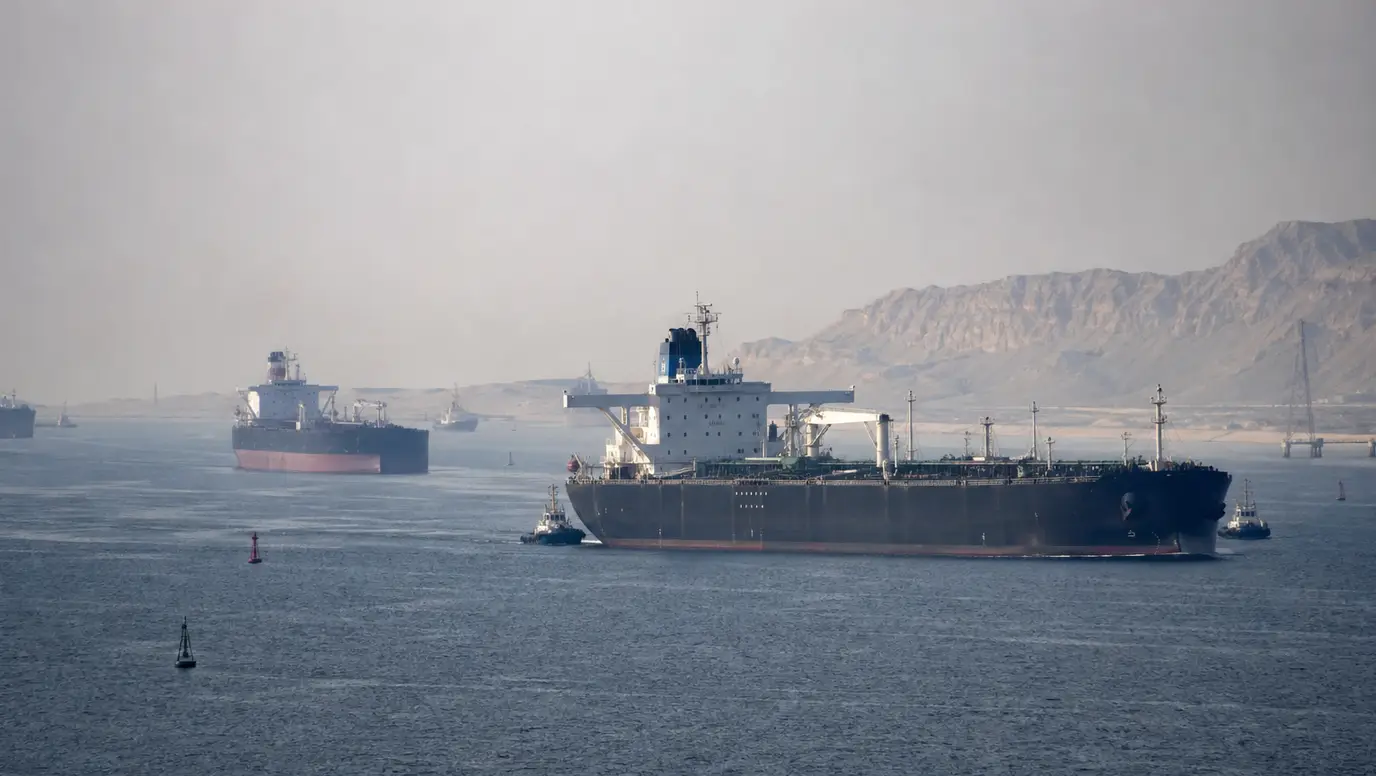
JULY 28, 2026
Strait of Hormuz Flows Keep WTI Crude on Alert as Oil Retreats
JULY 21, 2026
LNG Supply Race Overtakes Oil as Gas Prices Jump on Hormuz Disruption
JULY 20, 2026
Brent Crude Tops $90 as WTI Crude and Oil Prices React to Hormuz Shipment Risk