NOVEMBER 7, 2026
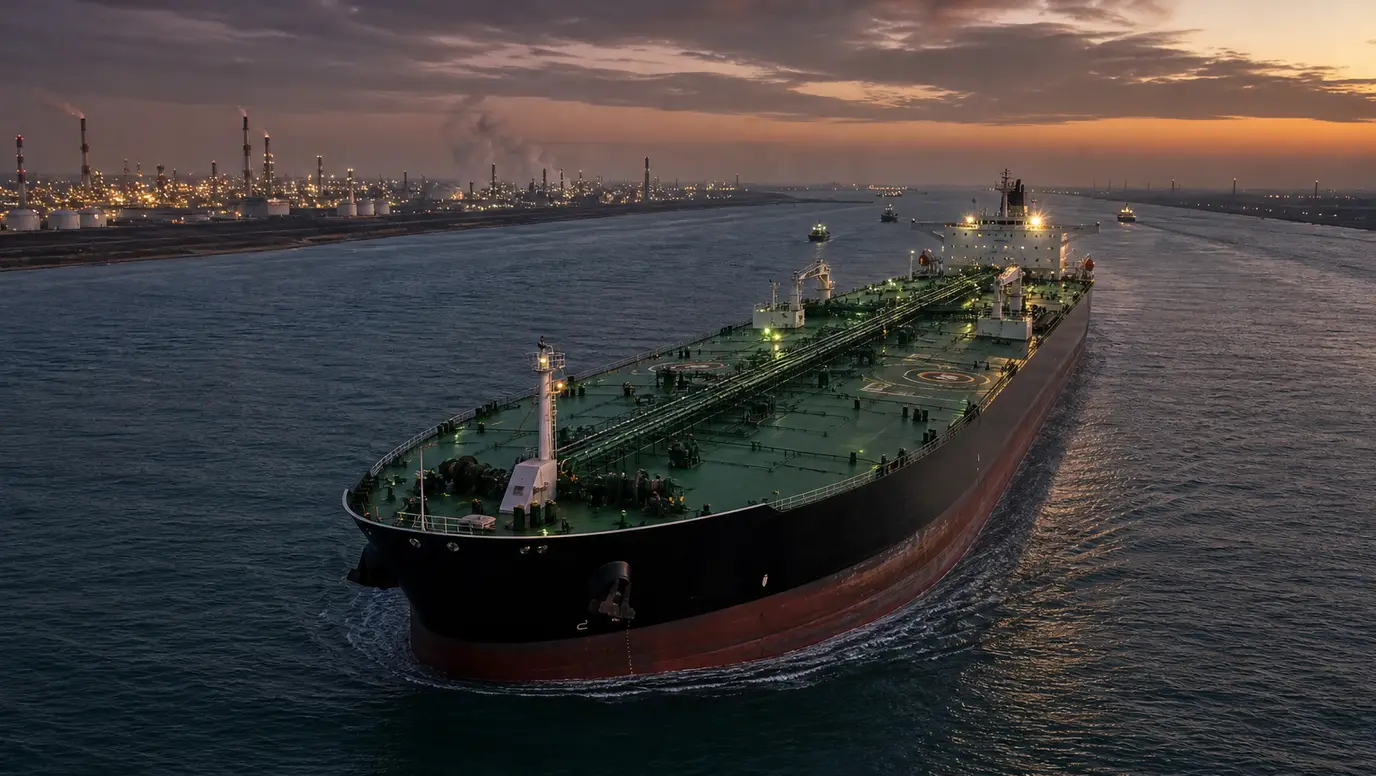
Brent Crude Oil Holds Near $98 as Strait of Hormuz Risk Offsets Peace Talk HopesBrent crude oil steadies near $98 as traders balance Iran diplomacy hopes against Strait of Hormuz shipping threats and WTI volatility.

© 1box.site 2026
NOVEMBER 12, 2026
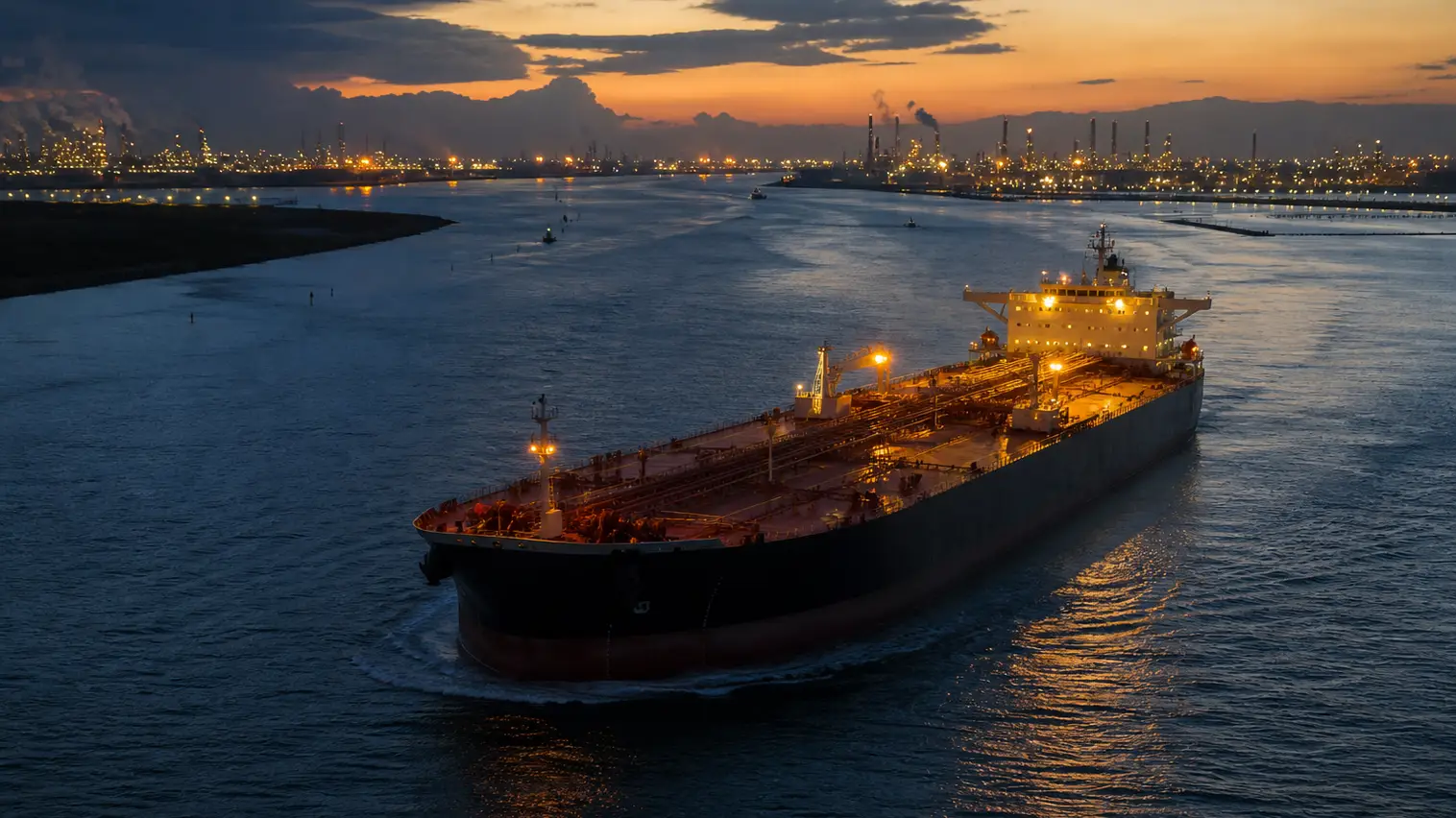
Brent crude oil turned choppy in the energy market as traders balanced renewed Middle East shipping risk against signs that U.S. crude inventories are rebuilding. The benchmark briefly found support from geopolitical headlines tied to the Strait of Hormuz, a route that remains central to global oil and LNG trade, before giving back part of the move as supply data softened the bullish case.
The latest price action shows how quickly energy traders are repricing risk after weeks of volatility. A market that had recently been focused on de-escalation hopes is again reacting to headline risk, while inventory signals are limiting the upside. That combination has left Brent crude oil moving in a wide range rather than building a clean trend.
The Strait of Hormuz remains the key risk premium for crude oil because even a partial disruption can force traders to price in delays, higher freight costs and uncertainty over replacement barrels. Brent is especially sensitive to that risk because it reflects the internationally traded seaborne market more directly than many regional benchmarks.
For buyers, the concern is not only whether barrels are available, but whether they can move reliably through a congested and politically exposed corridor. For sellers, the same uncertainty can lift prompt prices, especially if refiners seek faster delivery or additional protection against supply interruptions.
Still, the market is not treating the latest headlines as a one-way bullish signal. The absence of a confirmed, sustained supply outage has kept traders cautious about chasing prices higher. That has made Brent more reactive to intraday news than to a single directional narrative.
The counterweight to the geopolitical premium is the latest indication that U.S. commercial crude stocks have increased. A stockbuild weakens the argument that physical supply is immediately scarce, particularly when it appears alongside signs of uneven refinery demand and softer risk appetite across broader financial markets.
That inventory backdrop matters because crude oil has already absorbed a large geopolitical premium this year. When storage levels rise, traders become more willing to question whether current prices fully match the underlying balance between demand, refinery runs and available supply.
Refined products remain an important part of the equation. Diesel and jet fuel tightness can support crude demand even when headline crude inventories improve, but the market is now separating product strength from outright Brent momentum. That split is one reason rallies are meeting faster selling pressure.
The next move in Brent crude oil may depend on whether geopolitical risk becomes a physical supply problem or remains a volatile headline premium. Freight rates, tanker routes, refinery margins and weekly inventory data are likely to carry more weight than broad macro signals in the near term.
A stronger U.S. dollar and elevated borrowing costs also complicate the outlook by making dollar-priced commodities more expensive for many international buyers. If demand expectations weaken further, the energy market could struggle to sustain a rally even with a modest Hormuz premium in place.
For now, Brent crude oil is trading like a market caught between two forces: geopolitical insurance buying on one side and inventory-driven skepticism on the other. Until one of those forces clearly dominates, volatility is likely to remain the main feature of the energy market rather than a clean breakout in either direction.
NOVEMBER 7, 2026
Brent Crude Oil Holds Near $98 as Strait of Hormuz Risk Offsets Peace Talk Hopes
OCTOBER 30, 2026
Brent Crude Oil Holds Near $116 as OPEC+ Supply Pause Keeps Risk Premium Alive
OCTOBER 23, 2026
Brent Crude Oil Extends Energy Market Surge as Houthi Strikes Lift Supply Premium
OCTOBER 20, 2026
WTI Crude Oil Futures Keep Energy Market on Edge as Strait of Hormuz Risk Lifts Premium
OCTOBER 17, 2026
Brent Crude Oil Tests $110 as Strategic Petroleum Reserve Move Fails to Calm Energy Market
OCTOBER 14, 2026
Crude Oil Demand Forecast Cut as Strait of Hormuz Flows Keep Energy Market Tight
OCTOBER 9, 2026
Brent Crude Oil Pulls Back as OPEC+ Hold and Iran Strike Pause Ease Energy Premium
OCTOBER 8, 2026
WTI Crude Oil Jumps as Inventory Draw Meets Hormuz Shipping Risk
OCTOBER 4, 2026
Brent Crude Holds Above $100 as OPEC+ Extends Output Pause
SEPTEMBER 27, 2026
Brent Crude Risk Premium Holds as OPEC+ Pause Keeps Energy Market on Edge
SEPTEMBER 20, 2026
Brent Crude Futures Hold Near $104 as Saudi Pipeline Workaround Tests Oil Rally
SEPTEMBER 15, 2026
Brent Crude Holds Above $107 as Saudi Pipeline Closure Lifts Energy Risk Premium
SEPTEMBER 14, 2026
WTI Oil Rally Extends as Strait of Hormuz Risk Reprices Energy Market
SEPTEMBER 9, 2026
Brent Crude Futures Break $100 as Supply Shock Tightens Energy Market
SEPTEMBER 7, 2026
WTI Crude Oil Futures Hold Near Six-Week High as Hormuz Risk Tightens Energy Market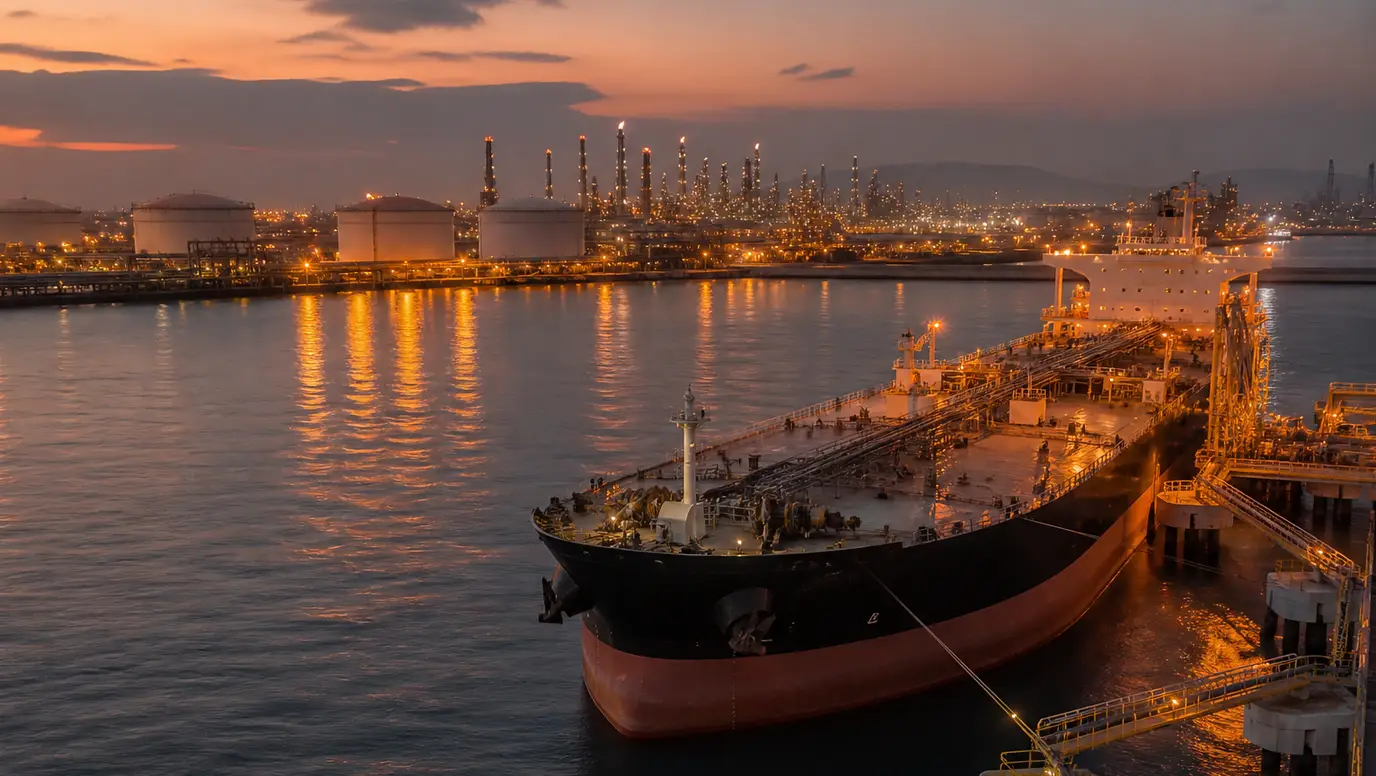
SEPTEMBER 3, 2026
OPEC+ Discount Shock Puts Energy Market on Brent Crude Supply Watch
AUGUST 31, 2026
Crude Oil Rally Puts Energy Market Back on Strait Risk Watch
AUGUST 30, 2026
WTI Crude Oil Slips as Hormuz Supply Relief Tests Energy Market Risk Premium
AUGUST 29, 2026
Venezuela Oil Deal Puts Brent Crude on Long-Term Supply Watch
AUGUST 23, 2026
Crude Oil Keeps Strait of Hormuz Premium as Fuel Transit Signals Stir Energy Market
AUGUST 21, 2026
Brent Crude Extends Weekly Gain as Iran Sanctions Threat Tightens Fuel Supply Watch
AUGUST 18, 2026
Brent Crude and WTI Oil Rise as Strait of Hormuz Risk Revives Energy Inflation Worries
AUGUST 11, 2026
Brent Crude Whipsaws Near $90 as Red Sea Risk Tests Energy Market
AUGUST 10, 2026
Strait of Hormuz Delay Lifts Energy Market as Crude Oil Flow Risk Returns
AUGUST 6, 2026
Brent Crude Volatility Keeps Energy Market Focused on Iran Risk Premium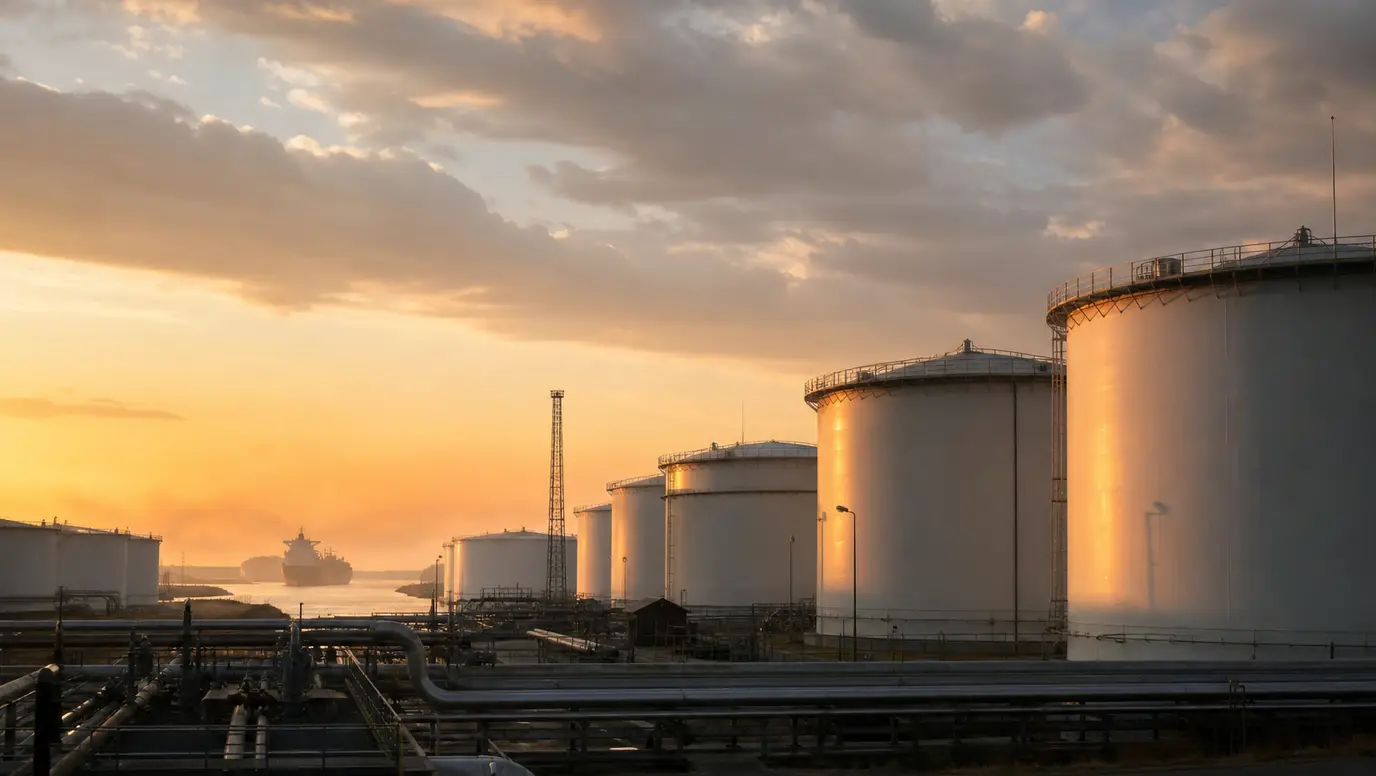
AUGUST 2, 2026
WTI Crude Oil Faces OPEC+ Output Test as Strait of Hormuz Risk Meets Stock Draw
JULY 31, 2026
Brent Crude Holds Risk Premium as Red Sea Disruptions Keep Energy Traders Defensive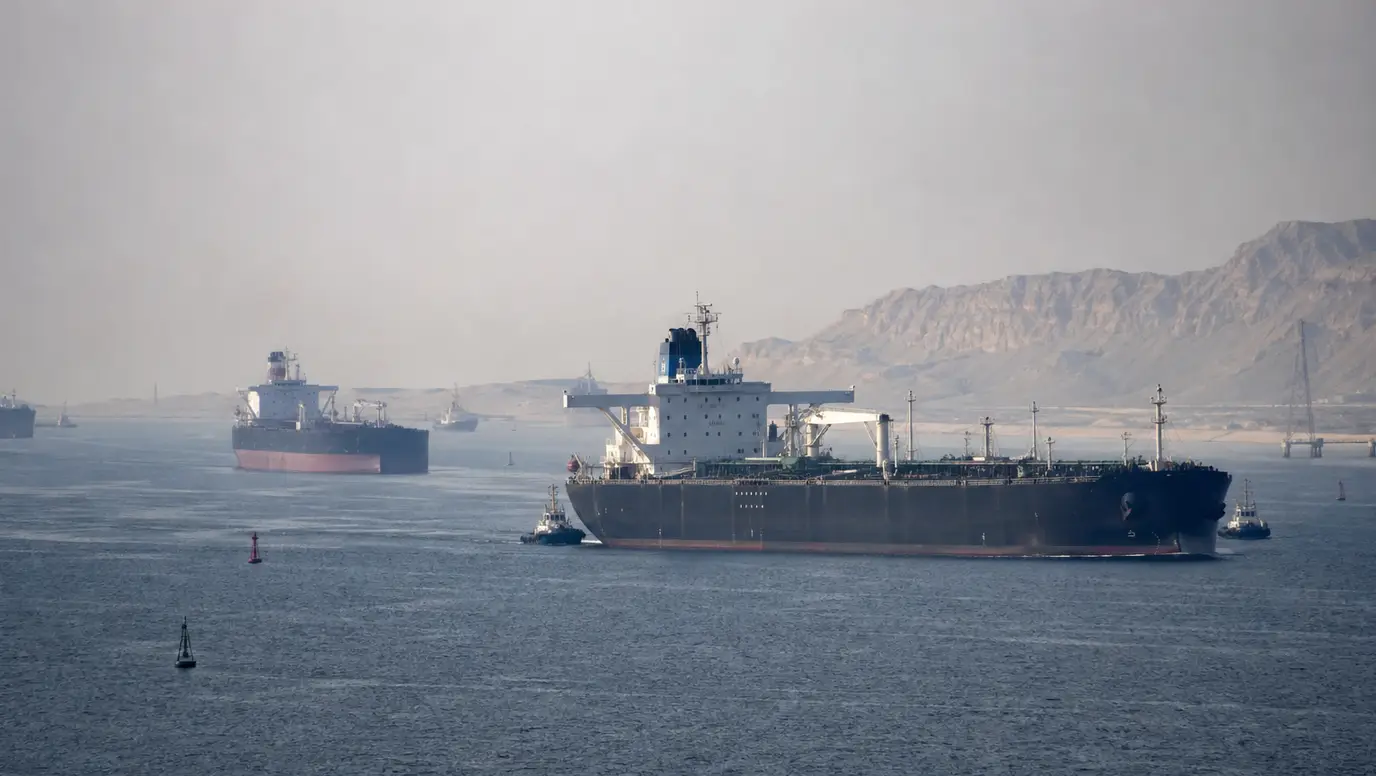
JULY 28, 2026
Strait of Hormuz Flows Keep WTI Crude on Alert as Oil Retreats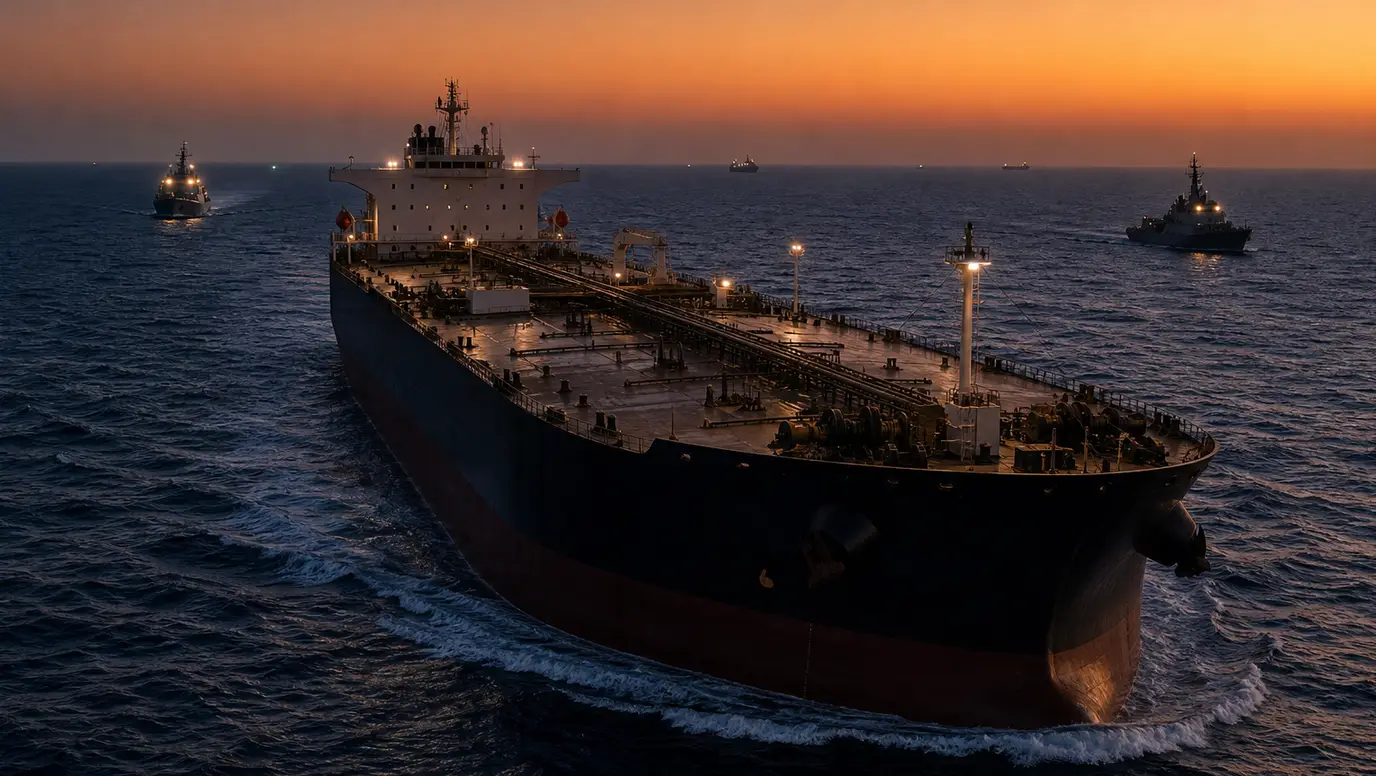
JULY 24, 2026
Brent Holds Above $100 as Red Sea Tanker Risk Resets Energy Market Outlook
JULY 21, 2026
LNG Supply Race Overtakes Oil as Gas Prices Jump on Hormuz Disruption