
OCTOBER 19, 2026
Gasoline Energy Market Tightens as Russia Fuel Shortage Raises Refinery RiskGasoline energy markets face fresh supply risk as Russia’s fuel shortage and refinery outages keep traders alert to regional squeeze threats.

© 1box.site 2026

OCTOBER 23, 2026
Brent crude oil extended its October surge on Friday, pushing the energy market back into risk-premium mode as fresh attacks linked to the Middle East conflict raised concerns about the reliability of Gulf supply routes and regional infrastructure.
The international benchmark moved above $116 a barrel in early trade, reaching its strongest level in months after a sharp rally from levels below $100 at the start of October. The move leaves traders balancing two powerful forces: a physical market that has not yet shown a full-scale supply collapse, and a geopolitical backdrop that is making every barrel moving out of the Gulf look more expensive to insure, finance and transport.
The latest leg higher followed renewed concern around Houthi strikes on Saudi-linked energy and transport assets, alongside reports of more pressure on commercial shipping. Even where production has remained available, the cost of moving crude through contested waters has become a larger part of the price signal. That is helping Brent maintain a premium to U.S. crude and keeping short-dated oil contracts supported.
The most important shift for the energy market is not simply the headline price. It is the way traders are paying up for near-term barrels while reassessing whether relief expected in 2027 can arrive quickly enough. When prompt contracts rise faster than later-dated futures, the market is effectively rewarding immediate access to supply and penalizing any disruption risk in the delivery chain.
That dynamic has been visible in the widening focus on tanker availability, route security and Middle East export resilience. Tanker operators may still move cargoes, but the combination of higher insurance costs, longer waiting times, altered sailing behavior and security escorts can tighten the effective supply of transport capacity. For refiners, that can matter almost as much as the number of barrels officially produced.
Brent’s advance also complicates the inflation outlook. A sustained move above $110 can feed quickly into diesel, jet fuel and gasoline expectations, particularly if refiners begin bidding more aggressively for replacement cargoes before winter demand peaks. The pressure is not uniform across regions, but energy-sensitive sectors such as airlines, freight, chemicals and consumer transport are likely to face renewed margin scrutiny if the rally persists.
For now, the bullish case rests on the idea that geopolitical risk has become too large to fade quickly. The market has already absorbed several weeks of elevated tension, and the latest price action suggests traders are reluctant to sell into headlines that could point to further attacks, port delays or pipeline disruptions.
The bearish case is more conservative but still relevant. High prices can curb demand, encourage inventory draws from consuming nations, and create political pressure for emergency supply measures. If physical cargo flows remain more stable than feared, Brent could struggle to hold above recent highs once the immediate shock fades.
That makes the next phase of trading especially sensitive to confirmation signals. Energy desks will be watching whether shipping disruptions translate into measurable export losses, whether refinery buying accelerates, and whether consuming governments move to soften fuel-price pressure. Any sign that cargoes are arriving with fewer delays could remove part of the risk premium, while another escalation around Gulf infrastructure could push Brent toward a more aggressive repricing.
For the broader energy market, Brent crude oil has become the clearest barometer of geopolitical stress. Until traders see evidence that shipping lanes, Saudi infrastructure and regional export flows are stabilizing, the market is likely to treat dips as vulnerable to fresh buying rather than as proof that the rally has run its course.
OCTOBER 19, 2026
Gasoline Energy Market Tightens as Russia Fuel Shortage Raises Refinery Risk
OCTOBER 18, 2026
Distillate Fuel Futures Stay Bid as Diesel Reserve Release Meets Winter Supply Risk
OCTOBER 17, 2026
Airline Stocks Face Fuel-Cost Test as Earnings Season Moves Beyond AI
OCTOBER 16, 2026
PJM Power Emergency Puts Backup Fuel and Demand Response in Energy Market Focus
OCTOBER 13, 2026
Gasoline Fuel Futures Stay Elevated as Low US Inventories Keep Refinery Risk in Focus
OCTOBER 12, 2026
Diesel Fuel Futures Slide as Russia Supply Deal Tests Distillate Shortage
OCTOBER 11, 2026
LNG Fuel Market Cools as Winter Energy Risk Keeps Buyers on Alert
OCTOBER 9, 2026
Delta Air Lines Stock Falls as Fuel Costs Cut Into Airline Profit Outlook
OCTOBER 7, 2026
Gasoline Futures Climb as Gulf Storm Puts Fuel Supply on Alert
OCTOBER 6, 2026
Distillate Fuel Squeeze Keeps Energy Market Alert as Diesel Margins Stay Elevated
OCTOBER 3, 2026
Propane Leads Energy Commodities Watch as U.S. Exports Hit Record
OCTOBER 1, 2026
Gasoline Futures Rise as Fuel Export Curbs Tighten Energy Market
SEPTEMBER 30, 2026
WTI Crude Oil Futures Steady as Iran Sanctions Risk Meets Tight Fuel Market
SEPTEMBER 28, 2026
Distillate Fuel Futures Rise as Tight Diesel Stocks Put Energy Market on Supply Alert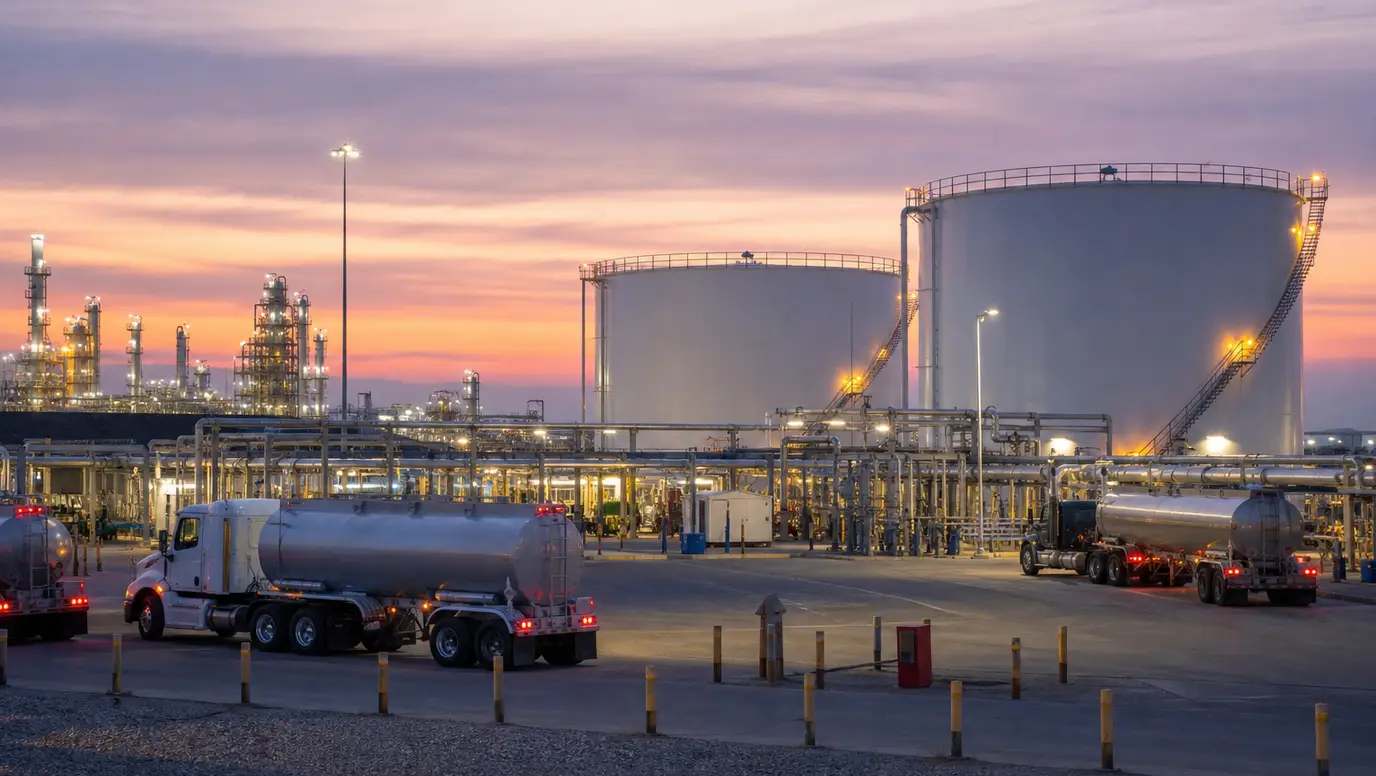
SEPTEMBER 26, 2026
Gasoline Futures Stay Volatile as U.S. Stock Draw Tightens Fuel Market Cushion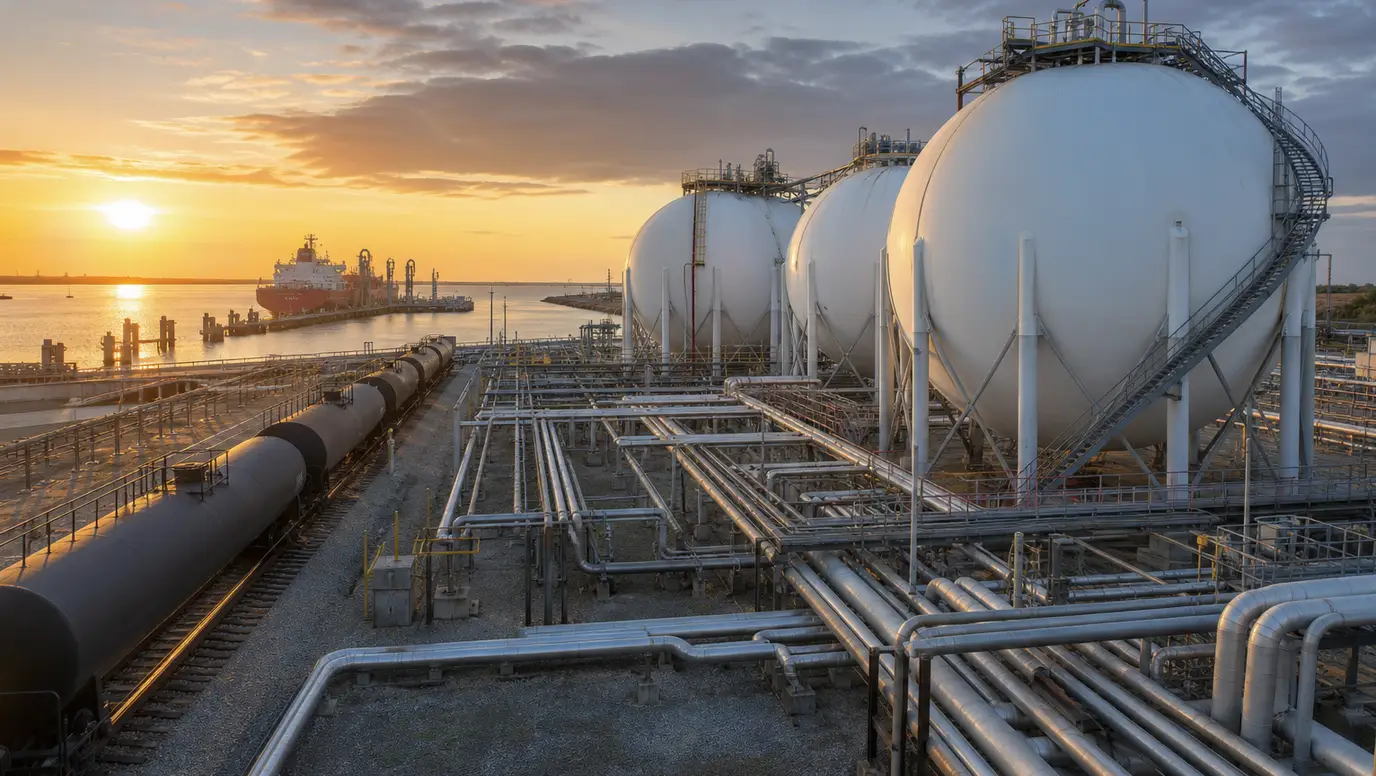
SEPTEMBER 24, 2026
Propane Fuel Prices Firm as U.S. Stock Draw Puts Mont Belvieu on Export Watch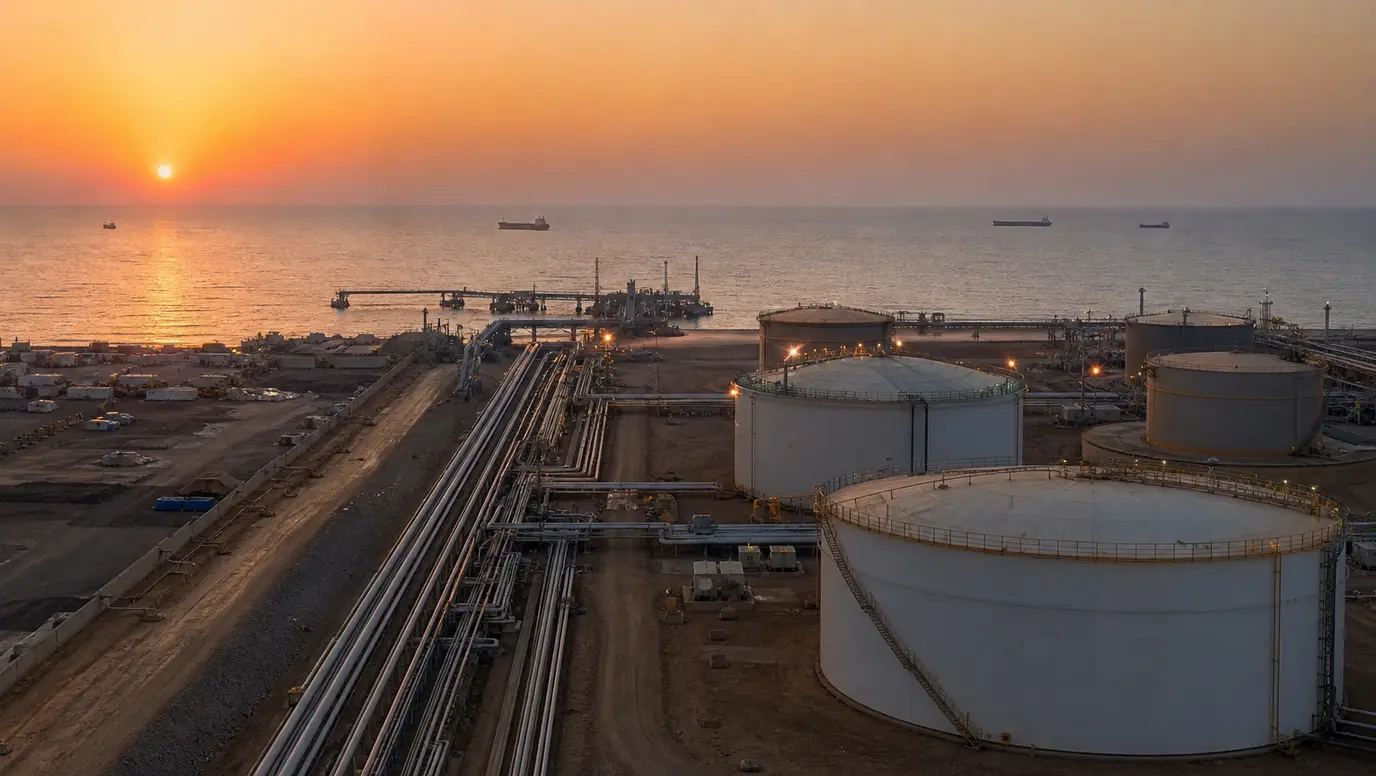
SEPTEMBER 23, 2026
WTI Crude Oil Futures Hold Near Two-Week Low as Gulf Supply Return Tests Fuel Market
SEPTEMBER 22, 2026
Distillate Fuel Futures Surge as Refinery Outages Widen Energy Market Crack Spread
SEPTEMBER 19, 2026
Gasoline Futures Climb as Refinery Outage and Pump Price Jump Put Fuel Market on Alert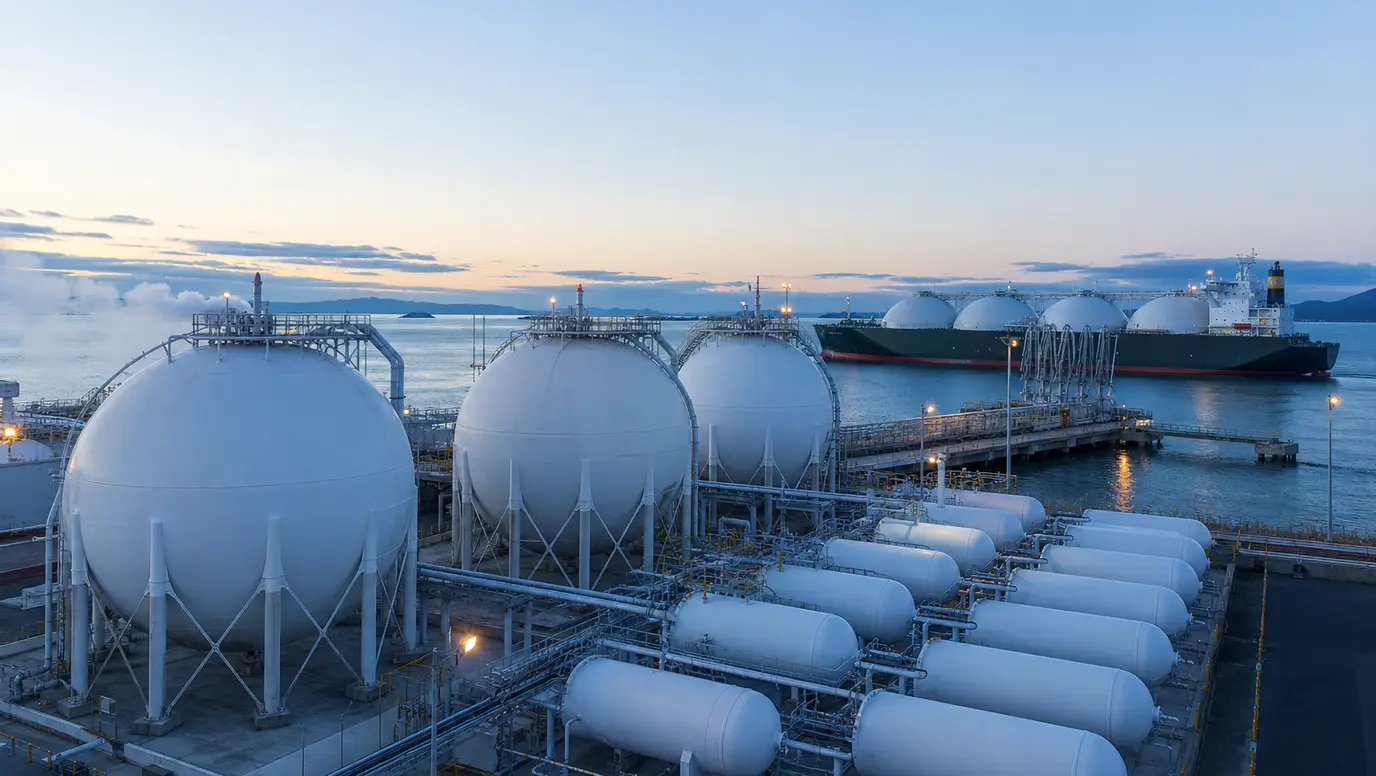
SEPTEMBER 17, 2026
Propane Fuel Draw Tests Energy Market as Exports Offset U.S. Stock Cushion
SEPTEMBER 16, 2026
Distillate Fuel Squeeze Puts Commodity Futures on Diesel Inflation Watch
SEPTEMBER 11, 2026
Diesel Fuel Shock Puts Oil Market on Freight Inflation Watch
SEPTEMBER 10, 2026
Distillate Fuel Rally Spreads to Gasoline as Refinery Outages Tighten Energy Market
SEPTEMBER 6, 2026
Propane Fuel Draw Puts Energy Commodities on Winter Supply Watch
SEPTEMBER 5, 2026
Gasoline Fuel Margins Put Energy Market on Pump Price Watch
SEPTEMBER 4, 2026
Diesel Fuel Record Puts Energy Market on Transport Inflation Watch
SEPTEMBER 1, 2026
Distillate Fuel Rally Tightens Energy Market as Diesel Stocks Sink
AUGUST 26, 2026
Distillate Fuel Draw Puts Energy Market on Diesel Supply Watch
AUGUST 25, 2026
Gasoline Futures Slide as Fuel Waiver Puts Energy Commodities on Pump Price Watch
AUGUST 24, 2026
Propane Stockpile Puts Fuel Traders on Winter Demand Watch