
NOVEMBER 7, 2026
Brent Crude Oil Holds Near $98 as Strait of Hormuz Risk Offsets Peace Talk HopesBrent crude oil steadies near $98 as traders balance Iran diplomacy hopes against Strait of Hormuz shipping threats and WTI volatility.

© 1box.site 2026
NOVEMBER 20, 2026
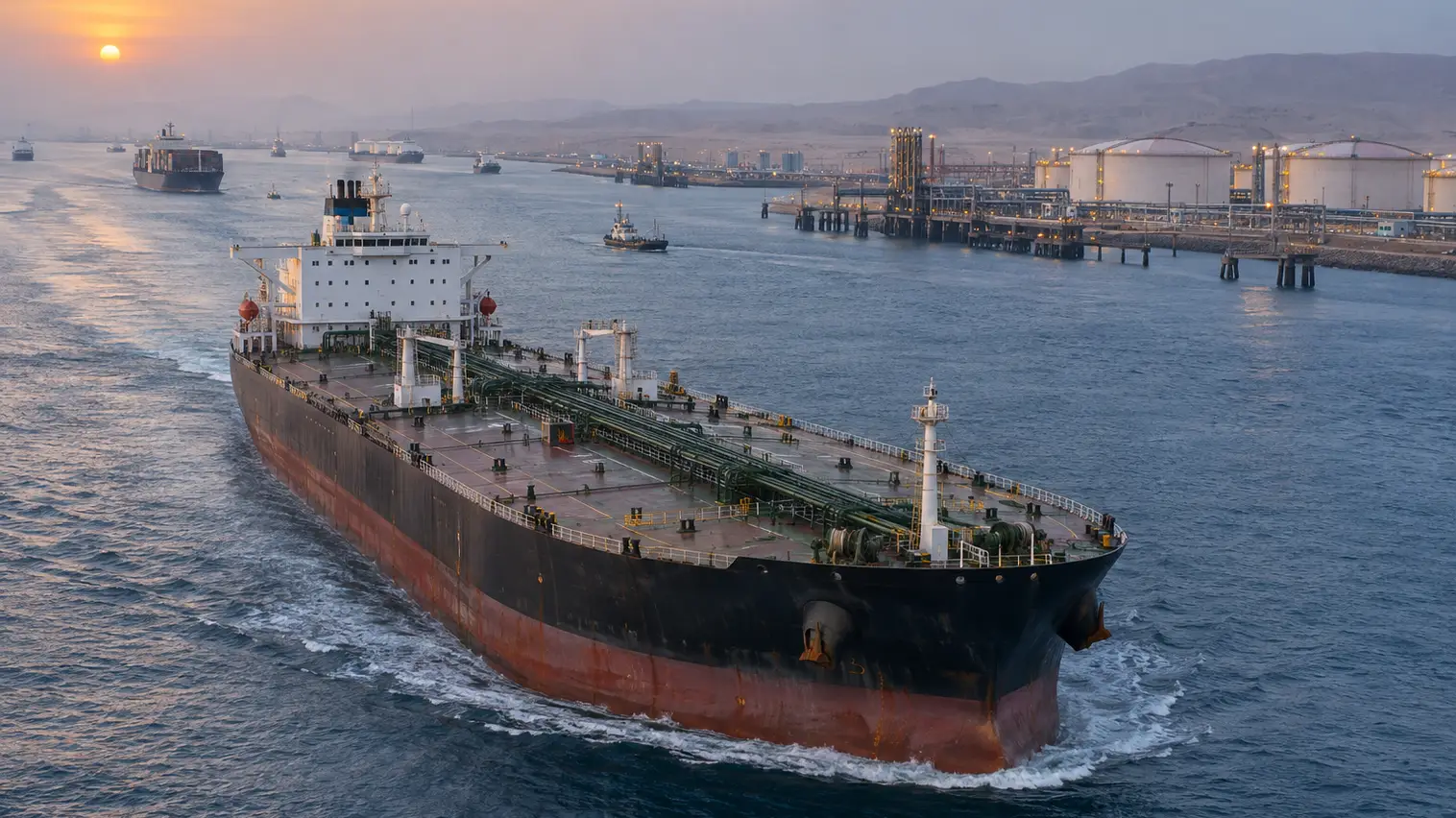
Brent and WTI crude oil futures fell on November 20 as recovering Middle East exports and a build in US inventories eased concerns about immediate supply shortages, even as security risks continued to threaten shipping routes.
At 10:32 GMT, January Brent futures traded at $90.33 a barrel, down $1.65 from the previous settlement. December West Texas Intermediate traded at $81.59, down $1.62. Both benchmarks were heading for a third consecutive weekly decline.
Crude shipments through the Strait of Hormuz have returned to roughly prewar levels, helping bring more barrels to market despite continuing conflict in the region. The recovery has shifted attention toward the possibility that supply could outpace demand in the months ahead.
US commercial crude inventories rose by 3.4 million barrels in the week ended November 13. A sustained increase in stocks would give refiners and traders a larger supply cushion, although one weekly build does not establish a lasting trend.
Lower crude prices can ease costs for refiners and fuel consumers over time, while putting pressure on oil producers’ revenues. The effect on retail fuel prices is not immediate: refining costs, transportation and local taxes also influence what consumers pay.
The decline does not mean the geopolitical risk has disappeared. Attacks in the region and threats to vessels moving through the Strait of Hormuz could disrupt exports again or raise shipping costs, potentially reversing some of the pressure on prices.
Traders will also watch the OPEC+ meeting scheduled for November 29 for signals on production policy. Any decision will be weighed against the pace of export recovery, demand and further changes in inventories.
The December WTI contract expires on November 20. As trading moves to the January contract, investors should compare each contract with its own previous settlement rather than treating the difference between the two as a daily price move.
NOVEMBER 7, 2026
Brent Crude Oil Holds Near $98 as Strait of Hormuz Risk Offsets Peace Talk Hopes
AUGUST 18, 2026
Brent Crude and WTI Oil Rise as Strait of Hormuz Risk Revives Energy Inflation Worries
JULY 20, 2026
Brent Crude Tops $90 as WTI Crude and Oil Prices React to Hormuz Shipment Risk
JULY 19, 2026
Brent Crude and WTI Crude Rally as Traders Test OPEC+ Supply Cushion
JULY 18, 2026
Brent Crude and WTI Crude Prices Near Weekend Gap Risk as Energy Market Reprices Supply Threat
JULY 17, 2026
Brent Crude and WTI Crude Hold Weekly Gains as Red Sea Threat Offsets US Dollar Rebound
JULY 15, 2026
Brent Crude and WTI Crude Rise as Iran Port Blockade Puts Stockpile Cushion in Focus
JULY 14, 2026
Oil Market Shifts to Bypass Routes as Hormuz Risk Keeps Brent Premium Elevated
JULY 13, 2026
Brent Crude Jumps as Hormuz Escalation Reprices Energy Market Risk
JULY 12, 2026
Crude Oil Faces China Demand Test as Floating Iranian Supply Builds
JULY 11, 2026
Energy Market Watches Tanker Risk as Crude Oil Rally Meets Demand Doubts
JULY 10, 2026
Crude Oil Turns to Glut Risk as OPEC+ Adds August Supply
JULY 9, 2026
Brent Nears $79 as Renewed Gulf Risk Rebuilds Crude Oil Premium
JULY 8, 2026
Crude Oil Faces Mixed Signal as U.S. Stock Build Collides With Fuel Draws
JULY 6, 2026
Crude Oil Slips as Hormuz Flows Normalize and Inventory Test Moves Into View
JULY 5, 2026
OPEC+ Output Hike Turns Energy Market Focus to Real Barrels as Brent Holds Near $72
JULY 4, 2026
Brent Holds Near $72 as OPEC+ August Supply Decision Tests Oil Market Floor
JULY 3, 2026
WTI Holds Near $68 as U.S. Stock Draws Challenge Oil Glut Narrative
JULY 2, 2026
Brent Slides Toward $70 as Iran Risk Premium Fades in Thin Holiday Trade
JULY 1, 2026
OPEC+ Supply Signal Caps Crude Oil Rebound as U.S. Stock Draws Support Prices
JUNE 30, 2026
Natural Gas Rally Outruns Softer Oil as Heat and LNG Demand Split Energy Market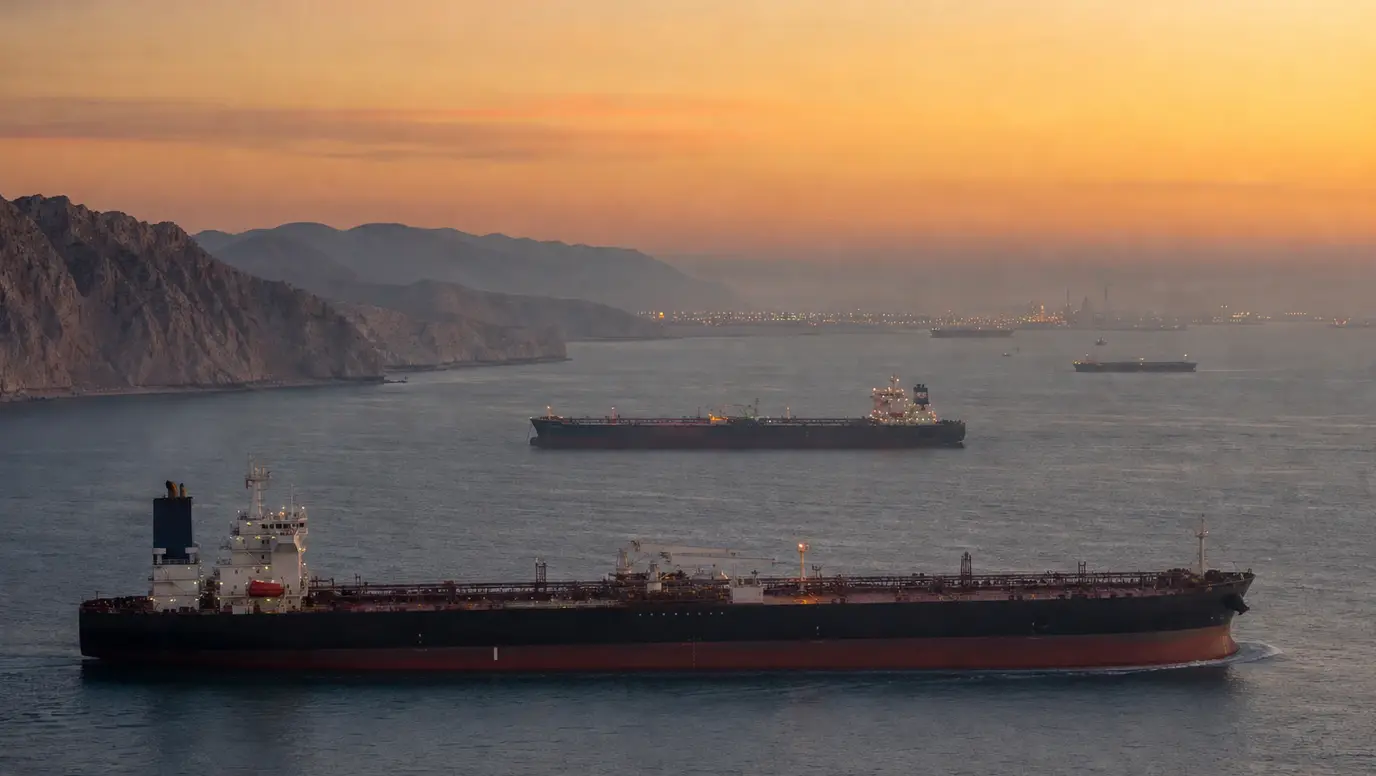
JUNE 29, 2026
Brent Holds Above $72 as Traders Test Fragile Hormuz Reopening
JUNE 28, 2026
WTI Bulls Face Inventory Split as Brent Loses War Premium Before Quarter-End
JUNE 27, 2026
Refinery Strain Keeps Energy Market on Edge as Oil Selloff Meets Fuel Stock Tightness
JUNE 25, 2026
Iraq Quota Threat Puts OPEC Discipline in Focus as Oil War Premium Evaporates
JUNE 24, 2026
Brent Slide Below $77 Turns Oil Market Focus to Inventories and Summer Fuel Demand
JUNE 23, 2026
Brent and WTI Fall Again as Traders Shift From War Premium to Hormuz Flow Checks
JUNE 22, 2026
Oil Risk Premium Fades as Brent and WTI Slide on Fresh U.S.-Iran Talks
JUNE 21, 2026
Brent and WTI Face Inventory Test as Oil Market Shrugs Off Demand-Bearish Forecasts
JUNE 20, 2026
Oil Traders Watch Tanker Flows as Brent Holds Near $80 After Risk-Premium Reset