NOVEMBER 14, 2026
Crude Oil Market Faces OPEC+ Surplus Test as Saudi Supply Rebounds and Hormuz Risk LingersCrude oil traders weigh rising Saudi supply, OPEC+ discipline and lingering Hormuz risk as surplus fears challenge the energy market.

© 1box.site 2026
NOVEMBER 21, 2026
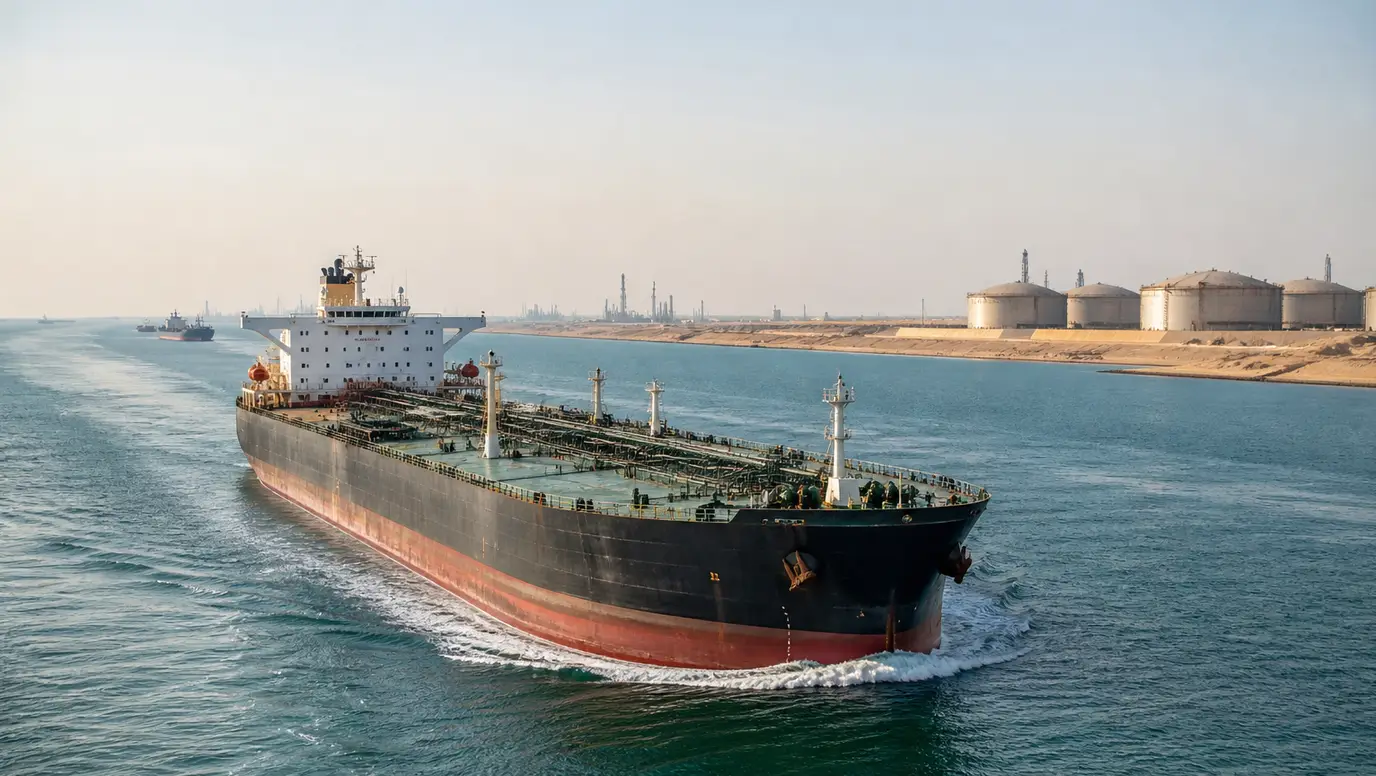
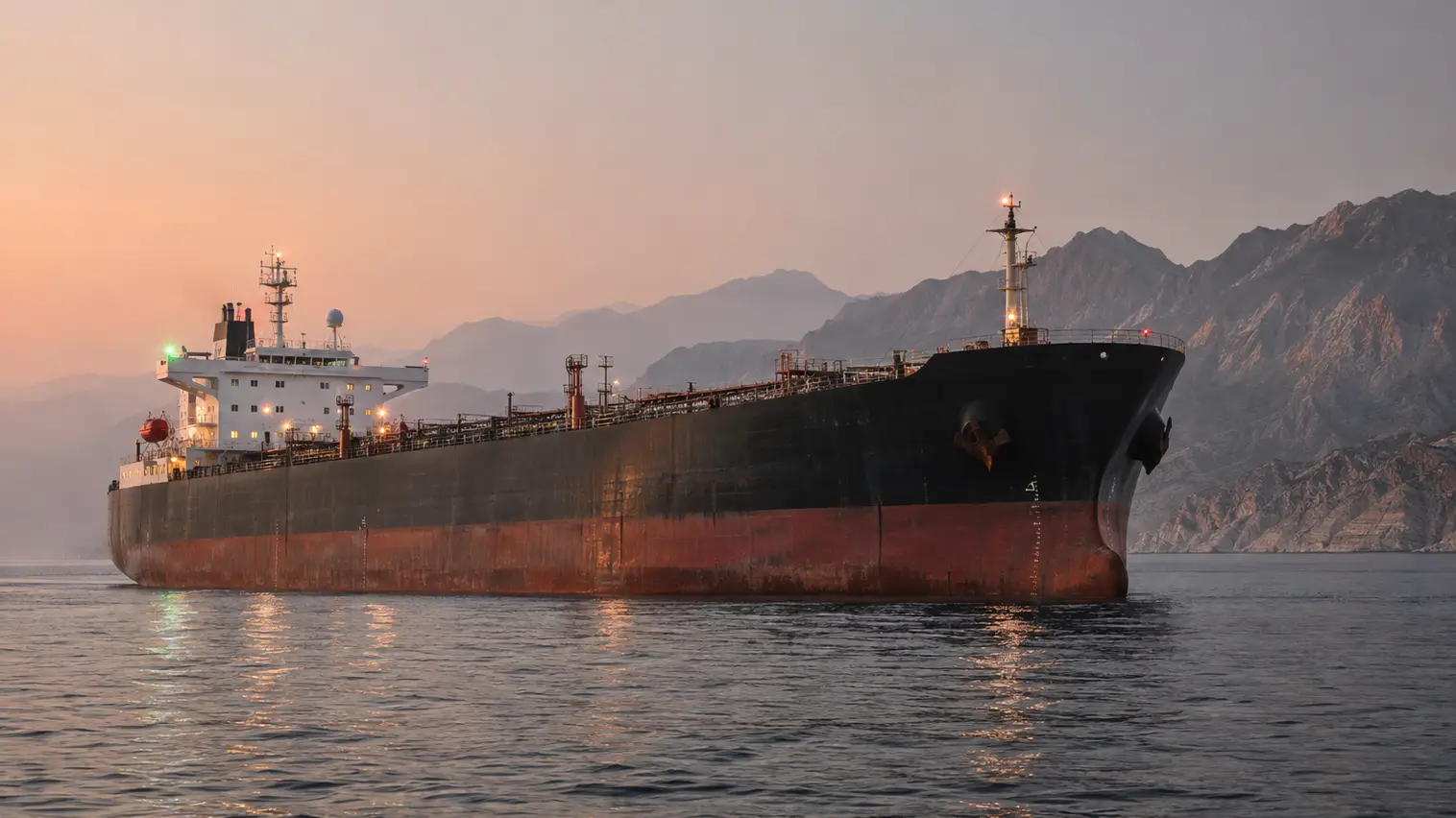
Fresh attacks on tankers near the Strait of Hormuz have renewed concerns about crude oil shipments from the Persian Gulf, putting maritime security back in focus for energy traders ahead of the market reopening.
Two tankers leaving the Gulf were struck by projectiles early on Saturday, November 21, according to British maritime security officials. One was hit at the stern and the other in the engine room. No casualties were reported in those two incidents.
Separately, Iran's navy said a tanker struck a naval mine east of the strait and caught fire. The circumstances of that incident could not immediately be independently confirmed.
The latest incidents follow a period in which crude exports from the Gulf had recovered despite continuing attacks on vessels. That recovery had helped ease some concerns about supply, but the new strikes raise questions about whether shipowners and crews can sustain the pace of transits.
Disruption does not necessarily mean an immediate loss of production. However, damaged vessels may need repairs, while owners could delay voyages or demand higher compensation for the risk. Higher freight and insurance costs can also make delivered oil more expensive even if benchmark prices do not rise by the same amount.
January Brent crude settled at $92.57 a barrel on Friday, up 0.6% on the day but down about 3.4% for the week. The Saturday attacks occurred after that settlement, so the closing price does not reflect traders' response to the new incidents.
Attention will turn to tanker movements, the condition of the affected vessels and any change in diplomatic efforts between Washington and Tehran. A sustained interruption to shipments could tighten supplies available to importers, while continued flows or progress toward an agreement could limit the effect on prices. The outcome remains uncertain.
NOVEMBER 14, 2026
Crude Oil Market Faces OPEC+ Surplus Test as Saudi Supply Rebounds and Hormuz Risk Lingers
NOVEMBER 12, 2026
Brent Crude Oil Whipsaws as Hormuz Risk and US Stockbuild Split Energy Market
NOVEMBER 7, 2026
Brent Crude Oil Holds Near $98 as Strait of Hormuz Risk Offsets Peace Talk Hopes
OCTOBER 20, 2026
WTI Crude Oil Futures Keep Energy Market on Edge as Strait of Hormuz Risk Lifts Premium
OCTOBER 14, 2026
Crude Oil Demand Forecast Cut as Strait of Hormuz Flows Keep Energy Market Tight
OCTOBER 8, 2026
WTI Crude Oil Jumps as Inventory Draw Meets Hormuz Shipping Risk
SEPTEMBER 14, 2026
WTI Oil Rally Extends as Strait of Hormuz Risk Reprices Energy Market
SEPTEMBER 7, 2026
WTI Crude Oil Futures Hold Near Six-Week High as Hormuz Risk Tightens Energy Market
AUGUST 31, 2026
Crude Oil Rally Puts Energy Market Back on Strait Risk Watch
AUGUST 30, 2026
WTI Crude Oil Slips as Hormuz Supply Relief Tests Energy Market Risk Premium
AUGUST 23, 2026
Crude Oil Keeps Strait of Hormuz Premium as Fuel Transit Signals Stir Energy Market
AUGUST 18, 2026
Brent Crude and WTI Oil Rise as Strait of Hormuz Risk Revives Energy Inflation Worries
AUGUST 10, 2026
Strait of Hormuz Delay Lifts Energy Market as Crude Oil Flow Risk Returns
AUGUST 2, 2026
WTI Crude Oil Faces OPEC+ Output Test as Strait of Hormuz Risk Meets Stock Draw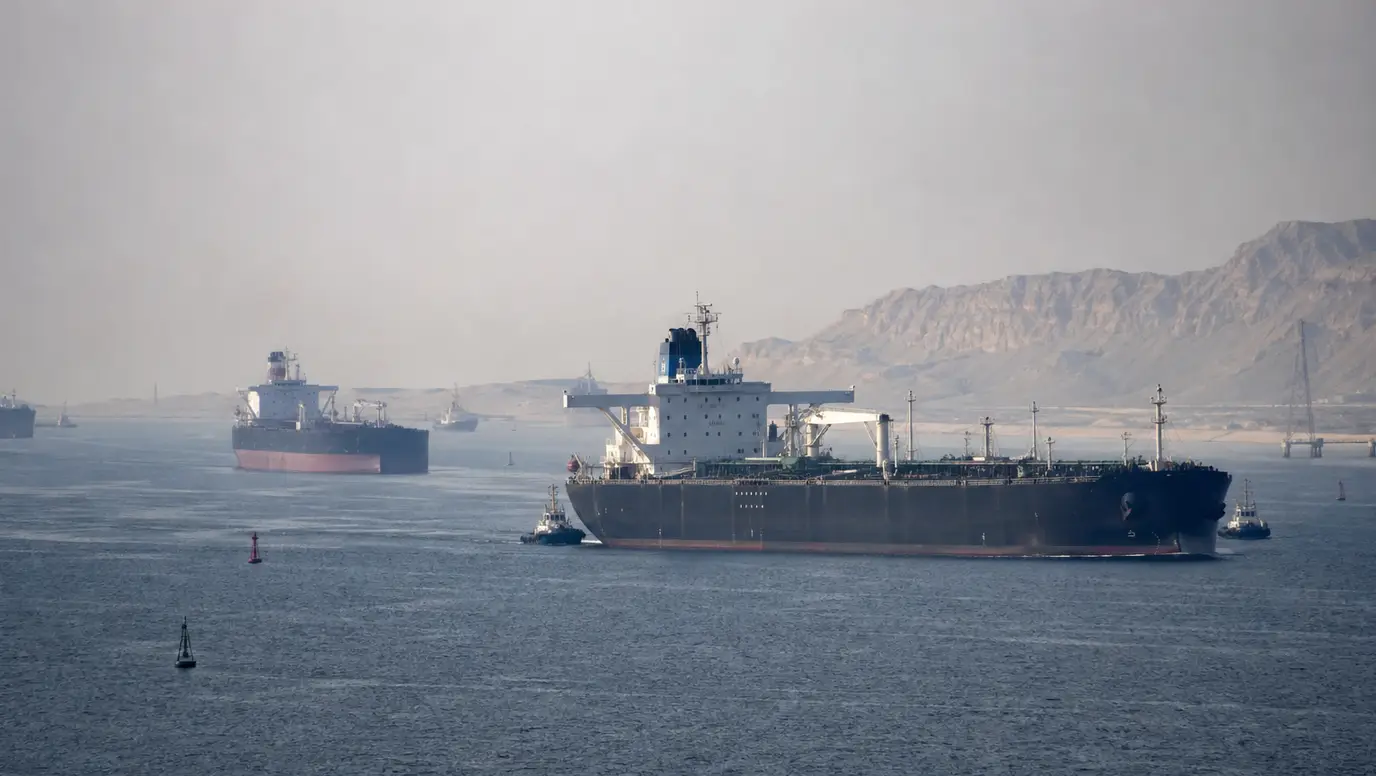
JULY 28, 2026
Strait of Hormuz Flows Keep WTI Crude on Alert as Oil Retreats
JULY 21, 2026
LNG Supply Race Overtakes Oil as Gas Prices Jump on Hormuz Disruption
JULY 20, 2026
Brent Crude Tops $90 as WTI Crude and Oil Prices React to Hormuz Shipment Risk