
OCTOBER 20, 2026
WTI Crude Oil Futures Keep Energy Market on Edge as Strait of Hormuz Risk Lifts PremiumWTI crude oil futures stay firm as Gulf shipping risk and looming U.S. inventory data keep the energy market focused on supply premiums.

© 1box.site 2026

OCTOBER 26, 2026
WTI crude oil moved lower at the start of the week, pulling back from Friday’s settlement above $103 a barrel as traders reassessed whether the latest geopolitical risk premium can hold through a heavy macroeconomic calendar. The retreat does not remove the supply concern that has dominated October, but it suggests the market is becoming more selective after a sharp run-up in prices.
U.S. crude was indicated near the low $100s in early Monday trading after a strong end to last week, when renewed worries over Middle East disruptions helped lift energy prices and pressure broader risk sentiment. The move leaves WTI still elevated by recent standards, but below the panic highs that followed the latest headlines around regional infrastructure and shipping risk.
The key question for the energy market is whether the pullback reflects genuine easing in supply fears or simply profit-taking after an aggressive rally. Traders are still pricing a premium for possible disruption to production, export routes and tanker movement, especially while insurance and freight costs remain sensitive to any sign of escalation.
For refiners and end users, the more important issue is not only the futures price but also the delivered cost of crude. Higher shipping expenses, longer routes and tighter availability of vessels can keep physical barrels expensive even when futures prices ease for a session. That dynamic may limit how much relief consumers ultimately see if crude remains near triple digits.
Inventory expectations are also keeping the downside in check. Recent market forecasts have pointed to tight global balances in the near term, with depleted stockpiles leaving less room for error if supply flows are interrupted again. That backdrop makes the current decline look more like a pause than a confirmed bearish reversal.
The timing of the oil pullback is important because it comes as investors prepare for a Federal Reserve decision later this week. Elevated crude prices complicate the inflation picture, especially if they feed into fuel costs, transport expenses and inflation expectations. Even if policymakers hold rates steady, traders will watch closely for any language suggesting that energy-driven price pressure could delay future easing.
That makes WTI a cross-market signal as much as a commodity trade. If crude stabilizes above $100, equity investors may continue to worry about margins, consumer spending and the inflation outlook. If prices fall decisively below the recent breakout zone, the market could interpret that as relief for risk assets and a softer input-cost environment.
For now, the technical picture remains tense. Bulls will likely focus on whether WTI can hold the $100 area and rebuild momentum toward last week’s high. Bears need a deeper break to show that the geopolitical bid is fading rather than consolidating. Until that happens, energy traders may treat dips as vulnerable to fresh headline risk.
The near-term outlook for WTI crude oil depends on three linked factors: the durability of Middle East supply risk, the reaction of inflation-sensitive markets to this week’s central bank messaging, and evidence of demand resilience at current prices. A calmer geopolitical tone could invite further profit-taking, but any renewed threat to export infrastructure or shipping routes could quickly restore the upside premium.
For energy investors, the market signal is clear: volatility is likely to stay elevated. WTI has eased from its latest surge, but the combination of tight balances, expensive logistics and a major policy week means crude oil remains one of the most important assets to watch across global markets.
OCTOBER 20, 2026
WTI Crude Oil Futures Keep Energy Market on Edge as Strait of Hormuz Risk Lifts Premium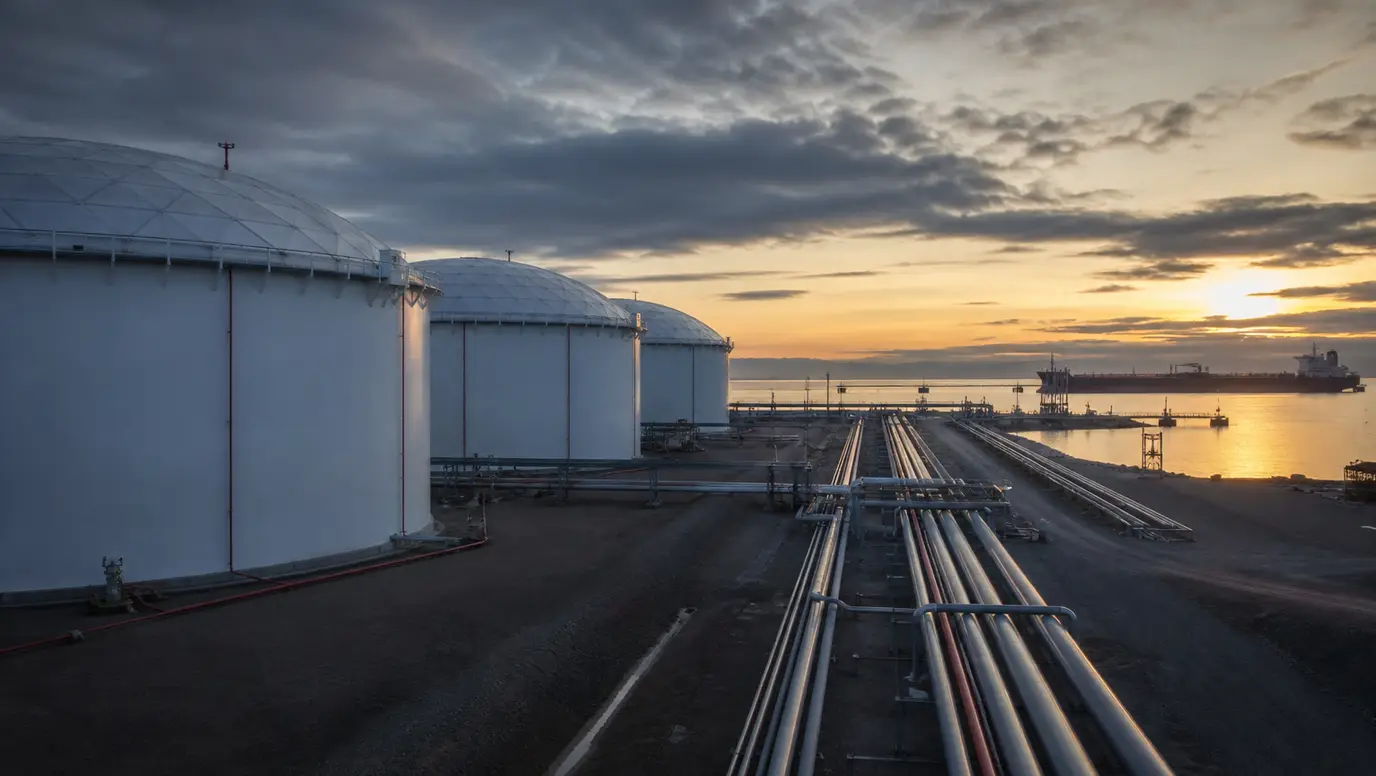
OCTOBER 8, 2026
WTI Crude Oil Jumps as Inventory Draw Meets Hormuz Shipping Risk
SEPTEMBER 30, 2026
WTI Crude Oil Futures Steady as Iran Sanctions Risk Meets Tight Fuel Market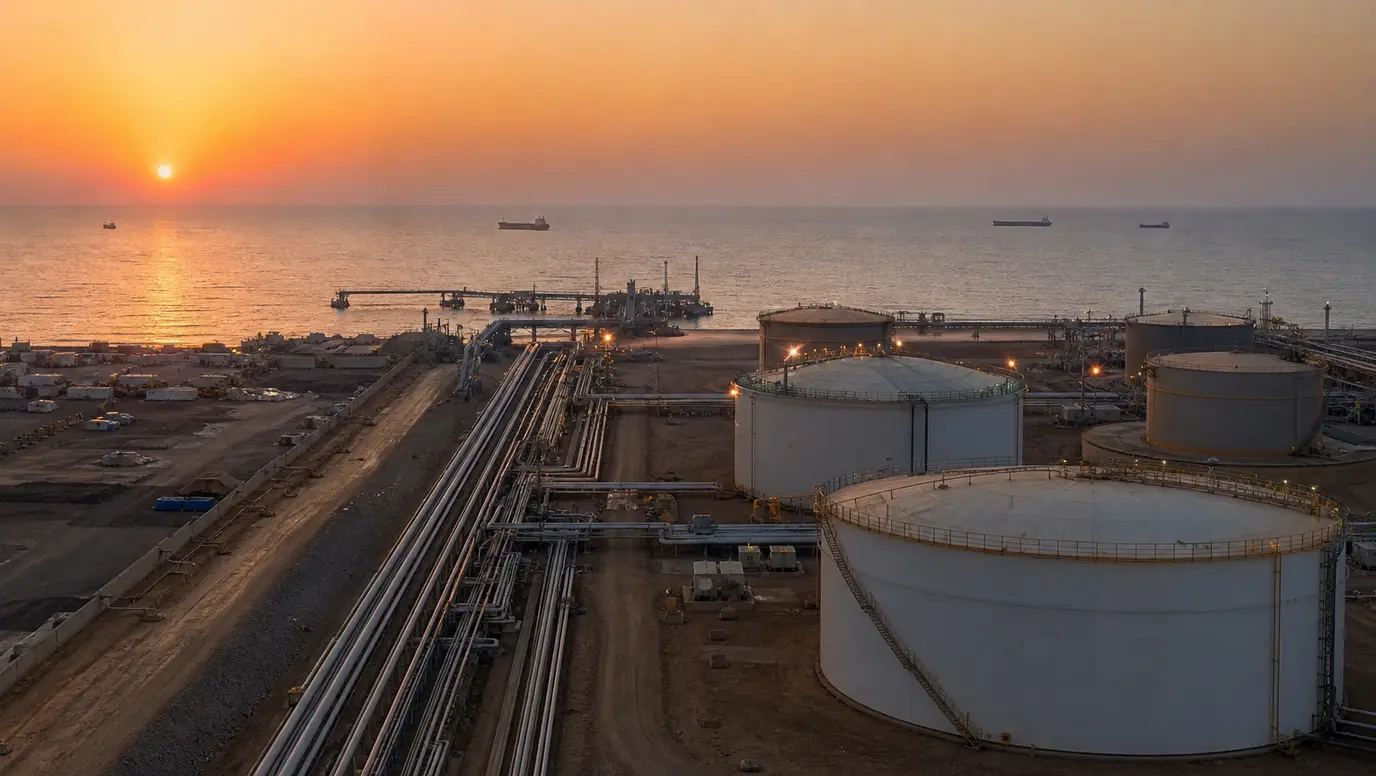
SEPTEMBER 23, 2026
WTI Crude Oil Futures Hold Near Two-Week Low as Gulf Supply Return Tests Fuel Market
SEPTEMBER 22, 2026
Nasdaq Record Leads Indexes as Oil Drop Eases Federal Reserve Yield Pressure
SEPTEMBER 15, 2026
Dow Jones Futures Slide as Oil Shock and Federal Reserve Risk Hit Stock Market
SEPTEMBER 14, 2026
WTI Oil Rally Extends as Strait of Hormuz Risk Reprices Energy Market
SEPTEMBER 9, 2026
Dow Jones Lags as Federal Reserve Bets and Oil Shock Drive Index Rotation
SEPTEMBER 8, 2026
S&P 500 Slips as Oil Surge Puts Indexes on Federal Reserve Inflation Watch
SEPTEMBER 8, 2026
Airline Stocks Drop as Oil Spike Revives Federal Reserve Risk on Wall Street
SEPTEMBER 7, 2026
WTI Crude Oil Futures Hold Near Six-Week High as Hormuz Risk Tightens Energy Market
SEPTEMBER 1, 2026
Wall Street Slips as Oil Spike and Federal Reserve Rate Bets Hit Growth Stocks
AUGUST 30, 2026
WTI Crude Oil Slips as Hormuz Supply Relief Tests Energy Market Risk Premium
AUGUST 18, 2026
Brent Crude and WTI Oil Rise as Strait of Hormuz Risk Revives Energy Inflation Worries
AUGUST 10, 2026
Strait of Hormuz Delay Lifts Energy Market as Crude Oil Flow Risk Returns
AUGUST 2, 2026
WTI Crude Oil Faces OPEC+ Output Test as Strait of Hormuz Risk Meets Stock Draw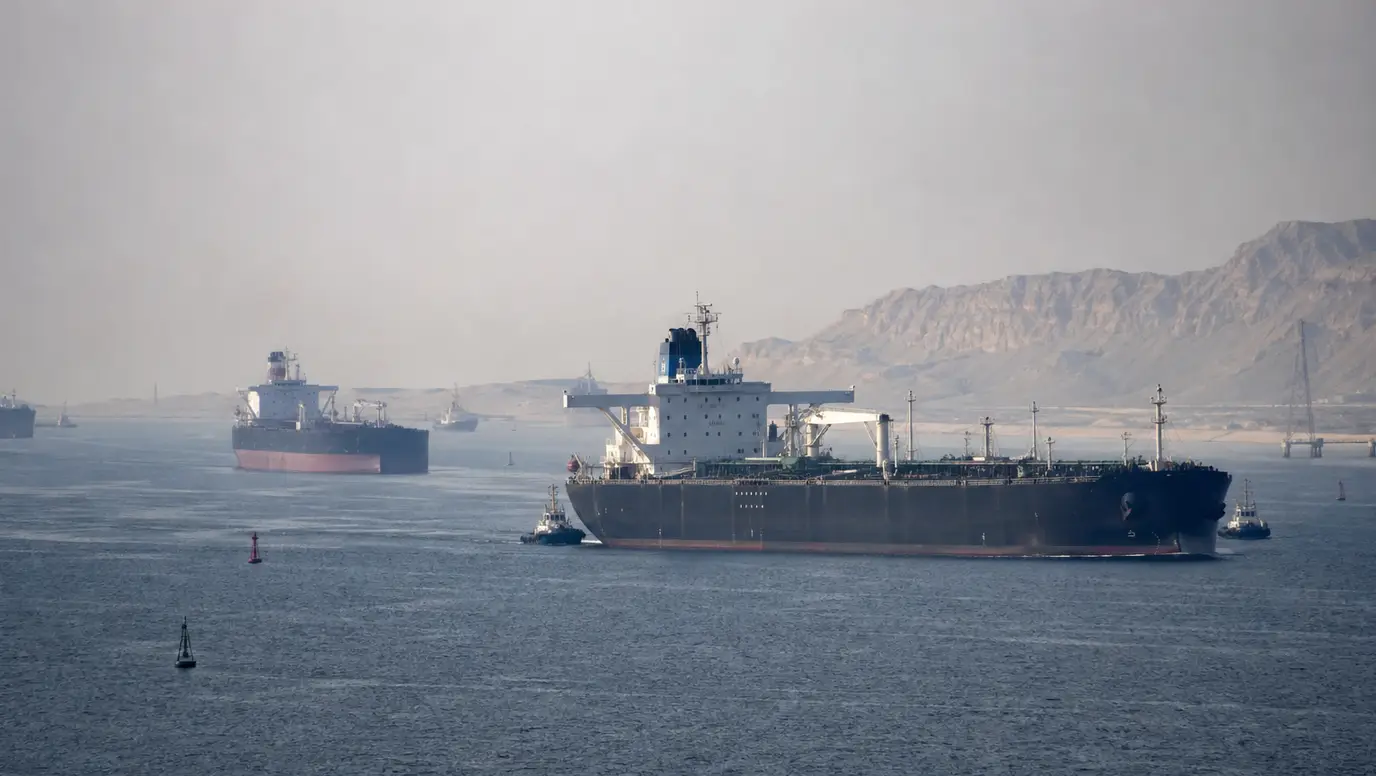
JULY 28, 2026
Strait of Hormuz Flows Keep WTI Crude on Alert as Oil Retreats
JULY 20, 2026
Brent Crude Tops $90 as WTI Crude and Oil Prices React to Hormuz Shipment Risk
JULY 19, 2026
Brent Crude and WTI Crude Rally as Traders Test OPEC+ Supply Cushion
JULY 18, 2026
Brent Crude and WTI Crude Prices Near Weekend Gap Risk as Energy Market Reprices Supply Threat
JULY 17, 2026
Brent Crude and WTI Crude Hold Weekly Gains as Red Sea Threat Offsets US Dollar Rebound
JULY 15, 2026
Brent Crude and WTI Crude Rise as Iran Port Blockade Puts Stockpile Cushion in Focus
JULY 14, 2026
Oil Market Shifts to Bypass Routes as Hormuz Risk Keeps Brent Premium Elevated
JULY 13, 2026
Brent Crude Jumps as Hormuz Escalation Reprices Energy Market Risk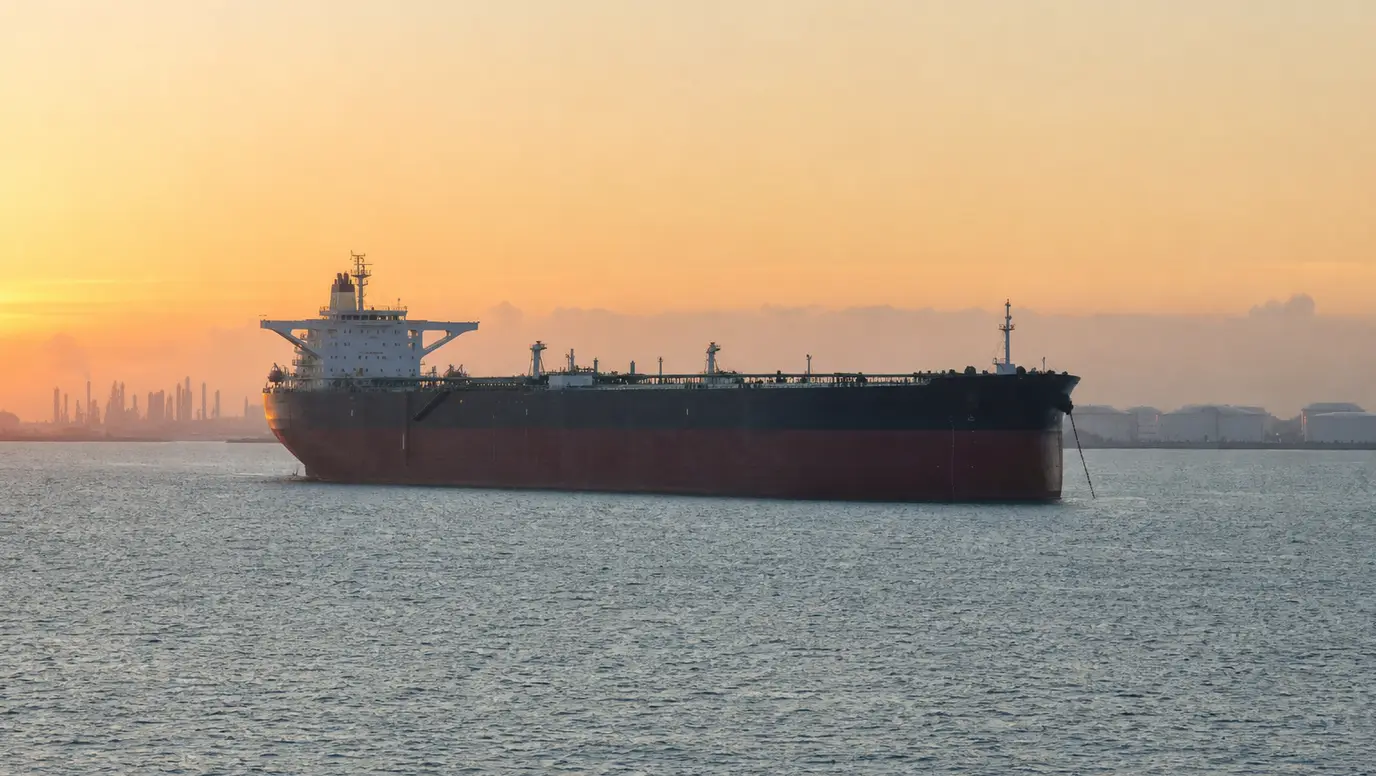
JULY 12, 2026
Crude Oil Faces China Demand Test as Floating Iranian Supply Builds
JULY 11, 2026
Energy Market Watches Tanker Risk as Crude Oil Rally Meets Demand Doubts
JULY 10, 2026
Crude Oil Turns to Glut Risk as OPEC+ Adds August Supply
JULY 9, 2026
Brent Nears $79 as Renewed Gulf Risk Rebuilds Crude Oil Premium
JULY 8, 2026
Crude Oil Faces Mixed Signal as U.S. Stock Build Collides With Fuel Draws
JULY 6, 2026
Crude Oil Slips as Hormuz Flows Normalize and Inventory Test Moves Into View