AUGUST 15, 2026
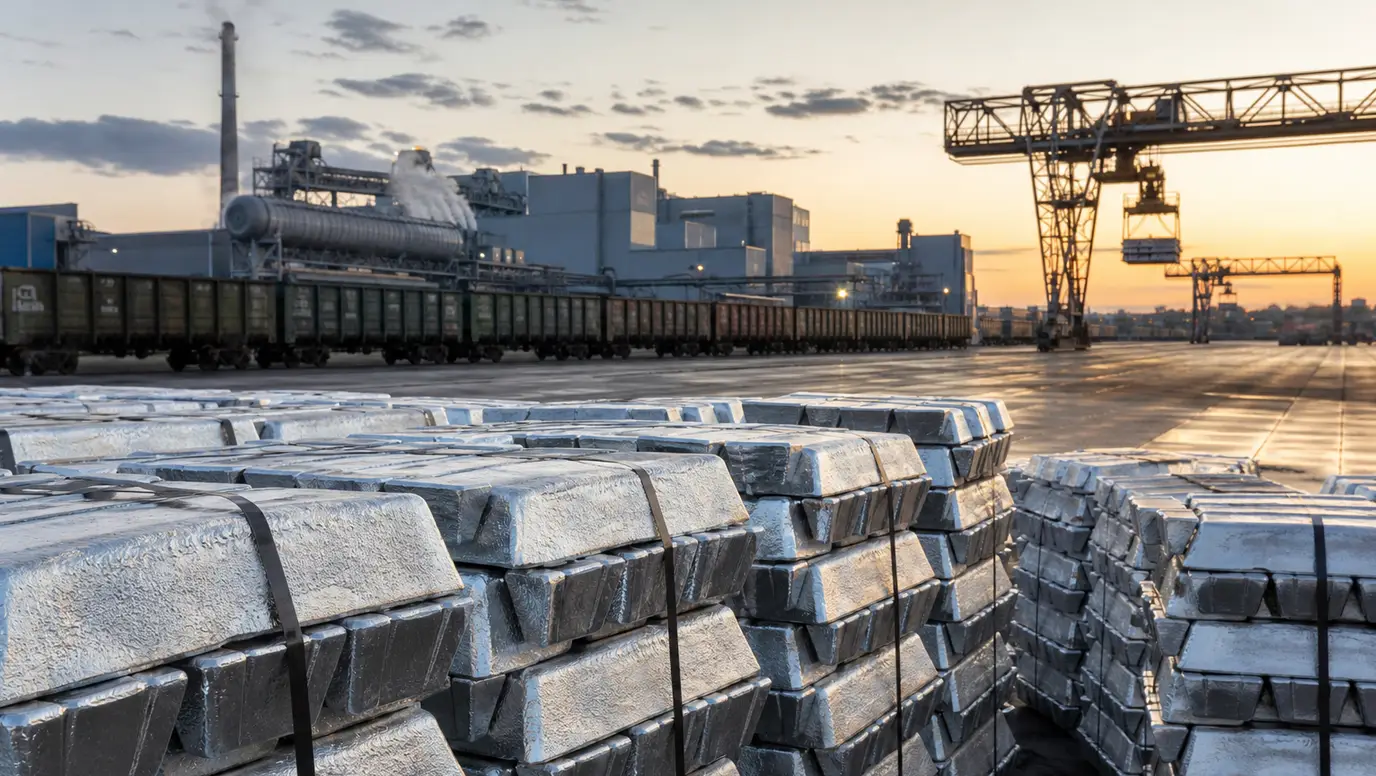
Aluminum Keeps Metals Market on Inventory Watch as China Demand Offsets Tariff RiskAluminum keeps metals traders focused on falling inventories, China demand and tariff risk as supply discipline supports prices.

© 1box.site 2026
AUGUST 23, 2026
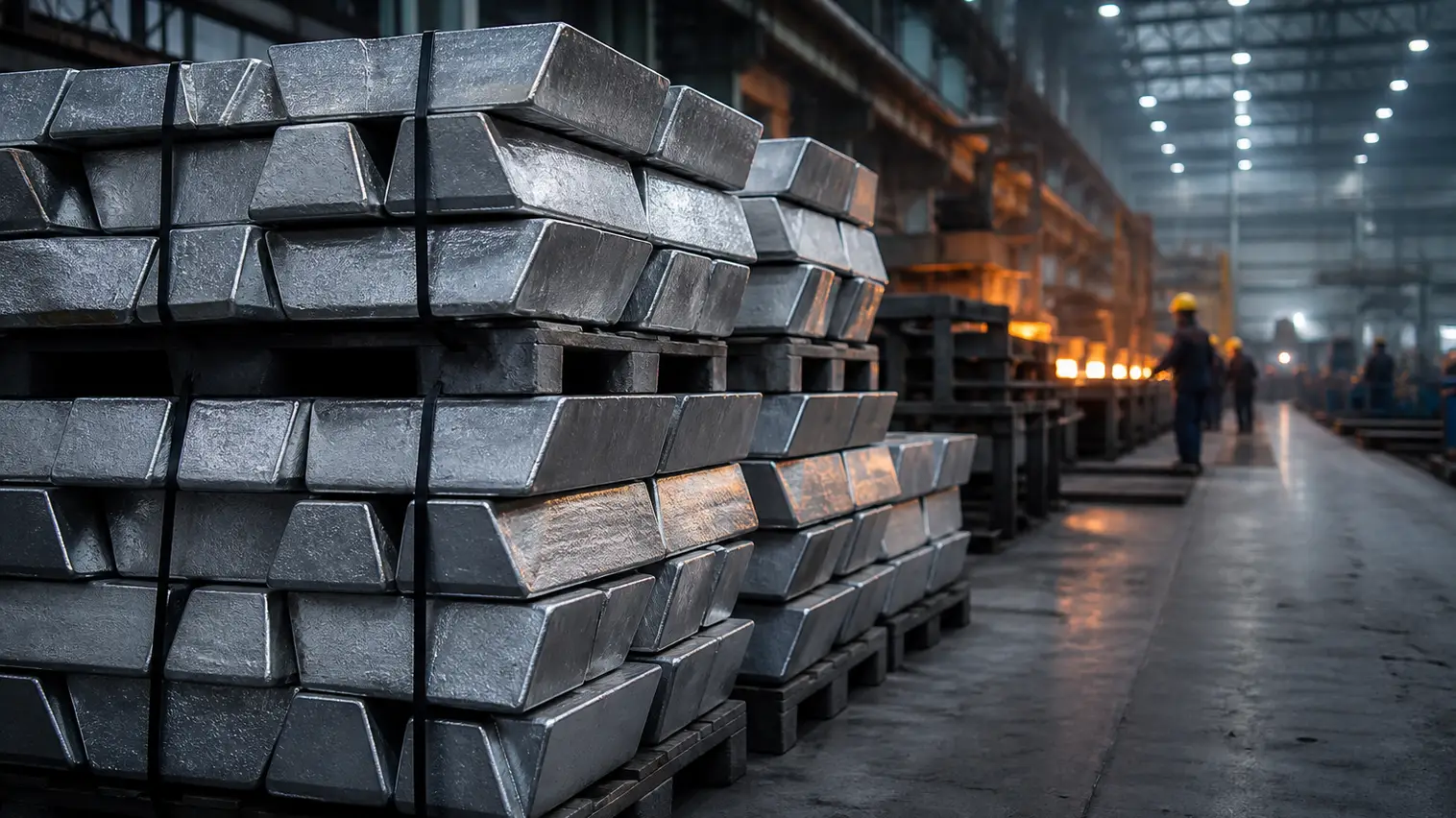
Aluminum has moved into the metals market spotlight as traders balance a sharp drawdown in visible inventories against signs that curtailed smelter capacity is returning faster than previously expected. The base metal’s recent advance has been supported by low exchange stocks, supply-risk premiums and broader interest in industrial commodities, but the next phase may depend on whether physical demand can justify prices that recently traded near multi-week highs.
The latest move is not a simple demand boom story. Much of the buying has reflected concern that the market has less spare inventory to absorb production outages, logistics disruptions or a sudden pickup in orders from transport, packaging, power equipment and construction-linked buyers. At the same time, the prospect of production restarts in the Middle East and new supply from Asia is making traders more cautious about chasing the rally at elevated levels.
Aluminum’s bullish case rests on a thinner visible stock buffer. Exchange-monitored inventories have fallen substantially since the spring, leaving the market more sensitive to any interruption in smelter output or shipping flows. When stocks are low, even moderate physical buying can have an outsized impact on nearby prices because consumers and merchants have less metal available for quick delivery.
That tightening has helped keep cash and three-month aluminum prices supported even as investors debate the strength of global manufacturing activity. A stronger base-metals tape can attract short-covering and momentum accounts, but sustainable gains usually require confirmation from the physical chain: firmer premiums, steady downstream orders and limited signs of restocking fatigue.
The main counterweight is supply. Reports of quicker production normalization at some Middle Eastern smelters have reduced the urgency of the earlier shortage narrative. If more output returns during the second half of August and into September, the market could see the supply-risk premium unwind, particularly if buyers step back after covering near-term needs.
China remains another important swing factor. Higher international aluminum prices can encourage exports and improve the incentive for capacity utilization, while softer domestic demand can push more metal toward external markets. That creates a two-sided setup: low inventories support dips, but any evidence of faster supply recovery may limit breakouts.
The macro environment is also shaping aluminum sentiment. Softer inflation signals have eased some concerns about tighter financial conditions, which can help industrial metals by lowering pressure from the dollar and rate-sensitive risk assets. However, aluminum is still a cyclical metal, so investors will remain focused on factory data, construction indicators, power costs and credit conditions across major consuming regions.
For the metals market, aluminum now offers a cleaner test than precious metals: can tight supply optics keep prices elevated if end-user demand is not clearly accelerating? If inventories continue to decline and restarts disappoint, buyers may defend higher ranges. If smelter supply improves and downstream orders remain uneven, the recent rally could shift into consolidation rather than a new leg higher.
AUGUST 15, 2026
Aluminum Keeps Metals Market on Inventory Watch as China Demand Offsets Tariff Risk
AUGUST 4, 2026
Aluminum Premium Squeeze Keeps Metals and Commodities Traders Focused on U.S. Tariffs
JULY 29, 2026
Aluminum Stockpile Drain Puts Metals and Commodities on Premium Watch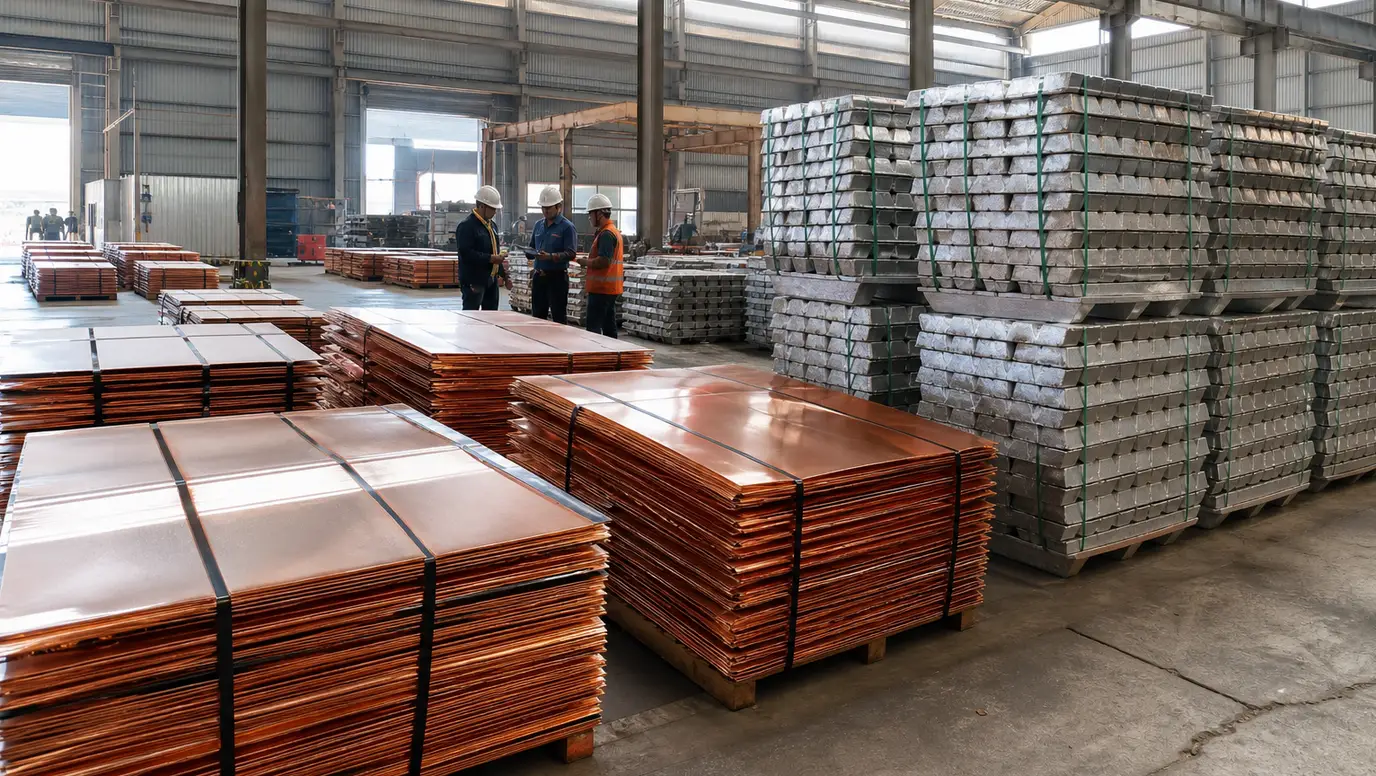
JULY 9, 2026
Copper Retreats as Gulf Tension Turns Base Metals Toward Demand Risk
JULY 3, 2026
Aluminum and Copper Rebound as Softer Dollar Revives Base Metals Demand