
SEPTEMBER 11, 2026
Diesel Fuel Shock Puts Oil Market on Freight Inflation WatchDiesel fuel prices intensify energy market inflation risk as freight, refinery margins and oil supply fears keep traders defensive.

© 1box.site 2026

JULY 30, 2026
Distillate fuel has moved back to the center of the energy market as traders weigh Russian export restrictions against tight U.S. diesel inventories and stronger year-on-year demand. The latest U.S. weekly petroleum data showed distillate fuel stocks rising by 1.1 million barrels in the week ended July 24, 2026, but inventories still stood about 10% below the five-year seasonal average, leaving little room for fresh supply disruption.
The tightness is most visible on the East Coast, where distillate stocks fell to 22.1 million barrels, down 16.4% from a year earlier. That regional draw matters because the East Coast is more exposed to import economics, winter heating oil positioning and seaborne product flows than the Gulf Coast refining hub.
New York Harbor ultra-low sulfur diesel climbed to $4.233 per gallon on July 24, up from $4.088 a week earlier and sharply above the year-earlier level. The national average on-highway diesel price also rose to $5.313 per gallon on July 27, adding cost pressure for trucking, agriculture, rail logistics and construction.
Refiners are running hard, with U.S. refinery utilization at 97.2% in the latest week and distillate fuel production averaging 5.4 million barrels per day. Even so, the market is treating the inventory build cautiously because four-week distillate product supplied was up 4.7% from the same period last year, suggesting that demand is absorbing additional refinery output.
Russia’s decision to extend petrol export restrictions until the end of 2026 has reinforced concern that domestic fuel stress could limit broader product availability. Officials have indicated that diesel export limits may be eased only as the domestic market recovers, keeping traders focused on refinery operations, logistics and the timing of any return of Russian barrels to export channels.
The backdrop remains sensitive after repeated attacks on Russian energy infrastructure this year. Russia’s crude processing in June was reported to have fallen 25% from a year earlier to 3.95 million barrels per day, while gasoline production was also materially lower. Even if diesel exports are not permanently shut, the market is assigning a higher risk premium to refined products because repairs and internal fuel redistribution can take weeks.
The key signal for distillate fuel will be whether U.S. inventories can keep building while diesel demand stays firm. A sustained rise in Gulf Coast stocks could cool the premium, but continued East Coast weakness would keep heating oil and diesel cracks supported, particularly as buyers begin to look beyond summer driving demand toward autumn logistics and winter fuel needs.
For the broader energy market, distillate fuel is now carrying a message that crude alone may not capture. High refinery runs are helping supply, but low seasonal inventories, firm end-user demand and uncertain Russian export policy leave diesel exposed to sudden price swings. That makes distillate one of the most important refined-product benchmarks for commodities traders heading into August.
SEPTEMBER 11, 2026
Diesel Fuel Shock Puts Oil Market on Freight Inflation Watch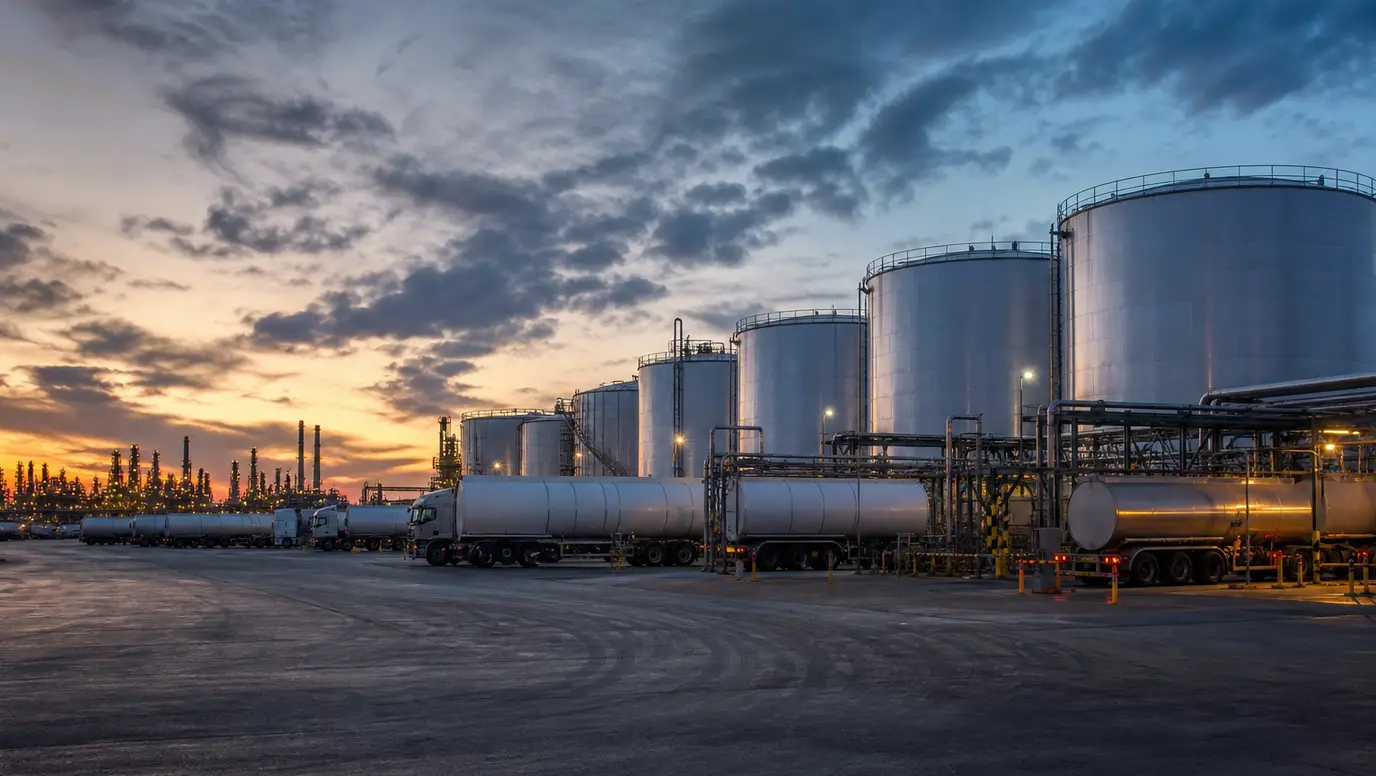
SEPTEMBER 10, 2026
Distillate Fuel Rally Spreads to Gasoline as Refinery Outages Tighten Energy Market
SEPTEMBER 4, 2026
Diesel Fuel Record Puts Energy Market on Transport Inflation Watch
SEPTEMBER 1, 2026
Distillate Fuel Rally Tightens Energy Market as Diesel Stocks Sink
AUGUST 26, 2026
Distillate Fuel Draw Puts Energy Market on Diesel Supply Watch
AUGUST 20, 2026
Distillate Fuel Draw Puts Energy Market on Diesel Margin Watch as Crude Oil Stocks Build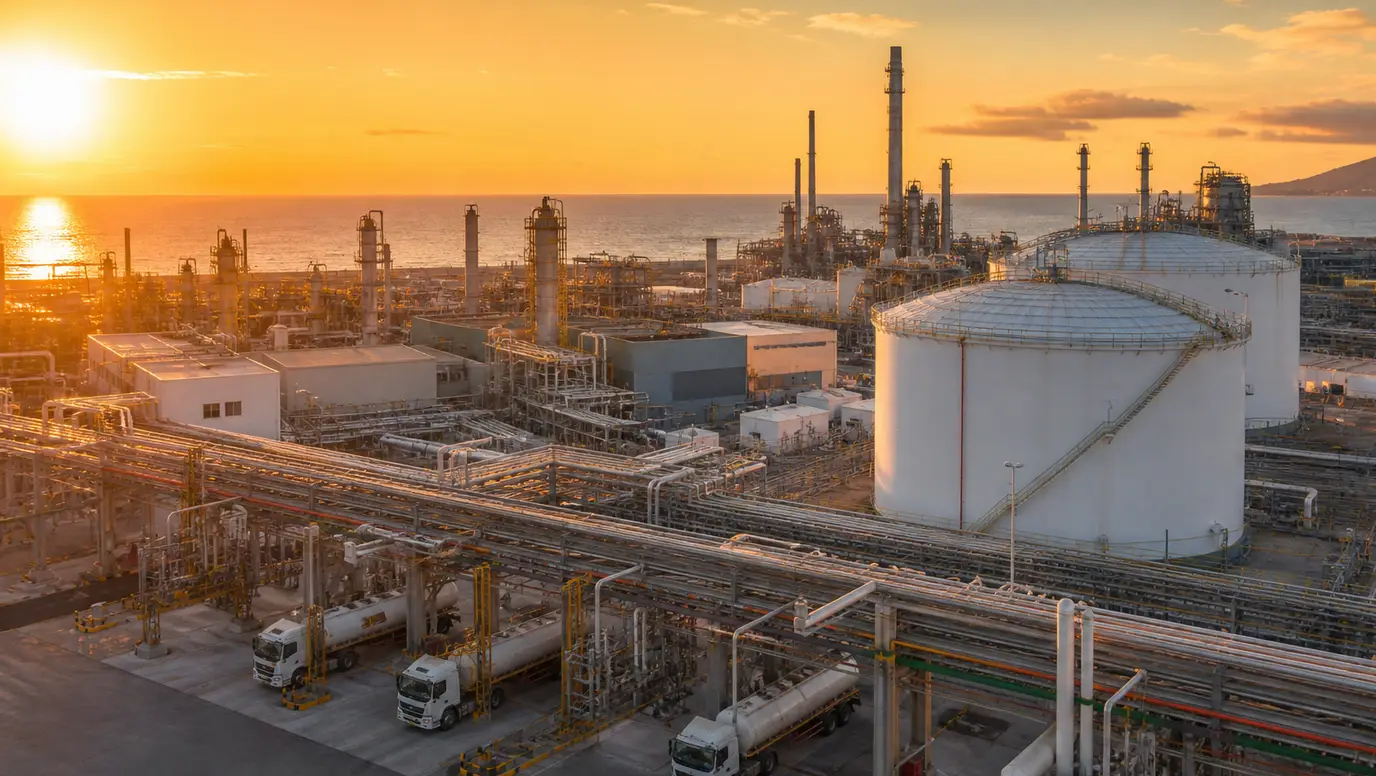
AUGUST 17, 2026
Gasoline Draw Keeps Energy Market Focus on Refinery Run and Fuel Demand
AUGUST 9, 2026
Gasoline and Distillate Fuel Draws Tighten Energy Market as Refinery Runs Stay High
AUGUST 4, 2026
Gasoline and Distillate Fuel Stay on Edge as OPEC+ Oil Supply Hike Tests Refining Market
JULY 22, 2026
Crude Oil, Gasoline and Distillate Builds Cool Rally as U.S. Refineries Run Hot