
JUNE 10, 2026
S&P 500 Futures Trim CPI Losses as Nasdaq Stays Exposed to AI Valuation ResetS&P 500 and Nasdaq futures trim CPI-driven losses as softer core inflation eases rate fears, but AI valuation risk keeps index breadth in focus.

© 1box.site 2026

JUNE 10, 2026
Metals came under renewed pressure on Wednesday, June 10, as silver led a broad precious-metals retreat and copper slid to a three-week low, leaving traders focused on the collision between interest-rate risk and weakening growth signals.
The move extended a difficult stretch for the complex after stronger U.S. labor data revived concern that the Federal Reserve may keep policy restrictive for longer, or even retain a tightening bias if inflation proves sticky. That backdrop has raised the opportunity cost of holding non-yielding assets such as gold and silver, while also making cyclical metals more sensitive to any slowdown in manufacturing demand.
Silver carried the heaviest selling pressure in precious metals, with futures in Asia posting sharp losses after an overnight decline in global trading. Gold also weakened, with the most active U.S. contract briefly slipping below the $4,200-per-ounce area intraday, a level watched by short-term traders after the metal failed to hold a haven bid during recent geopolitical stress.
The failure of gold to rally on risk headlines is important for the wider metals market. It suggests investors are still prioritizing the real-rate channel over safe-haven demand. When Treasury yields remain firm and the U.S. dollar is not decisively weakening, gold and silver can struggle even when geopolitical uncertainty would normally draw defensive flows.
Silver faces an additional challenge because it trades as both a precious metal and an industrial input. That dual identity can amplify downside moves when investors cut exposure to rate-sensitive assets at the same time that demand expectations for electronics, solar equipment and other industrial uses are being questioned.
Copper’s decline to a three-week low showed that growth anxiety is becoming a bigger driver than inventory tightness. The red metal has been supported for much of the year by supply concerns, energy-transition demand and tariff-related positioning, but Wednesday’s price action indicated that traders are increasingly unwilling to ignore softer signals from the real economy.
Weakness in China-linked demand indicators added to the caution. Fresh auto-sector data pointed to a year-on-year decline in retail passenger-vehicle sales for May, reinforcing worries that one of the world’s largest metals-consuming economies is not yet delivering the demand impulse bulls want to see. For copper, aluminum, zinc and nickel, that matters because China remains central to marginal consumption and inventory flows.
Base metals were broadly softer, with aluminum, zinc, nickel and tin also under pressure in parts of the session. The decline was not uniform, and some contracts found support near intraday lows, but the tone across the complex was defensive rather than opportunistic.
The next test for metals is whether inflation data and central-bank messaging confirm or challenge the market’s hawkish repricing. A cooler inflation trend would help ease pressure on gold and silver by reducing the threat of higher real yields. A firmer reading, however, could keep sellers in control and increase the risk of another technical flush in precious metals.
For copper and other industrial metals, the focus is shifting toward demand confirmation. Tight supply can support prices over longer horizons, but short-term rallies are harder to sustain when investors are questioning global growth, construction activity and factory demand. If Chinese stimulus expectations rise or inventory draws accelerate, copper could stabilize quickly. Without that support, the market may continue to treat rallies as selling opportunities.
Overall, Wednesday’s session showed a metals market under pressure from both sides of the macro ledger: precious metals are being weighed down by rate risk, while base metals are being pulled lower by growth concerns. Until one of those pressures eases, volatility is likely to stay elevated across gold, silver and copper.
JUNE 10, 2026
S&P 500 Futures Trim CPI Losses as Nasdaq Stays Exposed to AI Valuation Reset
JUNE 10, 2026
Dollar Eases as In-Line CPI Cools Fed Hike Premium in Forex Market
JUNE 10, 2026
S&P 500 Slips as Hot CPI Tests AI-Led Stock Market Rally
JUNE 9, 2026
Gold Stabilizes Before CPI as Rate-Hike Risk Keeps Metals Rebound in Check
JUNE 9, 2026
Dow Leads as S&P 500 Nears Record and Nasdaq Recovery Loses Speed
JUNE 9, 2026
Dollar Slips as Euro Finds Relief and Yen Stays Under Pressure
JUNE 8, 2026
Nasdaq-Led Rebound Lifts Index Market as Oil Shock Keeps Risk Appetite Capped
JUNE 8, 2026
Gold Loses Haven Bid as Copper Tariff Premium Splits Metals Market
JUNE 8, 2026
Dollar Holds High Ground as CPI Countdown Resets Forex Market Risk
JUNE 8, 2026
Chip Rebound Pulls Stock Market Higher as AI Dip Buyers Return
JUNE 7, 2026
Index Market Faces Concentration Test After Tech Selloff Breaks Record Run
JUNE 6, 2026
Yen Intervention Risk Takes Over Forex Market as Dollar Rally Clears 160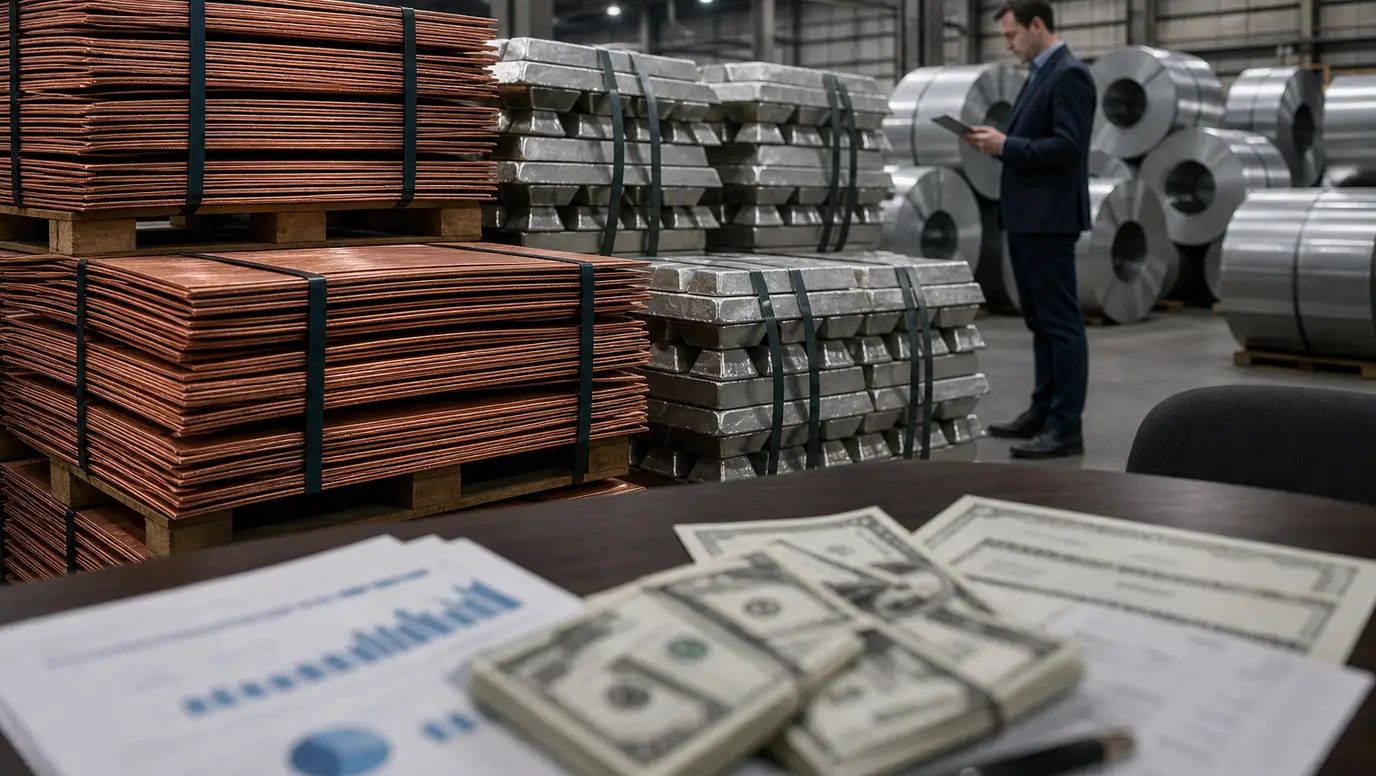
JUNE 6, 2026
Copper Stockpiling Keeps Metals Market on Edge as Dollar Pressure Hits the Complex
JUNE 6, 2026
Nasdaq Slide Turns Index Market From Record Chase to Weekend Risk Test
JUNE 6, 2026
Chip Rout Turns AI Trade Into Wall Street’s New Weekend Risk
JUNE 5, 2026
S&P 500 Winning Streak Wobbles as Payroll Beat Lifts Yields
JUNE 5, 2026
Gold Leads Metals Lower as Hot Payrolls Revive Rate-Risk Trade
JUNE 5, 2026
Strong Jobs Data Puts Stock Market Rally on Yield Watch as AI Leaders Slip
JUNE 5, 2026
Hot Payrolls Put Dollar Back in Charge as Forex Market Cuts Fed Easing Bets
JUNE 4, 2026
Dow Rotation Splits Index Market as Nasdaq AI Leaders Lose Steam
JUNE 4, 2026
Dollar Safe-Haven Bid Puts Yen Intervention Risk Back in Forex Focus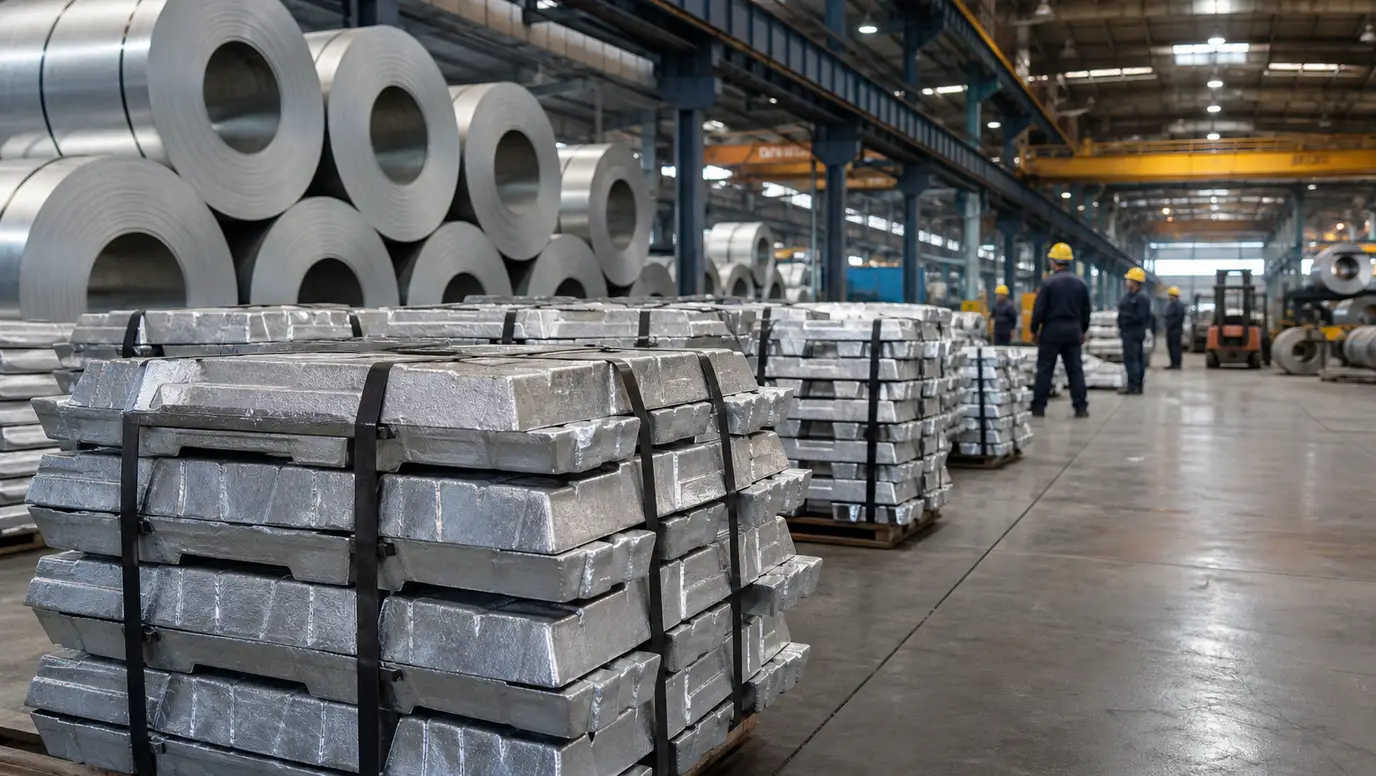
JUNE 4, 2026
Zinc Breakout Moves to Center of Metals Market as Copper Rally Cools
JUNE 3, 2026
Dow Leads Index Pullback as Oil Rebound Tests Wall Street Records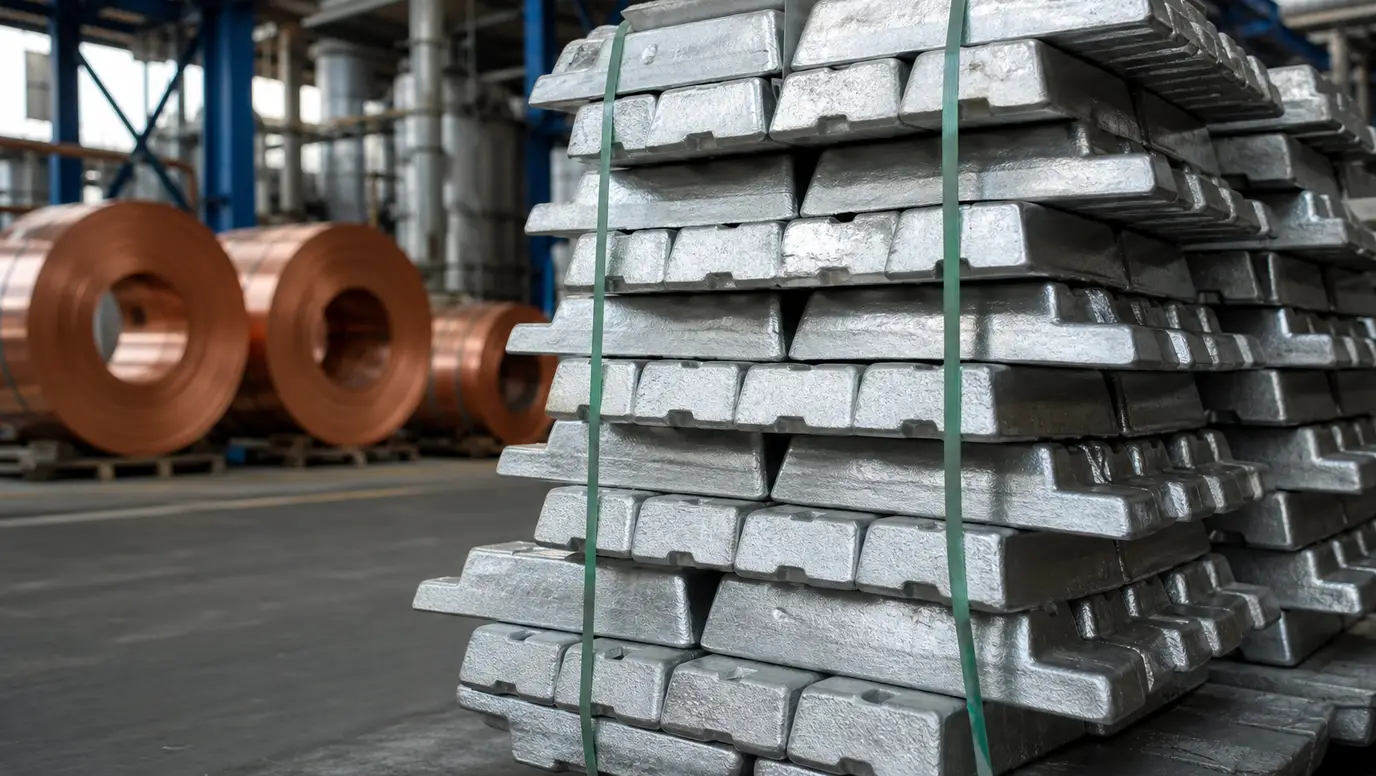
JUNE 3, 2026
Aluminum Squeeze Takes Lead in Metals Market as Low Stocks Lift Premiums
JUNE 3, 2026
Dollar Rebound Faces Services PMI Test as Forex Traders Reprice Payrolls Week
JUNE 3, 2026
Stock Market Turns Selective as AI Earnings and Defensive Winners Split the Tape
JUNE 2, 2026
Index Rally Faces Fed Test After Job Openings Jump to 7.6 Million
JUNE 2, 2026
Dollar Holds Its Ground After JOLTS Surprise as Euro and Yen Face Separate Tests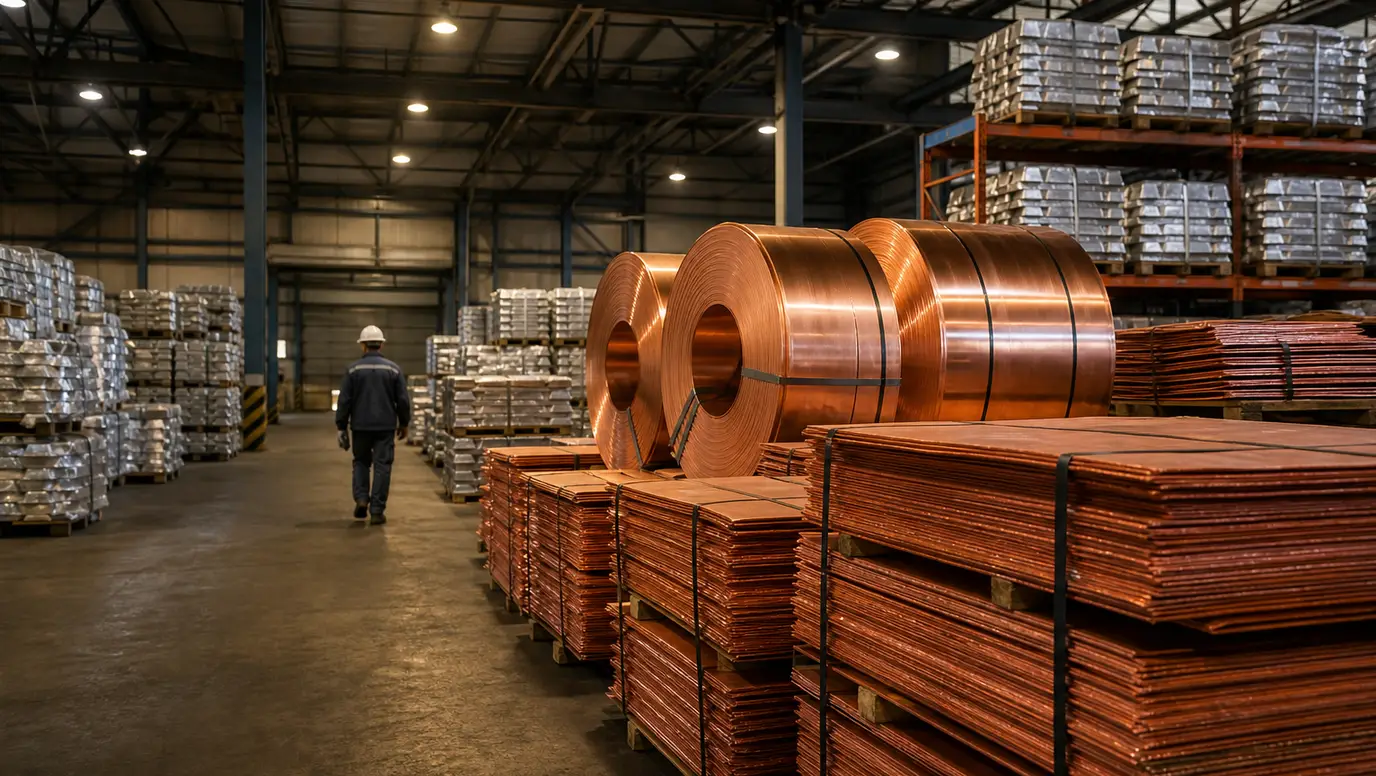
JUNE 2, 2026
Copper Tariff Premium Leads Metals Market as Gold Waits for Jobs Data
JUNE 1, 2026
Wall Street Records Hold as Oil Shock Tests Index Rally at Start of Jobs Week