
JUNE 9, 2026
Dollar Slips as Euro Finds Relief and Yen Stays Under PressureThe dollar eased from recent highs as haven demand cooled, but CPI risk and Fed rate expectations kept pressure on the euro and yen.

© 1box.site 2026

JUNE 9, 2026
Gold steadied on Tuesday as the metals market tried to recover from a sharp loss of momentum, but the rebound remained cautious ahead of U.S. inflation data that could reset expectations for the Federal Reserve’s next move.
Spot gold traded modestly higher near $4,340 an ounce in European dealing, recovering after the previous session pushed bullion to its weakest level since late March. The move was not strong enough to erase the broader pressure from rising real-rate concerns, a firmer policy outlook and fading demand for havens after a pullback in oil prices reduced the immediate inflation shock from geopolitical risk.
The market’s tone has shifted from crisis protection to policy sensitivity. Lower crude prices eased one channel of inflation anxiety, but traders remained reluctant to rebuild large gold positions before the May consumer price index release on June 10 and producer price data on June 11. Those reports arrive before the June 17 Federal Reserve meeting, making this week’s data a decisive test for precious metals.
Gold’s problem is not simply the dollar or day-to-day risk appetite. The bigger issue is that investors are again weighing whether inflation is sticky enough to keep U.S. rates higher for longer, or even bring another rate increase back into the discussion later this year.
That matters because gold offers no yield. When Treasury yields rise or traders expect a more restrictive central bank, the opportunity cost of holding bullion increases. This week, that relationship has become more important than traditional safe-haven demand, especially after gold fell below a widely watched long-term moving average and failed to regain it decisively.
Interest-rate futures indicated that traders were assigning a meaningful probability to a U.S. rate increase by December. That pricing kept the upside in gold limited even as bargain hunting appeared after the two-day decline. For bullion bulls, a softer inflation reading would be needed to weaken that rate-hike narrative and restore the case for a stronger recovery.
A hotter CPI print would likely do the opposite. It could lift Treasury yields, support the U.S. dollar and put renewed pressure on gold, particularly if technical traders treat the recent break lower as confirmation that momentum has turned. In that scenario, rallies may continue to be sold until the market sees clearer evidence that inflation is cooling.
Other precious metals performed better than gold in the session, with silver, platinum and palladium all moving higher. Silver rose more firmly than gold, reflecting its dual role as both a precious metal and an industrial input. Platinum and palladium also gained, helped by short-term positioning and attempts to rebuild exposure after recent volatility.
Still, the broader metals market remains split. Precious metals are being pulled between haven demand and rate pressure, while industrial metals continue to trade on supply constraints, Chinese demand signals and expectations for infrastructure and power-grid spending. That divergence has made it harder for investors to treat the metals complex as one single macro trade.
Copper remains a key reference point for the base-metals side of the market. Prices have stayed historically elevated this year as traders monitor tight mine supply, refined metal availability and demand tied to electrification, data centers and grid investment. Even so, copper’s strength has not been enough to fully shield precious metals from the drag of higher-rate expectations.
Aluminum and zinc have also retained support from cost pressure and supply discipline, but they are more exposed to shifts in manufacturing demand. For investors, the result is a metals market where selection matters: gold is trading as a policy-sensitive asset, silver is balancing monetary and industrial drivers, and base metals are responding more directly to physical supply-demand conditions.
The next move for gold is likely to depend on whether the incoming inflation data confirms or challenges the market’s renewed rate concerns. A softer reading could weaken the dollar, pull yields lower and give gold room to repair the recent technical damage. A stronger reading could reinforce the view that the Federal Reserve has little room to turn dovish, keeping pressure on bullion.
For now, the metals market is not signaling a broad risk-on recovery. It is showing a cautious pause before a major macro catalyst. Gold has stabilized, but the recovery lacks conviction while the dollar, Treasury yields and Fed expectations remain the dominant forces.
That leaves traders focused on levels rather than narratives. Holding above the latest lows would help prevent a deeper liquidation phase, while a sustained move back above key technical resistance could indicate that the CPI risk has been absorbed. Until then, gold’s bounce looks more like a defensive stabilization than the start of a clear bullish reversal.
JUNE 9, 2026
Dollar Slips as Euro Finds Relief and Yen Stays Under Pressure
JUNE 8, 2026
Gold Loses Haven Bid as Copper Tariff Premium Splits Metals Market
JUNE 8, 2026
Bitcoin Rebound Puts Crypto Market Back on Support Watch After Weekend Liquidations
JUNE 8, 2026
Dollar Holds High Ground as CPI Countdown Resets Forex Market Risk
JUNE 7, 2026
Tin Slump Takes Lead in Metals Market as Silver Import Curbs Tighten Physical Trade
JUNE 6, 2026
Yen Intervention Risk Takes Over Forex Market as Dollar Rally Clears 160
JUNE 6, 2026
Copper Stockpiling Keeps Metals Market on Edge as Dollar Pressure Hits the Complex
JUNE 5, 2026
Gold Leads Metals Lower as Hot Payrolls Revive Rate-Risk Trade
JUNE 5, 2026
Hot Payrolls Put Dollar Back in Charge as Forex Market Cuts Fed Easing Bets
JUNE 5, 2026
LNG Demand and Summer Power Burn Put Natural Gas Back at the Center of Energy Market Trade
JUNE 4, 2026
Dollar Safe-Haven Bid Puts Yen Intervention Risk Back in Forex Focus
JUNE 4, 2026
Zinc Breakout Moves to Center of Metals Market as Copper Rally Cools
JUNE 3, 2026
Aluminum Squeeze Takes Lead in Metals Market as Low Stocks Lift Premiums
JUNE 3, 2026
Dollar Rebound Faces Services PMI Test as Forex Traders Reprice Payrolls Week
JUNE 2, 2026
Dollar Holds Its Ground After JOLTS Surprise as Euro and Yen Face Separate Tests
JUNE 2, 2026
Copper Tariff Premium Leads Metals Market as Gold Waits for Jobs Data
JUNE 1, 2026
Dollar Finds Support as Oil Risk and Payrolls Week Reset Forex Trade
JUNE 1, 2026
Gold Slips as Platinum, Silver and Copper Keep Metals Trade Split
MAY 31, 2026
EUR/USD Faces June Data Test as Dollar Traders Shift From PCE to Payrolls
MAY 31, 2026
Copper Premium Keeps Metals Market Active as Gold Turns to June Jobs Data
MAY 30, 2026
Yen Intervention Tally Puts Dollar Bulls on Notice as Forex Market Enters June
MAY 30, 2026
Silver Holds the Spotlight as Month-End Metals Trade Splits After Inflation Data
MAY 29, 2026
Gold Rebounds as Softer Yields Lift Metals, While Copper Holds Monthly Advance
MAY 29, 2026
Dollar Softens as Cooler Core PCE and Easing Haven Demand Shift Forex Focus to Euro and Yen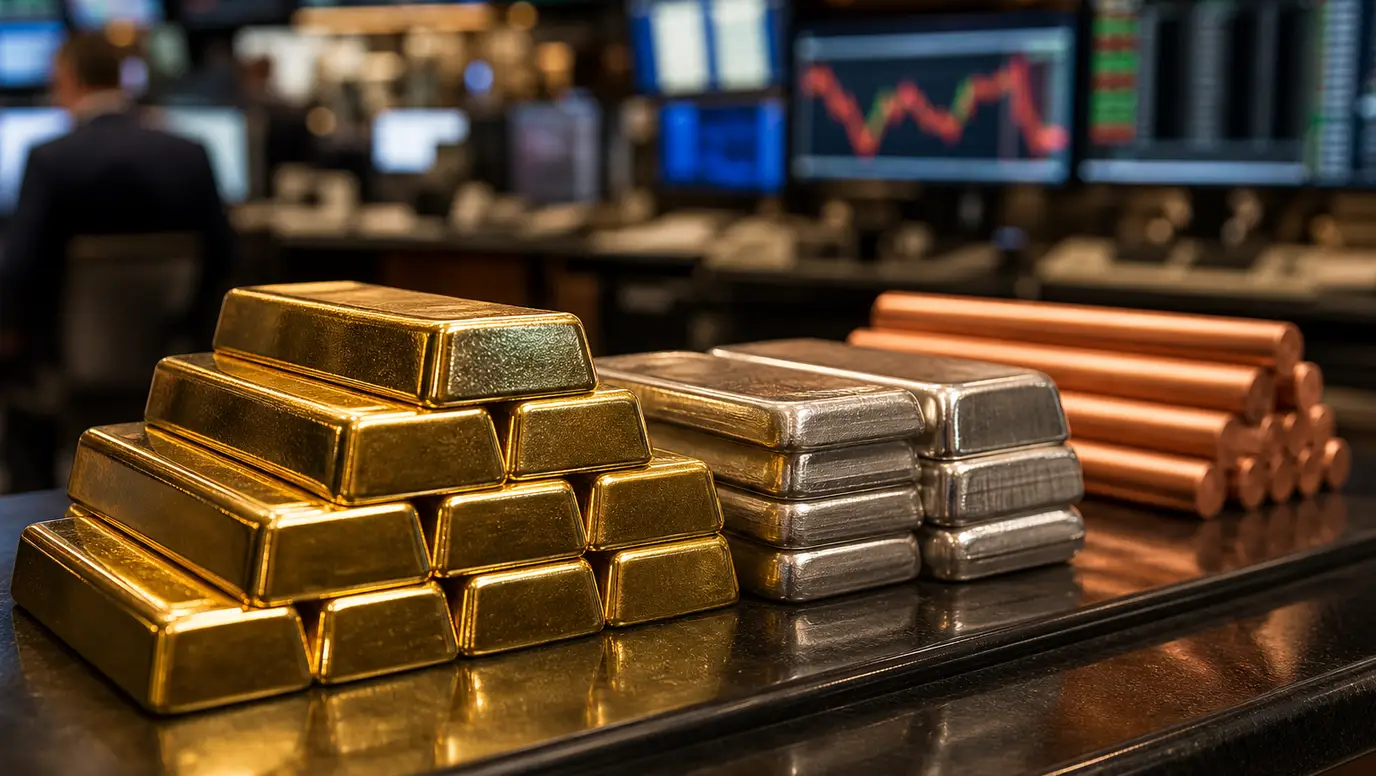
MAY 28, 2026
Gold Tests Two-Month Low as PCE Countdown Keeps Metals on Defensive
MAY 28, 2026
Dollar Rally Faces PCE Test as Yen Intervention Risk Returns to FX Desks
MAY 27, 2026
Dollar Breakout Bets Build as Fed Inflation Focus Pressures Yen and Euro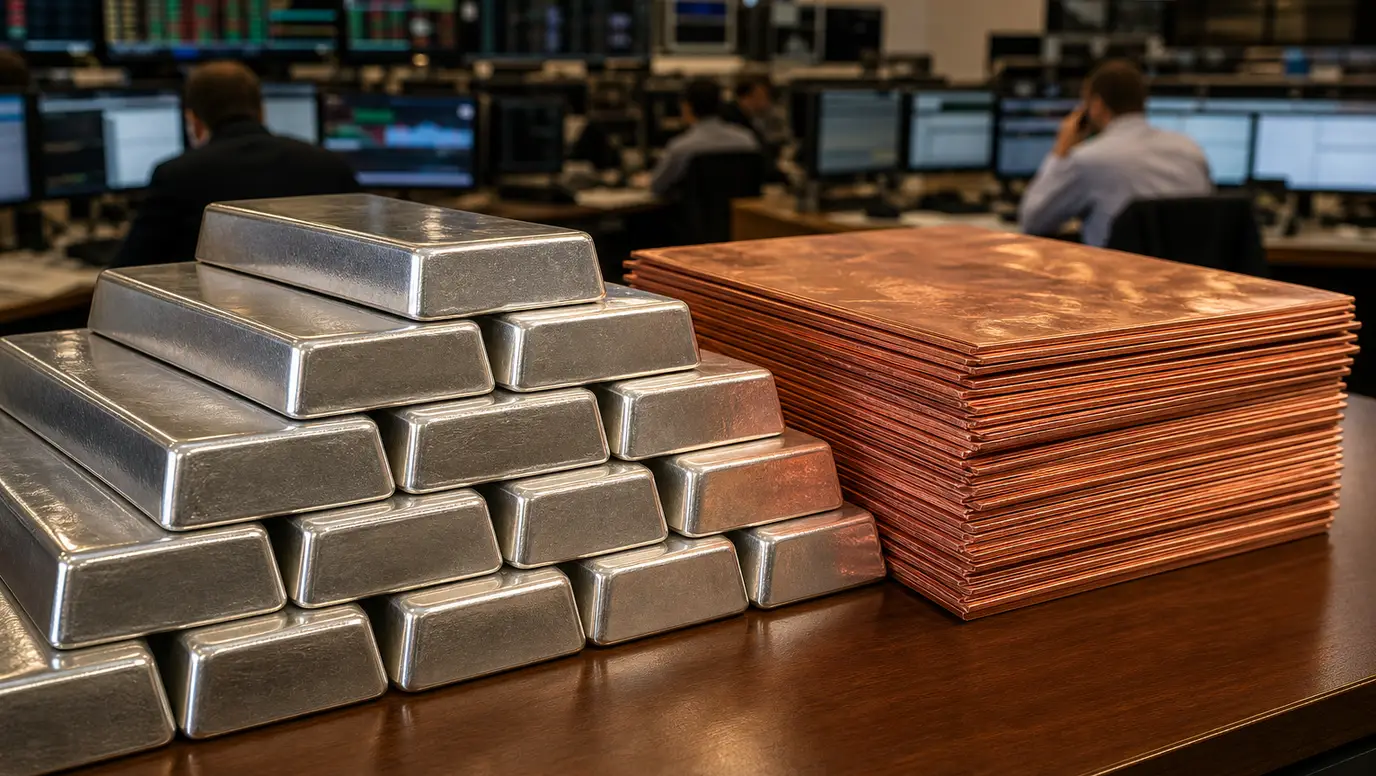
MAY 27, 2026
Silver Leads Metals Lower as Copper Resilience Highlights Split in Demand
MAY 26, 2026
Gold Slips as Oil Shock Revives Rate-Risk Trade in Precious Metals
MAY 26, 2026
Pound Slips as Dollar Rate Premium Returns to Center of FX Trading