
JUNE 23, 2026
Metals Retreat Broadens as PCE Countdown Hits Gold, Silver and CopperGold, silver and copper fell as a stronger dollar and Fed hike bets pushed metals traders toward Thursday’s PCE inflation test.

© 1box.site 2026
JUNE 3, 2026
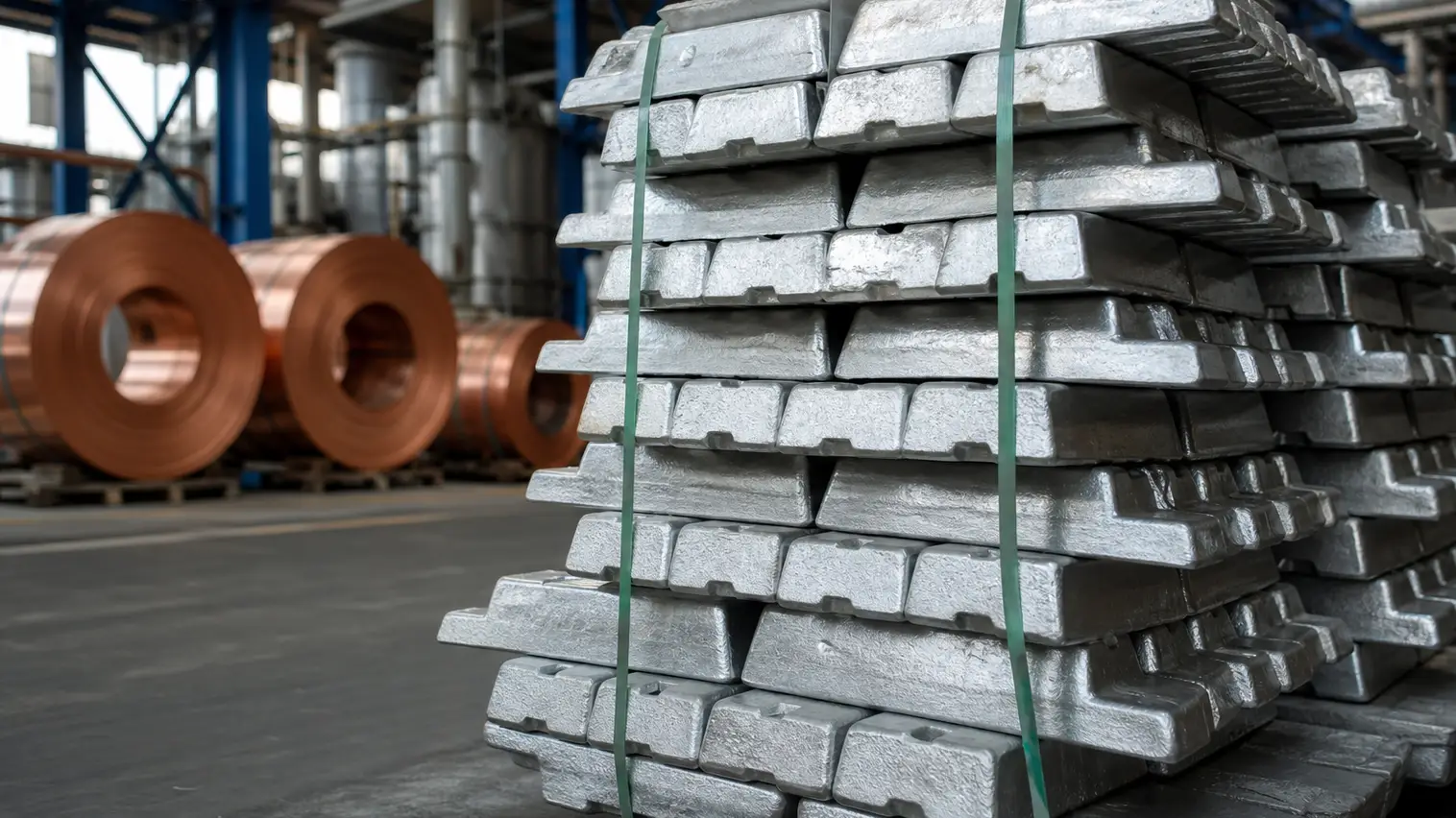
The metals market entered Wednesday with aluminum taking a more prominent role in the commodity trade, as tight nearby supply, low exchange inventories and persistent energy-related risks kept buyers focused on physical availability rather than only on macro signals.
Benchmark aluminum has recently traded near its highest levels since 2022, with three-month prices holding close to the upper end of the latest range after a sharp advance at the start of June. The move has been supported by a visible squeeze in nearby contracts, where cash metal has commanded a sizable premium over forward delivery, a classic sign that immediate supply is harder to secure.
The shift gives the metals complex a different tone from the gold- and copper-led sessions that dominated late May. Copper remains active because of policy uncertainty and strong import demand into the United States, but aluminum is now drawing attention for its own fundamentals: shrinking exchange stocks, disrupted trade flows and the high cost of replacing supply in an energy-intensive industry.
Aluminum’s rally has been reinforced by falling warehouse availability. Recent market data showed exchange inventories at the lowest level in almost four years, while the cash-to-three-month spread widened well above normal levels before easing only slightly. That structure suggests that buyers who need metal quickly are still paying up, even as some investors question whether the broader rally has already priced in too much risk.
Supply anxiety is concentrated around the Middle East and other energy-sensitive producing regions. Aluminum smelting requires large and stable power inputs, which means disruptions in fuel markets, sanctions risk, shipping delays or power cost increases can quickly affect the perceived reliability of output. With summer demand approaching in several large economies, fabricators and traders are reluctant to run inventories too lean.
The physical premium story is particularly important because it can filter into manufacturing costs even when headline exchange prices pause. Aluminum is used across transportation, construction, packaging, electrical equipment and renewable-energy infrastructure, so sustained premiums can act as a quiet inflation channel for downstream buyers.
Copper also remains supported, with recent trading above the range seen in mid-May and prices testing levels near multi-week highs. The red metal continues to benefit from concerns over future trade barriers, strong restocking into the U.S. market and expectations that electrification demand will keep longer-term supply balances tight.
However, copper’s strength is now being matched by broader participation across base metals. Zinc and lead have joined parts of the rally, while nickel has struggled to extend gains because selling interest has returned on moves toward higher levels. That divergence matters for investors: it suggests the metals market is not simply responding to a weaker dollar or a single macro trade, but to separate supply and demand stories inside each contract.
For aluminum, the key near-term question is whether high prices bring enough scrap flows, exports or inventory releases back into the market to cool the squeeze. If they do not, the metal could stay supported even during sessions when broader risk appetite softens.
Precious metals are trading with a more cautious tone. Gold has steadied after recent pressure from firmer Treasury yields and a firmer U.S. dollar, while silver remains more volatile because it sits between the precious and industrial sides of the metals complex.
For gold, the next catalyst is still likely to come from the U.S. rates outlook. A softer run of labor or inflation data would strengthen the case for lower real yields and could revive demand for bullion. A stronger data sequence, by contrast, would make it harder for gold to break higher because non-yielding assets tend to struggle when bond returns become more attractive.
Silver may be more sensitive to the base-metals tone than gold in the short run. If aluminum and copper continue to reflect tight industrial supply, silver traders may treat that as confirmation that manufacturing demand remains resilient. But if the base-metals rally loses momentum, silver could quickly fall back into a more defensive precious-metals trade.
The immediate focus is whether aluminum’s nearby tightness persists through the next inventory updates and whether physical premiums continue to rise in major consuming regions. A sustained backwardation would keep the pressure on short sellers and on industrial users that delayed purchases in expectation of lower prices.
Currency and rates markets remain the second major driver. A stronger U.S. dollar can limit upside across dollar-priced commodities by making metals more expensive for non-U.S. buyers. Higher Treasury yields can also weigh on investor demand for gold, even if base metals are supported by supply constraints.
For now, the metals market looks more selective than broad. Aluminum has the clearest fresh momentum because its rally is backed by visible tightness, while copper is still strong but more exposed to policy headlines. Gold and silver remain important hedges, yet their next move is likely to depend less on warehouse stocks and more on the path of U.S. yields, the dollar and expectations for Federal Reserve policy.
JUNE 23, 2026
Metals Retreat Broadens as PCE Countdown Hits Gold, Silver and Copper
JUNE 23, 2026
Dollar Firms as Pound Whipsaws and Euro Slips on Fed Rate Premium
JUNE 22, 2026
Copper Leads Metals Watch as Gold Waits for Dollar and Yield Break
JUNE 22, 2026
Yen Carry Trade Stays Hot as Dollar Bulls Test Tokyo’s Limits
JUNE 22, 2026
Oil Risk Premium Fades as Brent and WTI Slide on Fresh U.S.-Iran Talks
JUNE 21, 2026
Gold Tests $4,000 Risk as Copper Demand Keeps Metals Market Split
JUNE 21, 2026
Euro Bears Regroup as US Dollar Rally Shifts Focus to Fed-ECB Rate Gap
JUNE 20, 2026
Gold and Silver Slide as Hawkish Fed Signal Puts Metals Back on Yield Watch
JUNE 20, 2026
Dollar Holds Breakout as Yen Weakness Puts Intervention Risk Back in Focus
JUNE 19, 2026
Copper Holds Firm as Metals Traders Reprice Dollar and Fed Rate Risk
JUNE 19, 2026
Dollar Breakout Pressures Pound and Yen as Fed and BoE Divergence Reprices FX
JUNE 17, 2026
Silver Holds Near $70 as Fed Decision Puts Industrial Metals Trade on Alert
JUNE 17, 2026
Dollar Steadies as Euro Rally Stalls Before Fed Decision
JUNE 16, 2026
Gold Extends Rebound as Iran Deal Cools Rate-Hike Fears Before Fed
JUNE 16, 2026
Yen Stays Near 160 After BOJ Hike as Dollar Awaits Fed Signal
JUNE 15, 2026
Gold Stalls as Dollar Strength Tests Metals Before Fed Decision
JUNE 15, 2026
Dollar Pauses as Euro Traders Brace for Fed Dot Plot and BOJ Decision
JUNE 14, 2026
Platinum and Palladium Pullback Tests the PGM Deficit Trade
JUNE 14, 2026
Yen Carry Trade Faces Volatility Test as Fed and BOJ Week Opens
JUNE 13, 2026
Gold Holds Safe-Haven Bid as Silver Volatility Sets Up Fed Week Metals Test
JUNE 13, 2026
Dollar Holds Firm as Euro Rally Fades Before Fed Week
JUNE 12, 2026
Copper Leads Metals Rebound as Softer Dollar Revives Gold and Silver Demand
JUNE 12, 2026
Yen Near 160 as Dollar Finds Support Before Fed-BOJ Policy Collision
JUNE 11, 2026
Gold and Copper Slide as Hot PPI Puts Metals Market Back Under Yield Pressure
JUNE 11, 2026
Euro Stalls After ECB Hike as Hot U.S. PPI Keeps Dollar Demand Alive
JUNE 10, 2026
Dollar Eases as In-Line CPI Cools Fed Hike Premium in Forex Market
JUNE 9, 2026
Gold Stabilizes Before CPI as Rate-Hike Risk Keeps Metals Rebound in Check
JUNE 9, 2026
Dollar Slips as Euro Finds Relief and Yen Stays Under Pressure
JUNE 8, 2026
Gold Loses Haven Bid as Copper Tariff Premium Splits Metals Market
JUNE 8, 2026
Bitcoin Rebound Puts Crypto Market Back on Support Watch After Weekend Liquidations