
JUNE 15, 2026
Dollar Pauses as Euro Traders Brace for Fed Dot Plot and BOJ DecisionDollar steadies as euro and yen traders prepare for Fed projections, BOJ policy signals and a packed midweek macro calendar.

© 1box.site 2026

JUNE 15, 2026
Gold’s powerful 2026 advance is facing a fresh test as traders move into the June Federal Reserve decision with the US dollar firmer, Treasury yields elevated and conviction thinning across parts of the metals market.
The latest price action suggests investors are no longer treating the metals complex as a single inflation trade. Precious metals remain supported by long-running demand for portfolio protection and central bank reserve diversification, but the opportunity cost of holding non-yielding assets has become harder to ignore as rate-cut expectations fade.
Gold has held in historically high territory, but momentum has cooled around major technical levels after a multiyear rally that drew in both defensive investors and trend-following funds. Silver remains more volatile because it sits between the safe-haven trade and industrial demand, while copper is being pulled in a different direction by tight mine supply, Chinese consumption signals and questions over global manufacturing growth.
The immediate focus for bullion is the Federal Reserve’s policy message. A steady-rate decision would not surprise markets, but the tone of the statement, the rate projections and comments on inflation could determine whether gold buyers regain control or take more profit after the sharp run-up.
For gold and silver, the key issue is real yields. When bond yields rise faster than inflation expectations, bullion typically loses some relative appeal because it does not provide income. That does not erase the strategic case for gold, especially during periods of geopolitical risk, but it can slow rallies and encourage short-term liquidation when positioning is crowded.
The US dollar is also acting as a restraint. Because most globally traded metals are priced in dollars, a firmer greenback makes them more expensive for non-US buyers. That currency effect has become especially important as traders reassess whether the Fed can cut rates soon while inflation pressures remain sticky.
Copper’s setup is less dependent on the safe-haven narrative. The red metal continues to draw support from electrification, grid investment, data-center demand and limited growth in new mine supply. At the same time, traders are watching whether high prices are starting to cool physical buying or encourage substitution in price-sensitive sectors.
Recent copper trading has shown resilience compared with weaker corners of the base-metals complex, but the market is not without risks. Exchange inventory trends, cancelled warrants and regional premiums are being watched for signs that available supply is tightening even when headline warehouse stocks appear comfortable.
China remains the central variable for copper, aluminum, zinc and nickel. Firm import demand and industrial activity can quickly revive bullish bets, while weaker factory indicators may trigger a broader reassessment of the base-metals rally. That makes copper more exposed to growth expectations than gold, even though both metals are currently reacting to the same dollar and rates backdrop.
The metals market is entering a phase where selectivity matters more than broad momentum. Gold could remain underpinned by reserve buying and political risk, but a hawkish Fed message would leave it vulnerable to further consolidation. Silver may amplify moves in either direction because speculative interest is high and liquidity can thin quickly around major macro events.
Base metals may continue to trade on a separate track. Copper has the strongest structural argument among the industrial metals, while aluminum, nickel, lead and zinc are more likely to follow regional demand signals, inventory shifts and energy-cost pressures.
For investors, the main takeaway is that the metals rally is no longer being driven by one simple theme. The next leg will depend on whether the Fed weakens the dollar and yields enough to revive precious-metal momentum, or whether industrial demand keeps copper and related metals supported even if gold pauses.
JUNE 15, 2026
Dollar Pauses as Euro Traders Brace for Fed Dot Plot and BOJ Decision
JUNE 14, 2026
Platinum and Palladium Pullback Tests the PGM Deficit Trade
JUNE 14, 2026
Yen Carry Trade Faces Volatility Test as Fed and BOJ Week Opens
JUNE 13, 2026
Gold Holds Safe-Haven Bid as Silver Volatility Sets Up Fed Week Metals Test
JUNE 13, 2026
Dollar Holds Firm as Euro Rally Fades Before Fed Week
JUNE 12, 2026
Copper Leads Metals Rebound as Softer Dollar Revives Gold and Silver Demand
JUNE 12, 2026
Yen Near 160 as Dollar Finds Support Before Fed-BOJ Policy Collision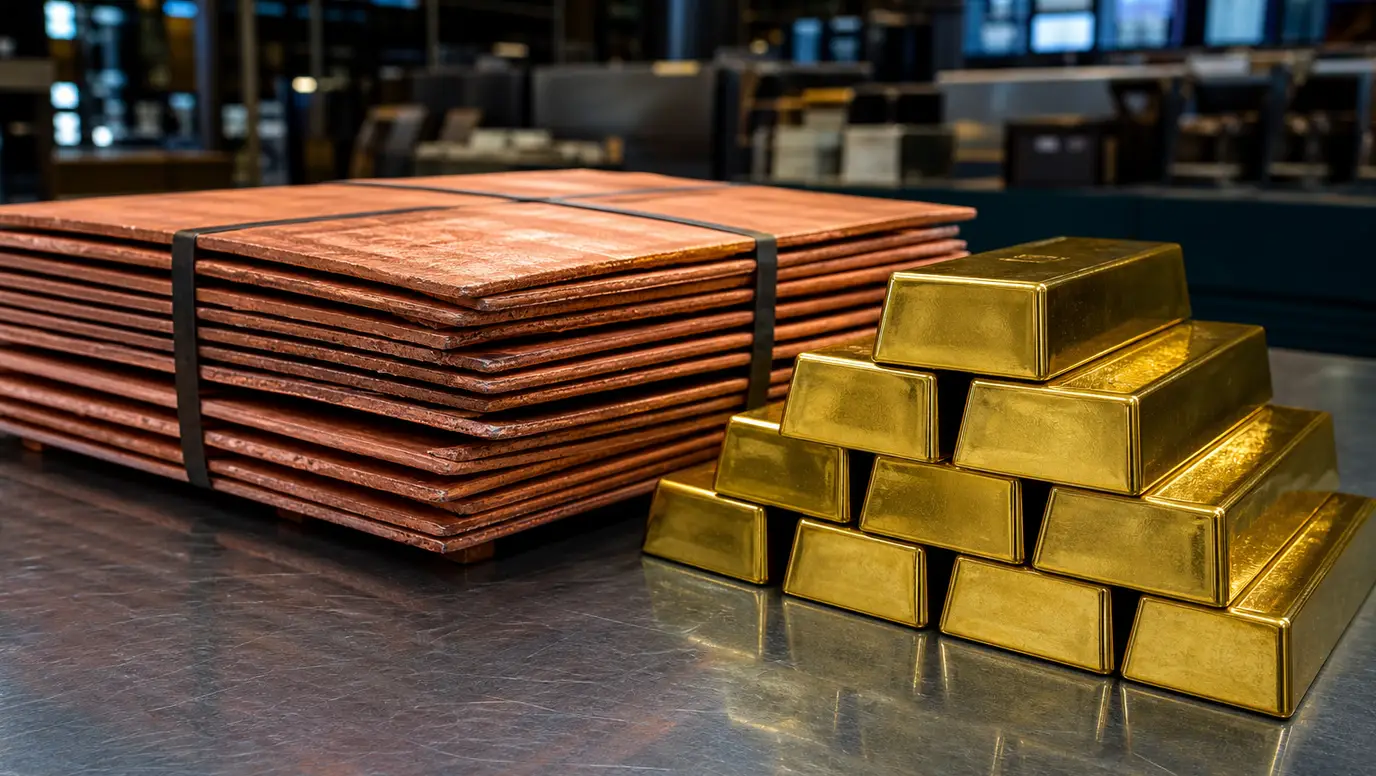
JUNE 11, 2026
Gold and Copper Slide as Hot PPI Puts Metals Market Back Under Yield Pressure
JUNE 11, 2026
Euro Stalls After ECB Hike as Hot U.S. PPI Keeps Dollar Demand Alive
JUNE 10, 2026
Dollar Eases as In-Line CPI Cools Fed Hike Premium in Forex Market
JUNE 9, 2026
Gold Stabilizes Before CPI as Rate-Hike Risk Keeps Metals Rebound in Check
JUNE 9, 2026
Dollar Slips as Euro Finds Relief and Yen Stays Under Pressure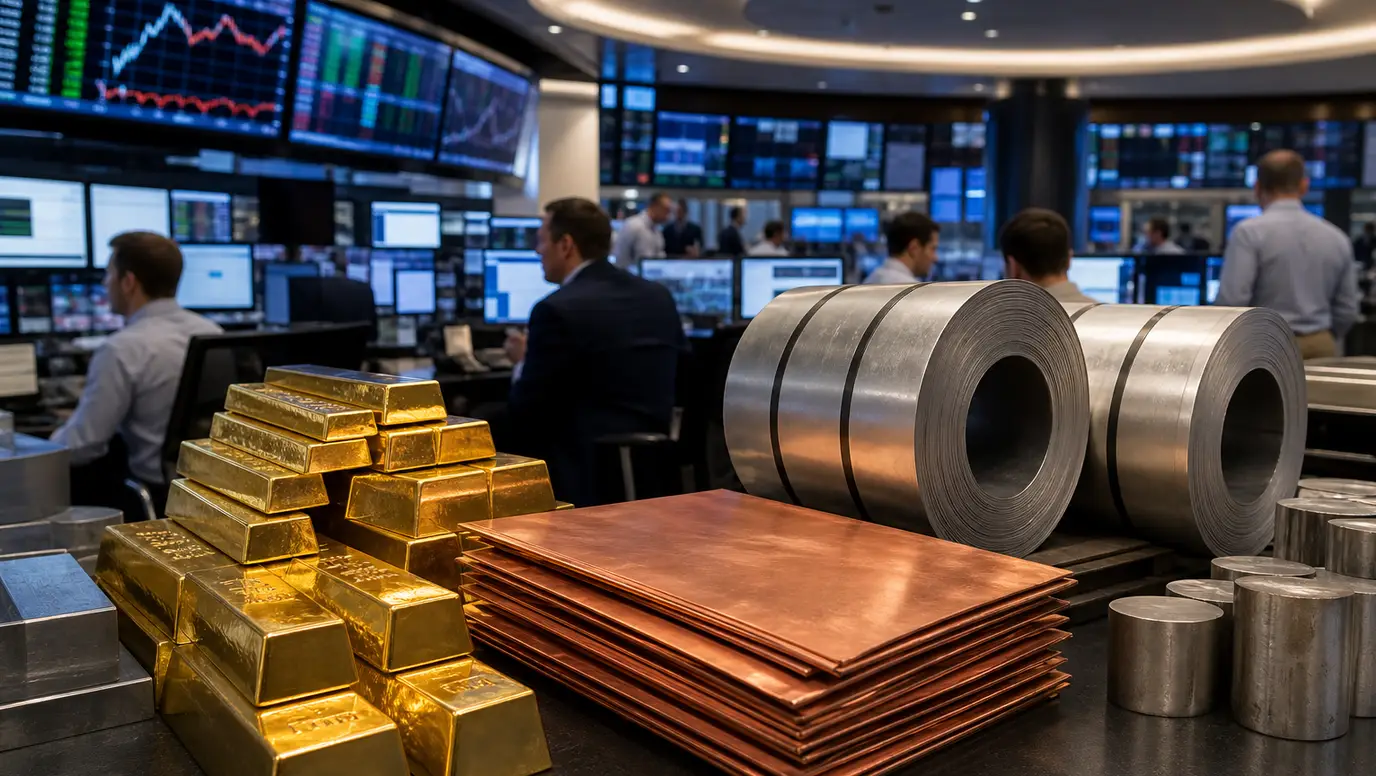
JUNE 8, 2026
Gold Loses Haven Bid as Copper Tariff Premium Splits Metals Market
JUNE 8, 2026
Bitcoin Rebound Puts Crypto Market Back on Support Watch After Weekend Liquidations
JUNE 8, 2026
Dollar Holds High Ground as CPI Countdown Resets Forex Market Risk
JUNE 7, 2026
Tin Slump Takes Lead in Metals Market as Silver Import Curbs Tighten Physical Trade
JUNE 6, 2026
Yen Intervention Risk Takes Over Forex Market as Dollar Rally Clears 160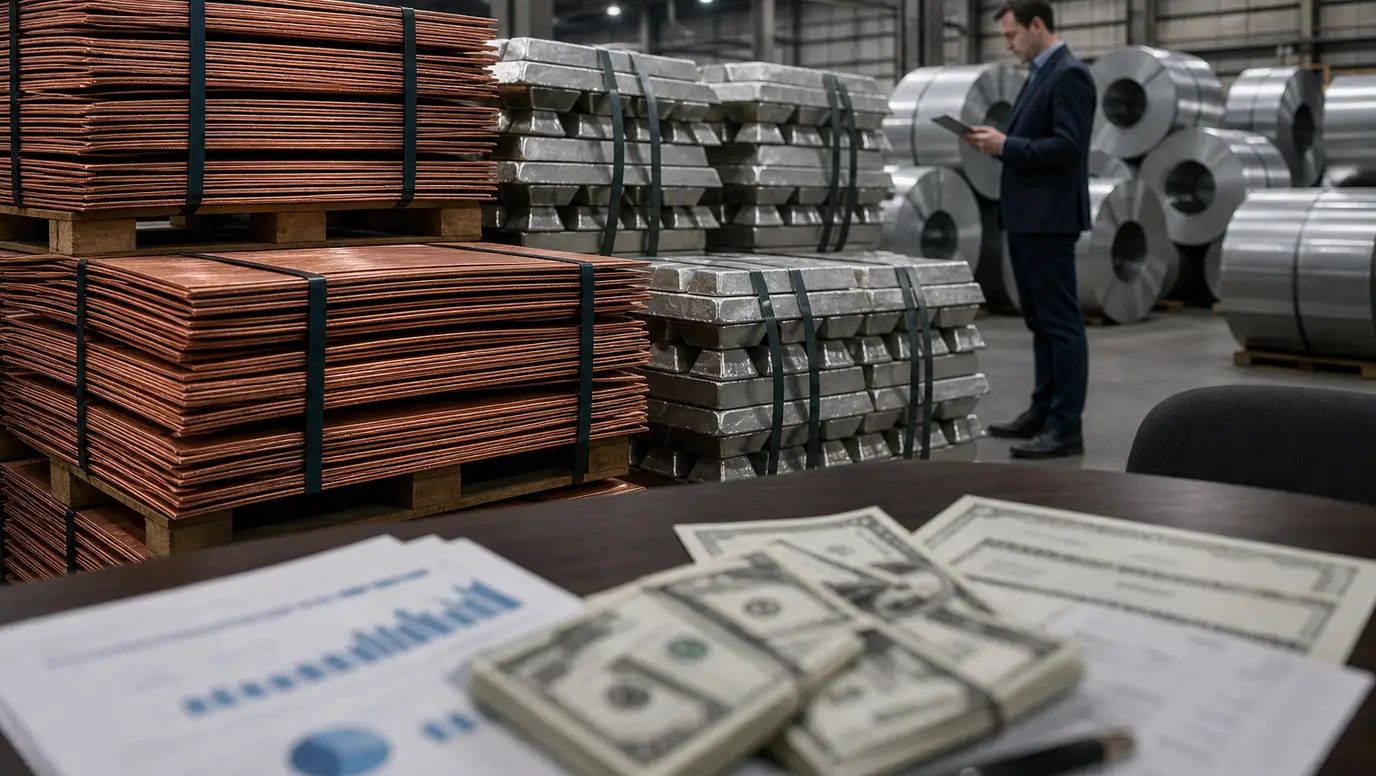
JUNE 6, 2026
Copper Stockpiling Keeps Metals Market on Edge as Dollar Pressure Hits the Complex
JUNE 5, 2026
Gold Leads Metals Lower as Hot Payrolls Revive Rate-Risk Trade
JUNE 5, 2026
Hot Payrolls Put Dollar Back in Charge as Forex Market Cuts Fed Easing Bets
JUNE 5, 2026
LNG Demand and Summer Power Burn Put Natural Gas Back at the Center of Energy Market Trade
JUNE 4, 2026
Dollar Safe-Haven Bid Puts Yen Intervention Risk Back in Forex Focus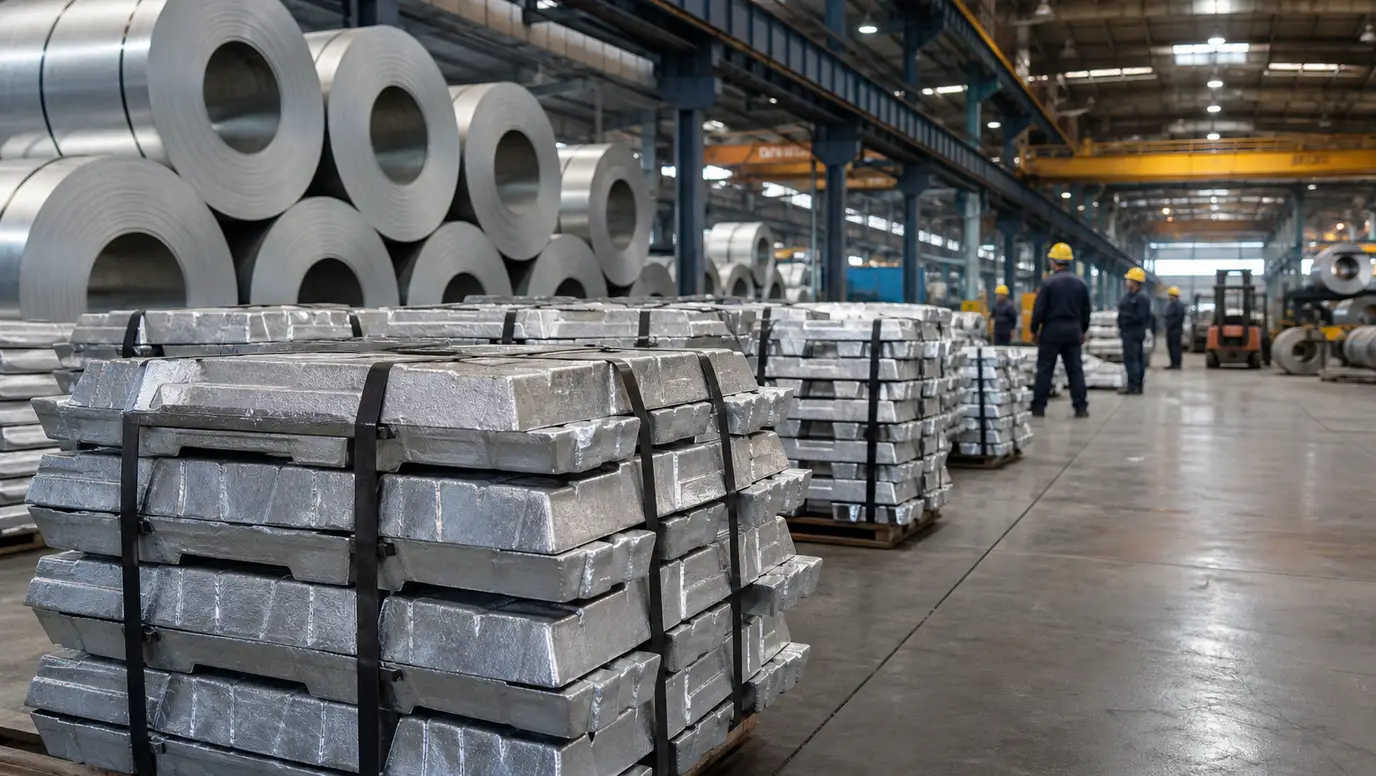
JUNE 4, 2026
Zinc Breakout Moves to Center of Metals Market as Copper Rally Cools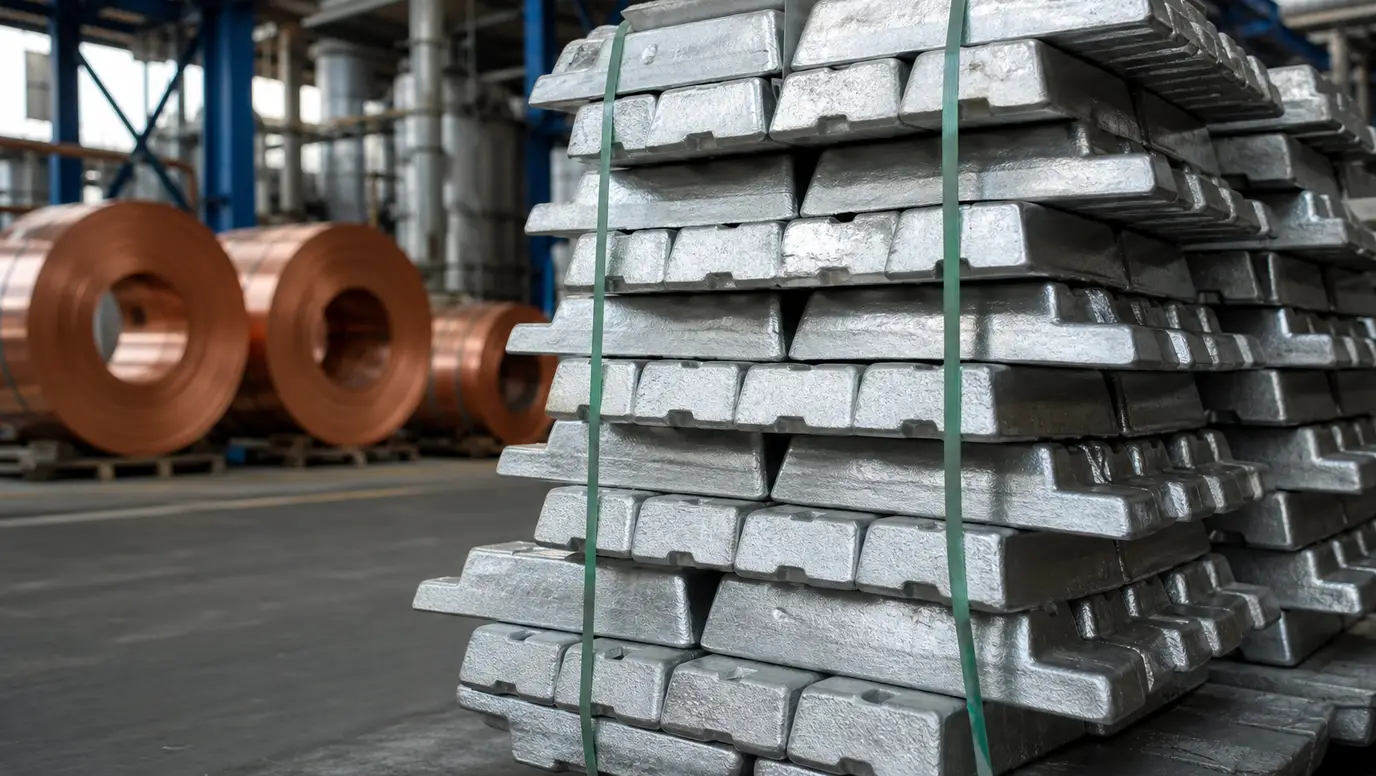
JUNE 3, 2026
Aluminum Squeeze Takes Lead in Metals Market as Low Stocks Lift Premiums
JUNE 3, 2026
Dollar Rebound Faces Services PMI Test as Forex Traders Reprice Payrolls Week
JUNE 2, 2026
Dollar Holds Its Ground After JOLTS Surprise as Euro and Yen Face Separate Tests
JUNE 2, 2026
Copper Tariff Premium Leads Metals Market as Gold Waits for Jobs Data
JUNE 1, 2026
Dollar Finds Support as Oil Risk and Payrolls Week Reset Forex Trade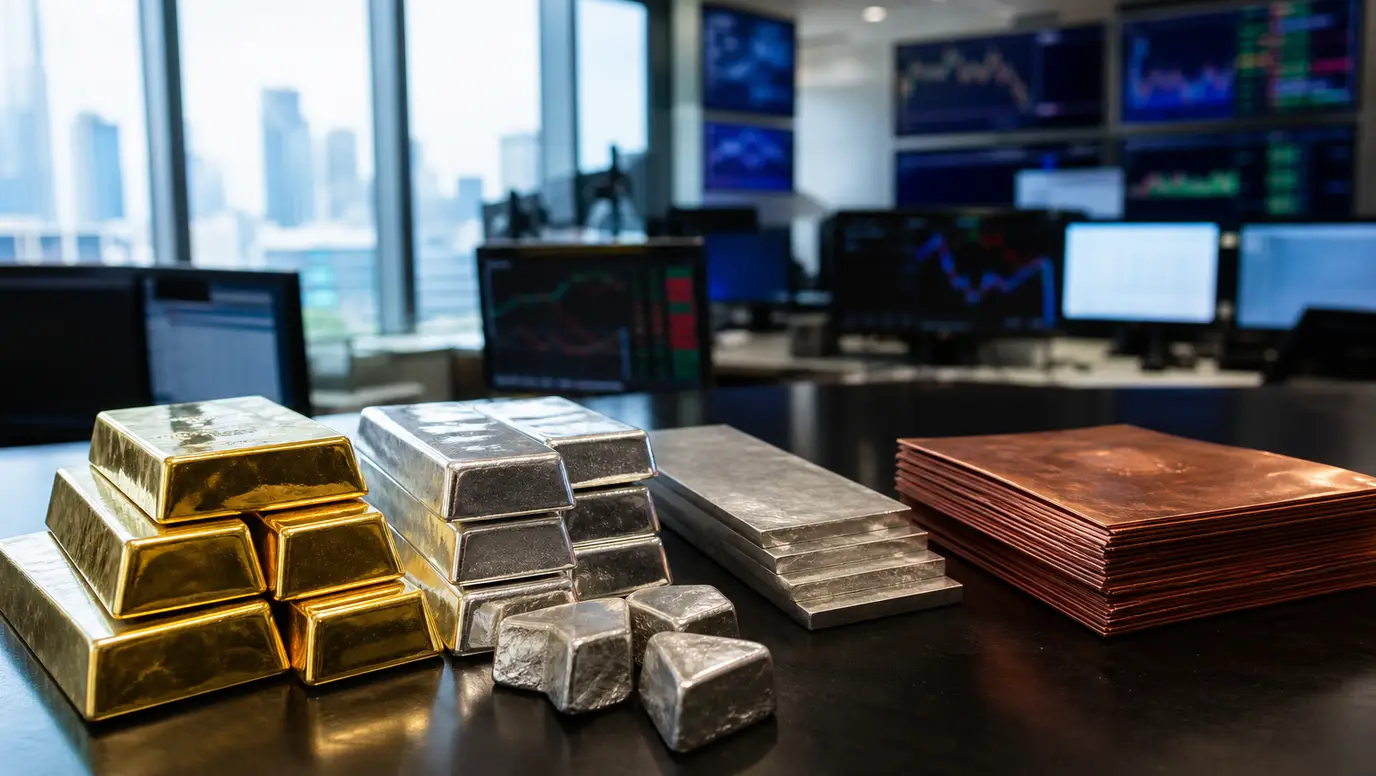
JUNE 1, 2026
Gold Slips as Platinum, Silver and Copper Keep Metals Trade Split
MAY 31, 2026
EUR/USD Faces June Data Test as Dollar Traders Shift From PCE to Payrolls