
JUNE 5, 2026
Hot Payrolls Put Dollar Back in Charge as Forex Market Cuts Fed Easing BetsHot May payrolls lift the US dollar and reset EUR/USD and USD/JPY trading as forex markets scale back near-term Fed cut hopes.

© 1box.site 2026

JUNE 5, 2026
Gold moved to the center of the metals market on Friday after a stronger U.S. employment report reinforced the case for restrictive monetary policy, lifted the dollar tone and pushed traders to reduce exposure to non-yielding precious metals. The move extended a difficult week for bullion, which had already been struggling with a firmer rates backdrop and uneven safe-haven demand.
Spot gold was trading lower around the mid-$4,400 area earlier in the session, while U.S. gold futures also softened. The pressure broadened across the complex, with silver, platinum and palladium all weaker as investors reassessed whether inflation risk and resilient hiring could keep real yields elevated for longer. The metals market reaction showed that geopolitical uncertainty is no longer enough on its own to support bullion when rate expectations are moving in the opposite direction.
The latest U.S. labor figures showed nonfarm payrolls rising by 172,000 in May, while the unemployment rate held at 4.3%. Wage growth also remained positive, with average hourly earnings up 0.3% on the month and 3.4% from a year earlier. For metals traders, the key point was not just that hiring beat expectations, but that the data arrived after a series of revisions that made the labor market look stronger than previously reported.
That matters for gold because a resilient labor market reduces the urgency for policy easing and raises the risk that the Federal Reserve keeps financial conditions tight. Gold can still draw support from inflation anxiety and geopolitical hedging, but higher Treasury yields increase the opportunity cost of holding a metal that does not pay income. When the dollar also firms, the pressure is amplified for overseas buyers using other currencies.
The result is a more complicated setup than a simple safe-haven rally. Middle East tensions and high energy prices continue to underpin inflation concerns, but those same inflation concerns are also feeding the higher-for-longer rates narrative. In Friday’s trading, that second channel dominated, leaving gold vulnerable despite the unresolved geopolitical backdrop.
The weakness was not confined to gold. Silver slid as traders took profit after a strong run that had been supported by industrial demand themes and tight physical conditions. Platinum and palladium also retreated, reflecting a broader reduction in precious-metals risk rather than a single-metal story. With all four major precious metals heading toward weekly declines, the market tone shifted from momentum buying to defensive positioning.
Base metals were also caught in the adjustment. Three-month copper on the London market fell as the stronger dollar and weaker risk appetite outweighed support from tight inventories and tariff-related supply concerns. Copper remains underpinned by long-term electrification, grid and data-center demand, but Friday’s price action showed that macro pressure can still overwhelm structural themes in the short run.
The contrast is important for investors. Gold is trading mainly as a rates and currency instrument, while copper is balancing macro risk against physical supply signals. Both are being pulled lower by the same immediate catalyst, but the underlying demand stories are different. That creates room for divergence later if industrial activity holds up while rate-sensitive precious metals remain under pressure.
The next major hurdle for metals is the inflation calendar. If consumer-price data confirm that price pressures are sticky, the dollar and Treasury yields could stay firm, limiting gold’s ability to recover. A softer inflation reading would give bullion a better chance to stabilize, especially if traders begin to rebuild expectations for eventual easing.
For now, the metals market is trading as though the Fed has less reason to offer relief quickly. Gold bulls will need to defend recent support levels and show that safe-haven demand can absorb the drag from yields. Copper bulls, meanwhile, will be watching whether inventory tightness and end-use demand can prevent a deeper technical pullback. Until either inflation data or Fed communication changes the rate narrative, rallies across the metals complex may face heavier selling into strength.
JUNE 5, 2026
Hot Payrolls Put Dollar Back in Charge as Forex Market Cuts Fed Easing Bets
JUNE 5, 2026
LNG Demand and Summer Power Burn Put Natural Gas Back at the Center of Energy Market Trade
JUNE 4, 2026
Dollar Safe-Haven Bid Puts Yen Intervention Risk Back in Forex Focus
JUNE 4, 2026
Zinc Breakout Moves to Center of Metals Market as Copper Rally Cools
JUNE 3, 2026
Aluminum Squeeze Takes Lead in Metals Market as Low Stocks Lift Premiums
JUNE 3, 2026
Dollar Rebound Faces Services PMI Test as Forex Traders Reprice Payrolls Week
JUNE 2, 2026
Dollar Holds Its Ground After JOLTS Surprise as Euro and Yen Face Separate Tests
JUNE 2, 2026
Copper Tariff Premium Leads Metals Market as Gold Waits for Jobs Data
JUNE 1, 2026
Dollar Finds Support as Oil Risk and Payrolls Week Reset Forex Trade
JUNE 1, 2026
Gold Slips as Platinum, Silver and Copper Keep Metals Trade Split
MAY 31, 2026
EUR/USD Faces June Data Test as Dollar Traders Shift From PCE to Payrolls
MAY 31, 2026
Copper Premium Keeps Metals Market Active as Gold Turns to June Jobs Data
MAY 30, 2026
Yen Intervention Tally Puts Dollar Bulls on Notice as Forex Market Enters June
MAY 30, 2026
Silver Holds the Spotlight as Month-End Metals Trade Splits After Inflation Data
MAY 29, 2026
Gold Rebounds as Softer Yields Lift Metals, While Copper Holds Monthly Advance
MAY 29, 2026
Dollar Softens as Cooler Core PCE and Easing Haven Demand Shift Forex Focus to Euro and Yen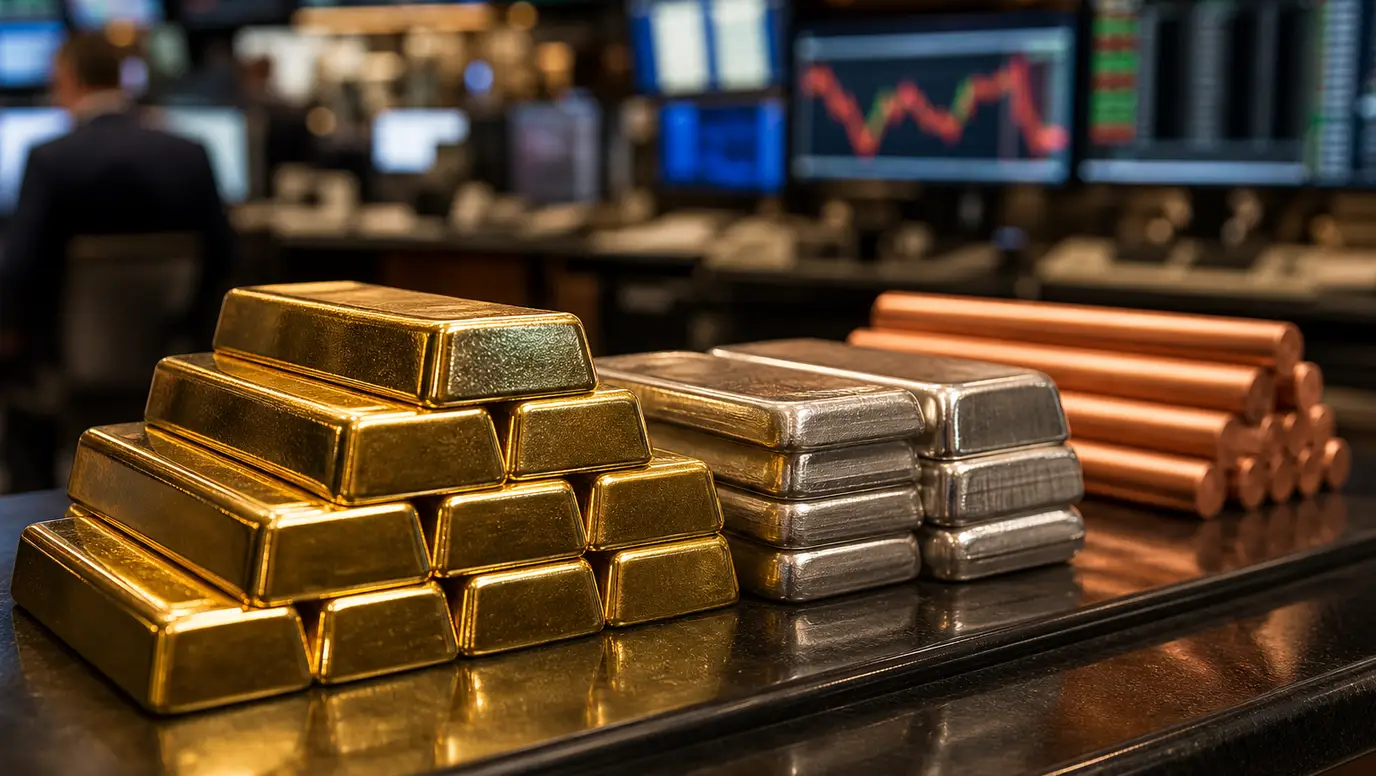
MAY 28, 2026
Gold Tests Two-Month Low as PCE Countdown Keeps Metals on Defensive
MAY 28, 2026
Dollar Rally Faces PCE Test as Yen Intervention Risk Returns to FX Desks
MAY 27, 2026
Dollar Breakout Bets Build as Fed Inflation Focus Pressures Yen and Euro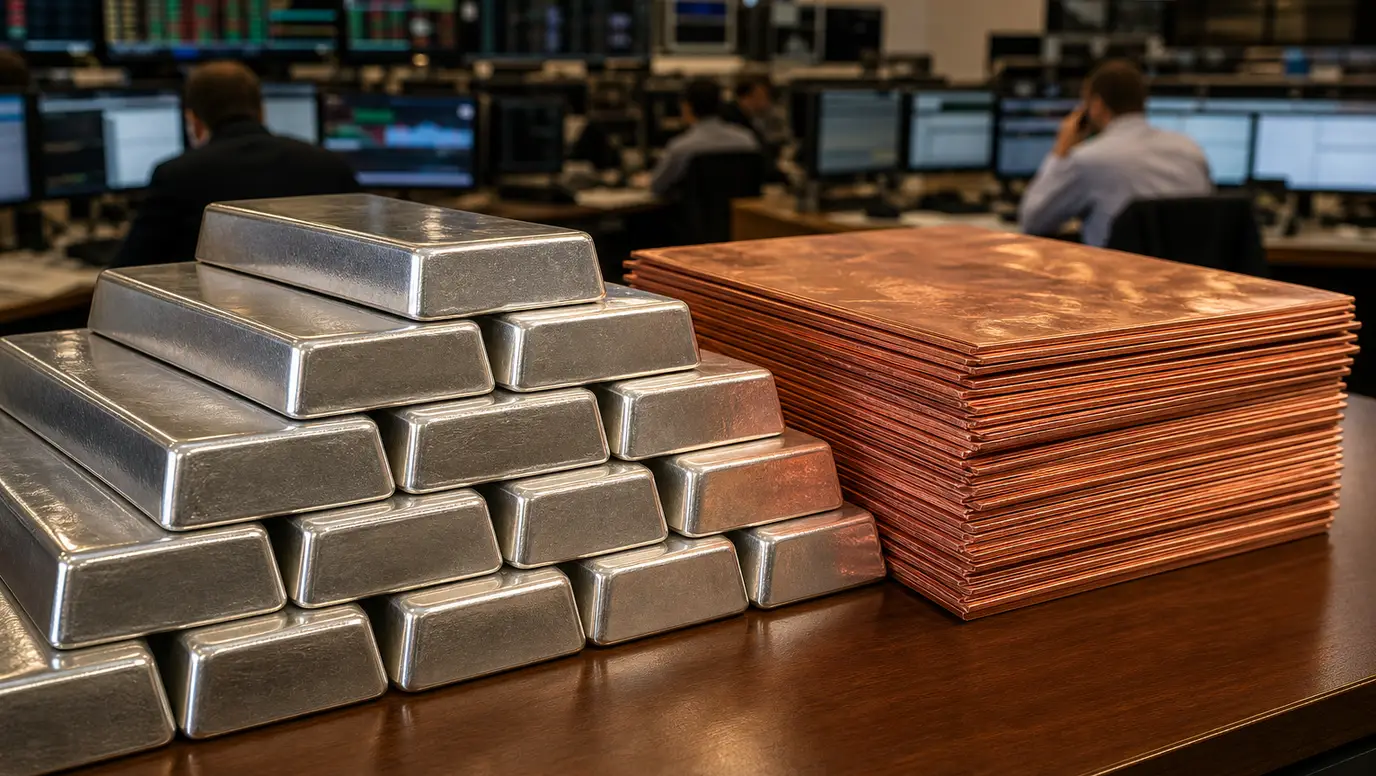
MAY 27, 2026
Silver Leads Metals Lower as Copper Resilience Highlights Split in Demand
MAY 26, 2026
Gold Slips as Oil Shock Revives Rate-Risk Trade in Precious Metals
MAY 26, 2026
Pound Slips as Dollar Rate Premium Returns to Center of FX Trading
MAY 25, 2026
Gold Rebounds as Lower Yields Bring Buyers Back to Precious Metals
MAY 25, 2026
Dollar Loses Haven Bid as Middle East Deal Hopes Lift Risk Currencies
MAY 24, 2026
Crypto Market Tries to Stabilize as ETF Flow Split and Leverage Flush Keep Traders Defensive
MAY 23, 2026
Euro Under Pressure Near 1.16 as Dollar Holds Policy Advantage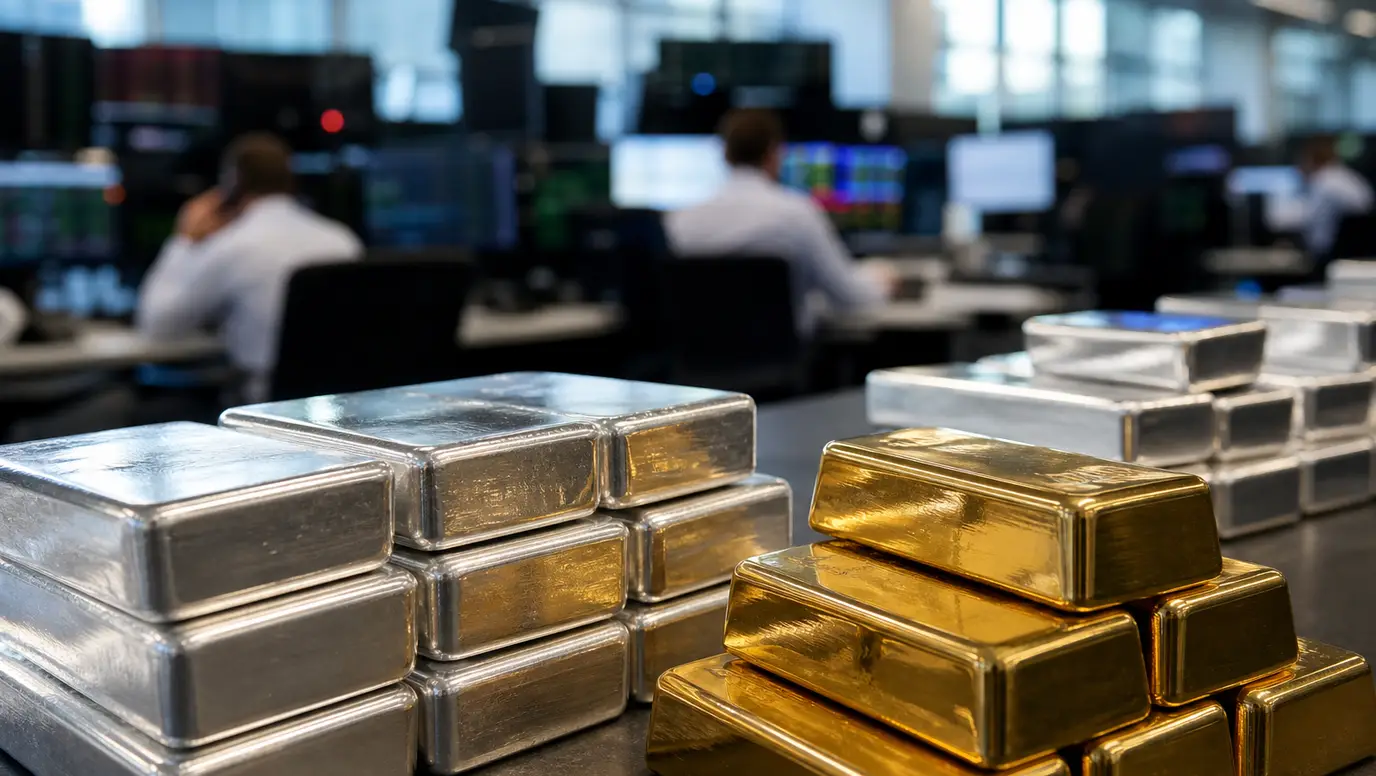
MAY 23, 2026
Silver Takes Lead in Metals as Gold Holds Near Late-Week Support
MAY 21, 2026
Dollar Rally Pauses as Yen Intervention Risk and Fed Caution Grip FX Markets