
MAY 28, 2026
Dollar Rally Faces PCE Test as Yen Intervention Risk Returns to FX DesksDollar steadies near a multi-week high as yen intervention risk, euro pressure and U.S. PCE data put forex traders on alert.

© 1box.site 2026

MAY 28, 2026
Gold moved under renewed pressure on Thursday as the metals market braced for a key U.S. inflation reading that could decide whether real yields remain high enough to keep buyers cautious across precious metals. Spot gold traded near the lower end of its recent range, with market attention centered on the April core PCE price index, revised first-quarter GDP figures and fresh signals from Federal Reserve officials.
The latest move leaves bullion close to a two-month low and reinforces a more defensive tone that has spread from gold into silver and parts of the base-metals complex. The immediate pressure is coming from a familiar combination: a firm U.S. dollar, resilient Treasury yields and concern that energy-driven inflation risks could make the Fed slower to pivot toward easier policy.
That backdrop matters because gold and silver do not pay income. When investors expect policy rates to stay elevated, the opportunity cost of holding precious metals rises, especially if the dollar is also strengthening. For overseas buyers, a stronger dollar can make dollar-priced metals more expensive, adding another layer of demand resistance.
Thursday’s U.S. data slate is unusually important for metals traders because it arrives at a point when the market is trying to decide whether the recent pullback is a pause in a longer bullish cycle or the start of a deeper repricing. A softer core PCE reading would likely ease some rate anxiety, weaken the dollar and give gold and silver room to recover. A hotter reading, or a resilient GDP revision paired with sticky price pressure, could keep real yields elevated and extend the squeeze on non-yielding assets.
Fed expectations remain the central transmission channel. Traders are not only watching whether inflation cools, but whether it cools enough to change the tone of policymakers who have continued to emphasize caution. If the data supports a higher-for-longer rate path, gold may struggle to attract momentum buyers even with geopolitical risks still present.
Those geopolitical risks have not disappeared, but they are currently being filtered through inflation rather than pure safe-haven demand. Renewed tension around the Middle East and oil-market volatility can support bullion when investors seek protection. However, if higher energy prices lift inflation expectations and push yields higher, the same risk event can become a headwind for precious metals. That tension is helping explain why gold has not drawn a straightforward haven bid.
Silver also traded defensively as investors weighed its dual role as a precious metal and an industrial input. The metal remains sensitive to the same dollar and yield dynamics affecting gold, but it is also exposed to expectations for manufacturing, electronics and solar demand. That makes Thursday’s growth data relevant for silver beyond the direct inflation impact.
Base metals added to the cautious tone. Copper prices softened in Asian trading, while aluminum also came under pressure, signaling that industrial metals are not yet receiving a strong demand impulse. The decline does not necessarily point to a collapse in consumption, but it shows that traders are reluctant to add cyclical exposure before clearer evidence on U.S. growth, Chinese demand and global manufacturing momentum.
Copper remains the key barometer for the industrial side of the metals market. If growth data remains stable without adding inflation pressure, the metal could regain support from electrification, grid investment and supply discipline. If the macro data instead points to sticky inflation and slower demand, copper may remain vulnerable to further position trimming despite longer-term structural demand themes.
The near-term setup is therefore less about a single price level and more about the relationship between the dollar, yields and inflation expectations. Gold bulls need evidence that real yields are peaking or that the dollar rally is losing momentum. Silver needs that same macro relief, plus confidence that industrial demand is not weakening. Copper needs a growth signal strong enough to support consumption but not so hot that it forces another leg higher in yields.
Until those conditions align, metals may remain choppy and highly reactive to data surprises. A cooler inflation report could trigger short covering across gold and silver, while a firm print may invite another test of recent lows. For now, the market is treating Thursday’s PCE release as a credibility test for the idea that inflation is moderating quickly enough to restore a more constructive backdrop for precious and industrial metals.
The result is a metals market still supported by long-term themes such as central-bank interest in bullion, energy-transition demand and constrained mine supply, but dominated in the short run by macro discipline. In that environment, the next decisive move is likely to come from the bond market first and the metals market second.
MAY 28, 2026
Dollar Rally Faces PCE Test as Yen Intervention Risk Returns to FX Desks
MAY 27, 2026
Dollar Breakout Bets Build as Fed Inflation Focus Pressures Yen and Euro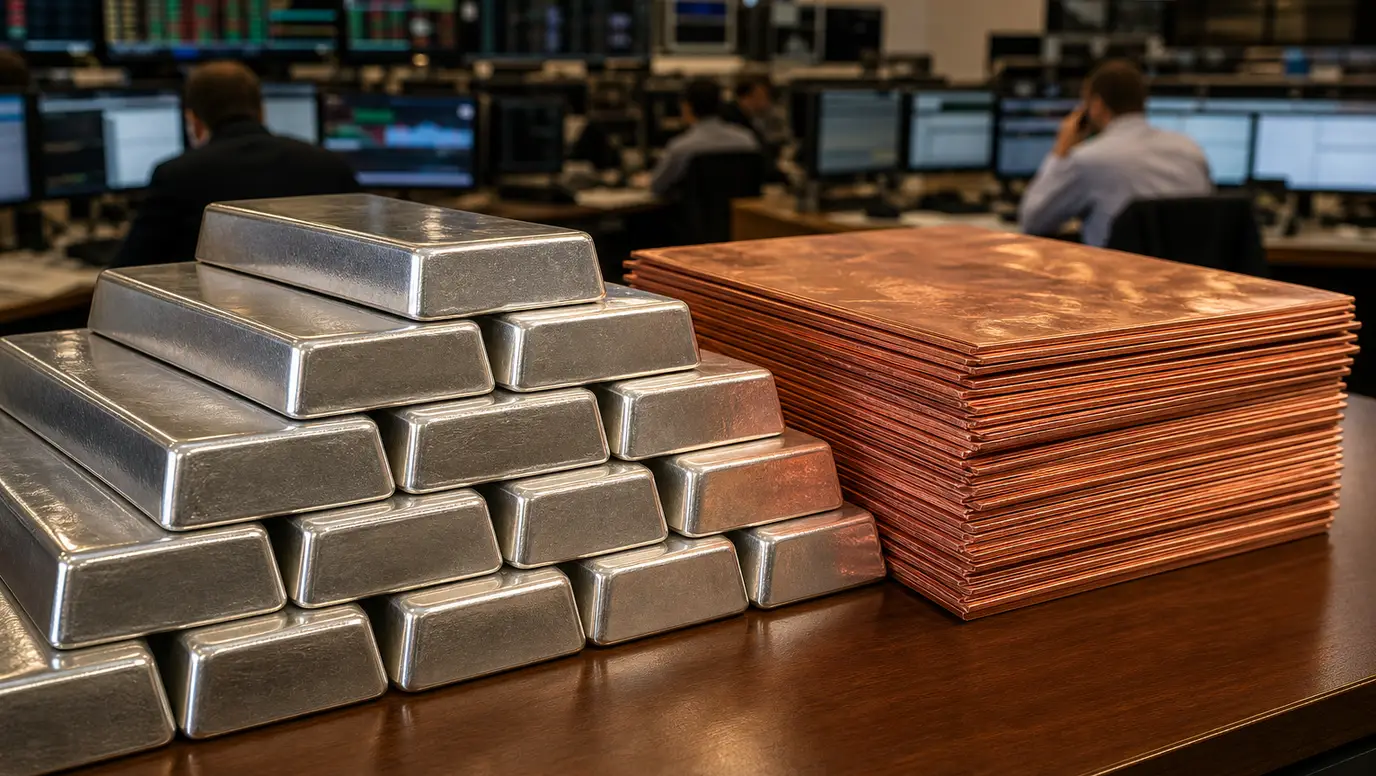
MAY 27, 2026
Silver Leads Metals Lower as Copper Resilience Highlights Split in Demand
MAY 26, 2026
Gold Slips as Oil Shock Revives Rate-Risk Trade in Precious Metals
MAY 26, 2026
Pound Slips as Dollar Rate Premium Returns to Center of FX Trading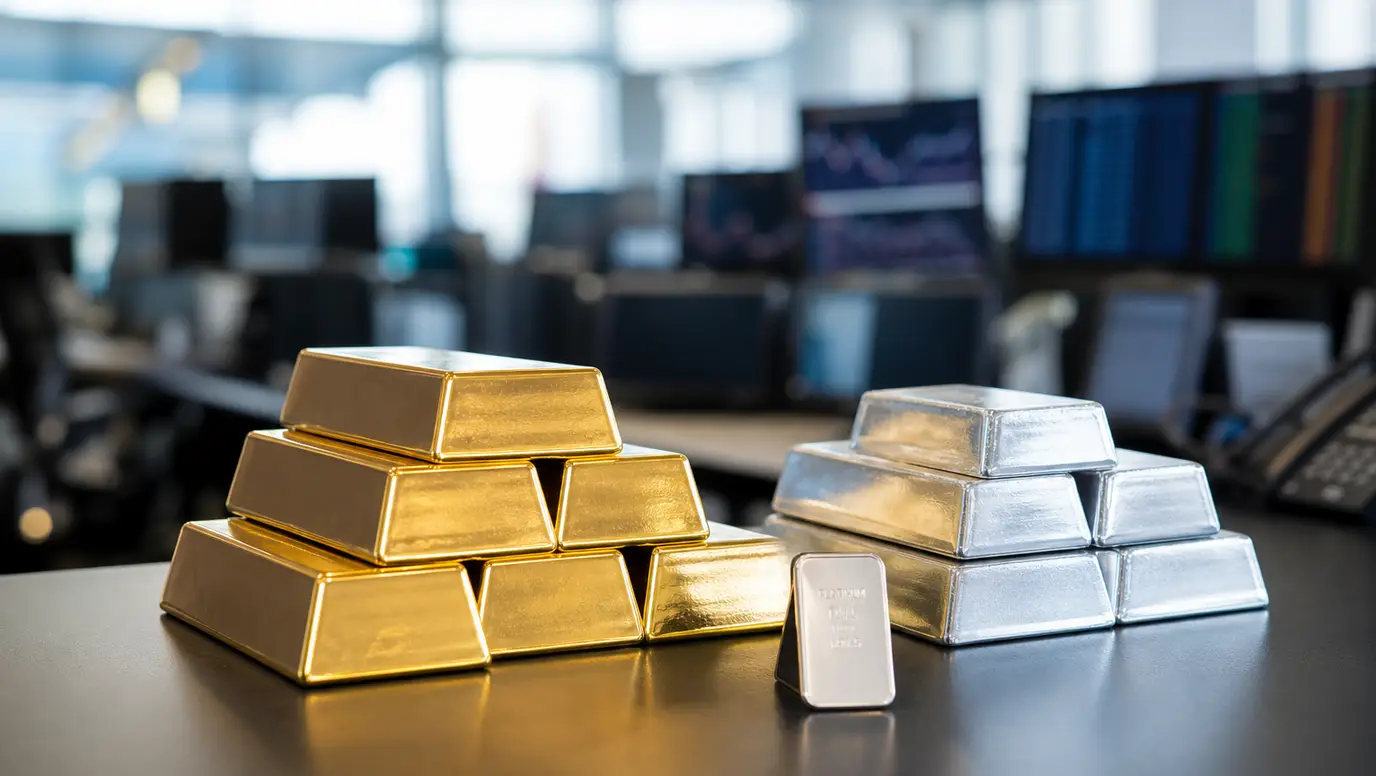
MAY 25, 2026
Gold Rebounds as Lower Yields Bring Buyers Back to Precious Metals
MAY 25, 2026
Dollar Loses Haven Bid as Middle East Deal Hopes Lift Risk Currencies
MAY 24, 2026
Crypto Market Tries to Stabilize as ETF Flow Split and Leverage Flush Keep Traders Defensive
MAY 23, 2026
Euro Under Pressure Near 1.16 as Dollar Holds Policy Advantage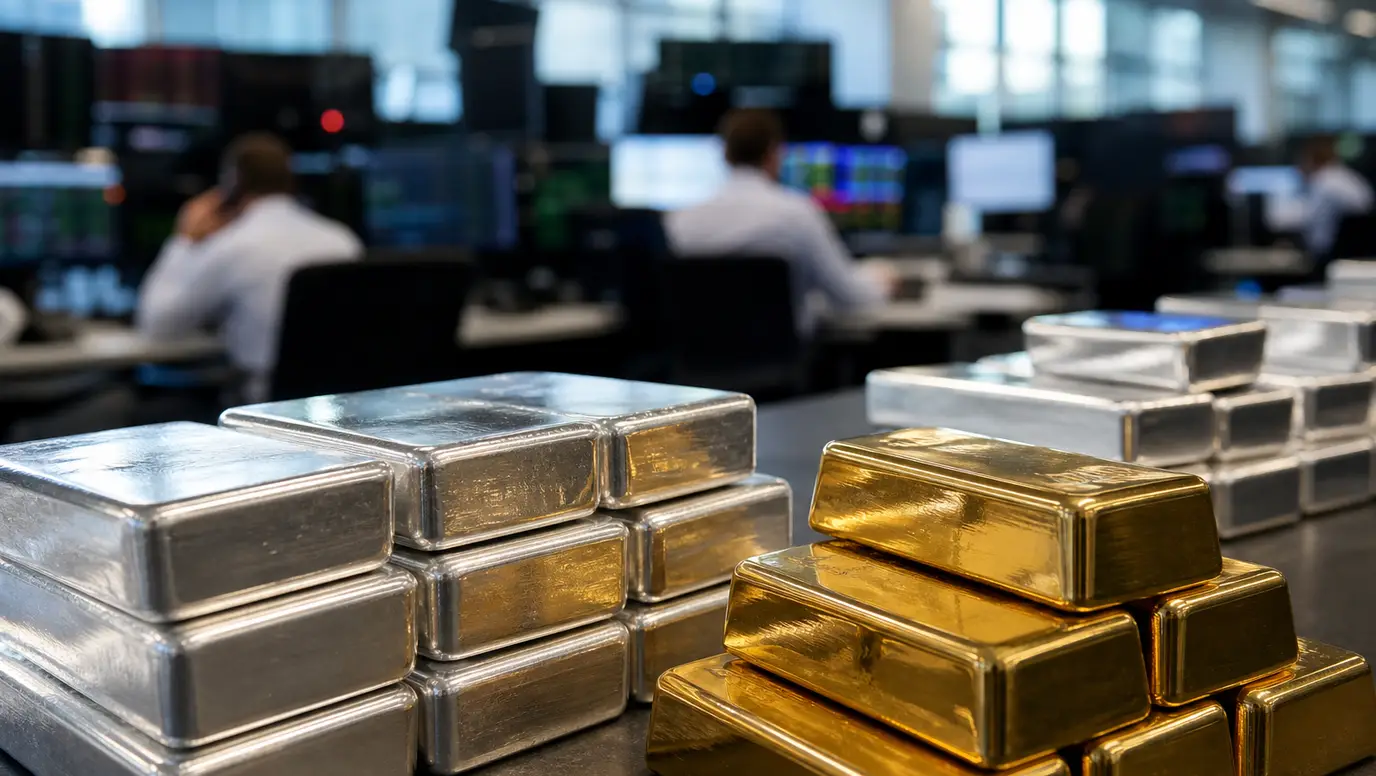
MAY 23, 2026
Silver Takes Lead in Metals as Gold Holds Near Late-Week Support
MAY 21, 2026
Dollar Rally Pauses as Yen Intervention Risk and Fed Caution Grip FX Markets