
JUNE 2, 2026
Dollar Holds Its Ground After JOLTS Surprise as Euro and Yen Face Separate TestsThe dollar steadies after a strong U.S. labor signal, while euro inflation and yen intervention risk keep major FX pairs active.

© 1box.site 2026

JUNE 2, 2026
Copper took the lead in the metals market on Tuesday as tariff uncertainty and signs of tighter near-term supply kept industrial metals better supported than precious metals. The move gave the sector a fresher and broader news impulse than the relatively contained foreign-exchange market, where the dollar stayed in a narrow range ahead of U.S. data.
Benchmark three-month copper traded near $13,875 a metric ton in Asian dealing, after reaching its highest level in more than two weeks. Shanghai copper also advanced, extending the premium theme that has followed months of shifting trade flows and stockpiling linked to U.S. tariff risk.
The latest price action suggests traders are still unwilling to fade the copper rally while the policy picture remains unsettled. A recent adjustment to some U.S. import tariffs did not remove the broader uncertainty around copper, aluminum and industrial-metal trade. That has left buyers focused on availability outside the United States, regional price gaps and the risk that supply chains remain distorted through the summer.
The strength was not limited to copper. Tin, aluminum, zinc and nickel also drew buying interest in overnight trade, with several base metals posting gains of more than 1%. That breadth matters because it points to a metals market being driven by more than a single contract squeeze.
For manufacturers, the latest rise keeps input-cost pressure alive at a time when energy prices and shipping risks are already feeding inflation concerns. For investors, it reinforces copper’s role as a bellwether for the industrial cycle, electrification demand and policy-sensitive supply chains.
The cash-to-three-month structure also remains important. A narrowing discount in nearby copper can signal that immediate availability is becoming more valuable, even if longer-term demand expectations remain debated. In practical terms, the market is pricing both a policy premium and a supply-chain premium.
Gold and silver were more cautious after recent volatility, with bullion traders watching the U.S. dollar, real yields and the Federal Reserve outlook. Spot gold has been struggling to build a clear advance after falling at the start of the week, as stronger U.S. data reduced the urgency of rate-cut expectations.
The next major catalyst for precious metals is the labor-market calendar. A resilient jobs report could keep Treasury yields firm and limit demand for non-yielding assets such as gold. A softer reading would likely revive expectations for easier Fed policy and could give bullion a cleaner rebound path.
Silver remains caught between those two forces. Its monetary link to gold leaves it exposed to shifts in yields and the dollar, while its industrial profile gives it support when copper and other base metals rise. That mixed identity may keep silver volatile if the market receives conflicting signals from U.S. data and industrial demand.
The near-term metals setup now depends on three linked drivers: whether tariff uncertainty continues to redirect inventory, whether Middle East risk keeps energy and freight costs elevated, and whether U.S. data changes the expected Fed path. Copper is currently reacting most directly to the first two, while gold is more sensitive to the third.
If the dollar strengthens and yields rise after stronger economic data, precious metals could stay under pressure even as base metals remain supported by supply issues. If the data disappoints, gold may regain leadership and broaden the metals rally beyond copper.
For now, the market signal is clear: copper is carrying the strongest fresh momentum in metals. Until tariff questions are resolved or supply tightness eases, traders are likely to treat pullbacks in industrial metals as policy-driven buying opportunities rather than a simple reversal in demand expectations.
JUNE 2, 2026
Dollar Holds Its Ground After JOLTS Surprise as Euro and Yen Face Separate Tests
JUNE 1, 2026
Dollar Finds Support as Oil Risk and Payrolls Week Reset Forex Trade
JUNE 1, 2026
Gold Slips as Platinum, Silver and Copper Keep Metals Trade Split
MAY 31, 2026
EUR/USD Faces June Data Test as Dollar Traders Shift From PCE to Payrolls
MAY 31, 2026
Copper Premium Keeps Metals Market Active as Gold Turns to June Jobs Data
MAY 30, 2026
Yen Intervention Tally Puts Dollar Bulls on Notice as Forex Market Enters June
MAY 30, 2026
Silver Holds the Spotlight as Month-End Metals Trade Splits After Inflation Data
MAY 29, 2026
Gold Rebounds as Softer Yields Lift Metals, While Copper Holds Monthly Advance
MAY 29, 2026
Dollar Softens as Cooler Core PCE and Easing Haven Demand Shift Forex Focus to Euro and Yen
MAY 28, 2026
Gold Tests Two-Month Low as PCE Countdown Keeps Metals on Defensive
MAY 28, 2026
Dollar Rally Faces PCE Test as Yen Intervention Risk Returns to FX Desks
MAY 27, 2026
Dollar Breakout Bets Build as Fed Inflation Focus Pressures Yen and Euro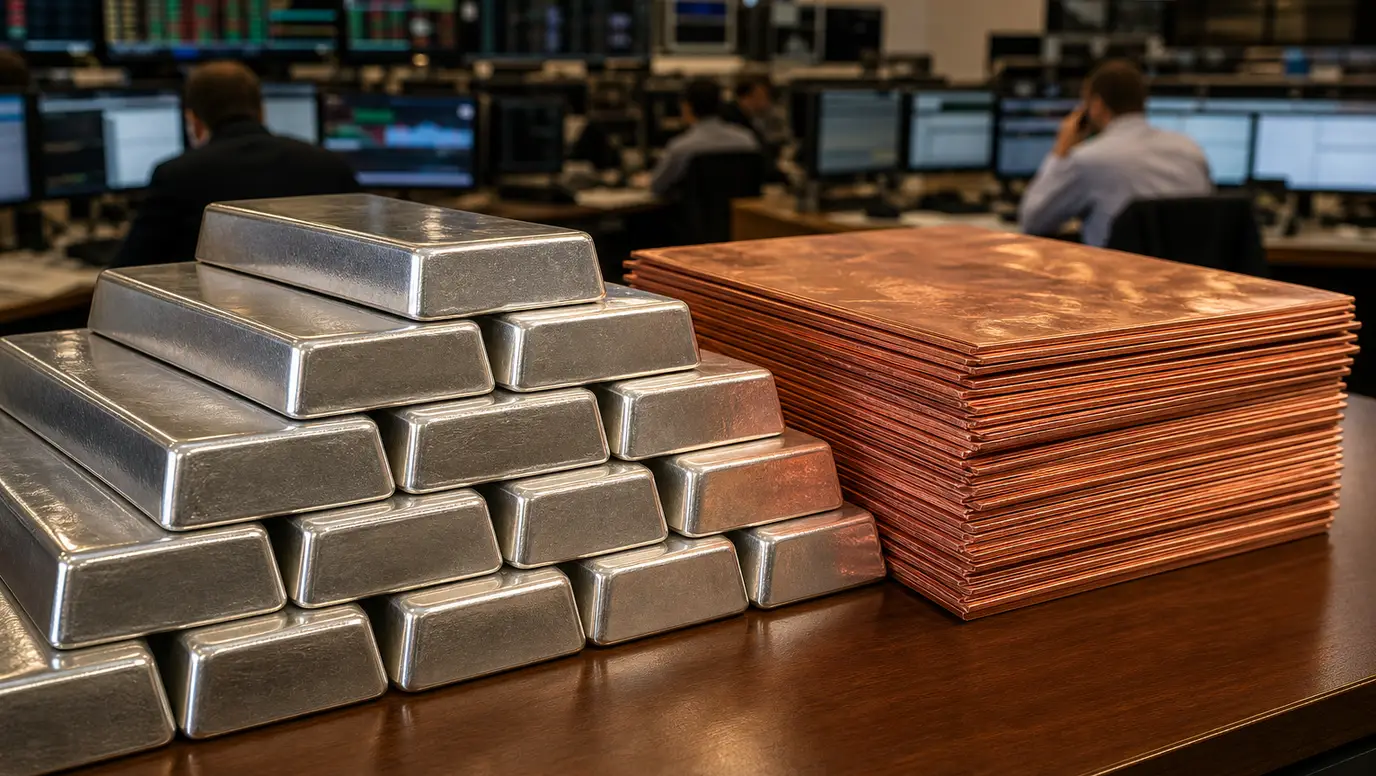
MAY 27, 2026
Silver Leads Metals Lower as Copper Resilience Highlights Split in Demand
MAY 26, 2026
Gold Slips as Oil Shock Revives Rate-Risk Trade in Precious Metals
MAY 26, 2026
Pound Slips as Dollar Rate Premium Returns to Center of FX Trading
MAY 25, 2026
Gold Rebounds as Lower Yields Bring Buyers Back to Precious Metals
MAY 25, 2026
Dollar Loses Haven Bid as Middle East Deal Hopes Lift Risk Currencies
MAY 24, 2026
Crypto Market Tries to Stabilize as ETF Flow Split and Leverage Flush Keep Traders Defensive
MAY 23, 2026
Euro Under Pressure Near 1.16 as Dollar Holds Policy Advantage
MAY 23, 2026
Silver Takes Lead in Metals as Gold Holds Near Late-Week Support
MAY 21, 2026
Dollar Rally Pauses as Yen Intervention Risk and Fed Caution Grip FX Markets